Home
›
Dogs Care Guides
Learn how often to bathe a dog safely, how coat type and lifestyle affect bathing frequency, which products to use, and how to avoid common groomin...
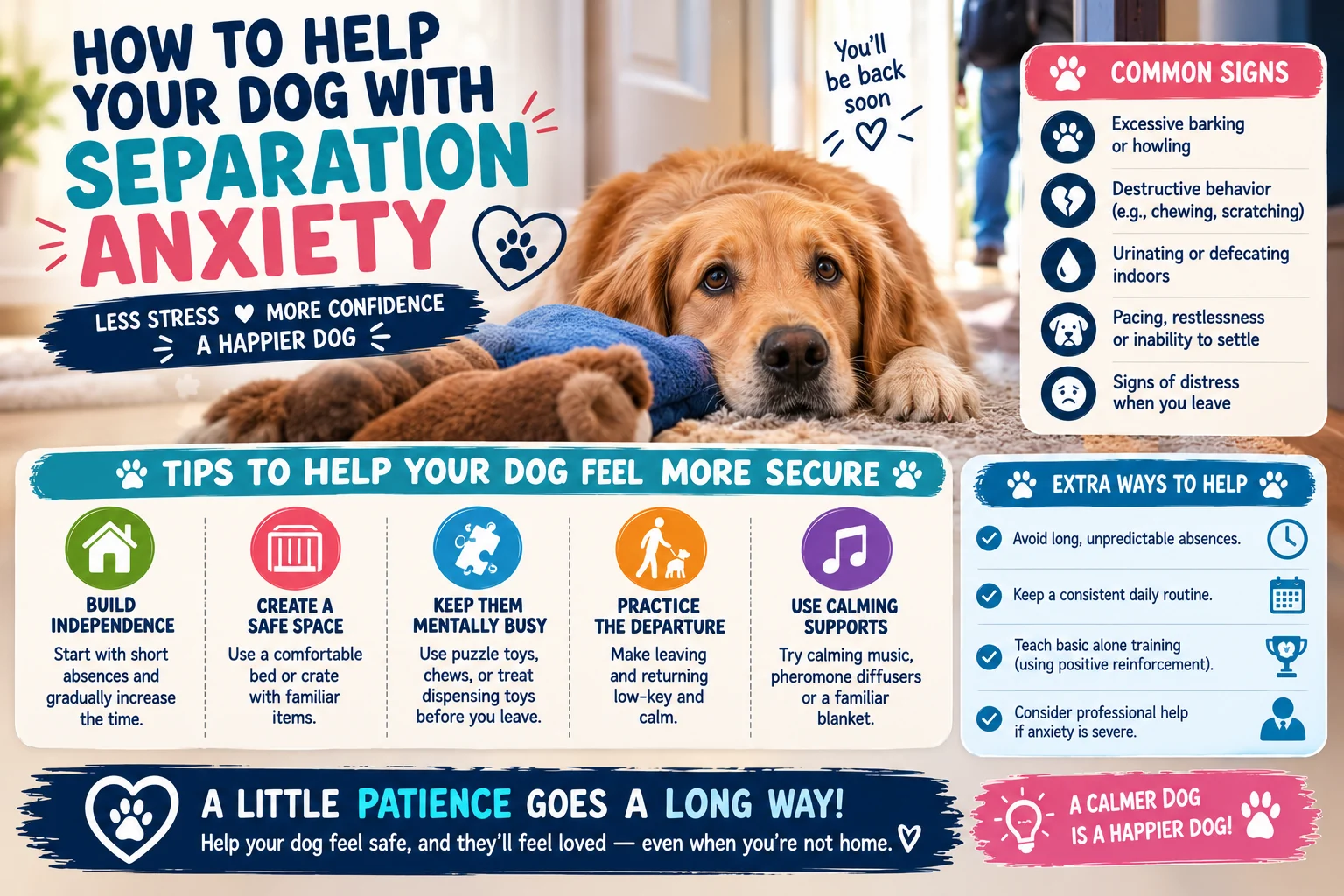
Learn how to keep your dog calm when left alone with gradual independence training, predictable routines, enrichment, calm departures, and practica...
Learn how much a puppy should eat by considering age, expected adult size, food calorie density, body condition, and feeding frequency rather than...
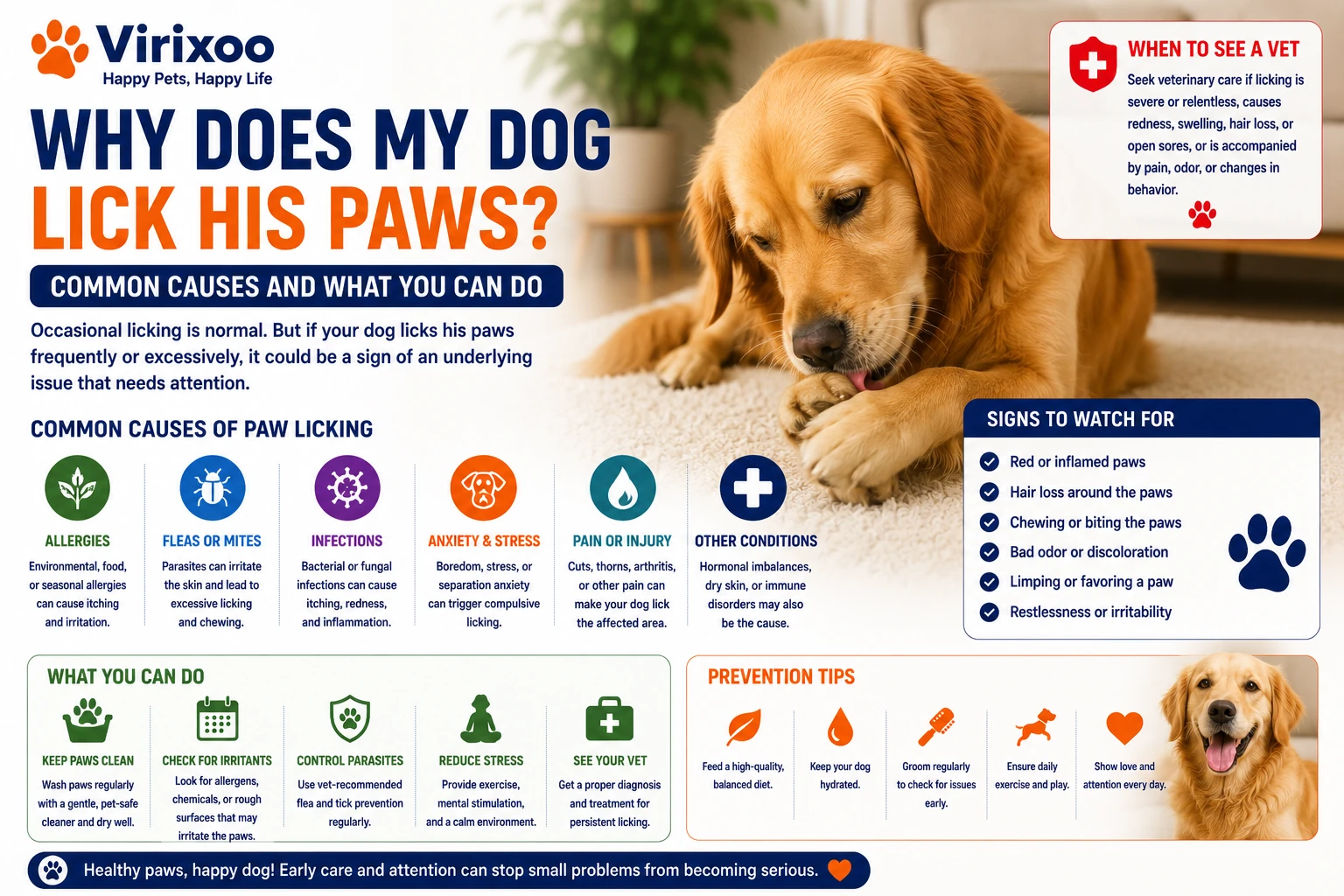
Paw licking can be normal grooming or a clue to allergy, irritation, injury, infection, or pain. Learn what to check and when to call your vet.
A dog skipping food can have many explanations. Learn how to assess appetite changes safely and which signs mean veterinary care should not wait.
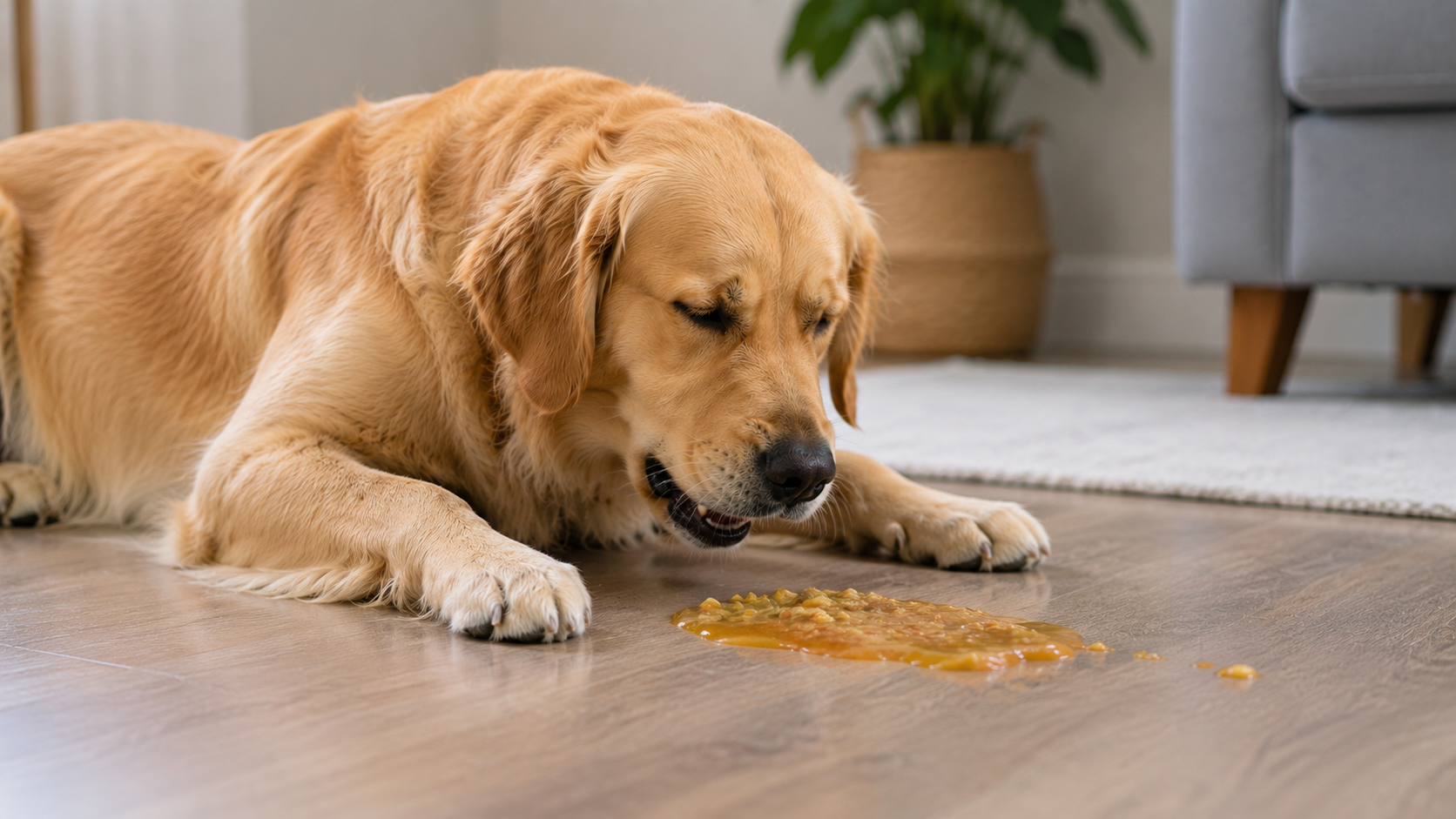
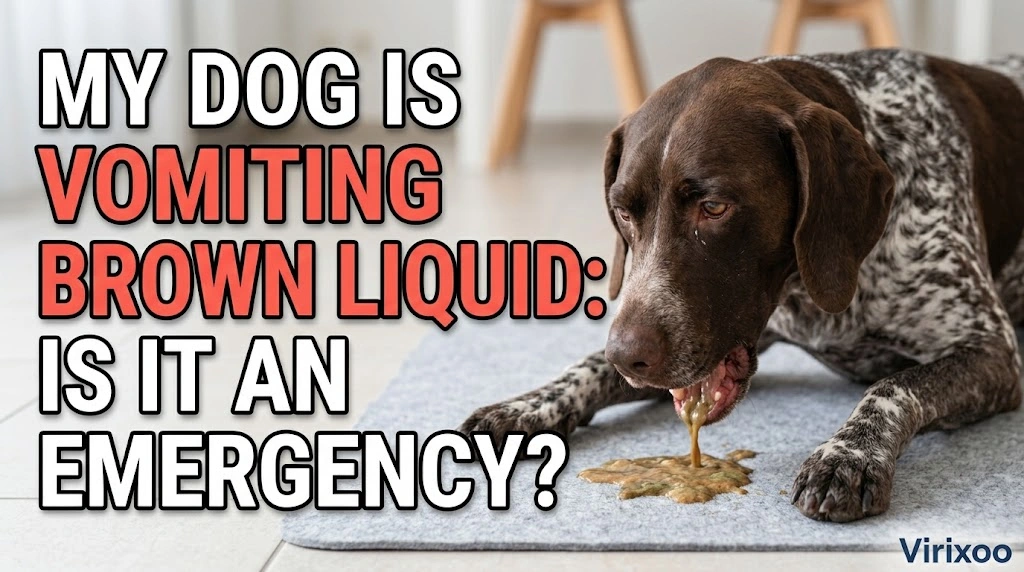
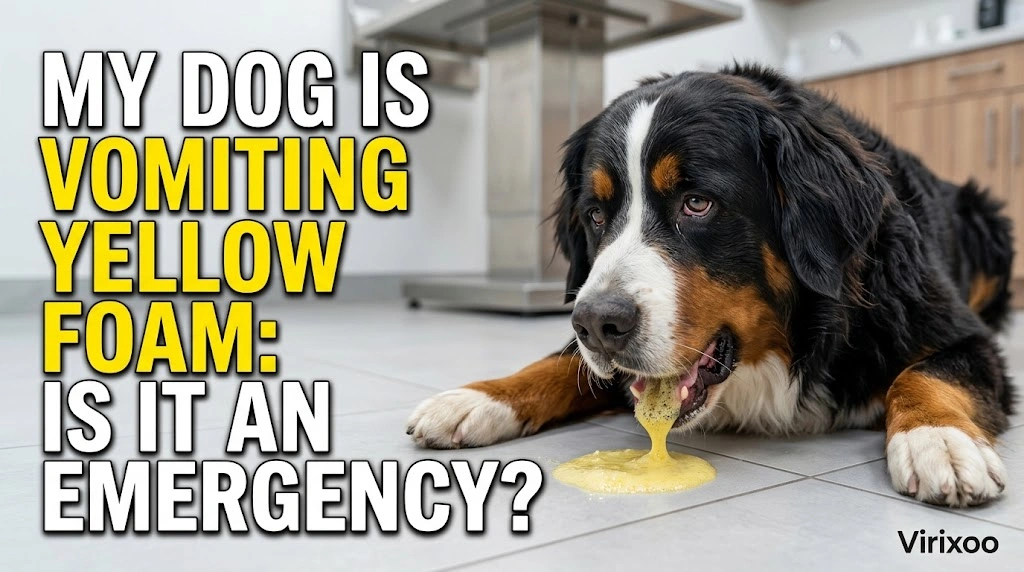
Learn how to describe dog vomiting, what owners should monitor, safe immediate steps, and red flags that require prompt veterinary care.
A practical guide to diarrhea in dogs, including common triggers, what to monitor, hydration concerns, and veterinary warning signs.
Learn the signs of separation-related distress and a humane, gradual plan that avoids punishment and overwhelming absences.
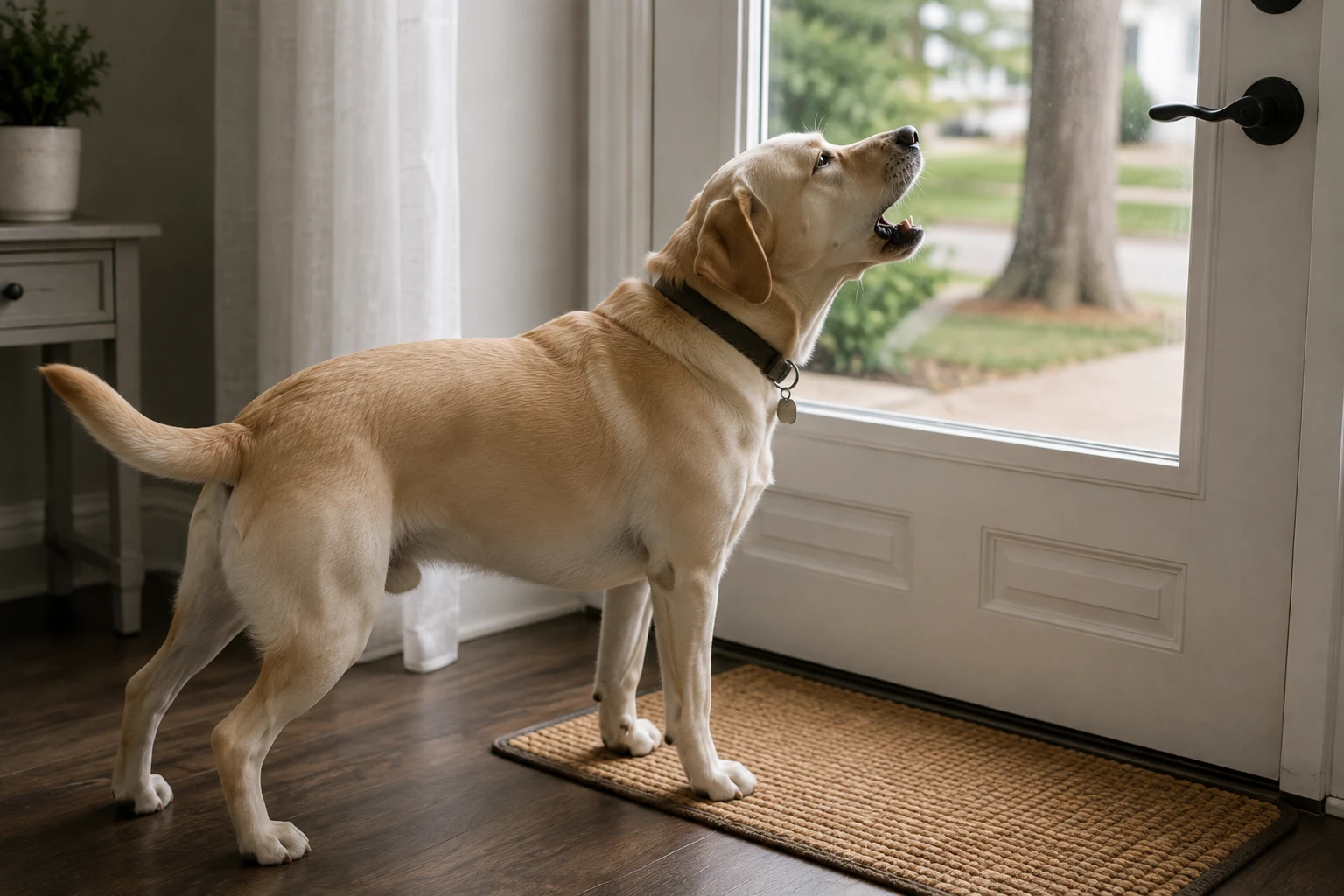
Excessive barking has different causes. Learn how to identify the trigger, reduce rehearsal, reward quiet alternatives, and know when professional...
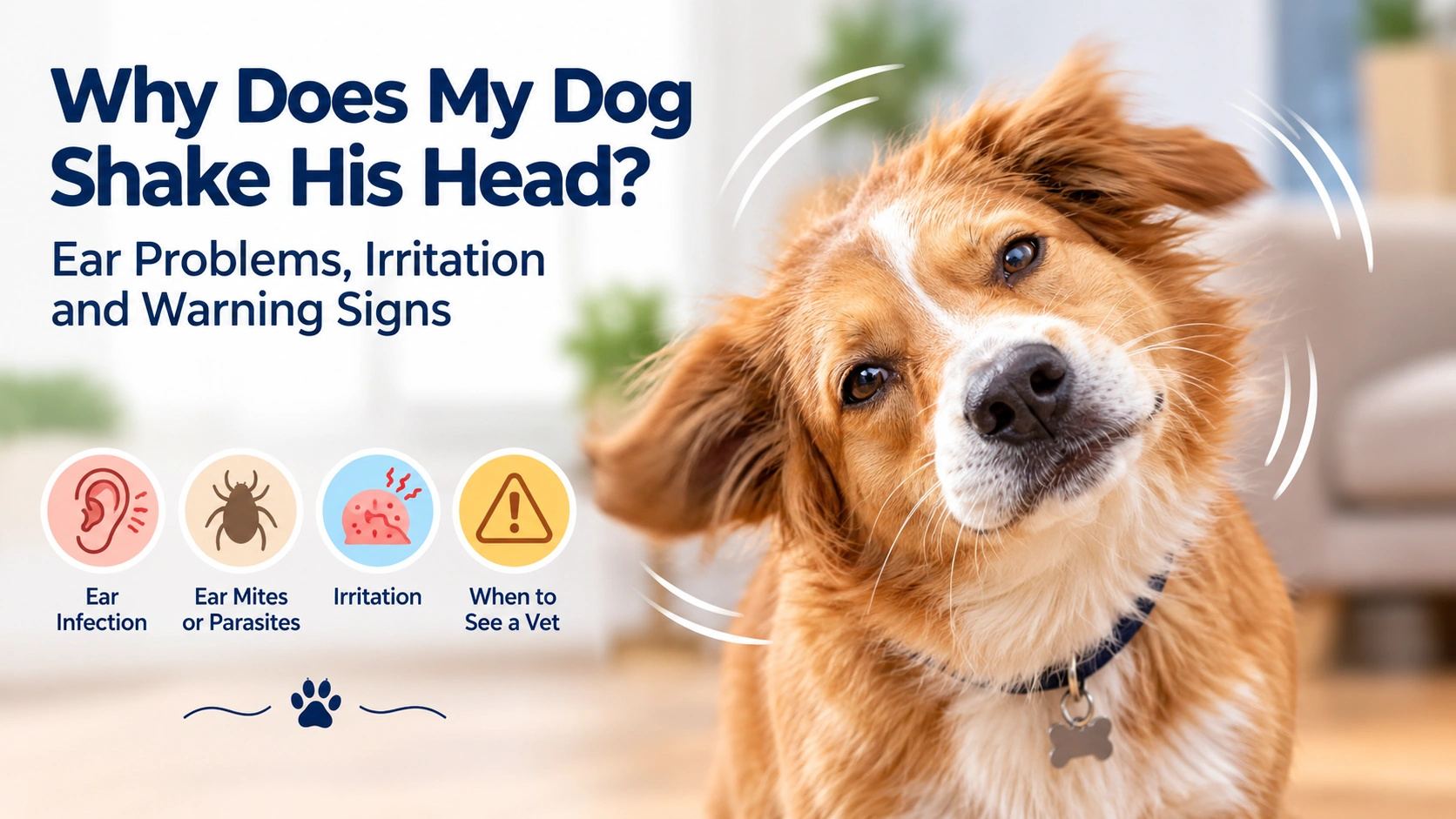
Occasional head shaking is normal, but repeated shaking can signal ear irritation, infection, allergy, a foreign object, or pain. Learn what to che...
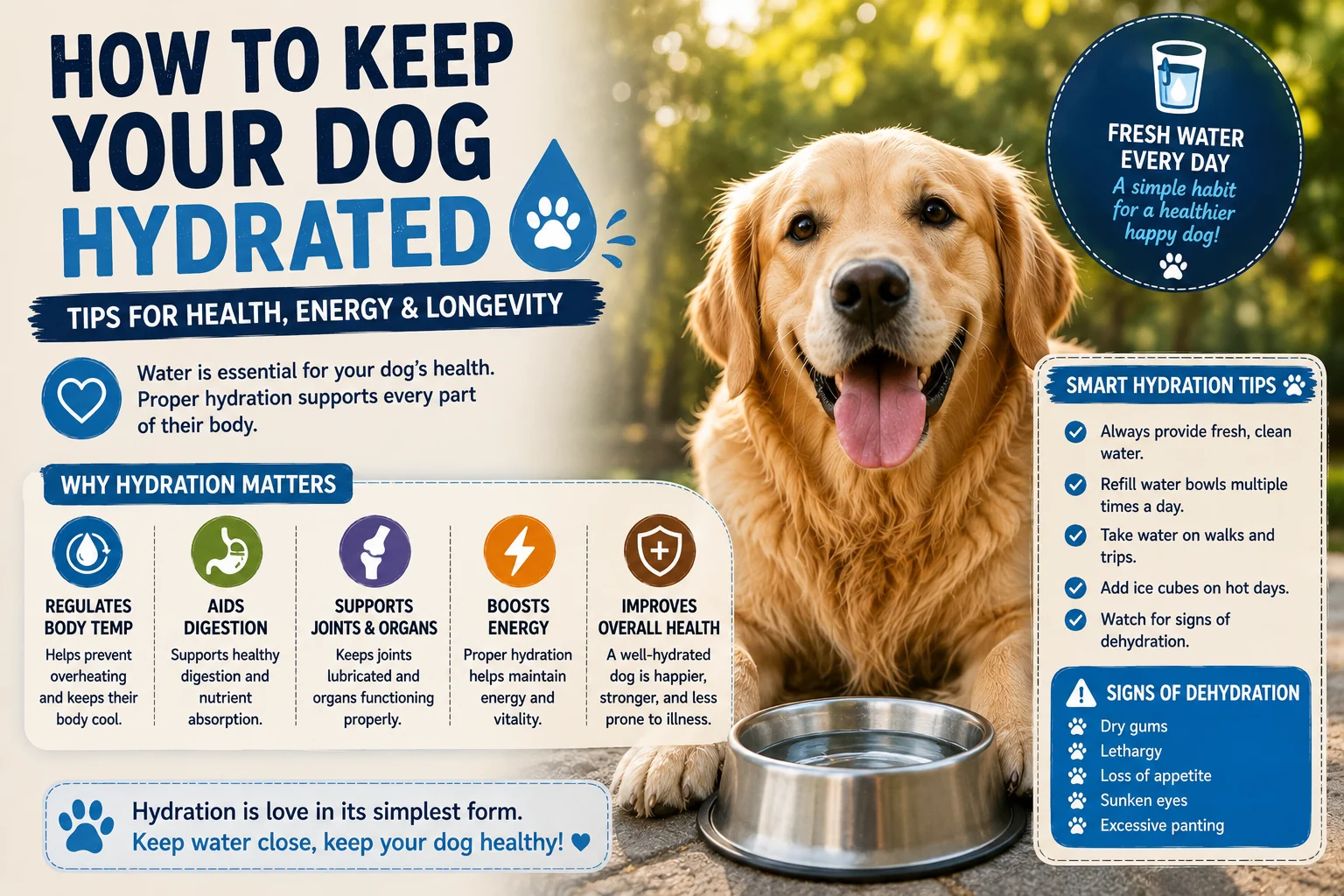
Learn when increased thirst in dogs may be normal, what changes owners should track, and which signs deserve prompt veterinary attention.
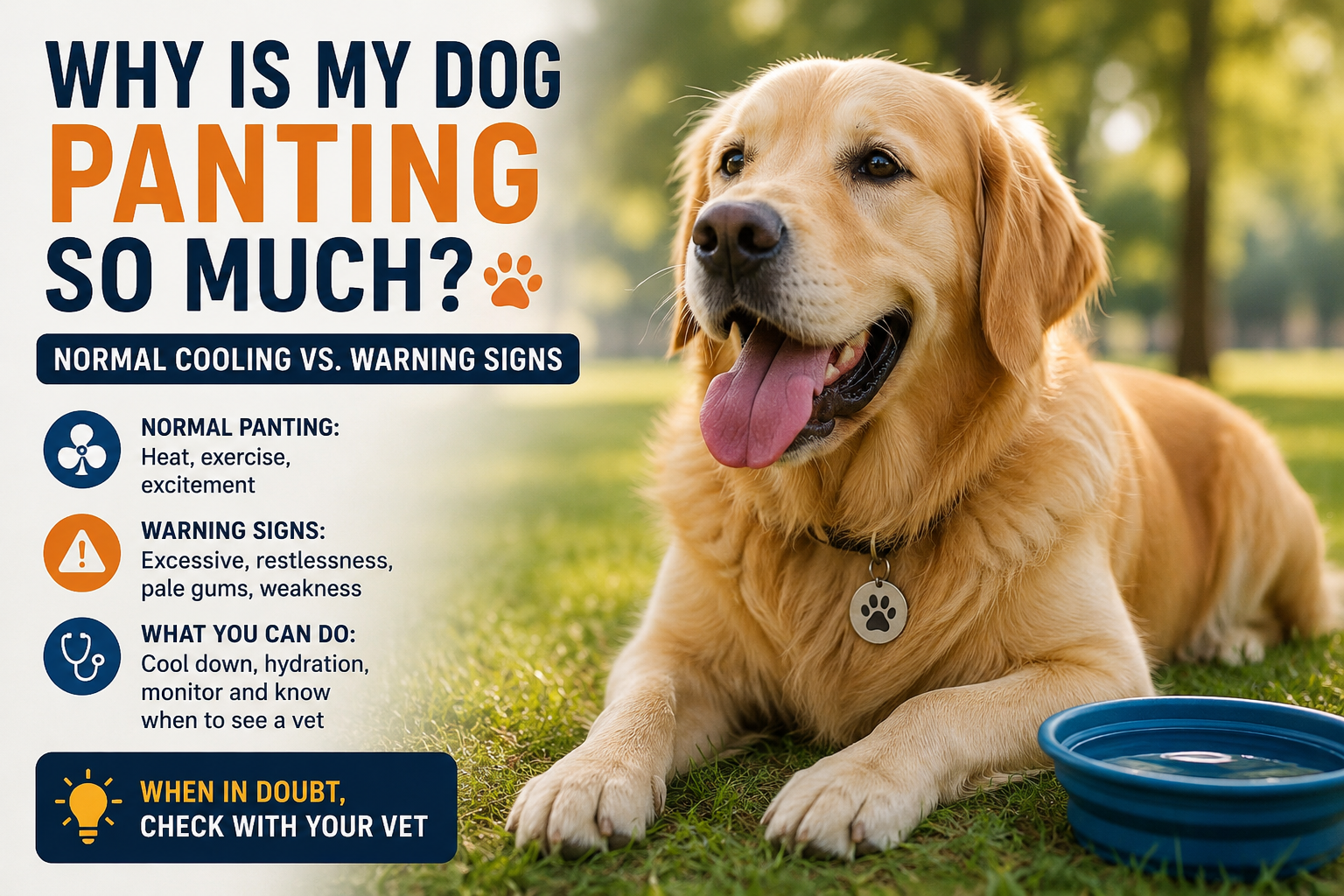
Understand normal panting, common triggers such as heat and excitement, and the signs that excessive panting may need urgent veterinary care.
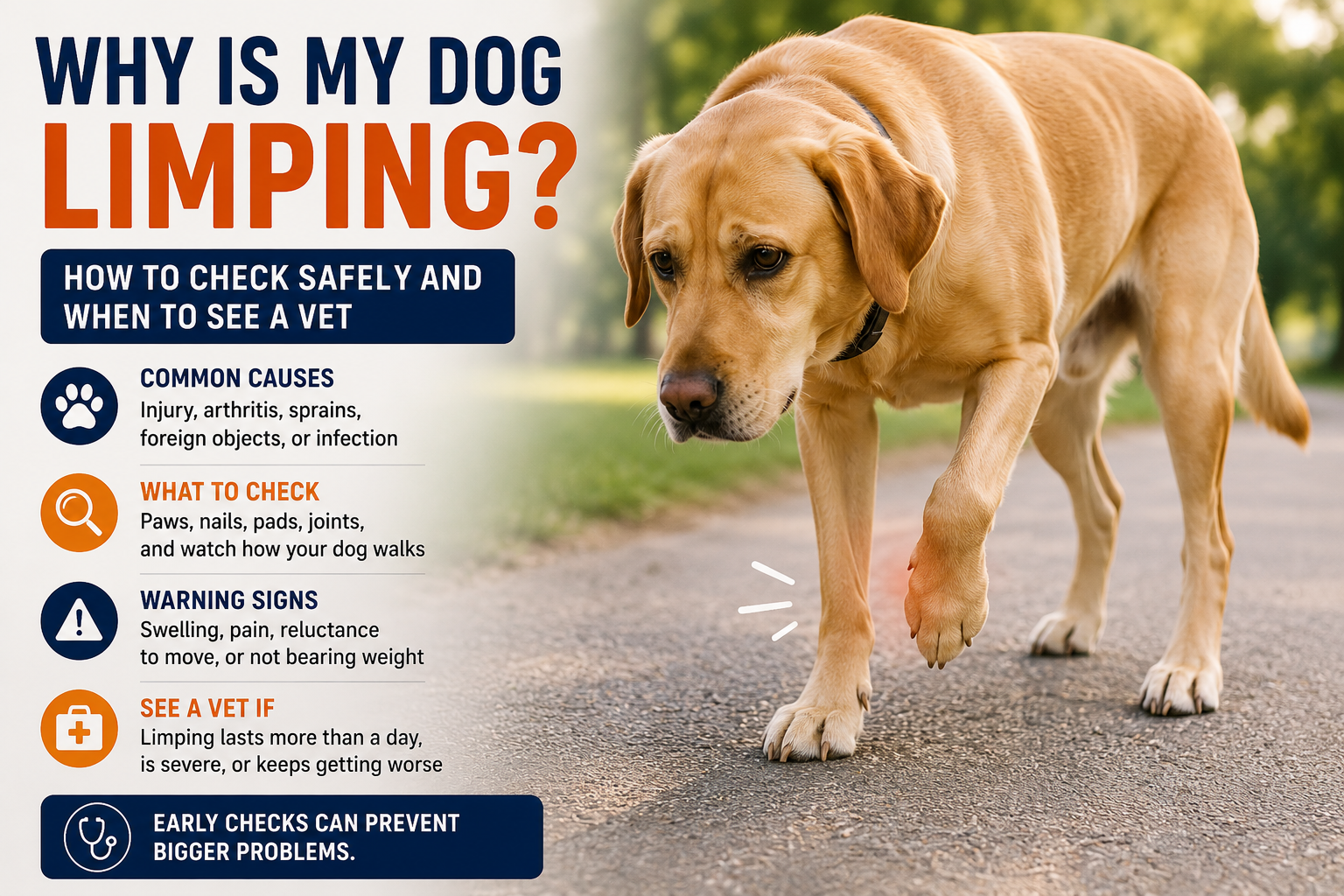
A practical guide to sudden or recurring limping in dogs, safe checks owners can make, activity limits, and signs that need prompt veterinary asses...
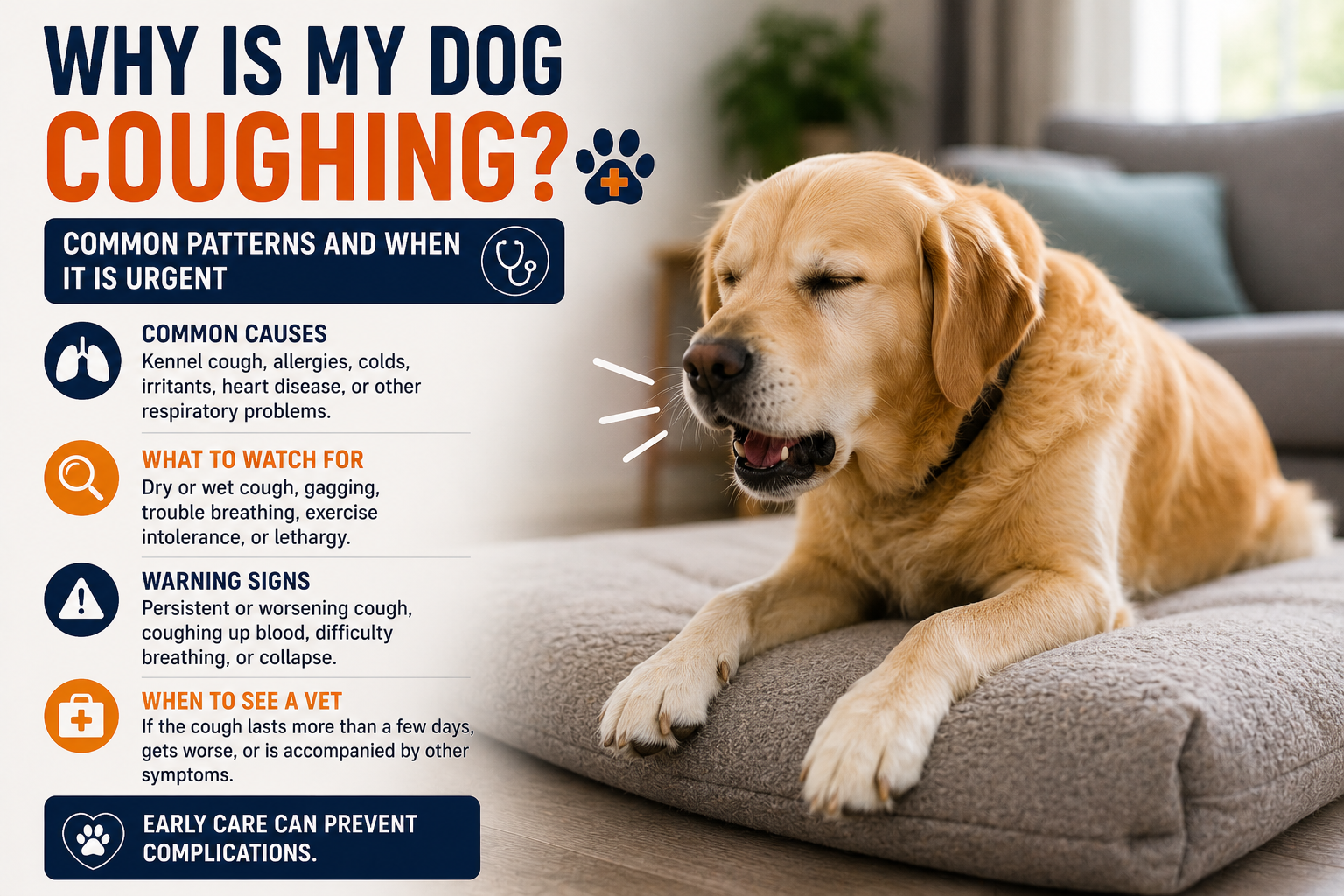
Learn what different cough patterns can suggest, which details help your veterinarian, and when coughing in a dog becomes an emergency.
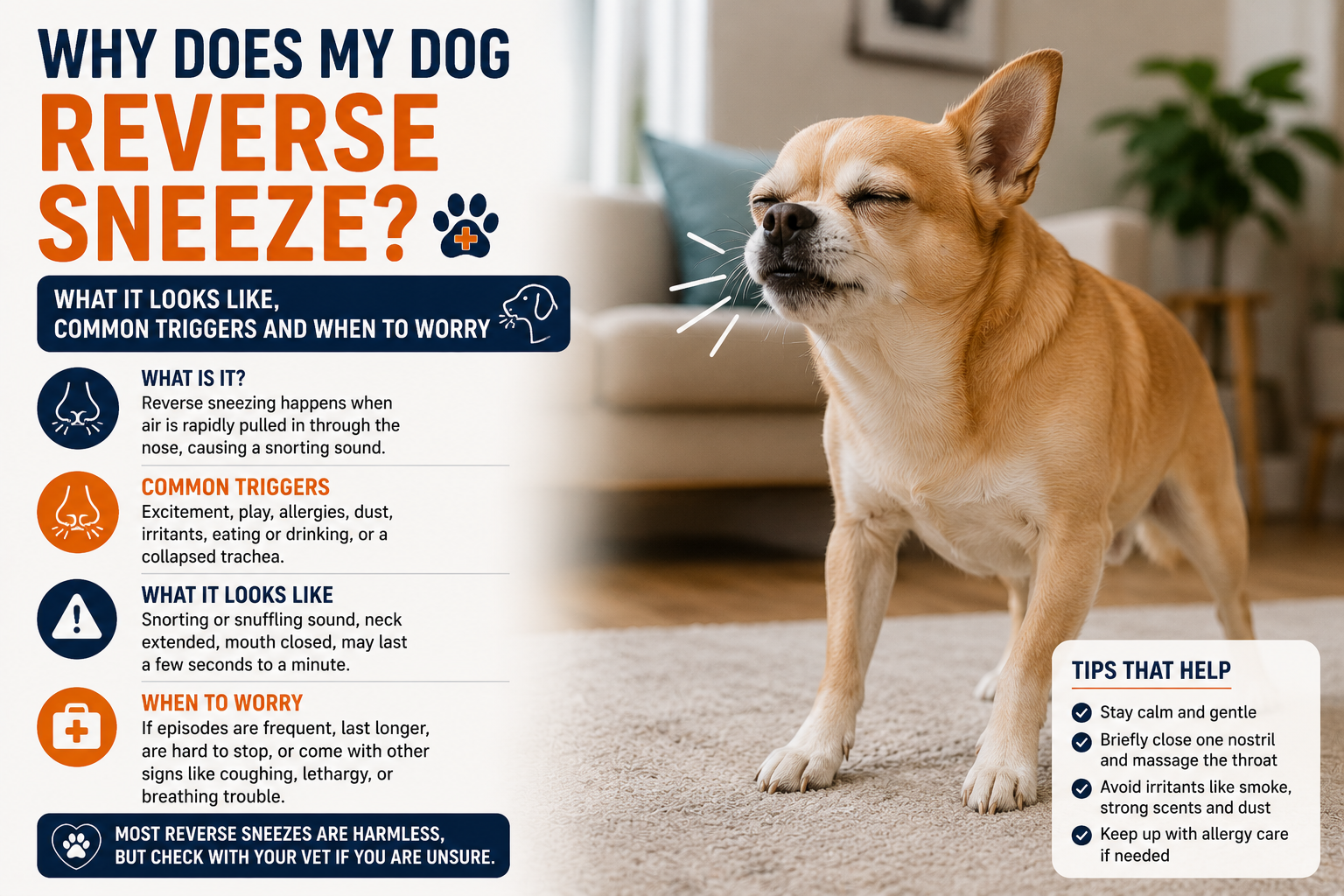
Learn how reverse sneezing differs from coughing or choking, common triggers, what owners can safely do, and when repeated episodes need a veterina...
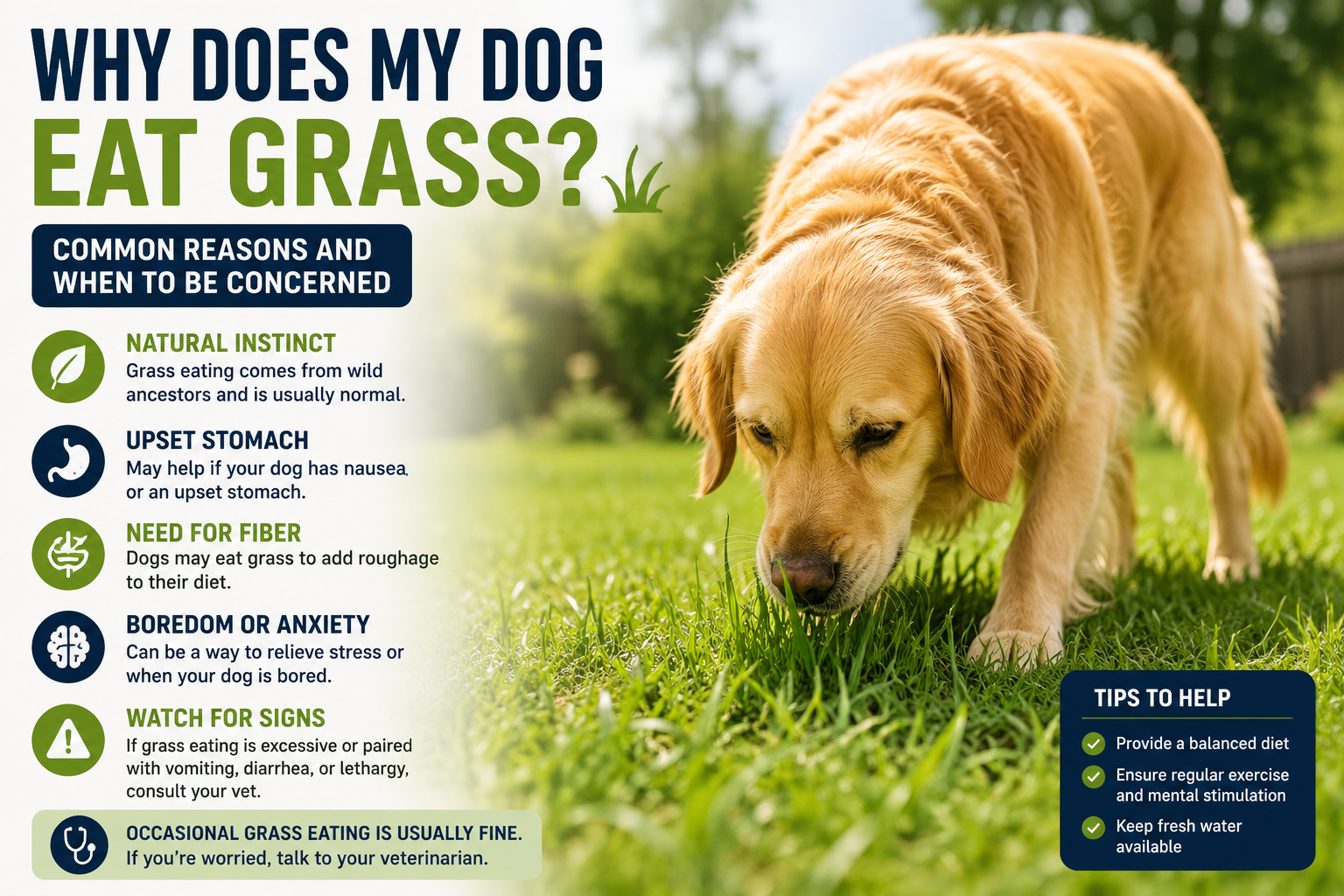
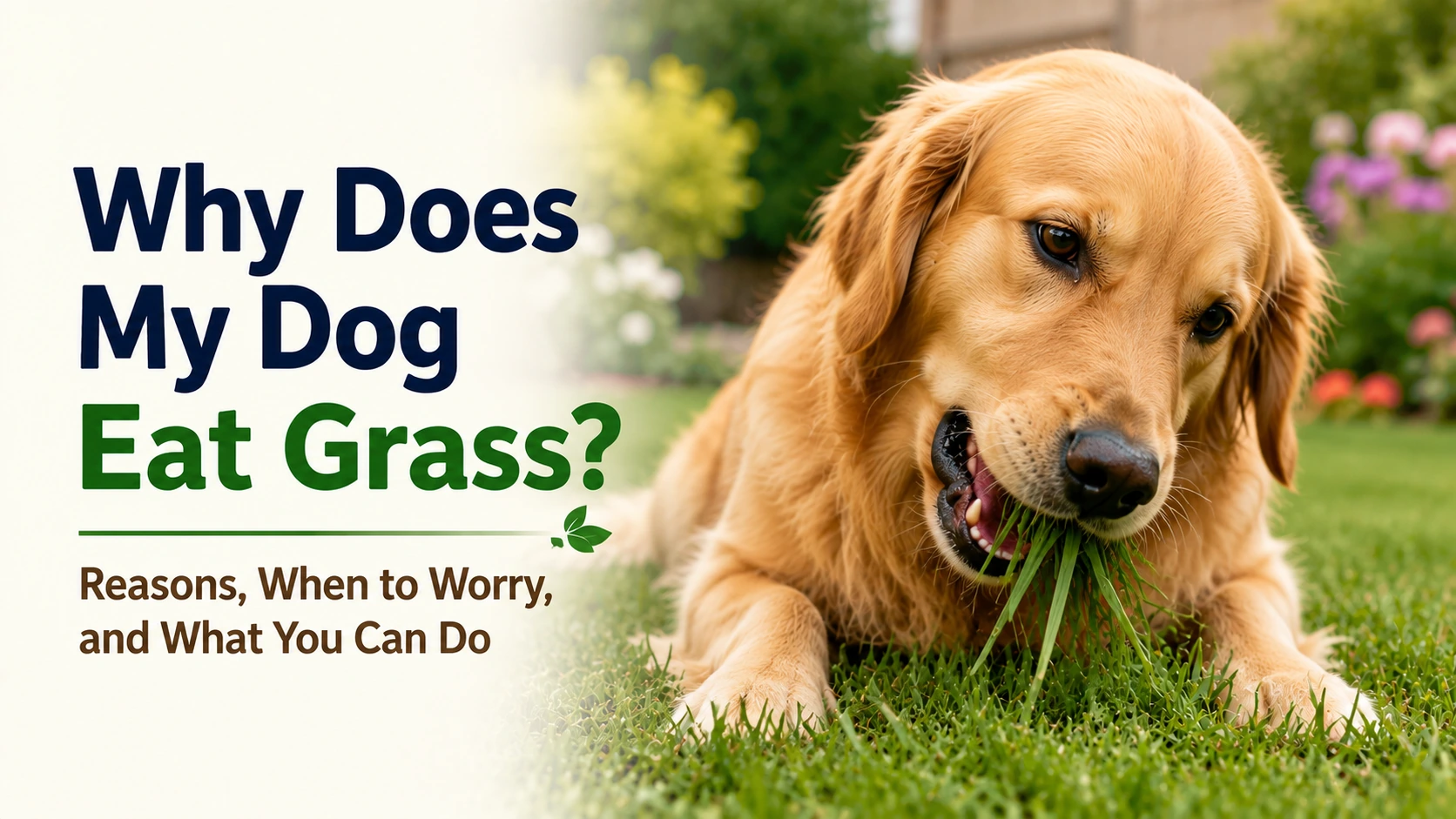
Find out why dogs may eat grass, when occasional grazing can be harmless, and which digestive or poisoning signs should prompt veterinary advice.
Understand why dogs drag their rear on the floor, what owners can safely inspect, and when recurring scooting needs veterinary attention.
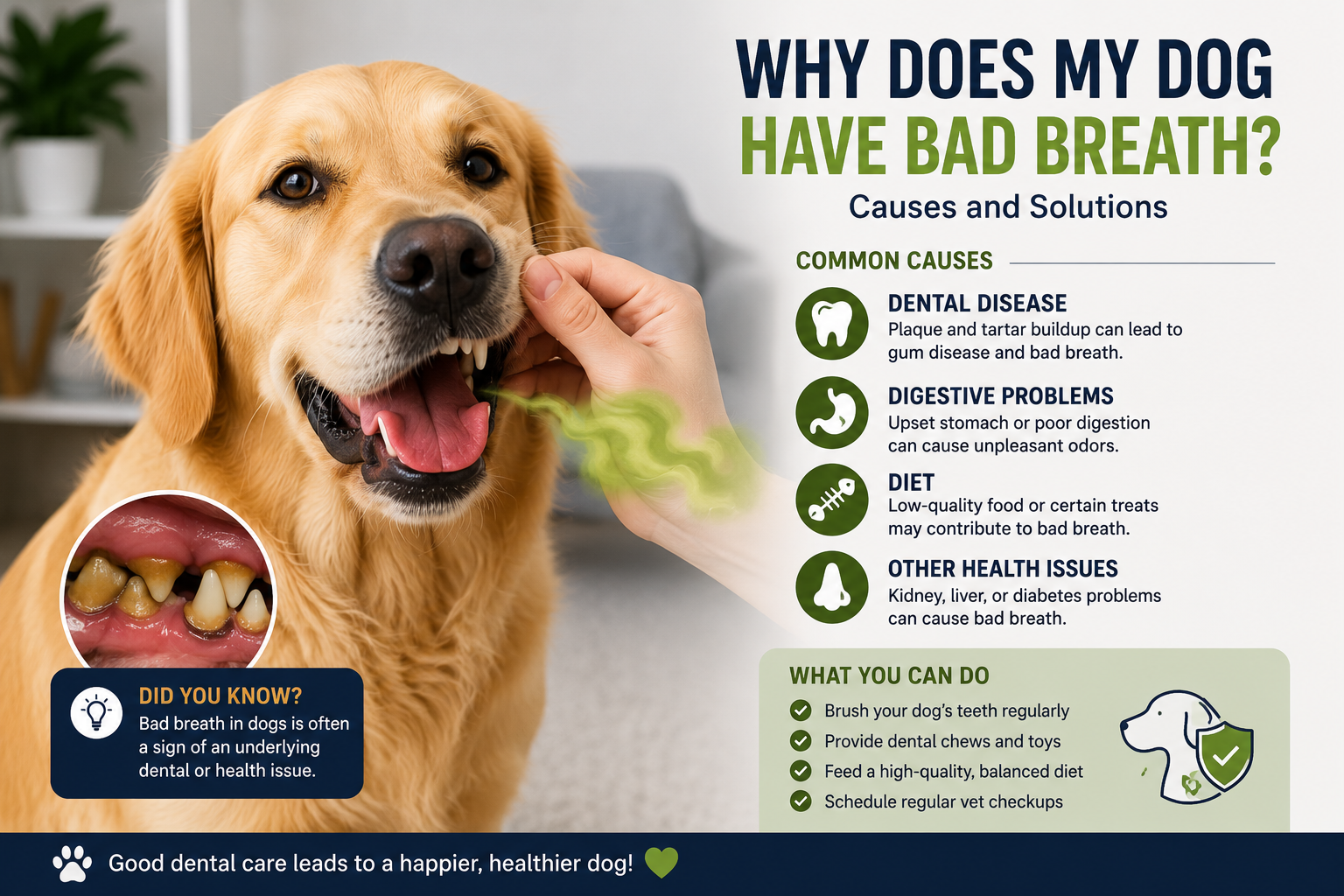
Learn why persistent bad breath in dogs often points to dental disease, how safe home care helps, and which mouth changes require veterinary evalua...
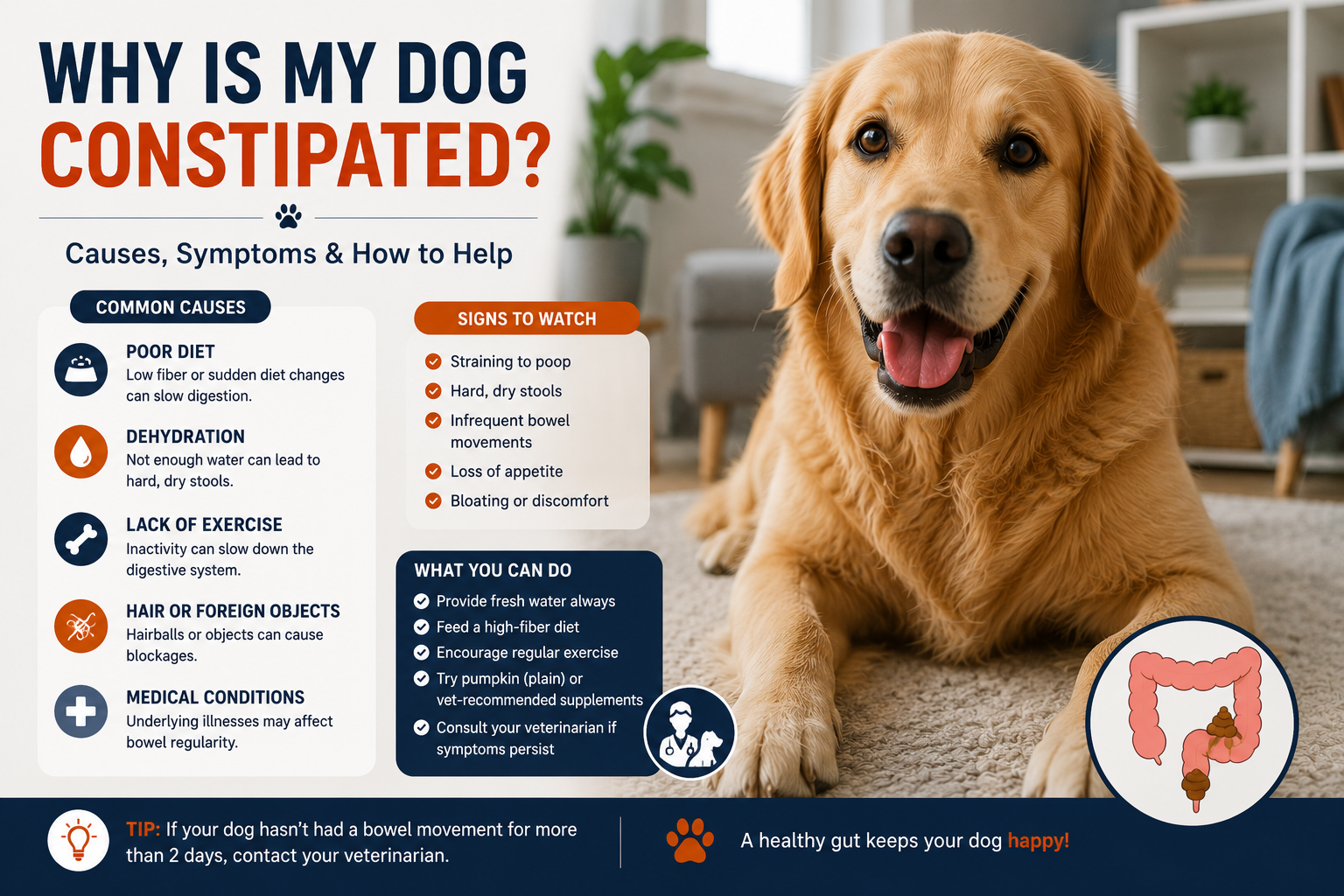
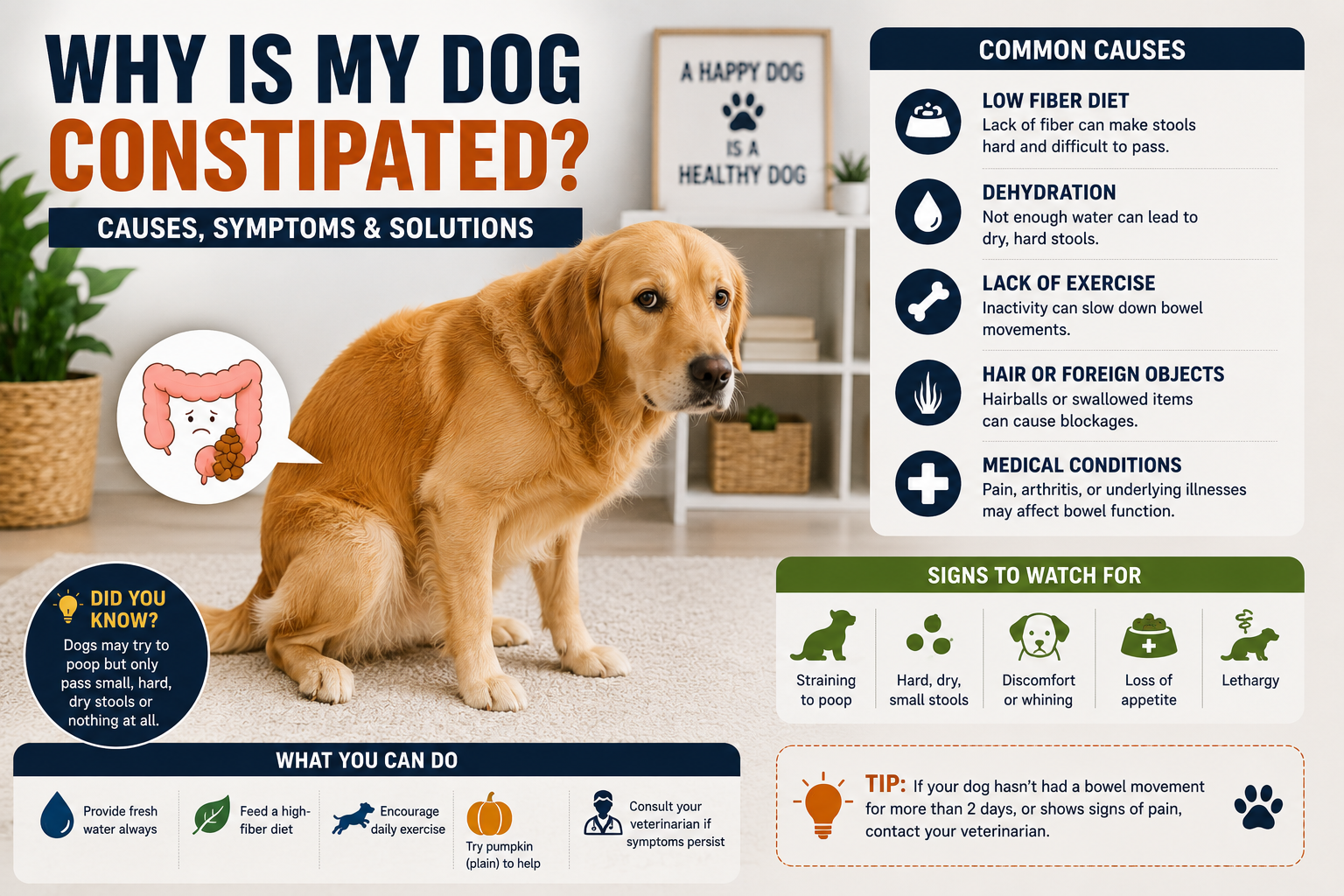
Learn how to recognize constipation in dogs, common causes, what not to give at home, and when straining or absent stool needs veterinary care.
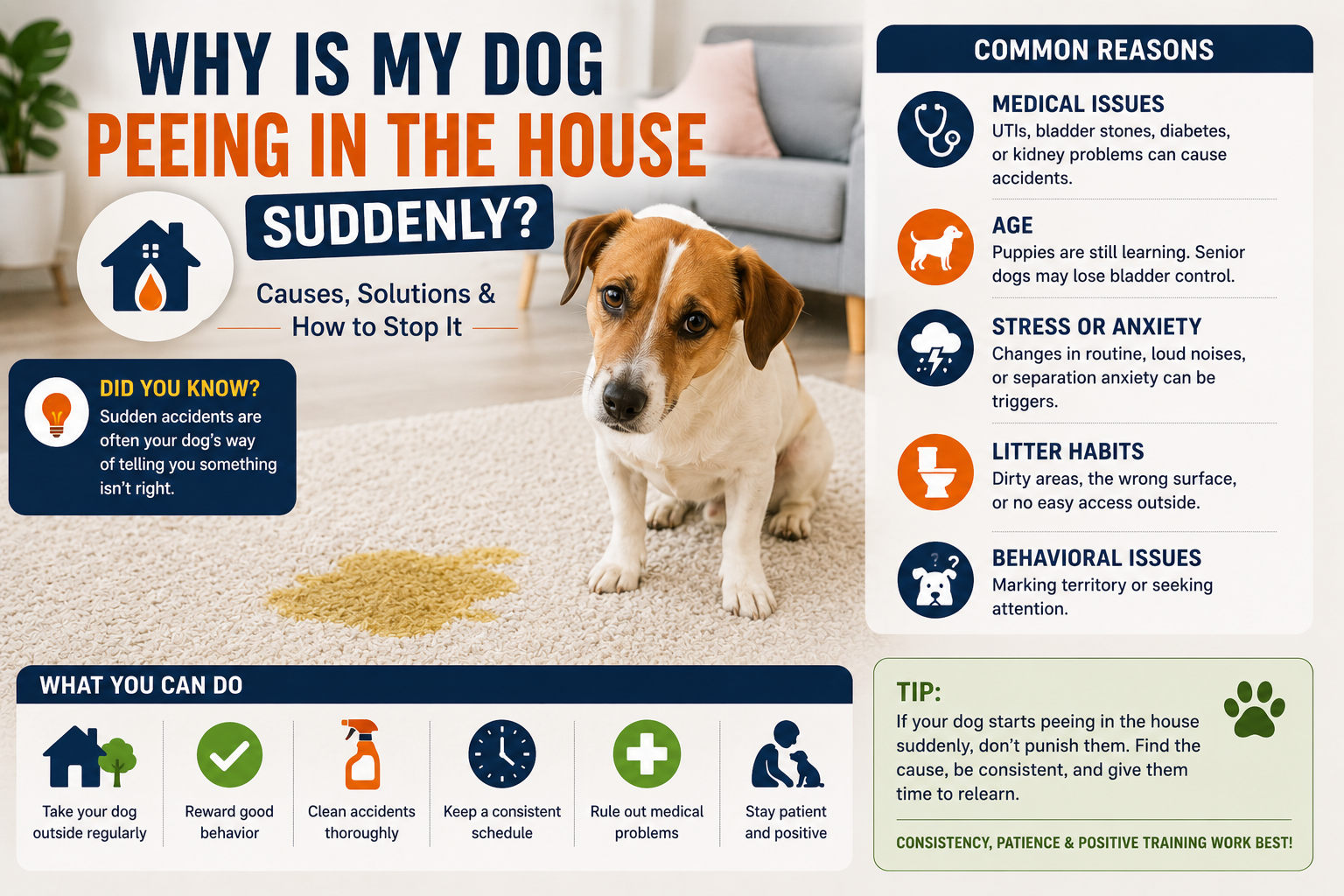
A practical guide to sudden indoor urination in a house-trained dog, including medical causes, behavior triggers, useful observations, and vet warn...
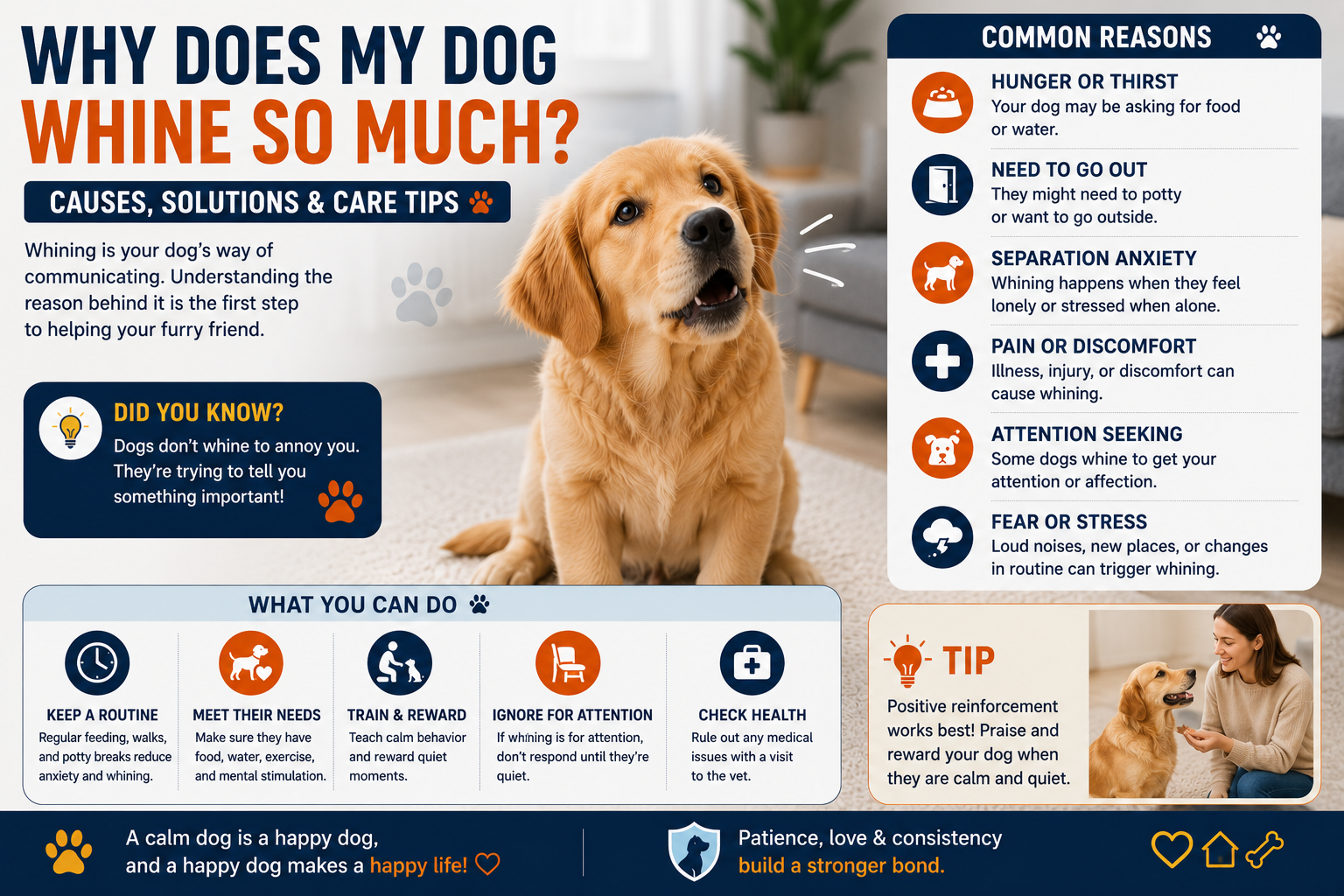
Learn why dogs whine, how to distinguish attention-seeking from fear, discomfort or unmet needs, and when persistent whining needs veterinary help.
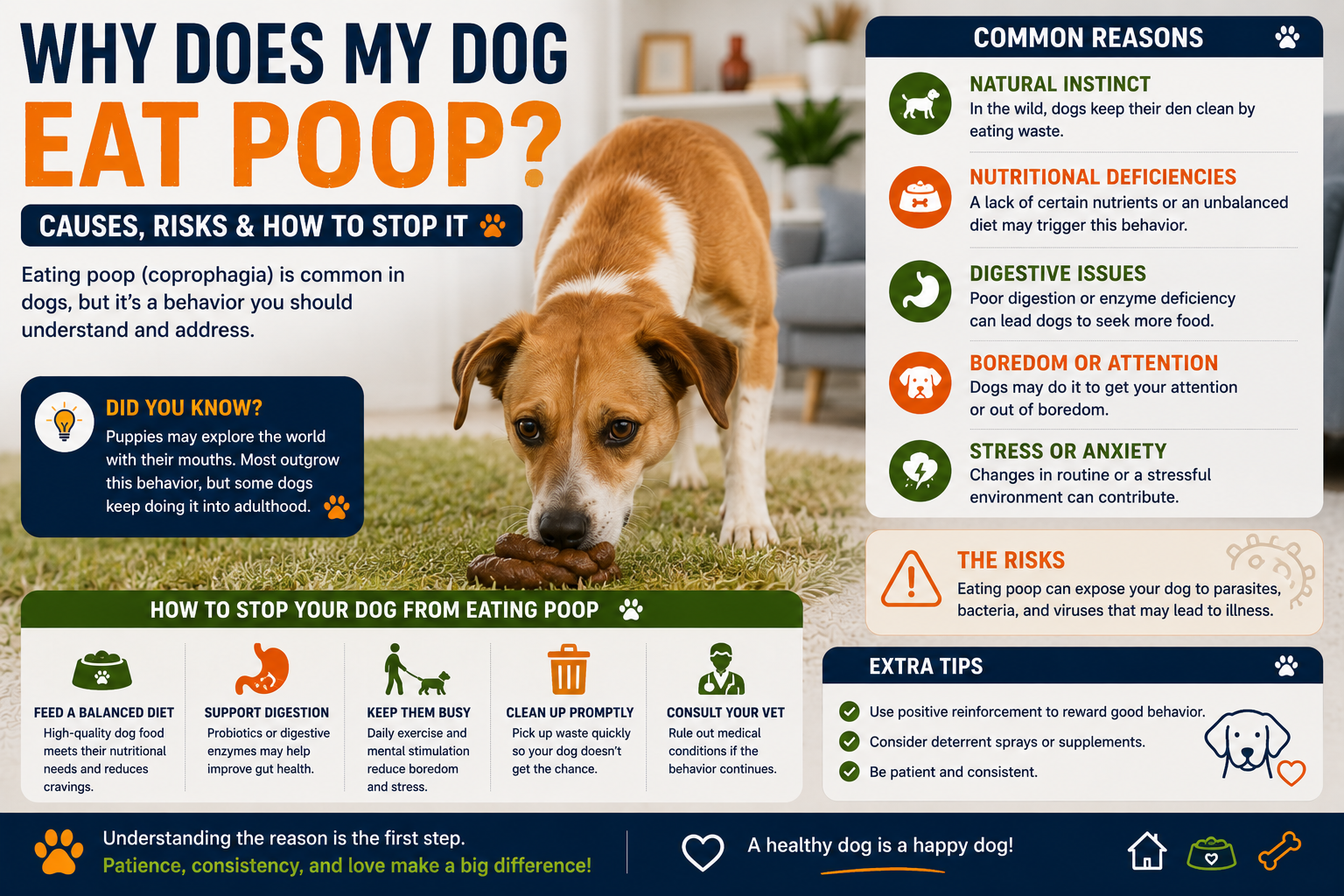
Understand why dogs may eat stool, practical ways to prevent the behavior, common mistakes to avoid, and when coprophagia deserves veterinary evalu...
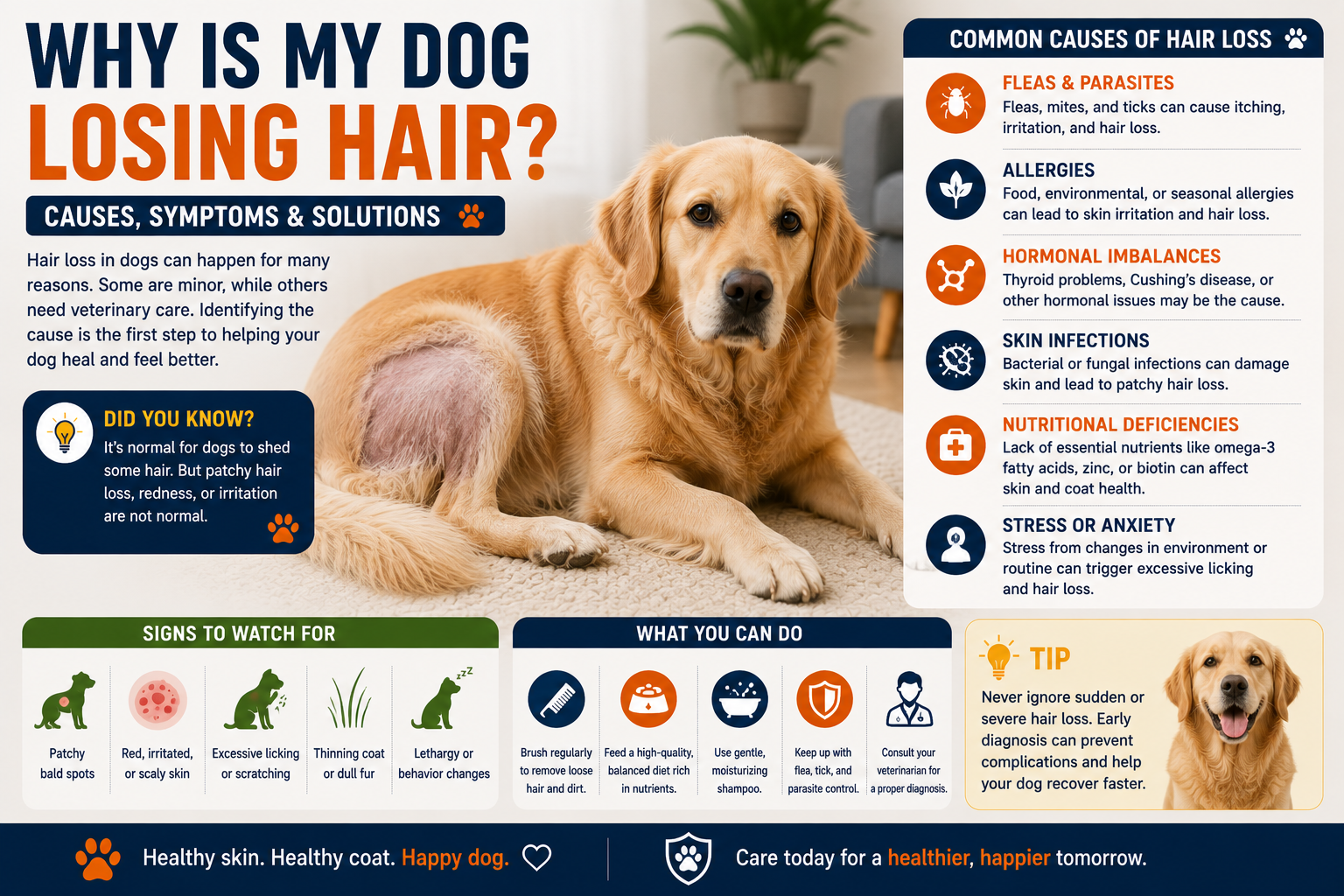
Learn what different hair-loss patterns in dogs may mean, how itching changes the likely causes, and when bald patches need veterinary evaluation.
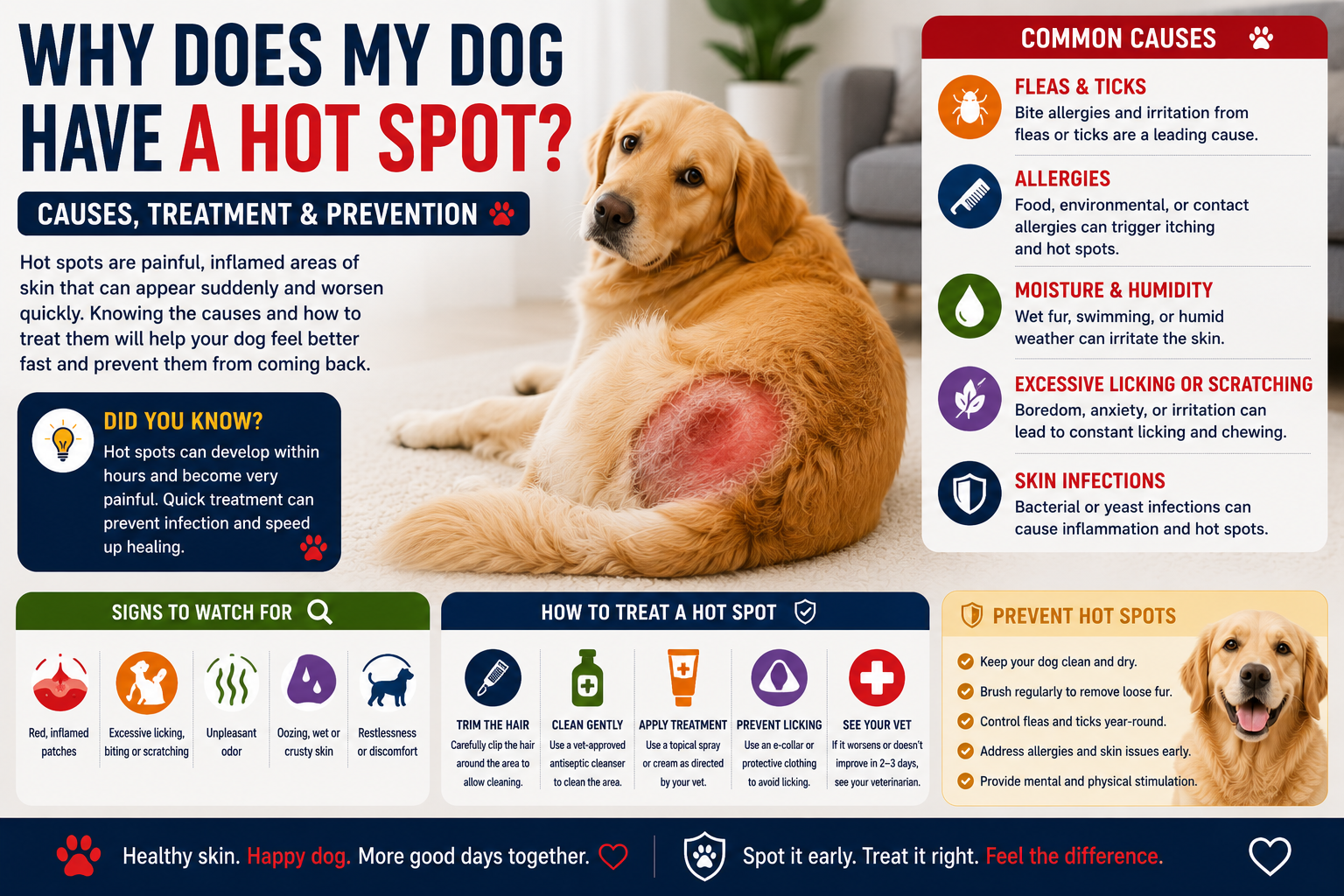
Learn what hot spots look like, why licking and moisture make them worse, safe first steps, and when an inflamed skin lesion needs veterinary care.
Learn why dogs gain excess weight, how to assess portions and treats, when medical causes matter, and how to build a safe veterinary-guided weight...
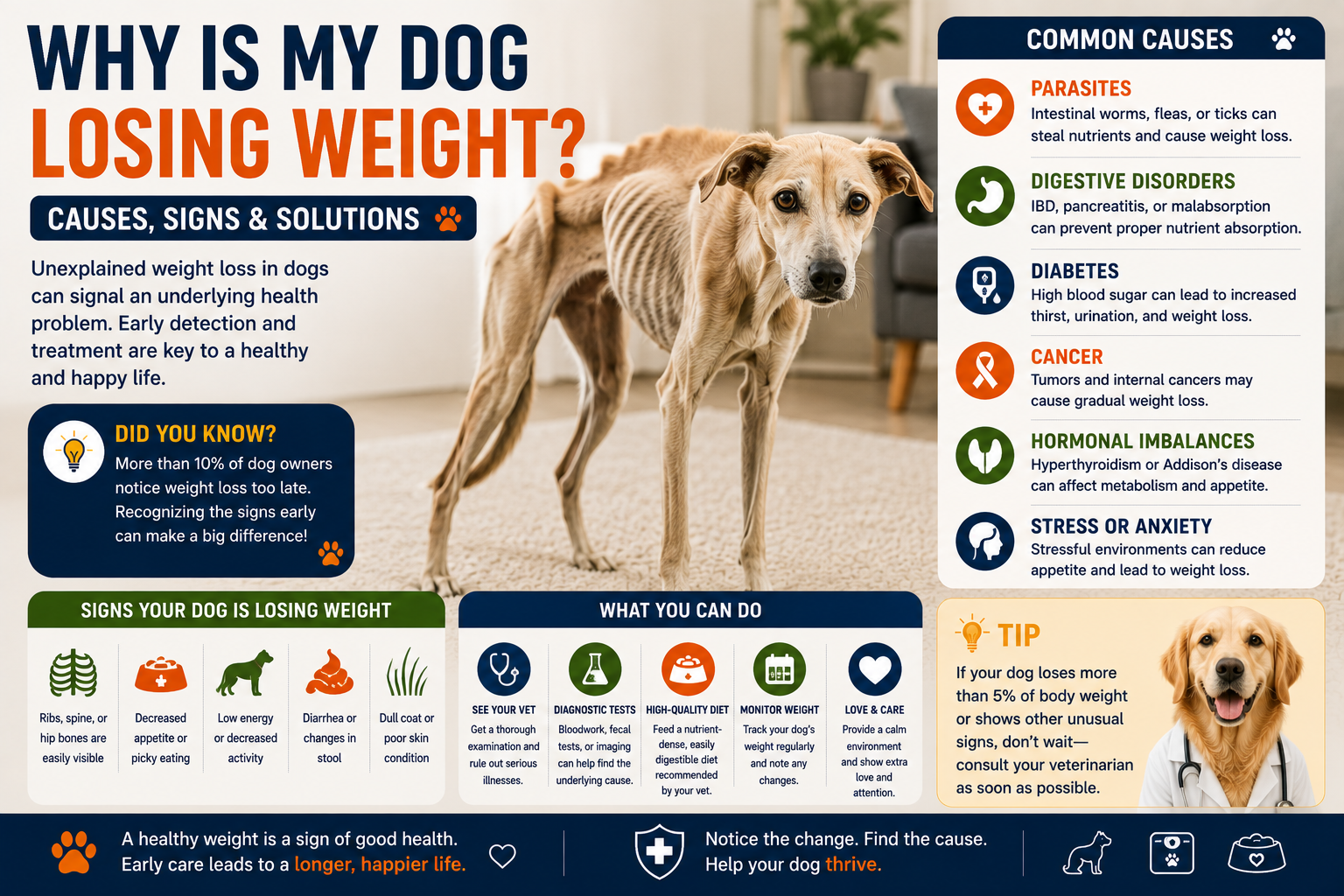
Learn why unexplained weight loss in dogs matters, what appetite and digestive patterns can reveal, and when veterinary testing is important.
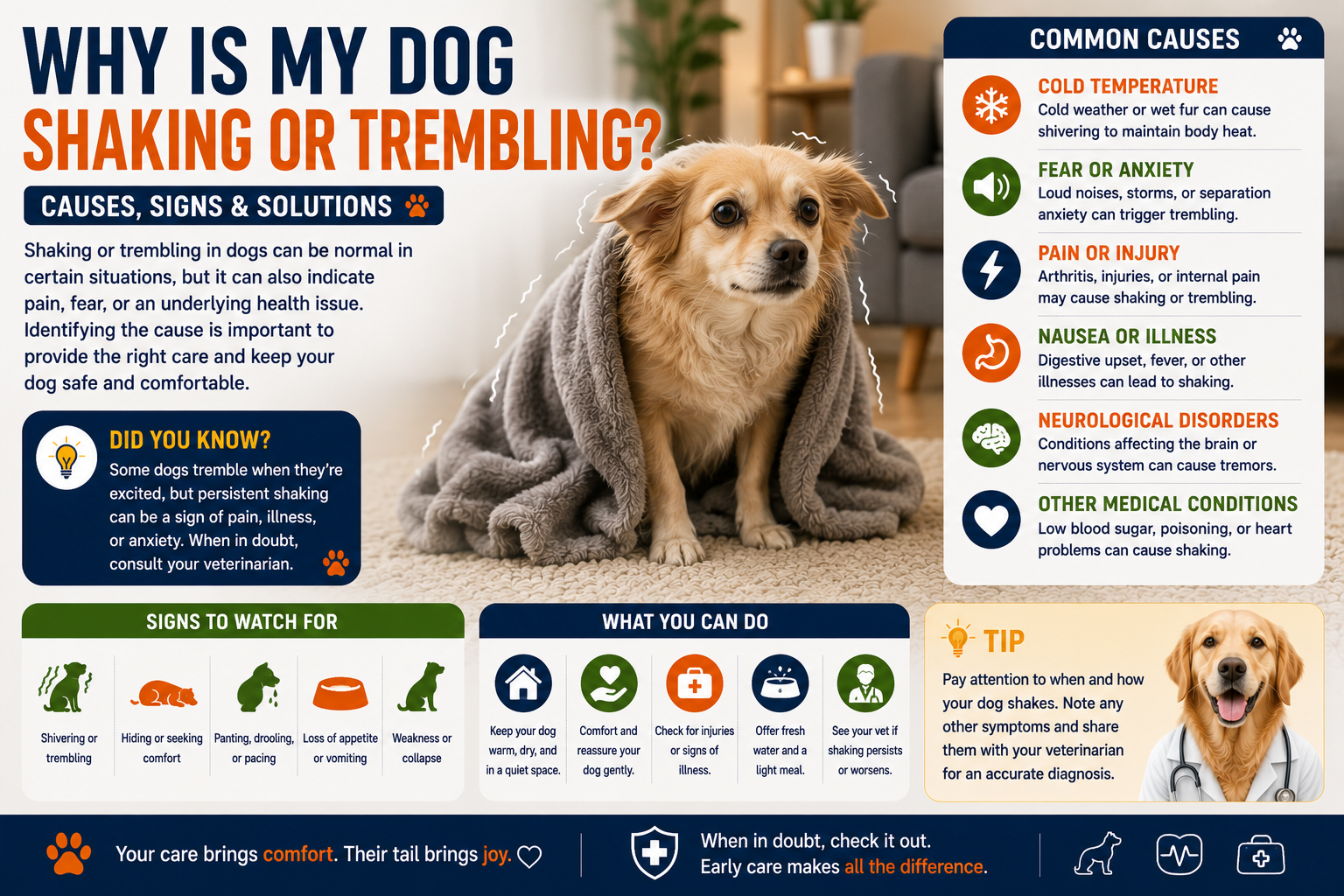
Understand common reasons dogs shake or tremble, how context helps distinguish fear from illness, and which signs require urgent veterinary care.
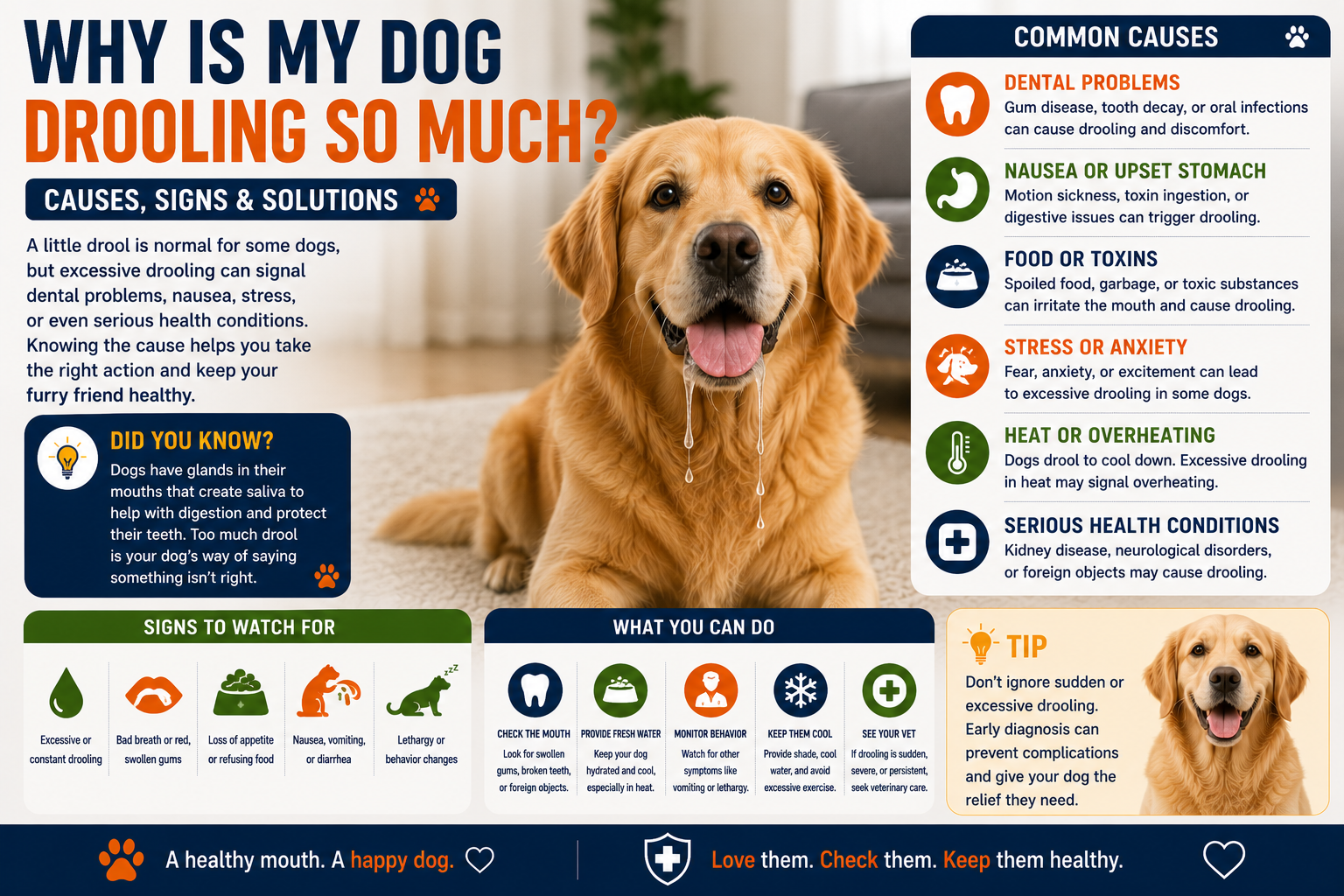
Learn why dogs may suddenly drool excessively, what mouth and nausea signs to check, and when heavy salivation requires emergency veterinary care.
Find the source of persistent dog odor by checking the skin, ears, mouth and rear, and learn why repeated smells often need more than another bath.
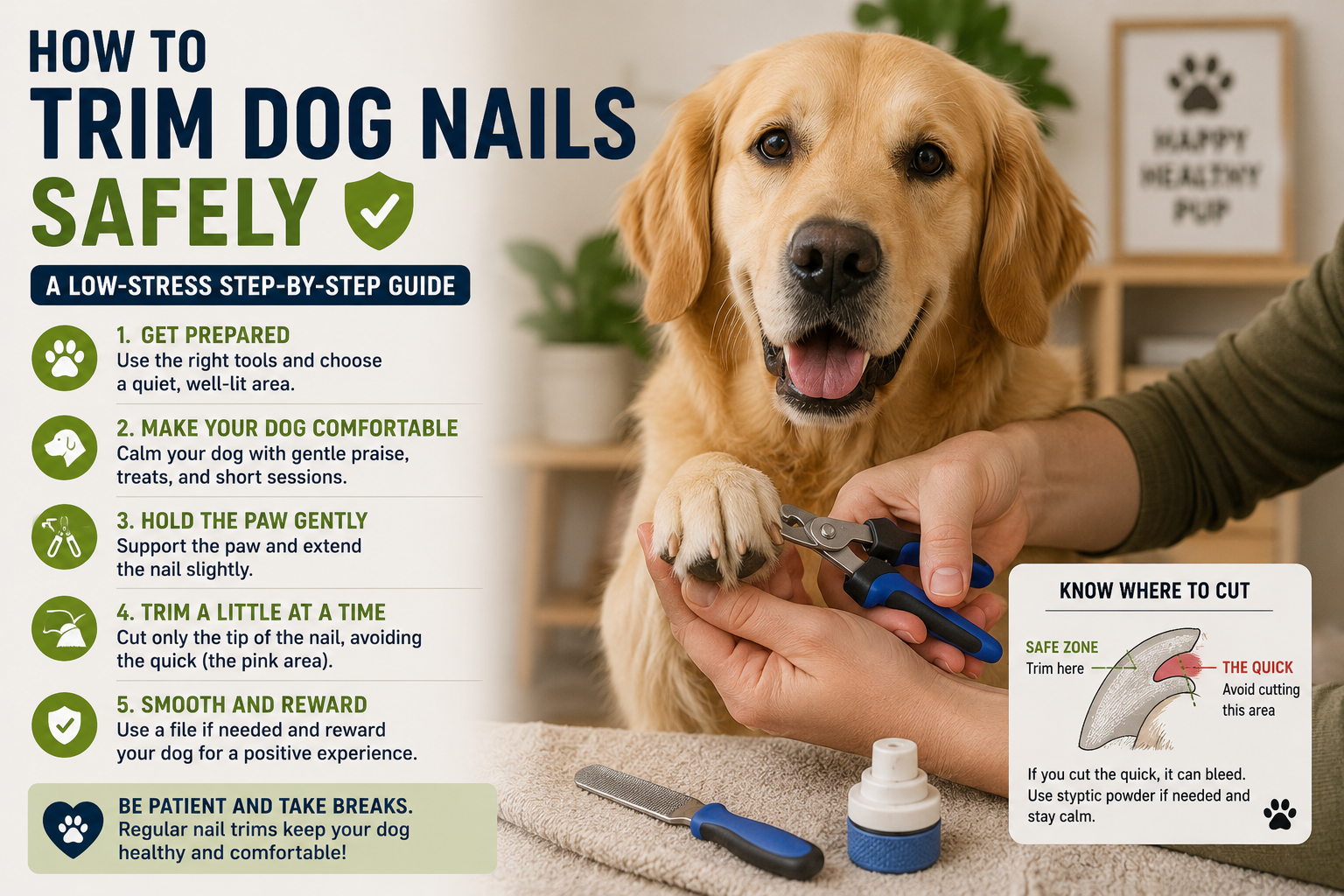
Learn how to trim dog nails safely, recognize the quick, introduce clippers gradually, manage accidental bleeding, and know when to use a professio...
Crate training can be useful for rest, travel and safe household management, but the crate should become a place the puppy chooses to enter rather...
House training succeeds when the puppy is given frequent chances to be right. Timing, supervision and immediate reinforcement matter far more than...
Mouthing is common in puppies because they explore, play and cope with teething through their mouths. The job is to teach safer habits without turn...
Jumping often persists because it reliably produces attention or access to people. A clear greeting routine can replace it with behavior that is ea...
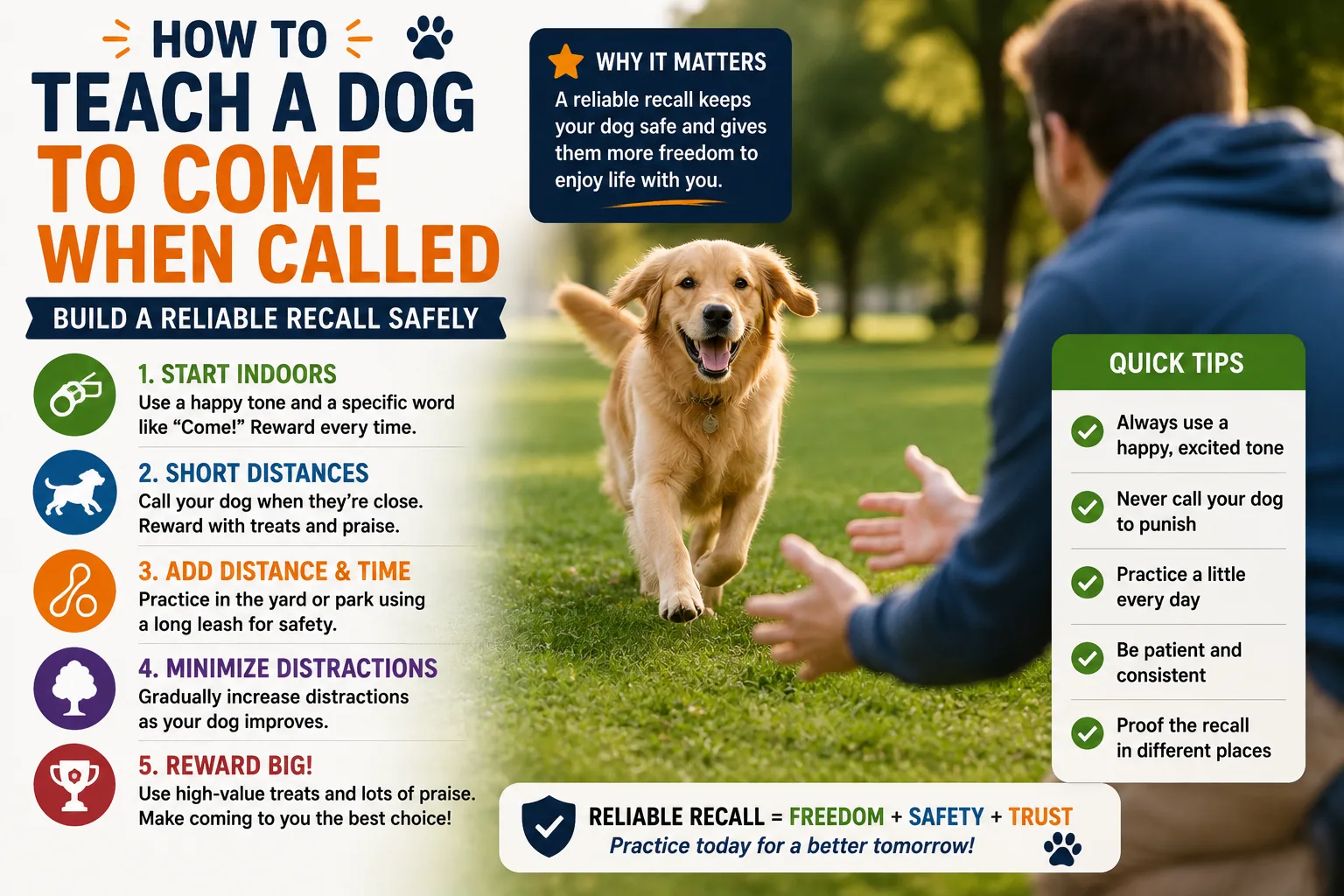
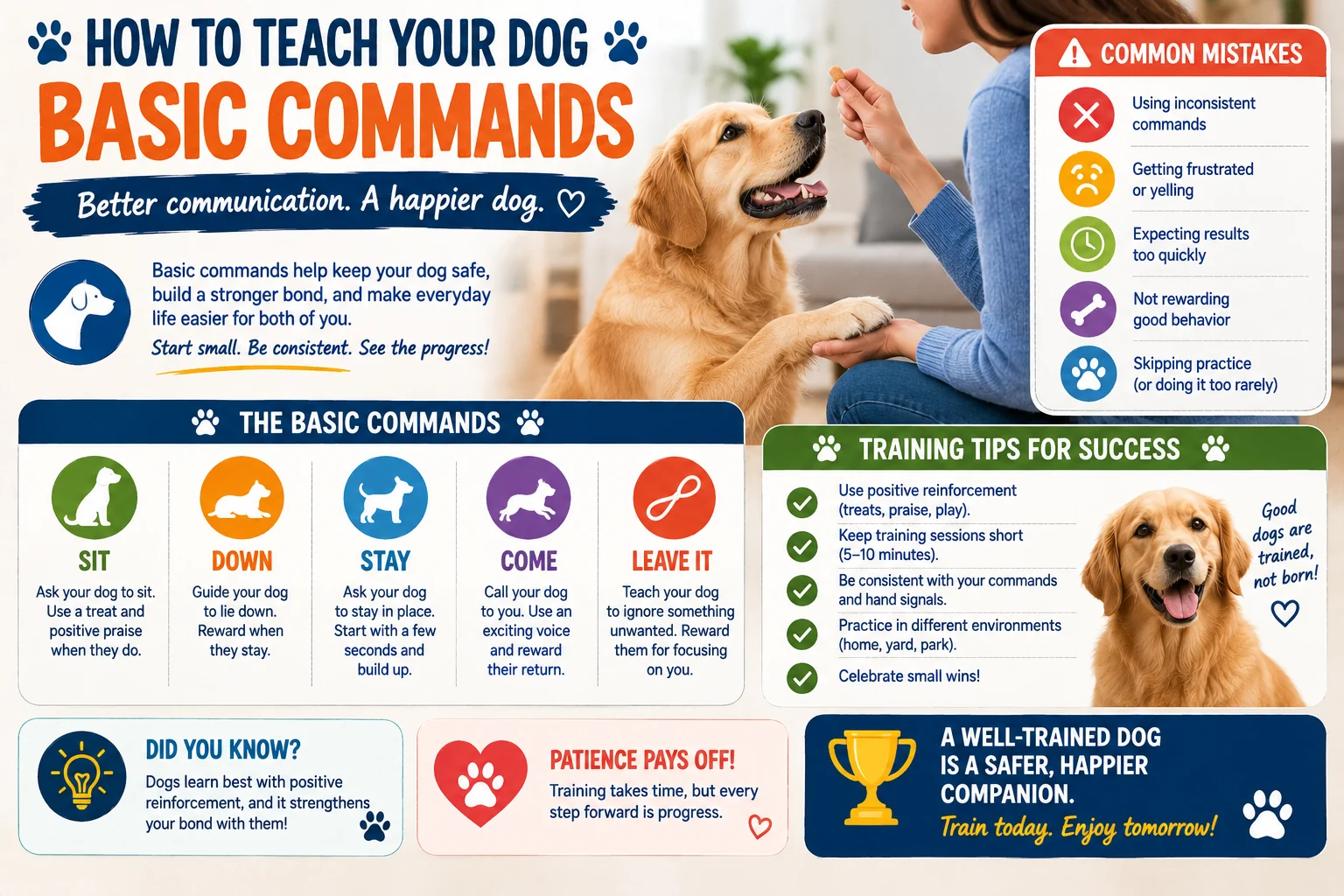
Recall is a safety skill built through reinforcement and careful practice. It should be trained in easy environments before it is ever trusted arou...
Dogs are not born knowing that leash tension should matter. Loose-leash walking becomes reliable when slack consistently produces movement, sniffin...
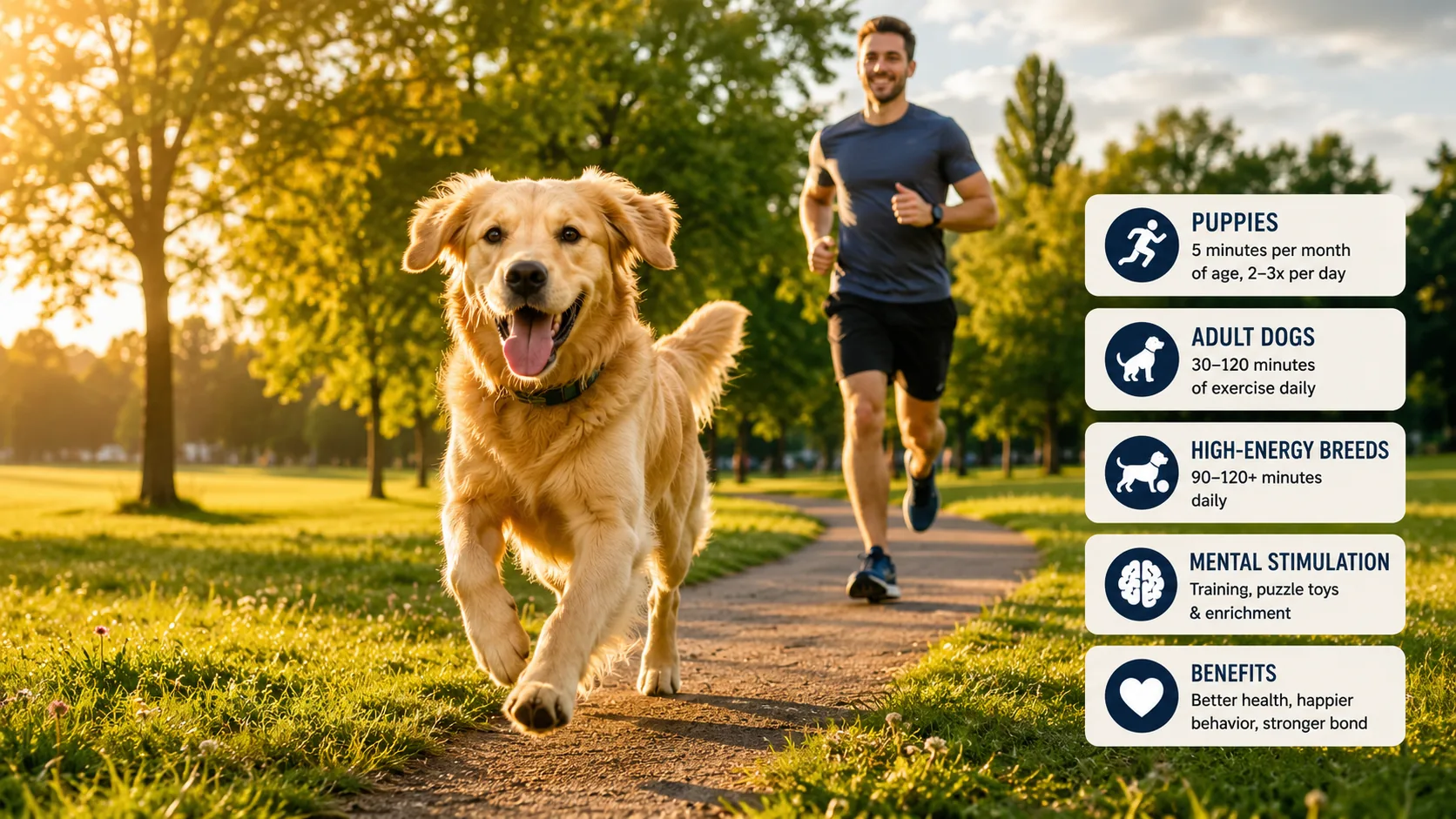
Exercise needs vary enormously between dogs. Age, fitness, health, weather, body condition and activity type matter more than a universal daily-min...
Socialization means helping a puppy feel safe and capable around the world, not forcing greetings. Calm observation and positive experiences are mo...
Storm fear is an emotional response, not disobedience. Thunder, wind, rain, lightning and other storm cues can trigger anything from mild uneasines...
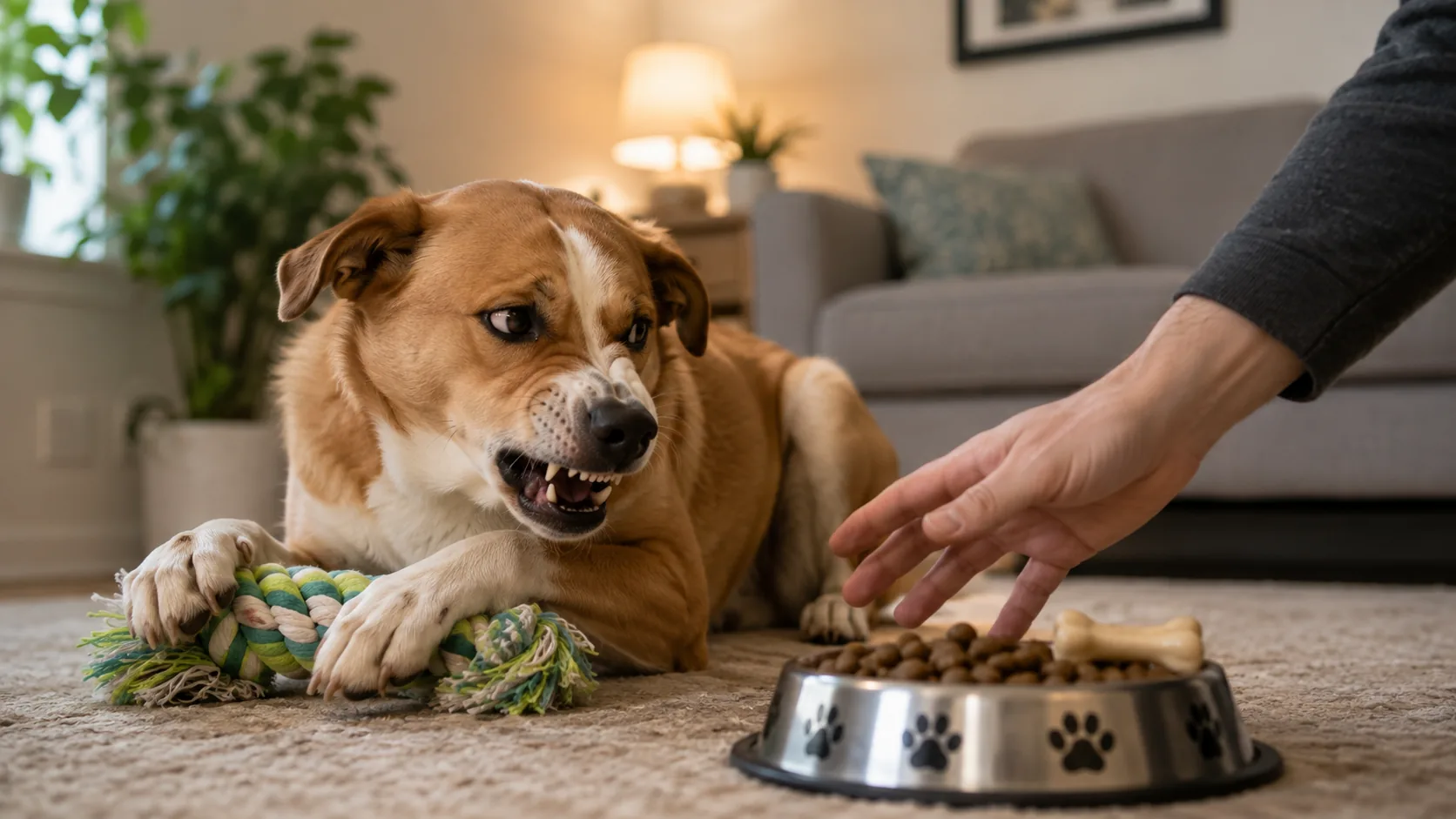
Resource guarding is a safety issue in which a dog tries to keep others away from something valuable. Growling is warning information and should no...
A practical guide to how to introduce a new dog to your home, with low-stress management, reward-based training, common mistakes, body-language clu...
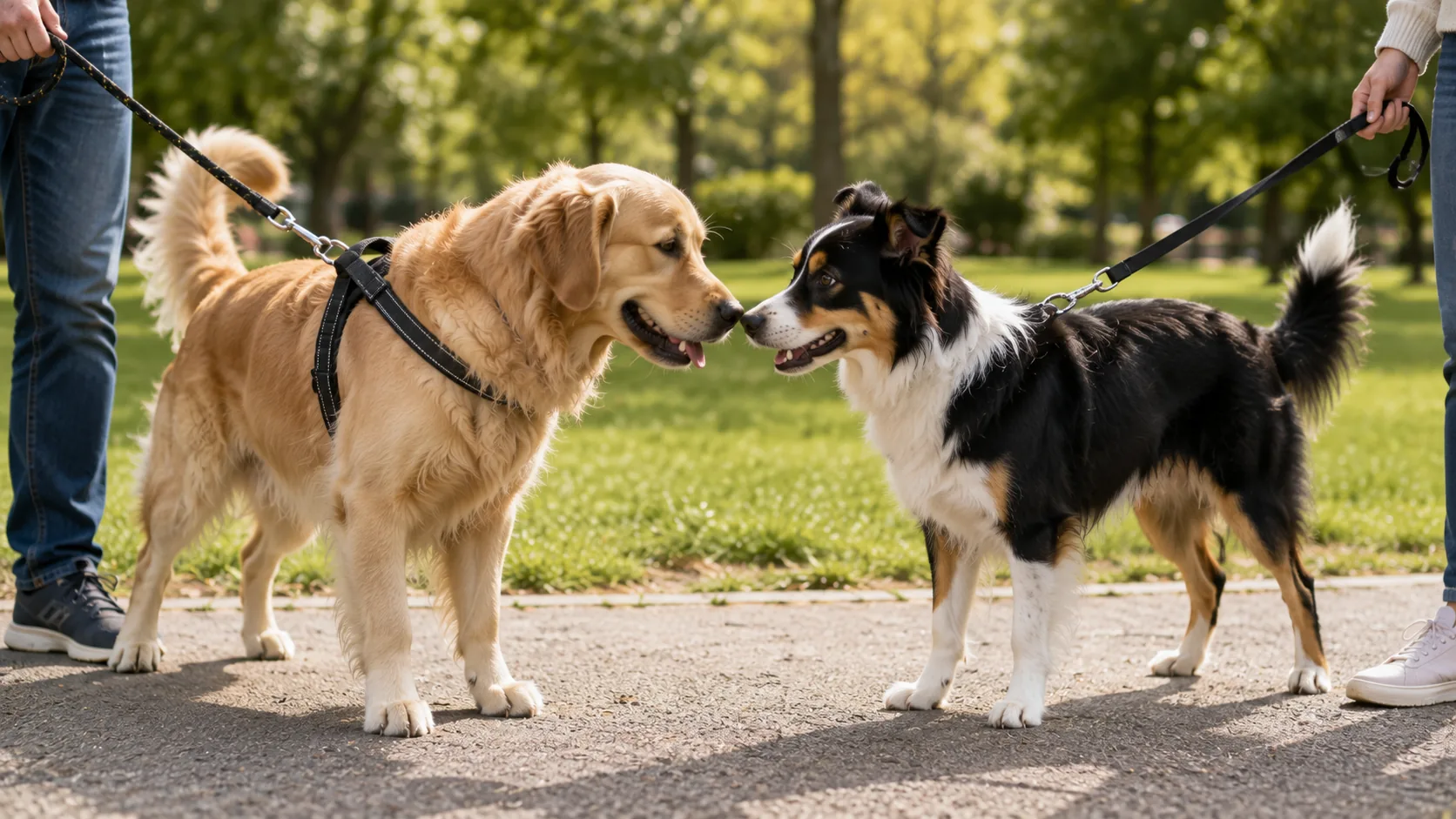
A practical guide to how to introduce two dogs safely, with low-stress management, reward-based training, common mistakes, body-language clues, and...
A practical guide to how to introduce a dog to a cat, with low-stress management, reward-based training, common mistakes, body-language clues, and...
A practical guide to how to help a rescue dog settle in, with low-stress management, reward-based training, common mistakes, body-language clues, a...
A practical guide to how to stop a dog from chewing furniture, with low-stress management, reward-based training, common mistakes, body-language cl...
A practical guide to why does my dog dig, with low-stress management, reward-based training, common mistakes, body-language clues, and signs that v...
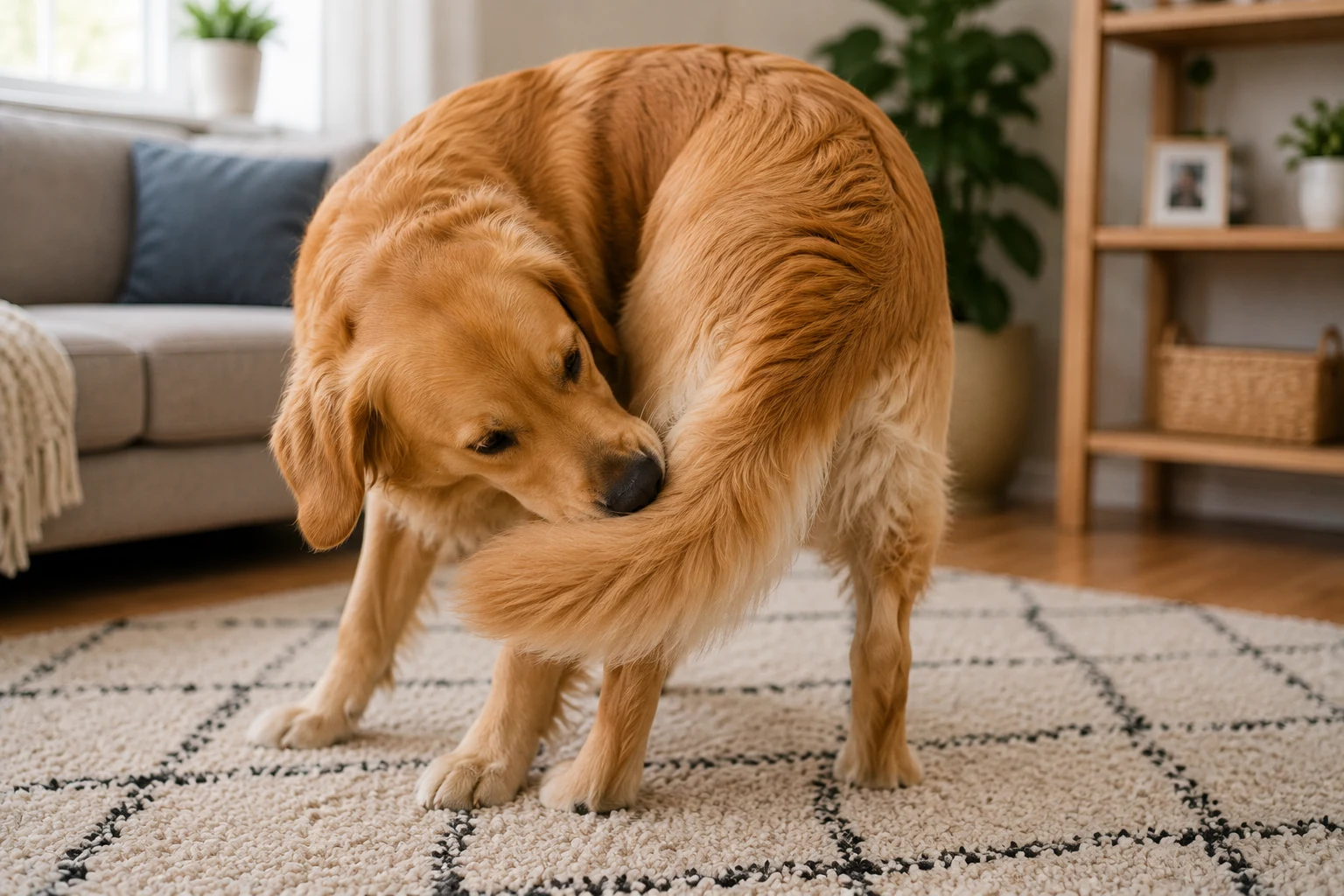
A practical guide to why does my dog chase his tail, with low-stress management, reward-based training, common mistakes, body-language clues, and s...
A practical guide to why does my dog follow me everywhere, with low-stress management, reward-based training, common mistakes, body-language clues...
A practical guide to why does my dog stare at me, with low-stress management, reward-based training, common mistakes, body-language clues, and sign...
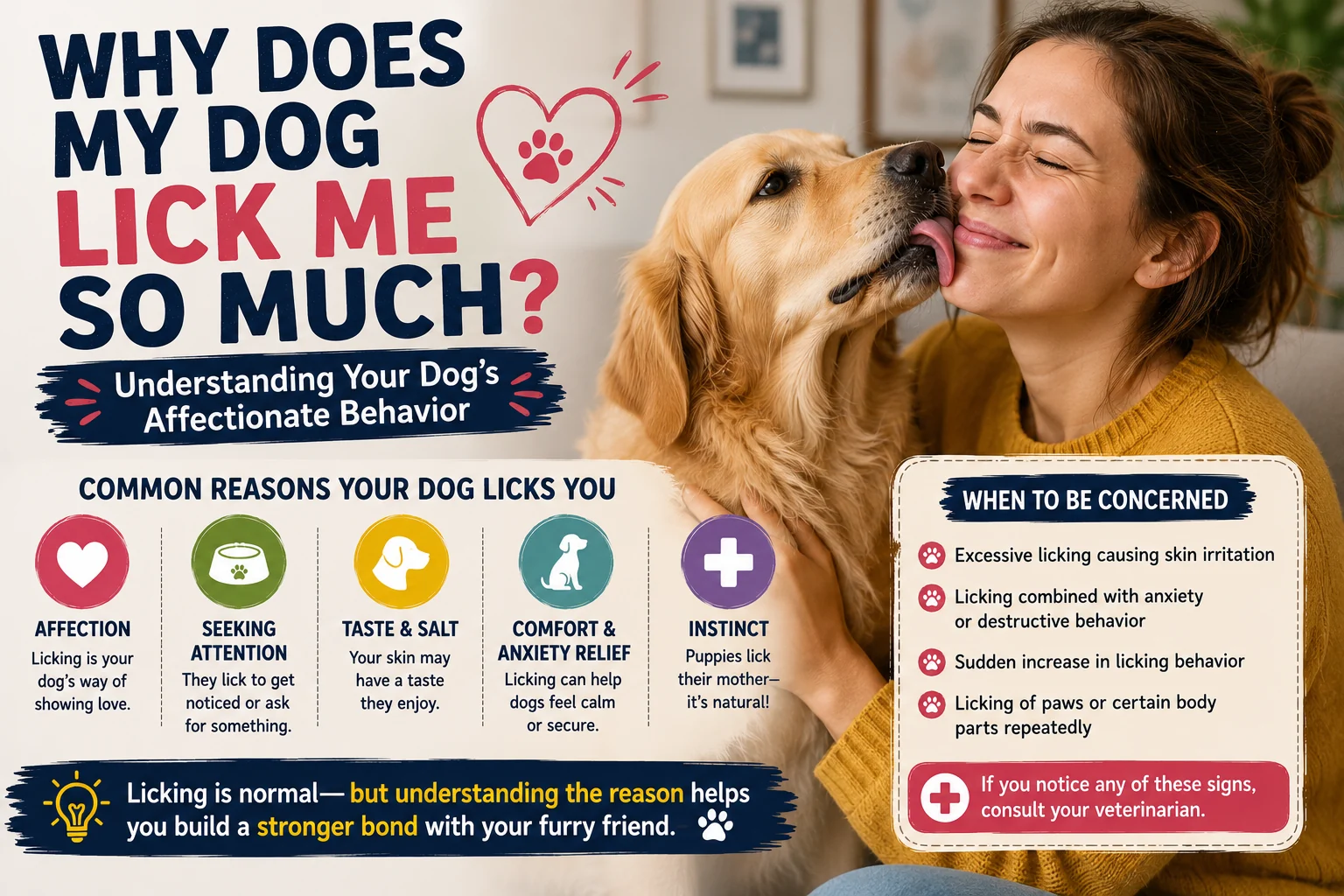
A practical guide to why does my dog lick me so much, with low-stress management, reward-based training, common mistakes, body-language clues, and...
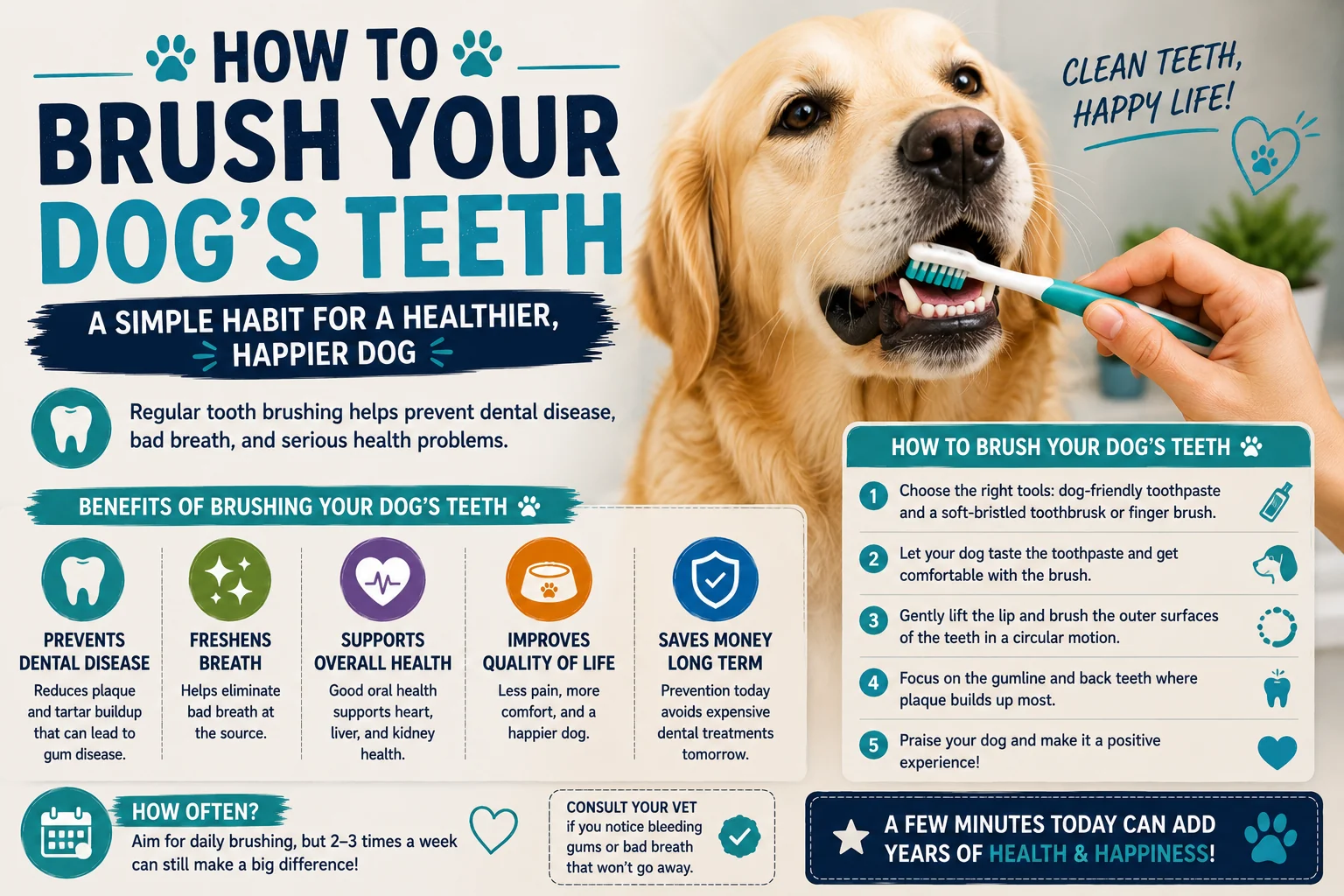
Learn how to introduce tooth brushing gradually, choose dog-safe dental products, recognize mouth pain, and know when home care is not enough.
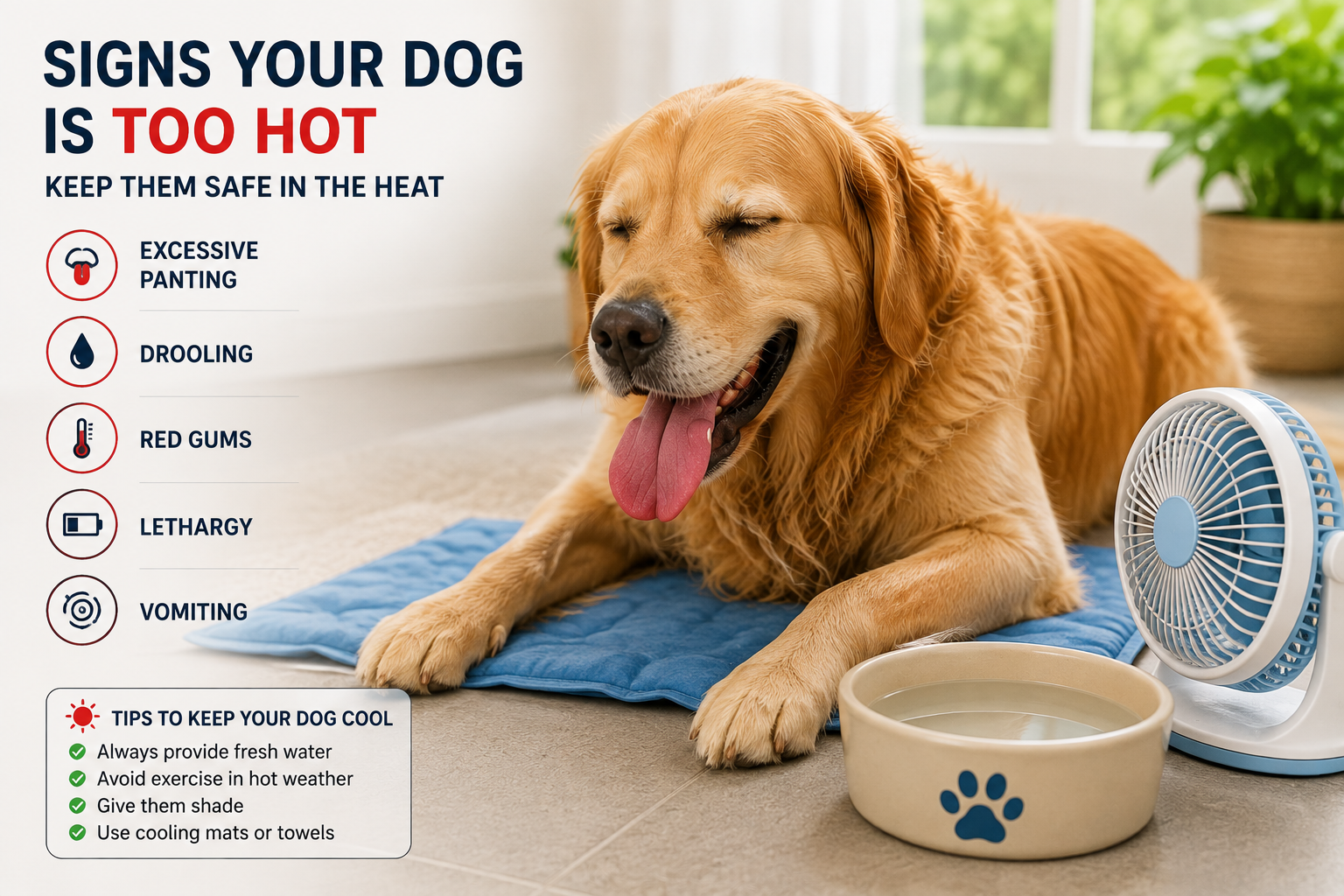
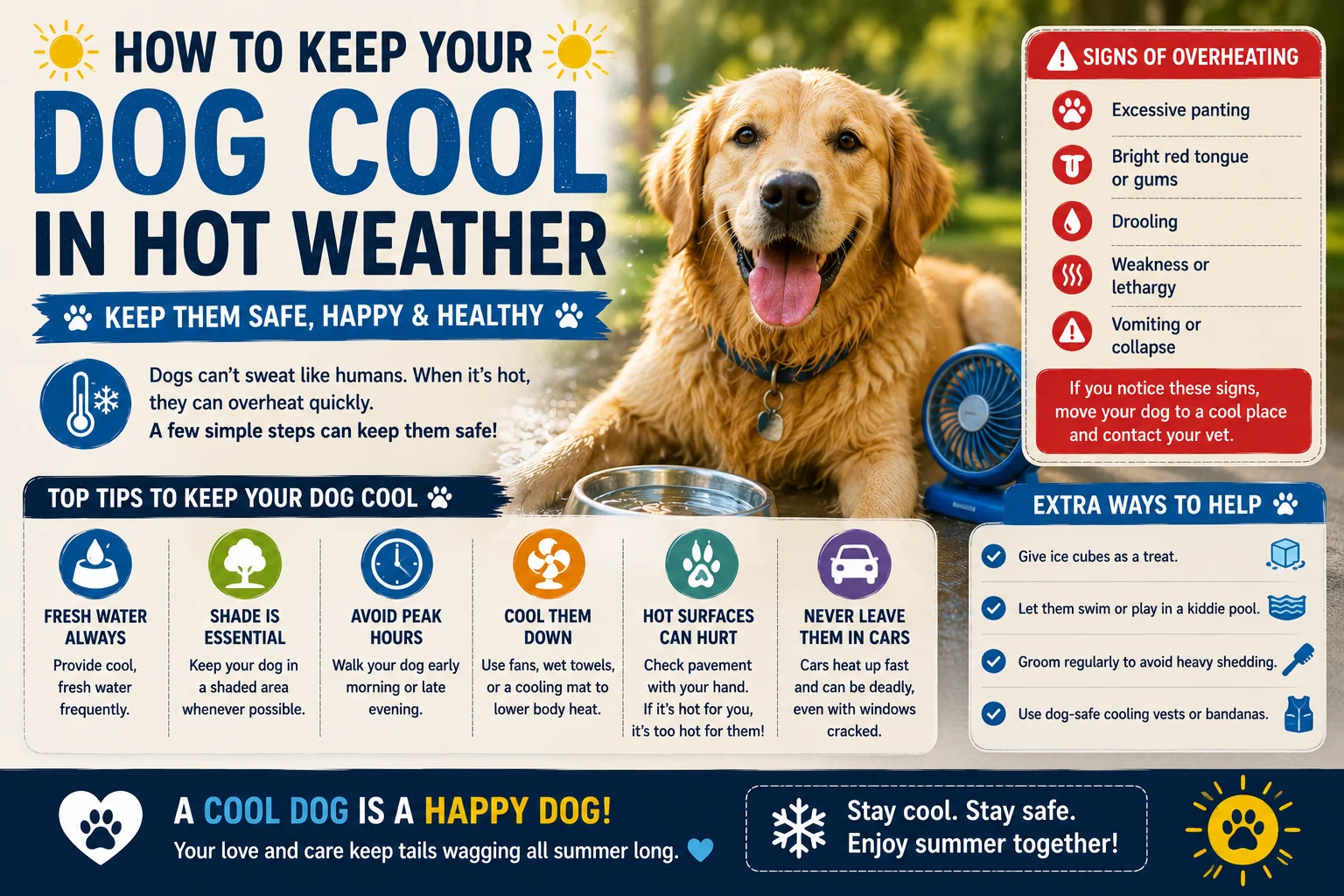
A practical hot-weather safety guide covering walks, shade, water, cooling, high-risk dogs, and the warning signs of heatstroke.
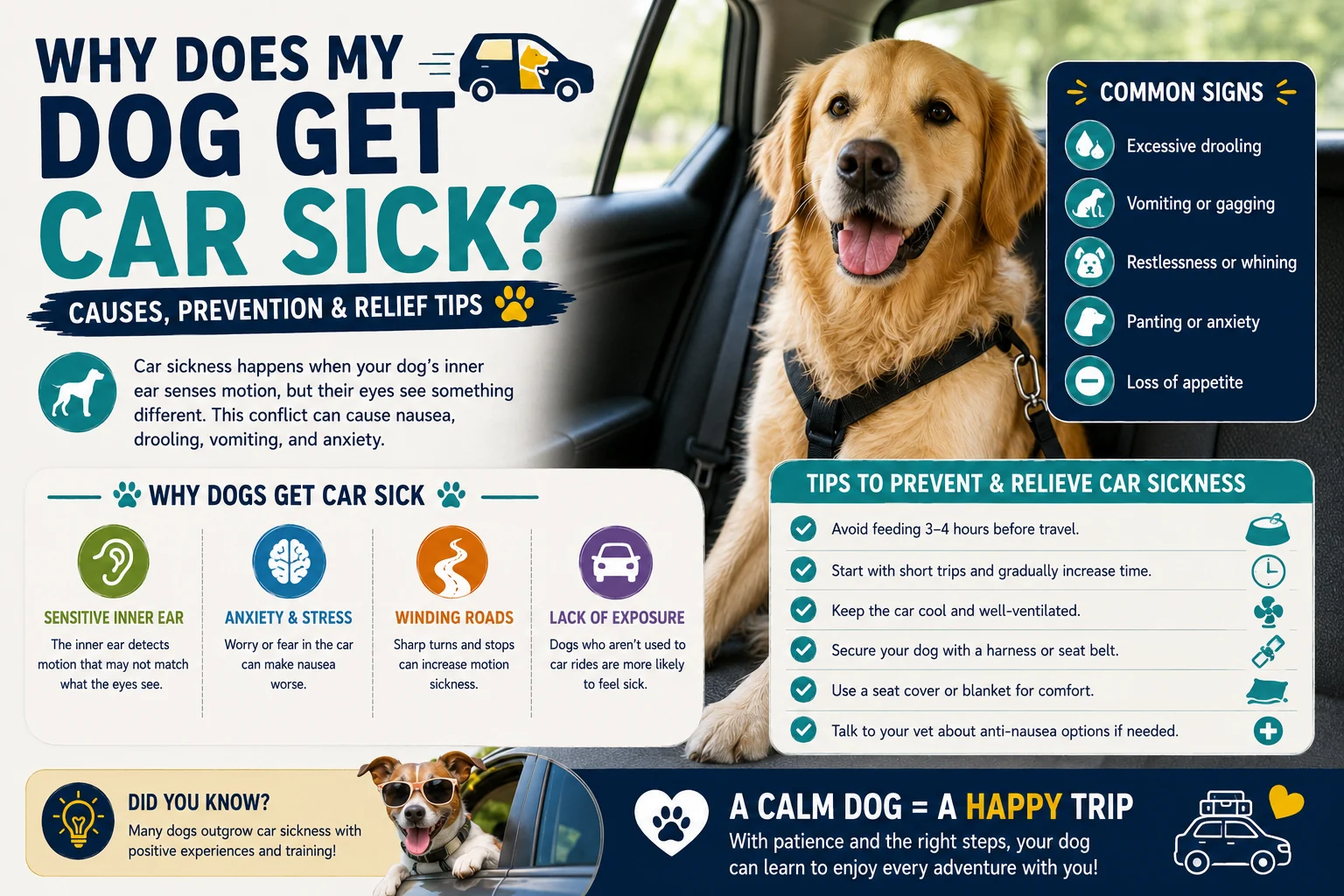
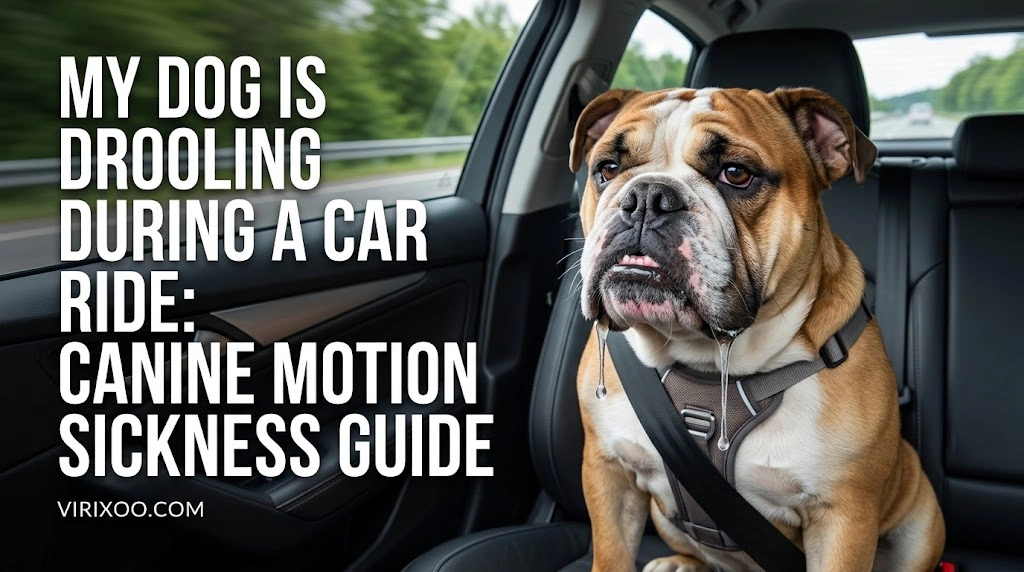
Learn why dogs may drool, vomit, whine, or feel nauseated in the car and how gradual travel practice plus veterinary guidance can make rides easier.
Create a safer fireworks plan with secure indoor management, noise reduction, low-stress conditioning, and veterinary support for severe fear.
Reduce veterinary-visit stress with carrier or car practice, cooperative handling, low-pressure waiting, useful rewards, and early professional sup...
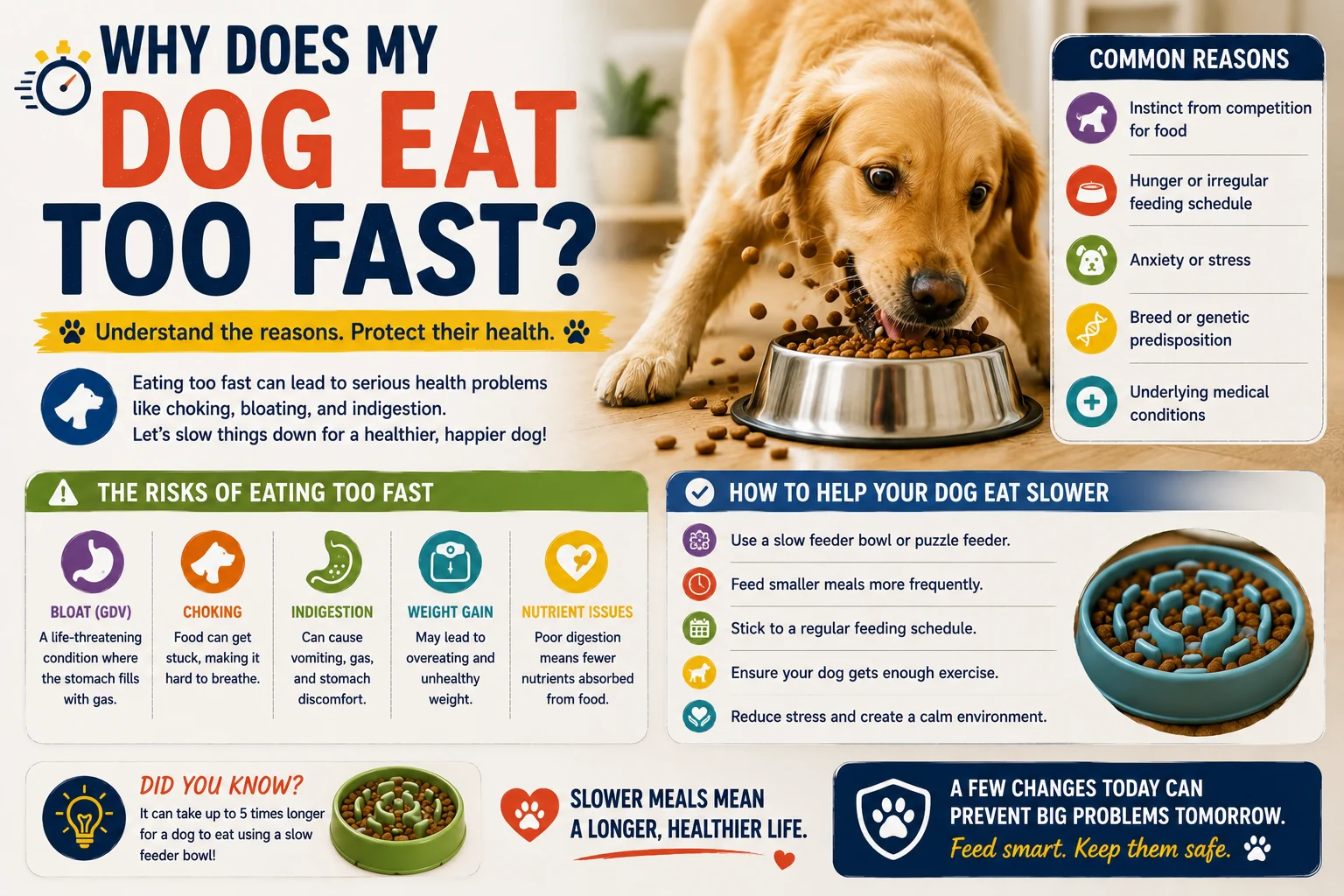
Understand why dogs gulp food, how to slow meals safely, when vomiting or regurgitation matters, and what sudden hunger changes can mean.
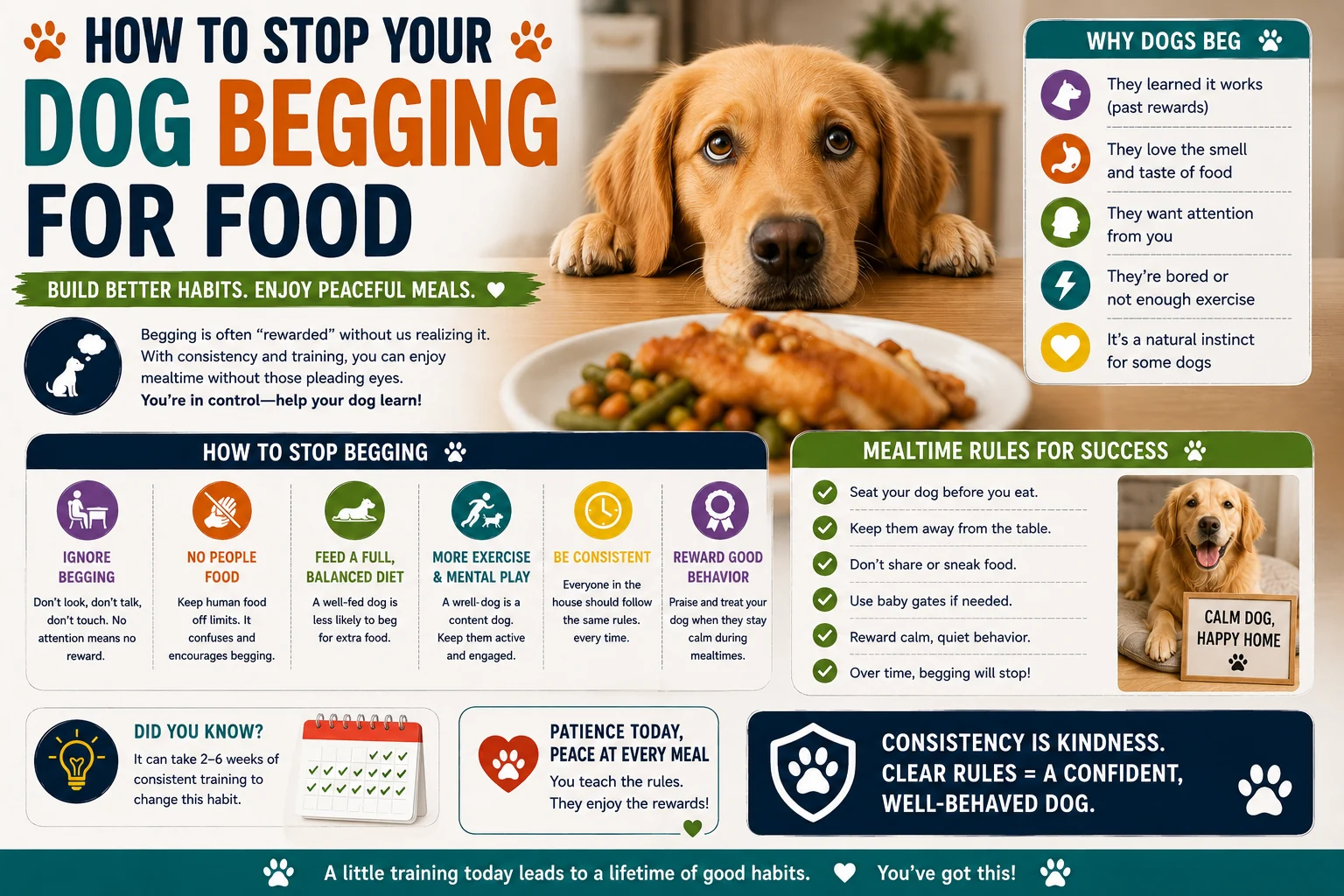
Learn why begging persists, how family responses reinforce it, and how to teach a calm alternative while protecting healthy weight.
Choose safer chew toys by matching size, strength, material, and supervision to your dog’s chewing style while recognizing dental and swallowing ha...
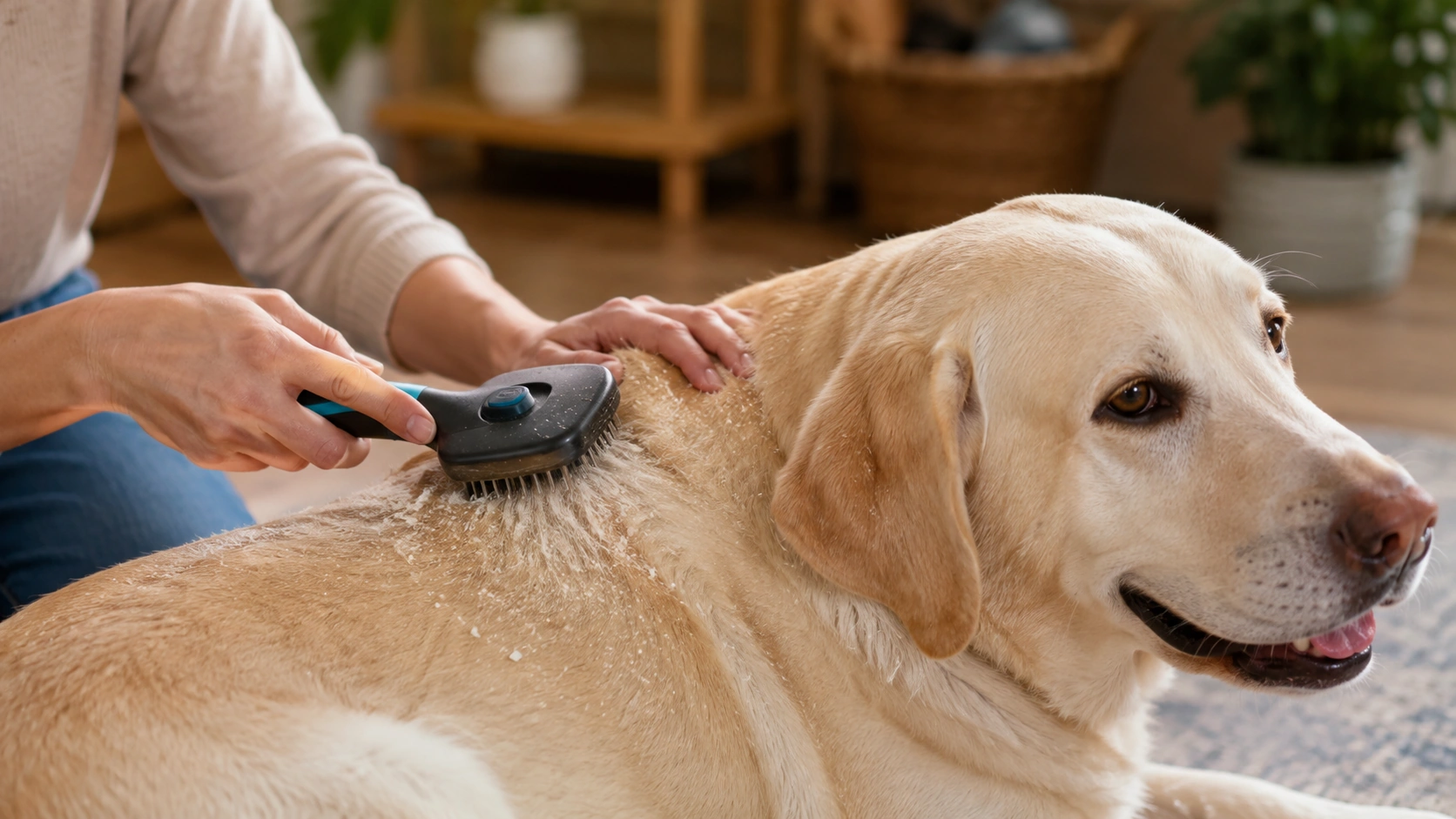
Learn how to choose a grooming routine for your dog’s coat, remove loose hair gently, prevent mats, and recognize shedding that may signal skin dis...
Night waking can reflect routine, toilet needs, discomfort, anxiety, thirst, aging, or illness. Learn what patterns to track and when to call a vet.
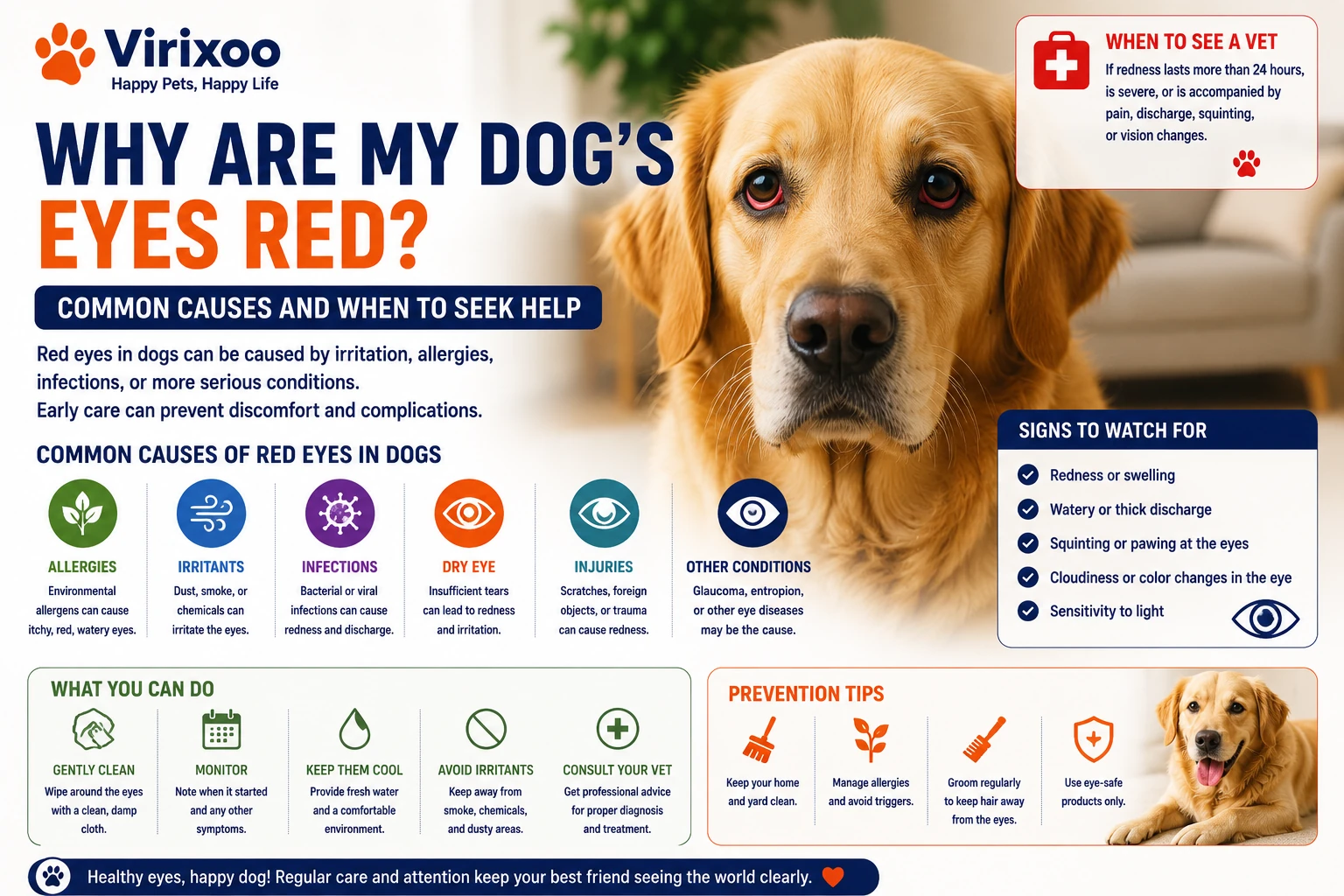
Red eyes in dogs can come from irritation, conjunctivitis, dry eye, injury, glaucoma, uveitis, or other eye disease.
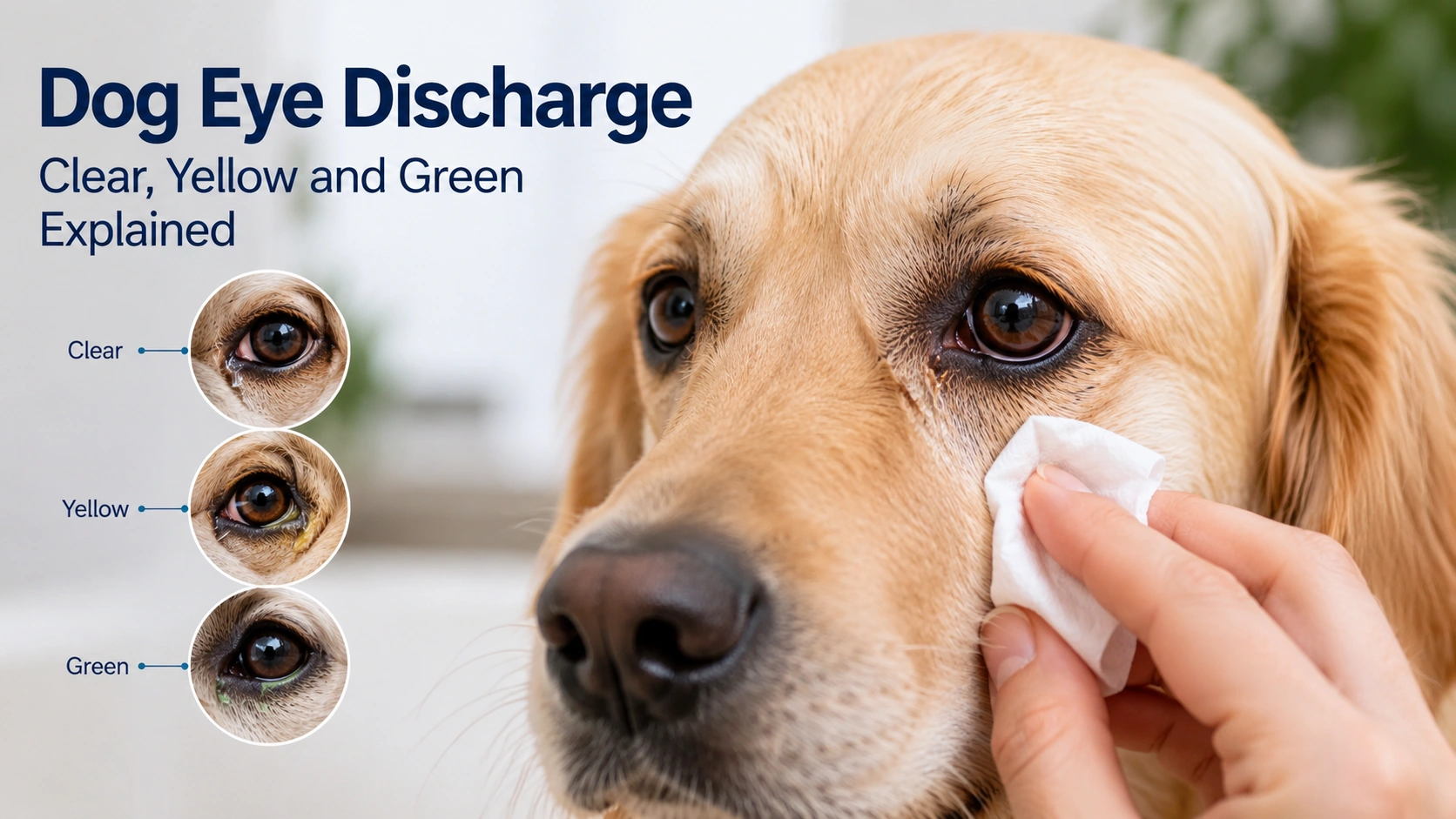
Dog eye discharge may be harmless tear debris or a sign of irritation, infection, dry eye, injury, eyelid problems, or other disease.
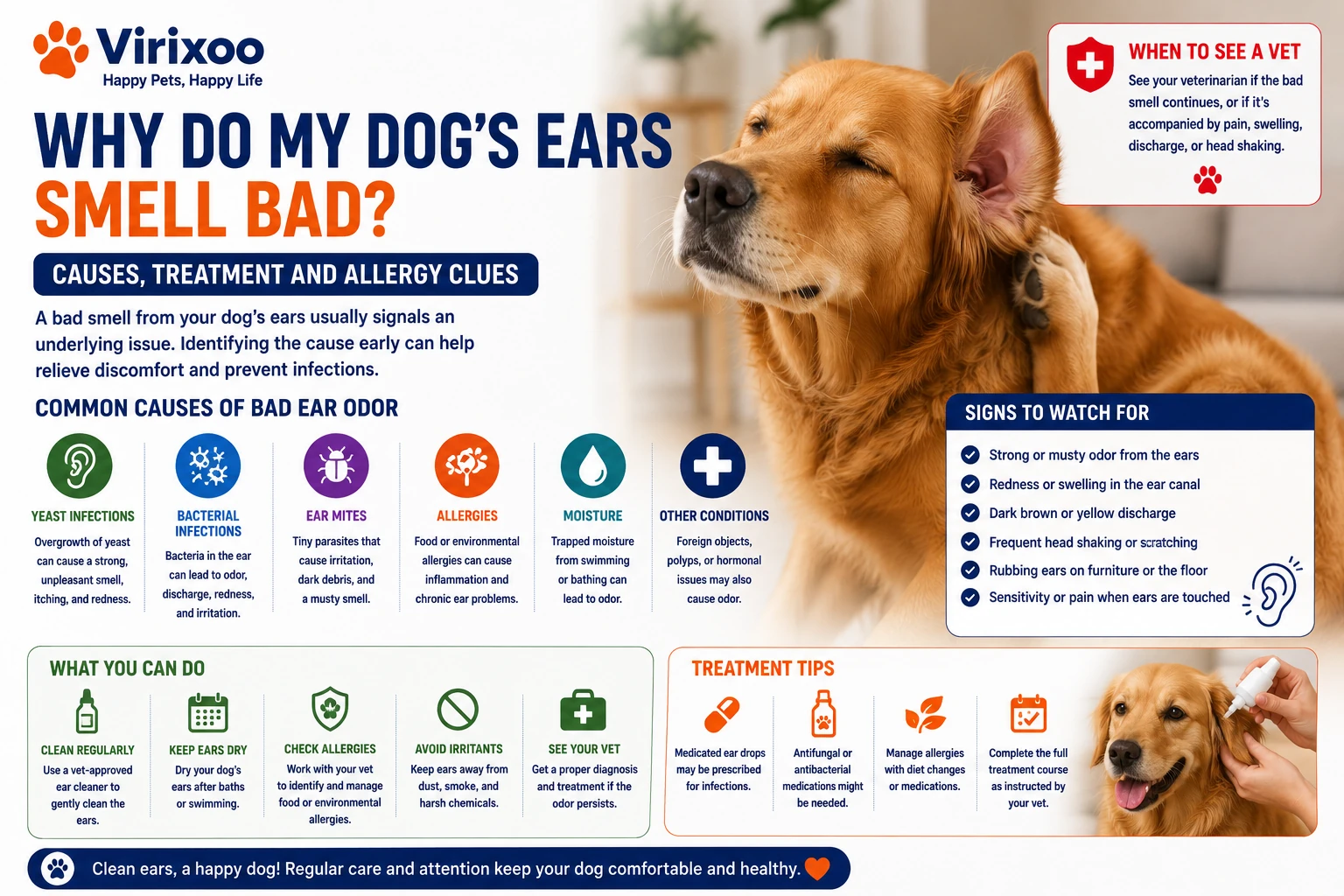
A strong ear odor can accompany yeast or bacterial overgrowth, inflammation, moisture, allergies, parasites, or foreign material.
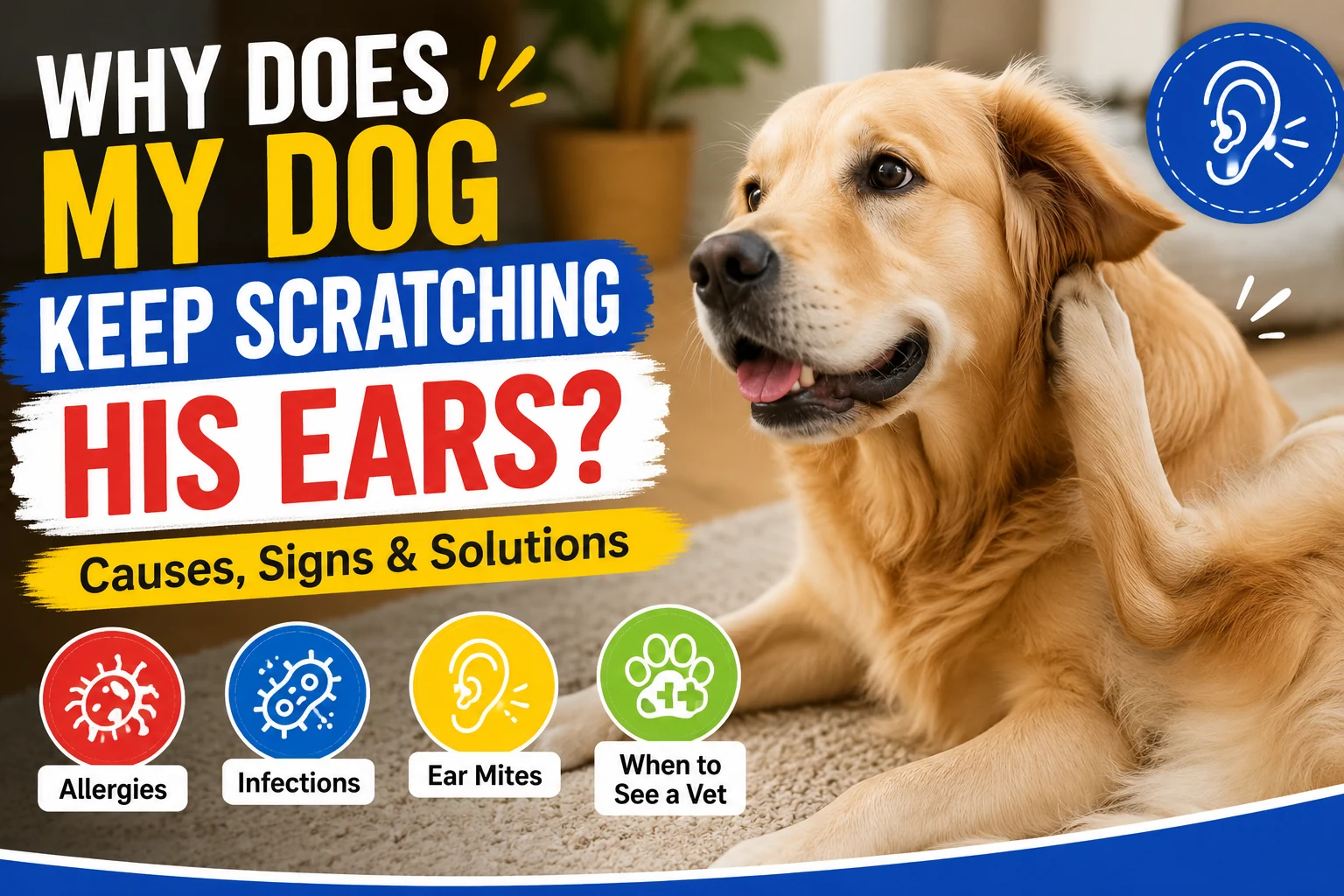
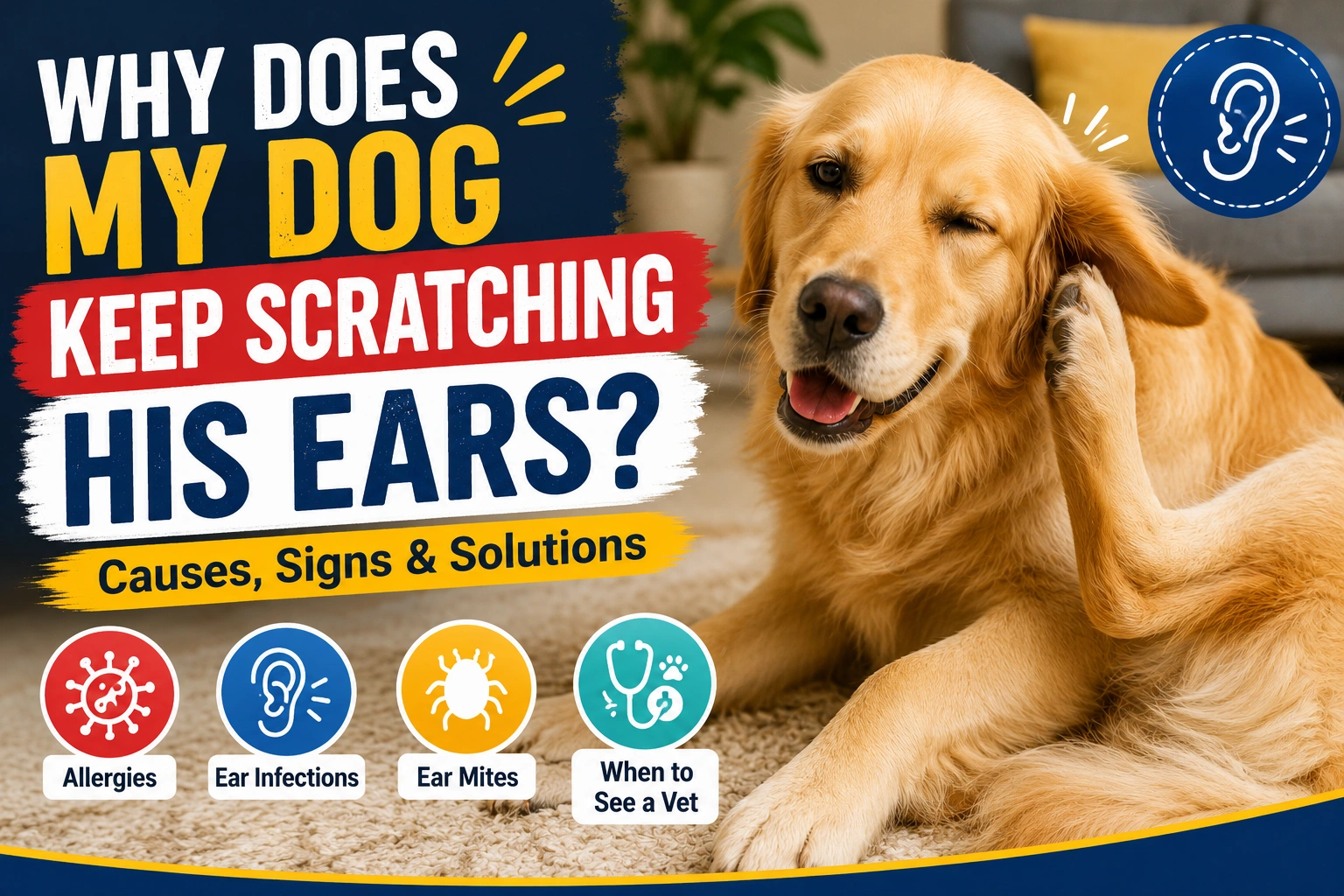
Frequent ear scratching can signal infection, allergy, parasites, moisture, foreign material, or irritation.
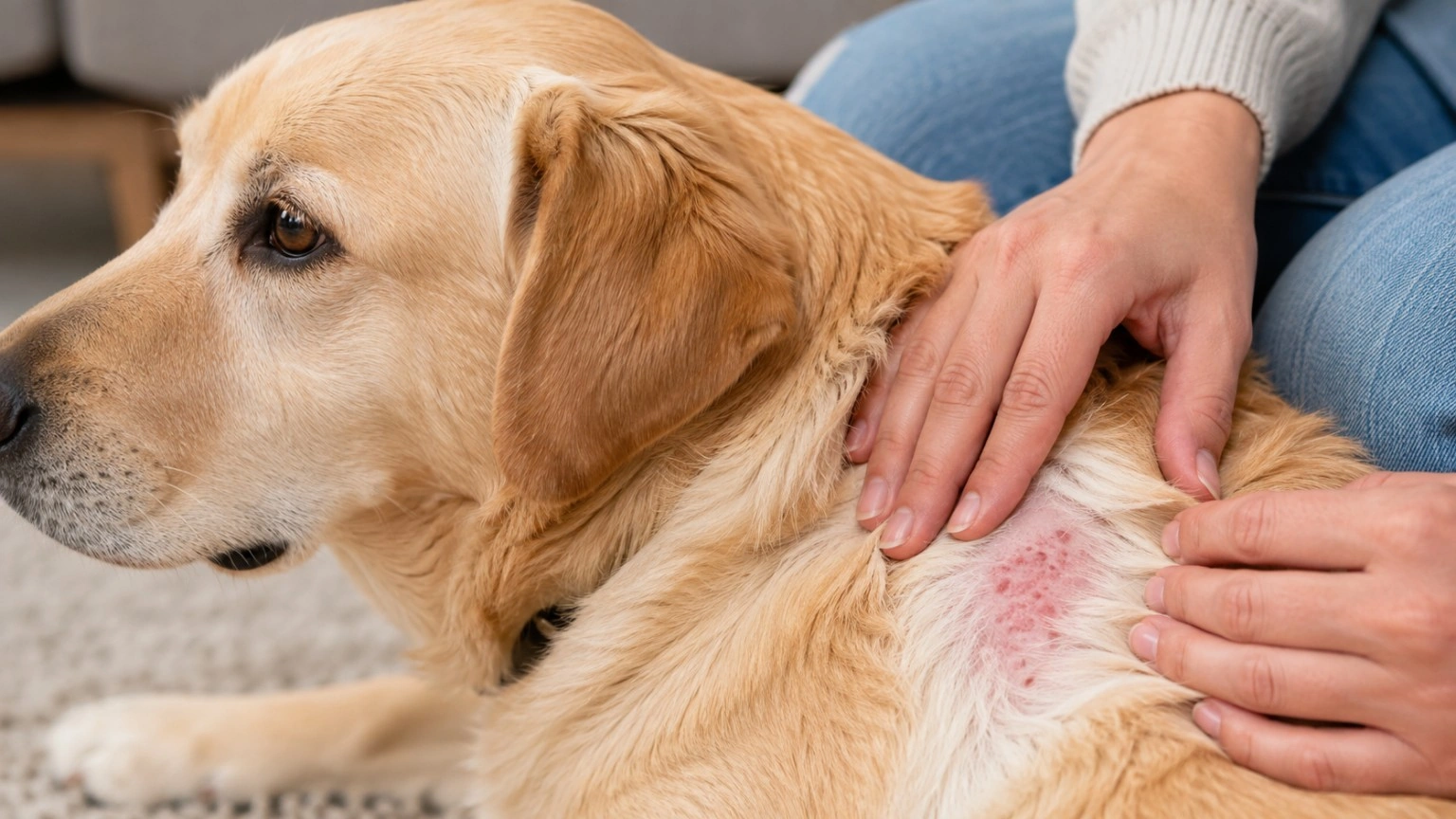
Dog rashes can be caused by allergies, parasites, infections, contact irritation, insect bites, moisture, or underlying disease.
White flakes in a dog's coat can reflect dry skin, seborrhea, allergies, parasites, infection, grooming issues, or underlying disease.
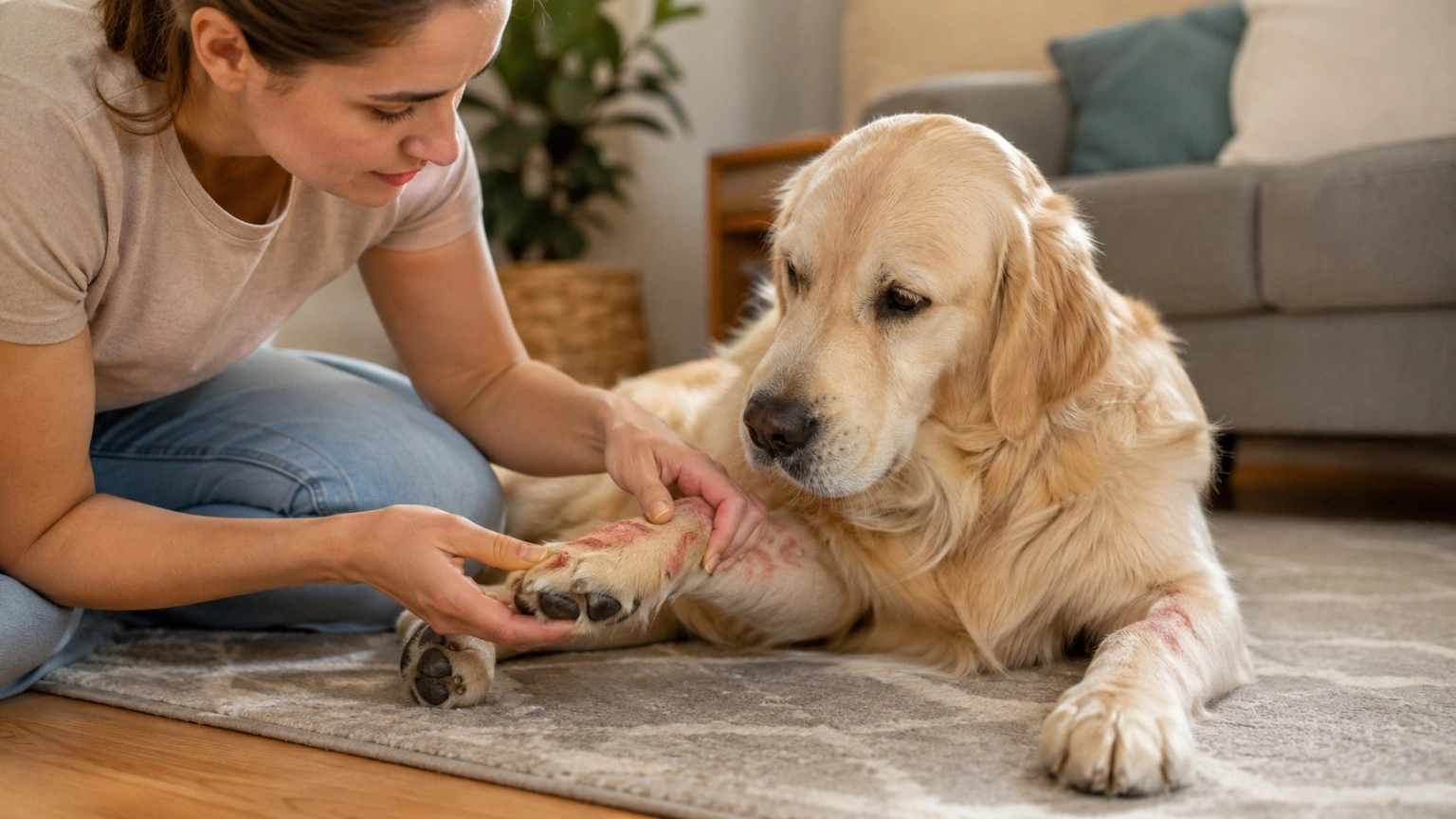
Dogs with allergies often develop itchy skin, paw licking, recurring ear trouble, inflamed skin, or sometimes digestive signs.
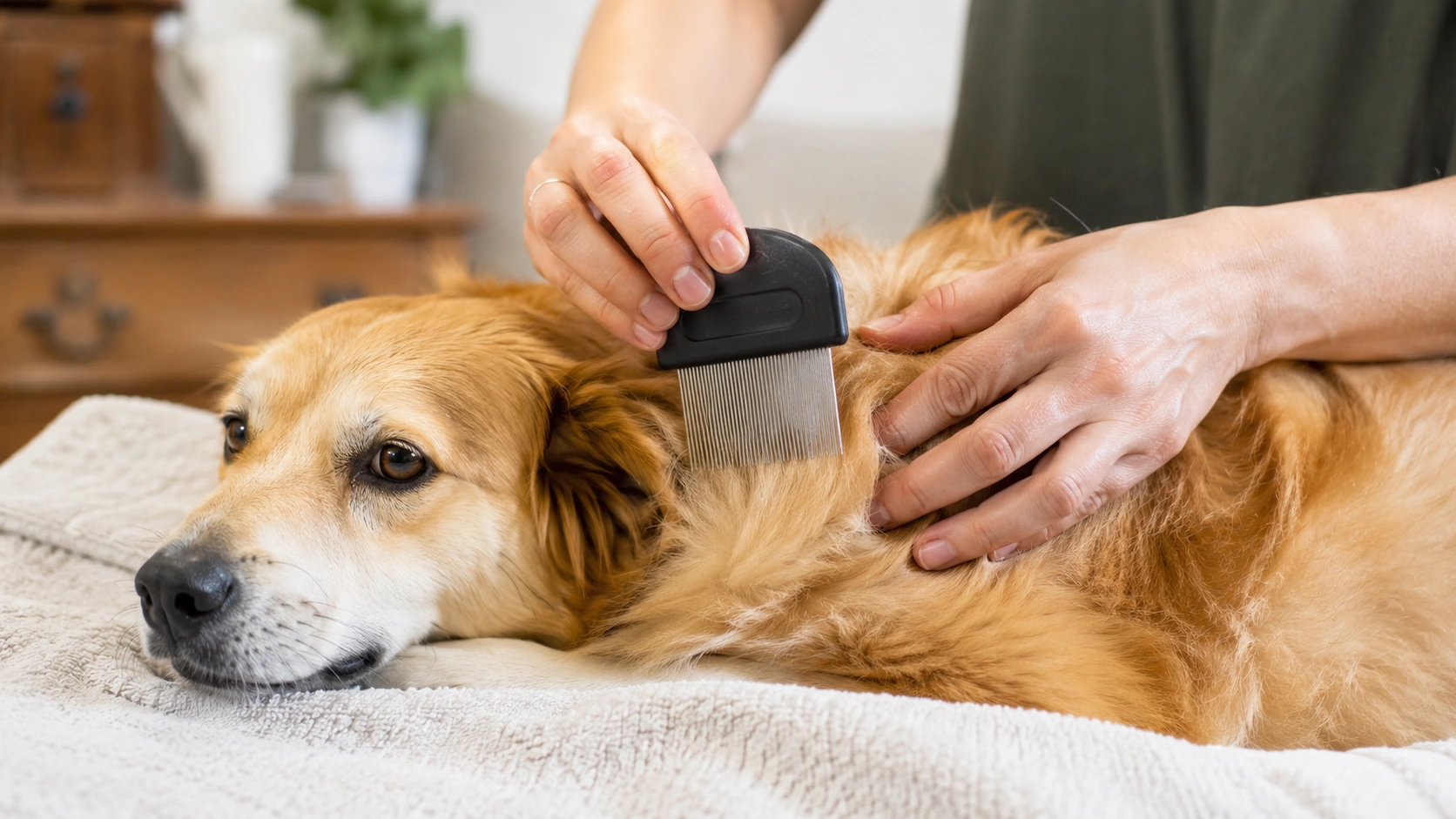
Learn how to look for fleas and flea dirt, where fleas often hide, and why persistent itching may need veterinary treatment.
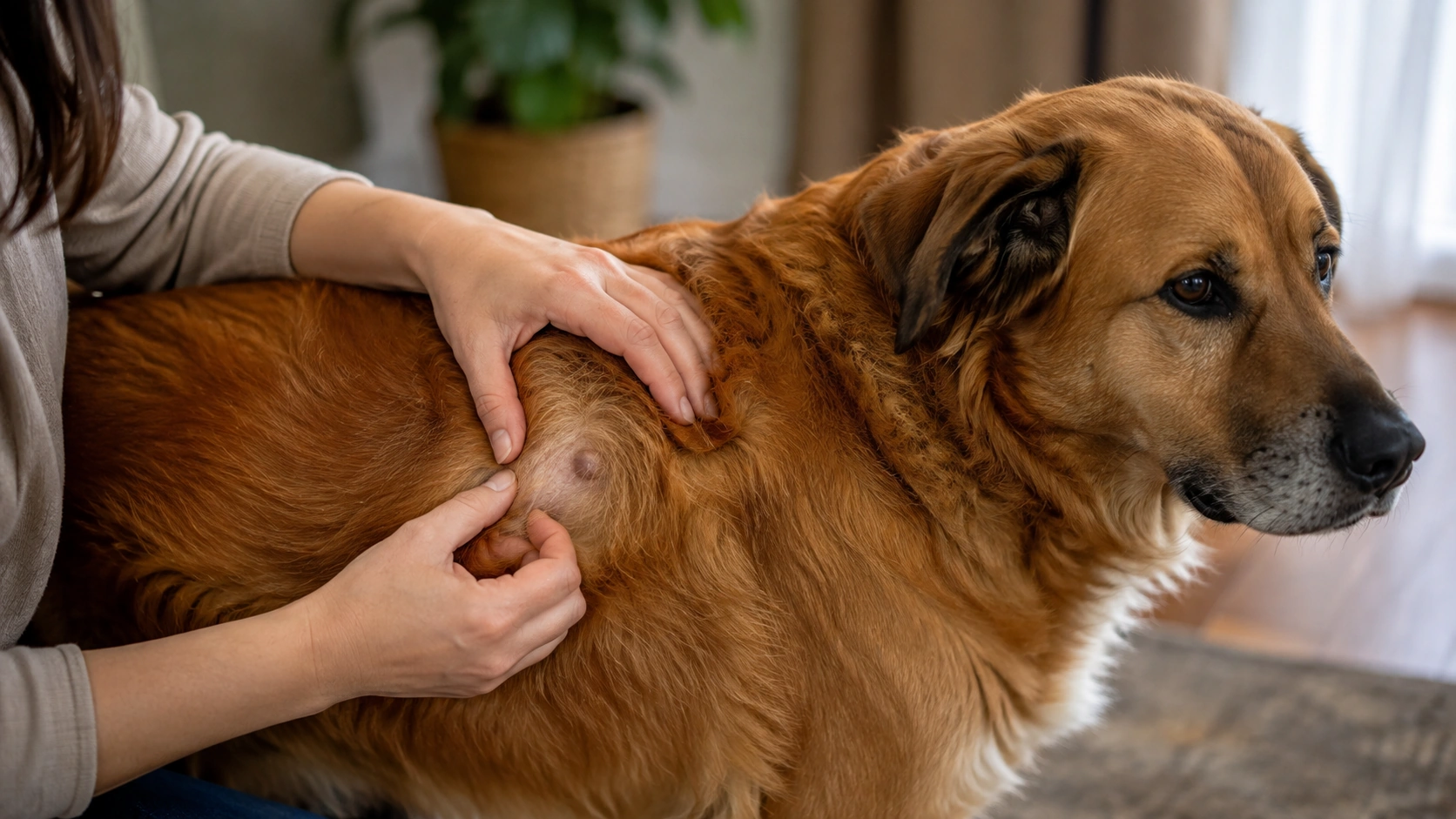
Lumps in dogs can be benign or serious, and appearance alone cannot reliably identify them. Learn what to record and why sampling is often needed.
Fast breathing at rest can occur with heat, stress or recent activity, but persistent rapid breathing may also reflect pain, fever, heart or lung d...
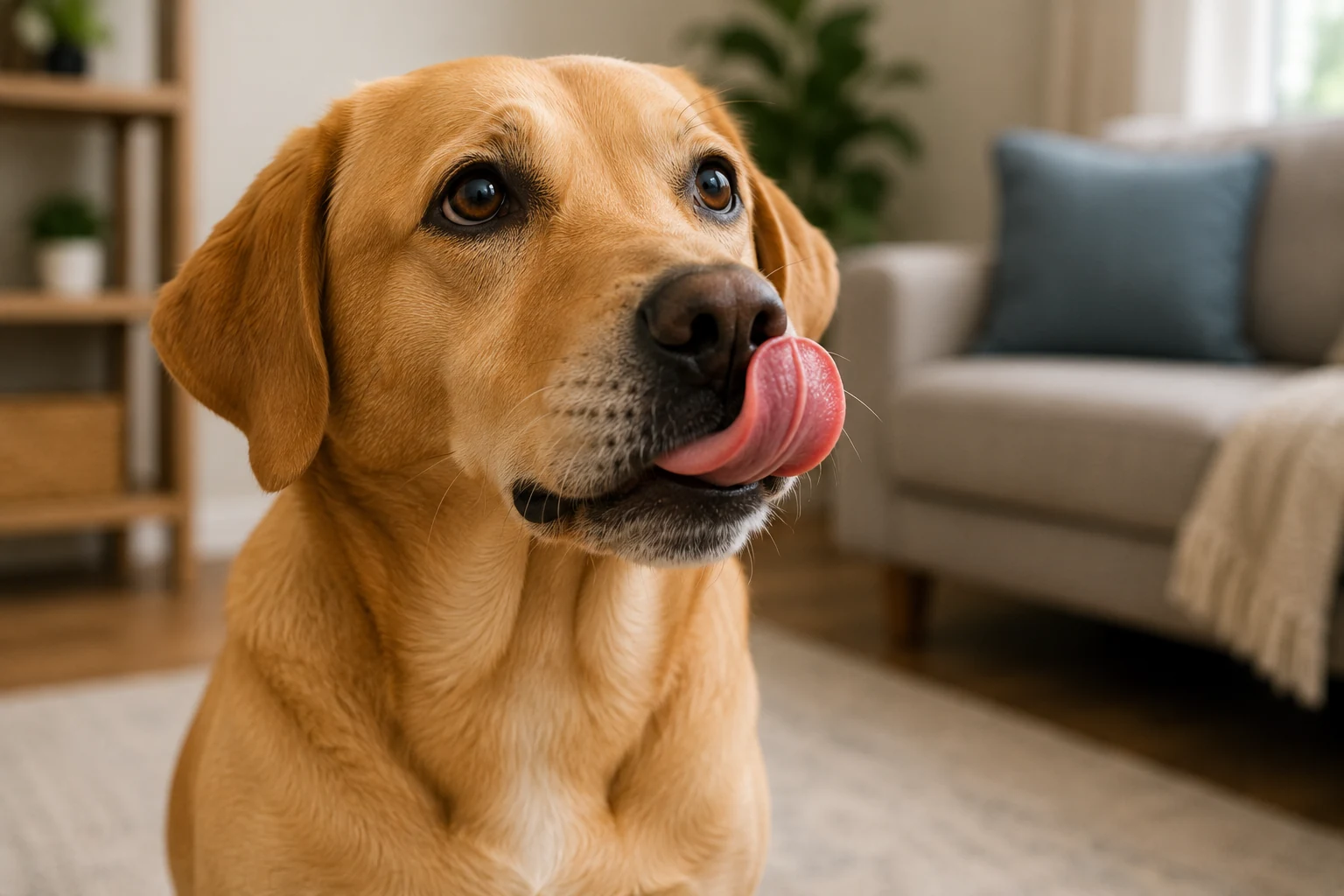
Repeated lip licking can be a normal response to food, but it may also accompany nausea, stress, dental pain, mouth irritation, or swallowing disco...
Frequent yawning can be normal around rest, but dogs may also yawn during stress, discomfort, medication effects, or illness.
Circling before lying down is often normal nesting behavior, but repeated compulsive circling, imbalance, or confusion can signal pain or neurologi...
Sleeping under the bed can provide darkness, quiet and security, but a sudden new hiding habit can also reflect fear, pain, or illness.
Teeth chattering may occur with excitement or cold, but it can also accompany dental pain, nausea, scent investigation, or neurologic problems.
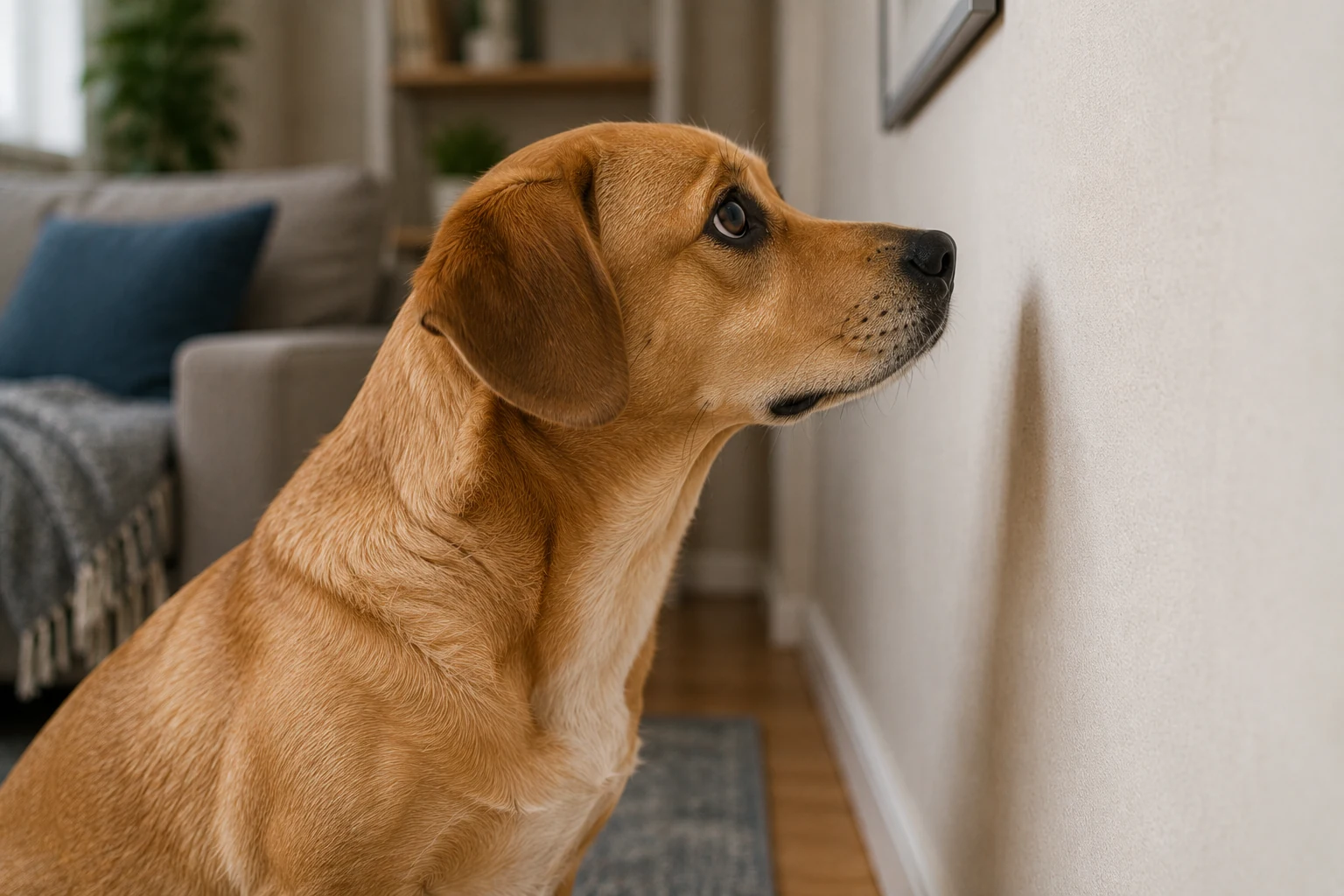
A dog may stare at a wall because of a sound or scent, but persistent staring with confusion, circling, head pressing, or behavior change deserves...
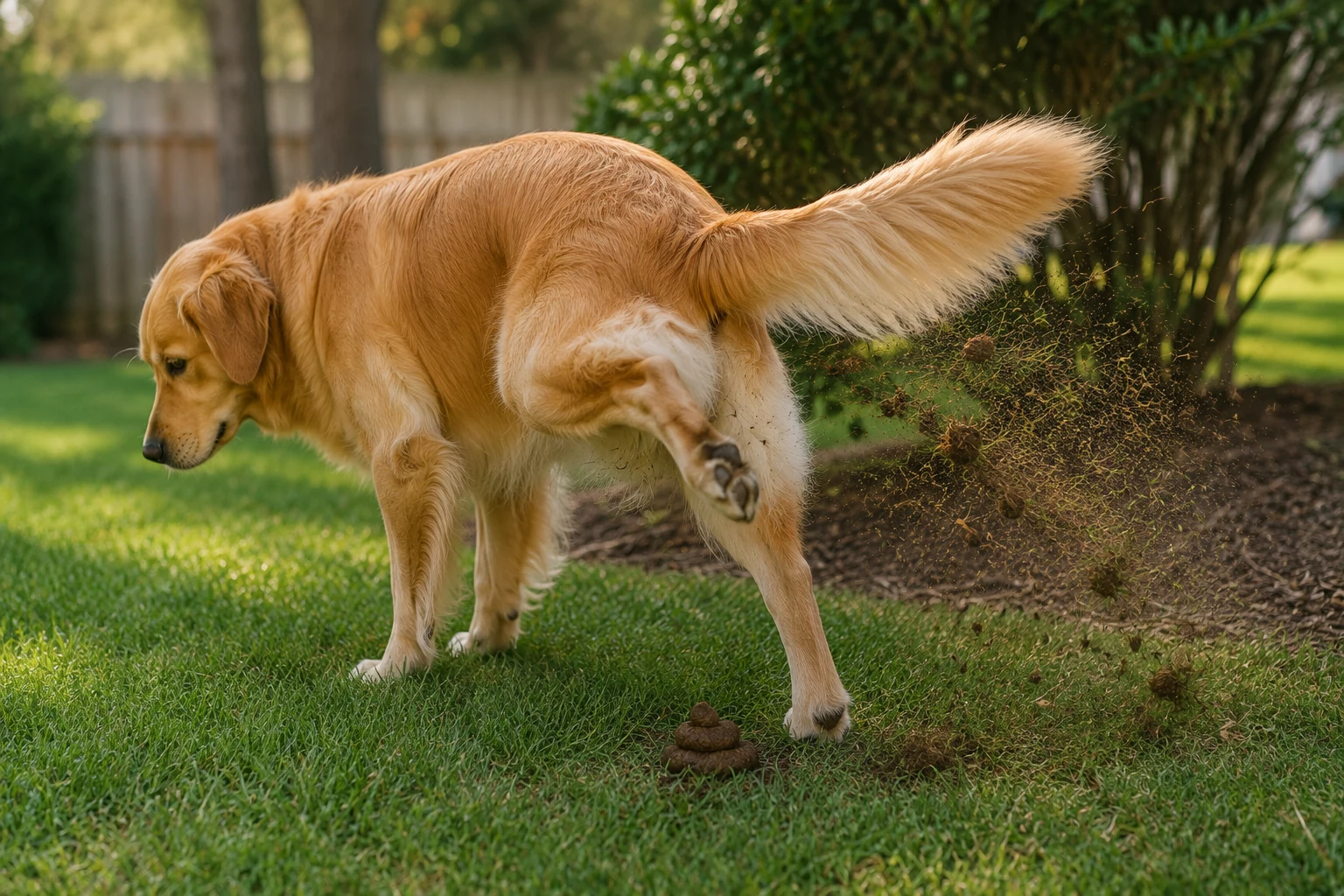
Kicking the ground after toileting is usually normal scent-marking behavior that spreads visual and scent signals from the paws.
Rolling onto the back can mean relaxation, play, a request for interaction, or an attempt to reduce social pressure. Body language determines the m...
Sitting on your feet is often about closeness, warmth, habit, or security rather than dominance.
Floor licking can begin with food smells or exploration, but persistent surface licking can also accompany nausea, stress, oral discomfort, or repe...
Bringing toys is often a social invitation, learned attention-seeking behavior, or a way for a dog to share an exciting object.
Leaning against a person can reflect closeness, comfort, attention seeking, or a desire for security, but sudden leaning with weakness or imbalance...
Pawing can be a learned way to ask for attention, food, play, access, or reassurance. Context and reinforcement shape how often it occurs.
Sighing is often a normal part of settling and relaxation, but repeated sighing with breathing effort, coughing, pain, or lethargy deserves attention.
Clothes carry familiar scent and softness, making laundry an appealing resting place for many dogs.
Scratching or digging at bedding before sleep is often a normal nesting routine, but destructive or frantic digging can reflect stress or discomfort.
Hiding or burying treats can be a normal food-caching behavior, especially when a dog is not ready to eat the item immediately.
A dog may briefly lift one lip while investigating a scent or communicating discomfort, but persistent one-sided lip lifting can also accompany den...
A full-body shake when dry can occur after stretching, waking, excitement, or a mildly stressful interaction and is often normal.
Rear-end sniffing is a normal canine greeting because scent carries information about identity, reproductive status, health, and recent activity.
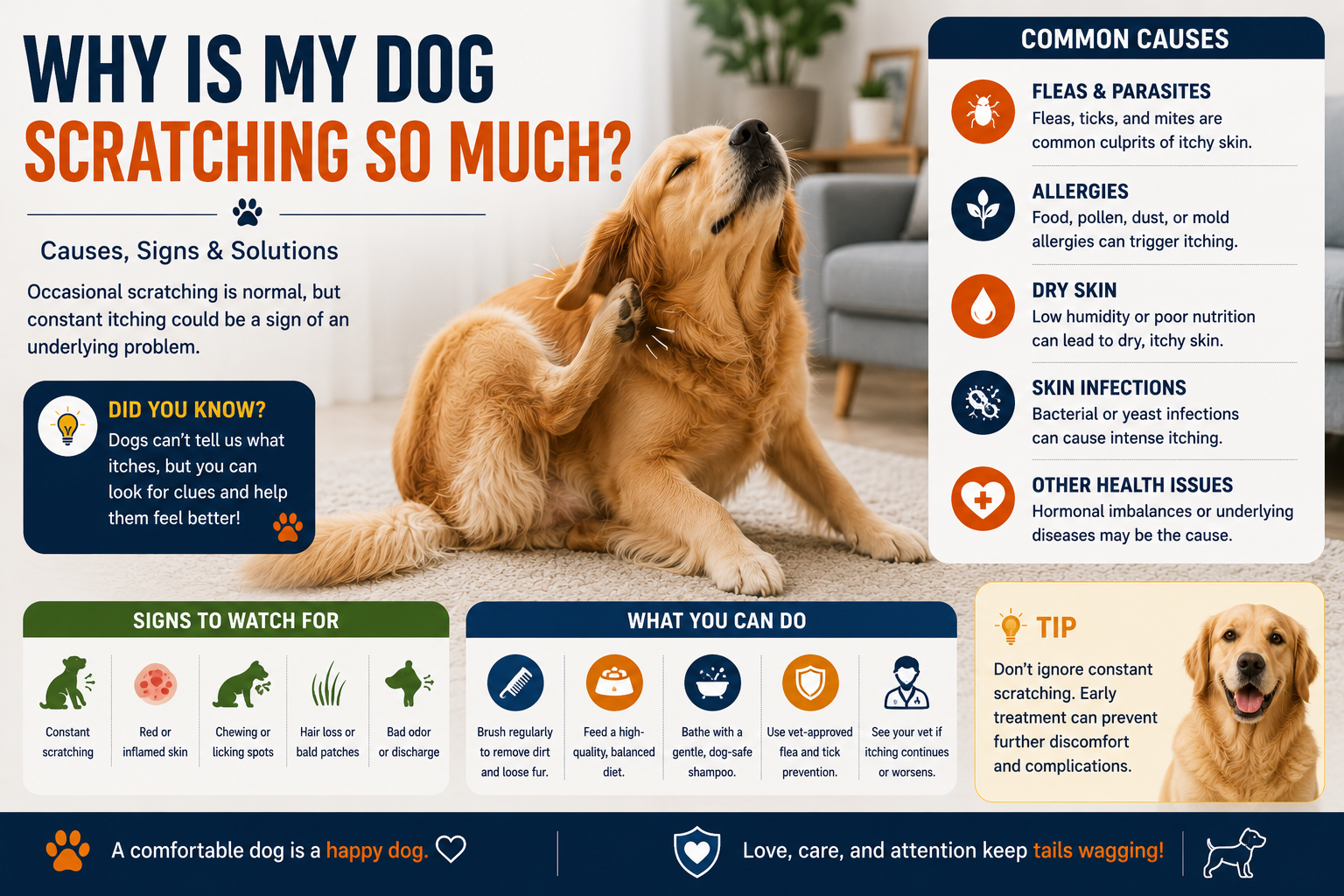
Learn why dogs scratch excessively, how fleas, allergies, infections and irritation differ, what to check safely at home, and when a vet visit is n...
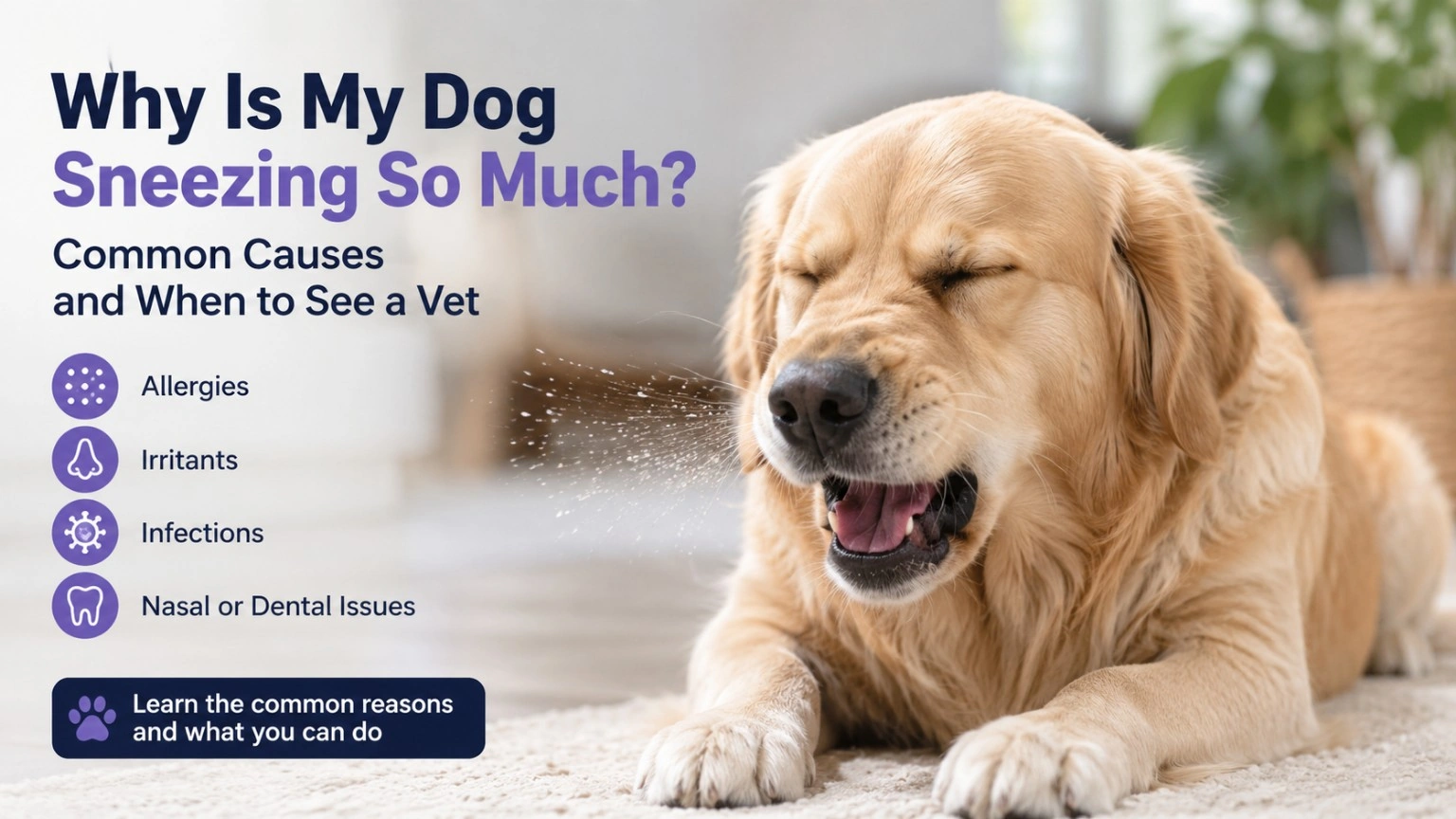
Learn why dogs sneeze repeatedly, how irritants, allergies, infection and nasal foreign material differ, and which signs need prompt veterinary care.
Learn how to recognize true lethargy in dogs, common causes, what symptoms to track, what you can do safely, and when low energy needs urgent veter...
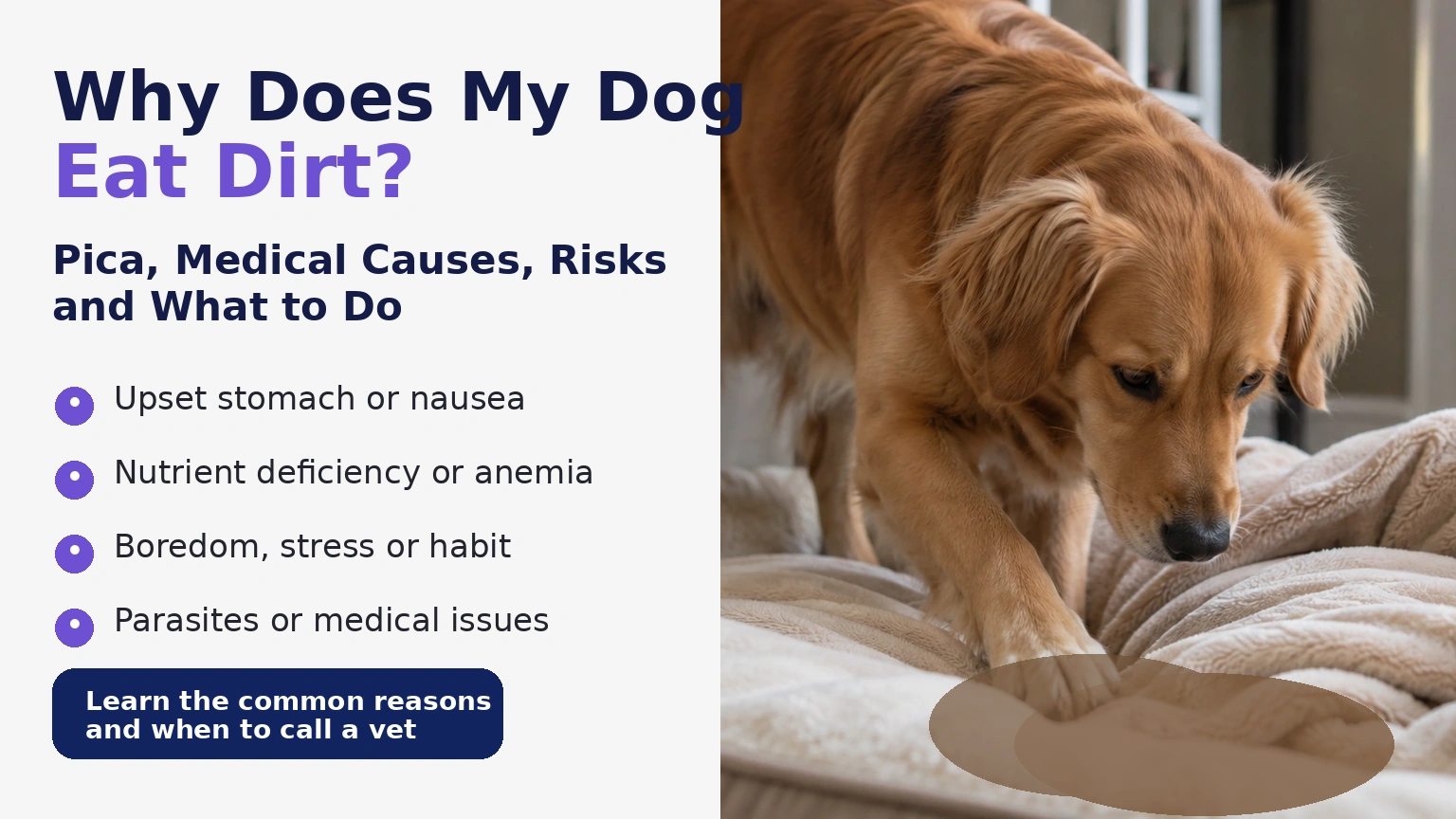
Learn why dogs eat dirt, when pica may signal a medical or behavioral problem, the risks of soil ingestion, and practical ways to stop the habit sa...
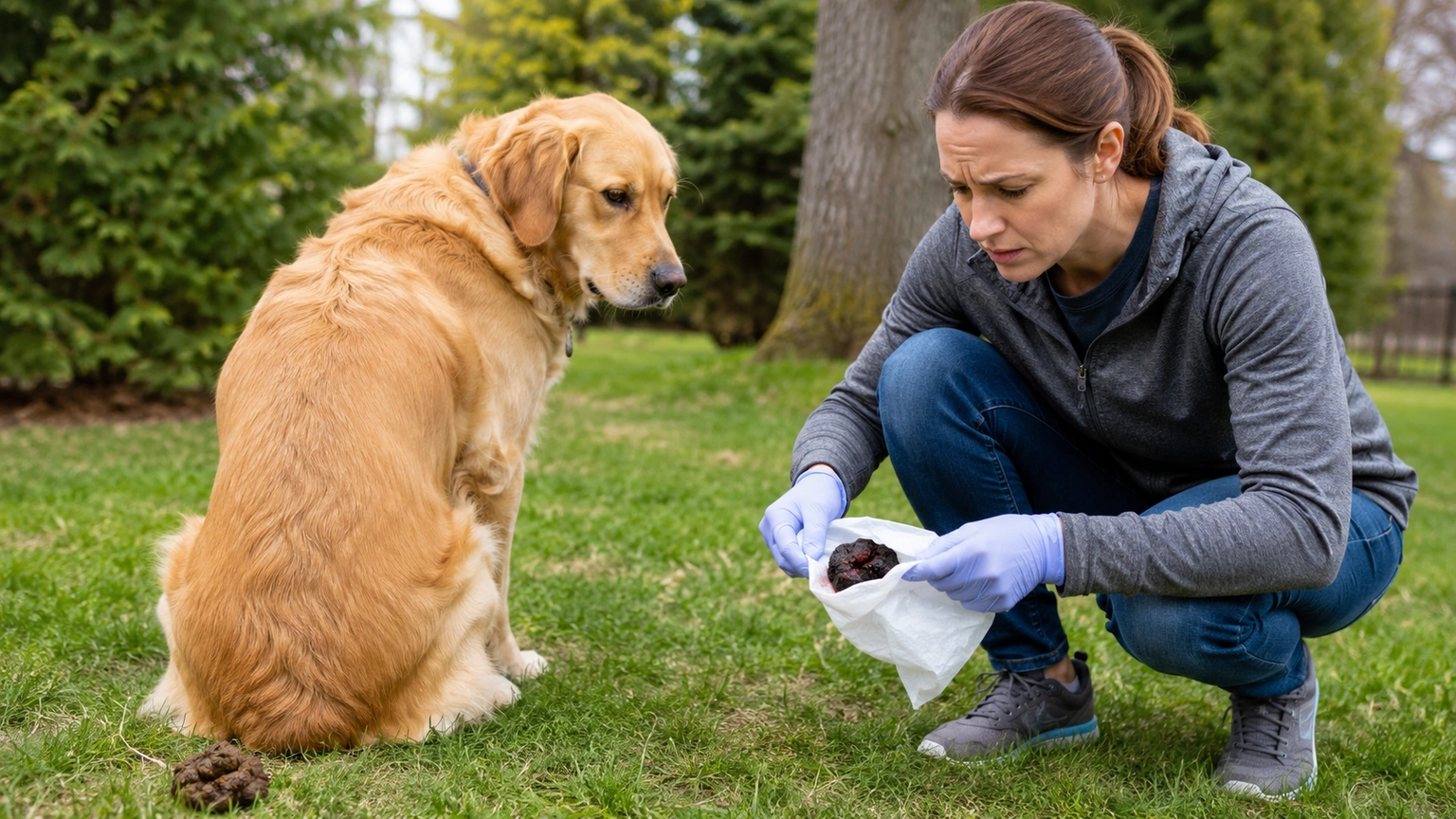
Learn what bright red blood or black tarry stool can mean in dogs, which accompanying symptoms change urgency, and when bloody stool needs emergenc...
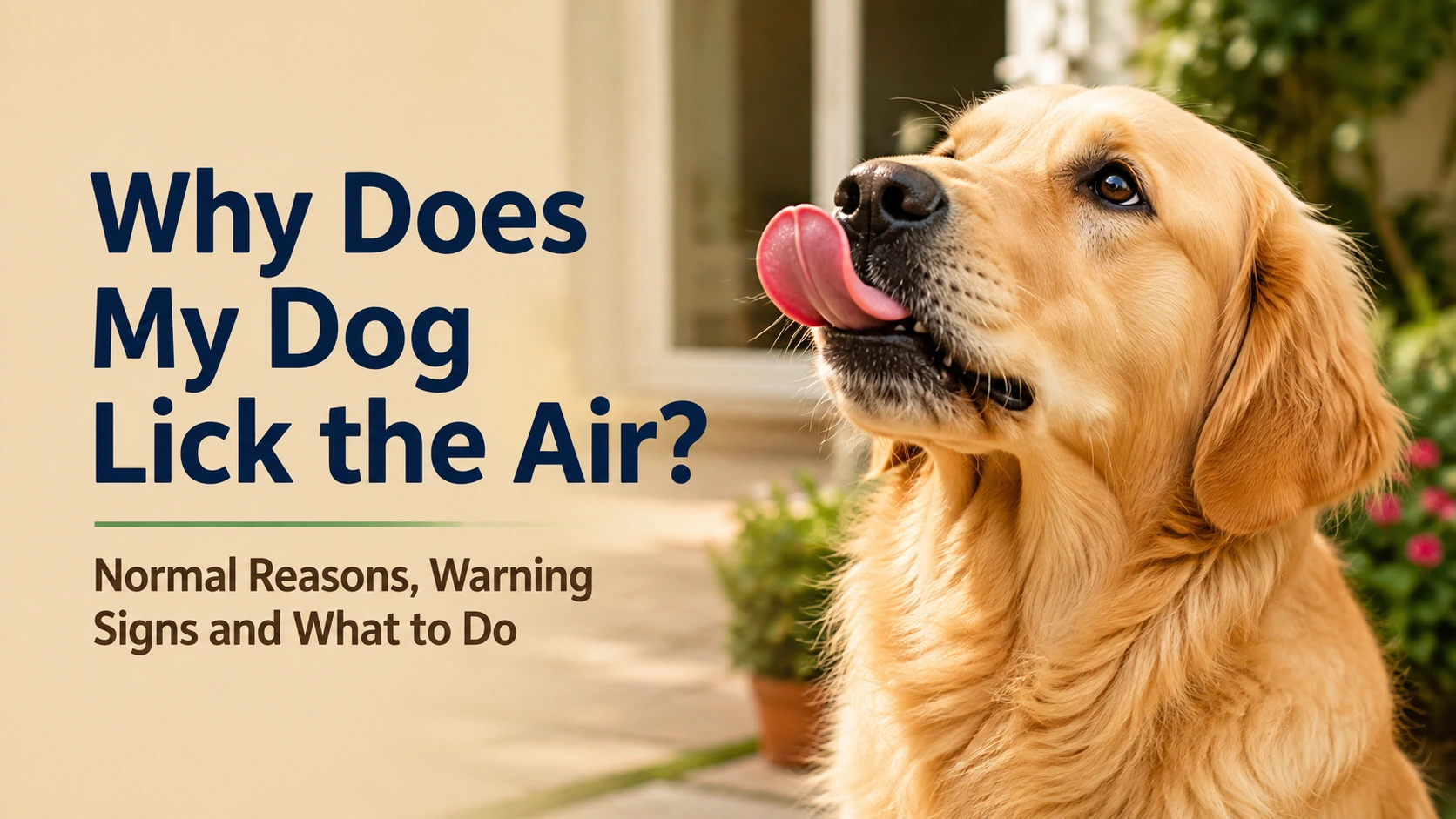
Learn why dogs lick the air, how to tell a harmless scent or excitement response from nausea, dental pain, compulsive behavior or a problem that ne...
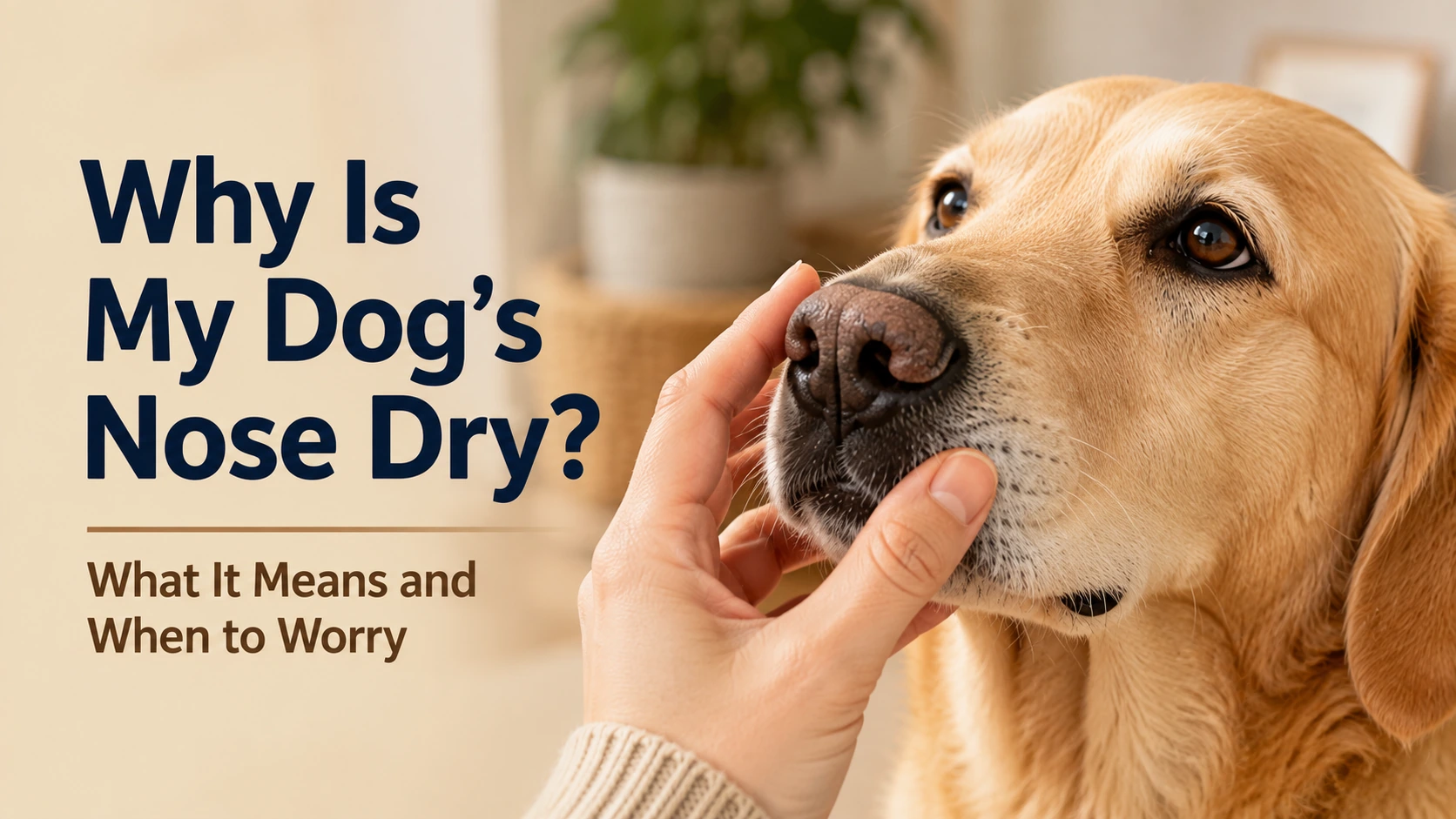
A dry dog nose is not automatically a sign of illness. Learn normal causes, what changes matter more than moisture alone, safe care steps, and when...
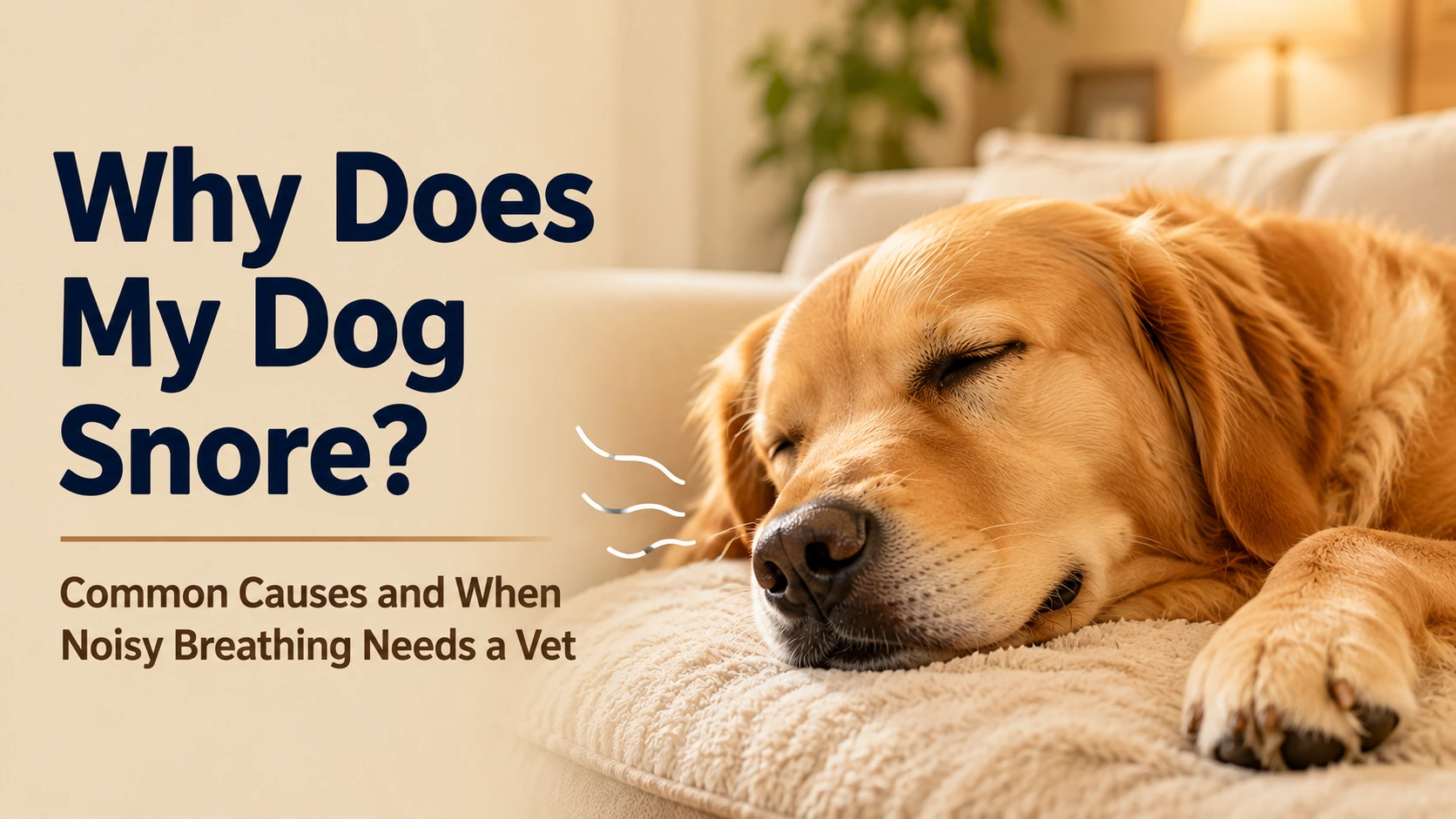
Learn why dogs snore, how sleeping position, anatomy, weight, congestion and airway problems can contribute, and which breathing signs deserve vete...
Understand why dogs hump people, other dogs or objects, how excitement, stress, play and habit contribute, and how to redirect the behavior without...
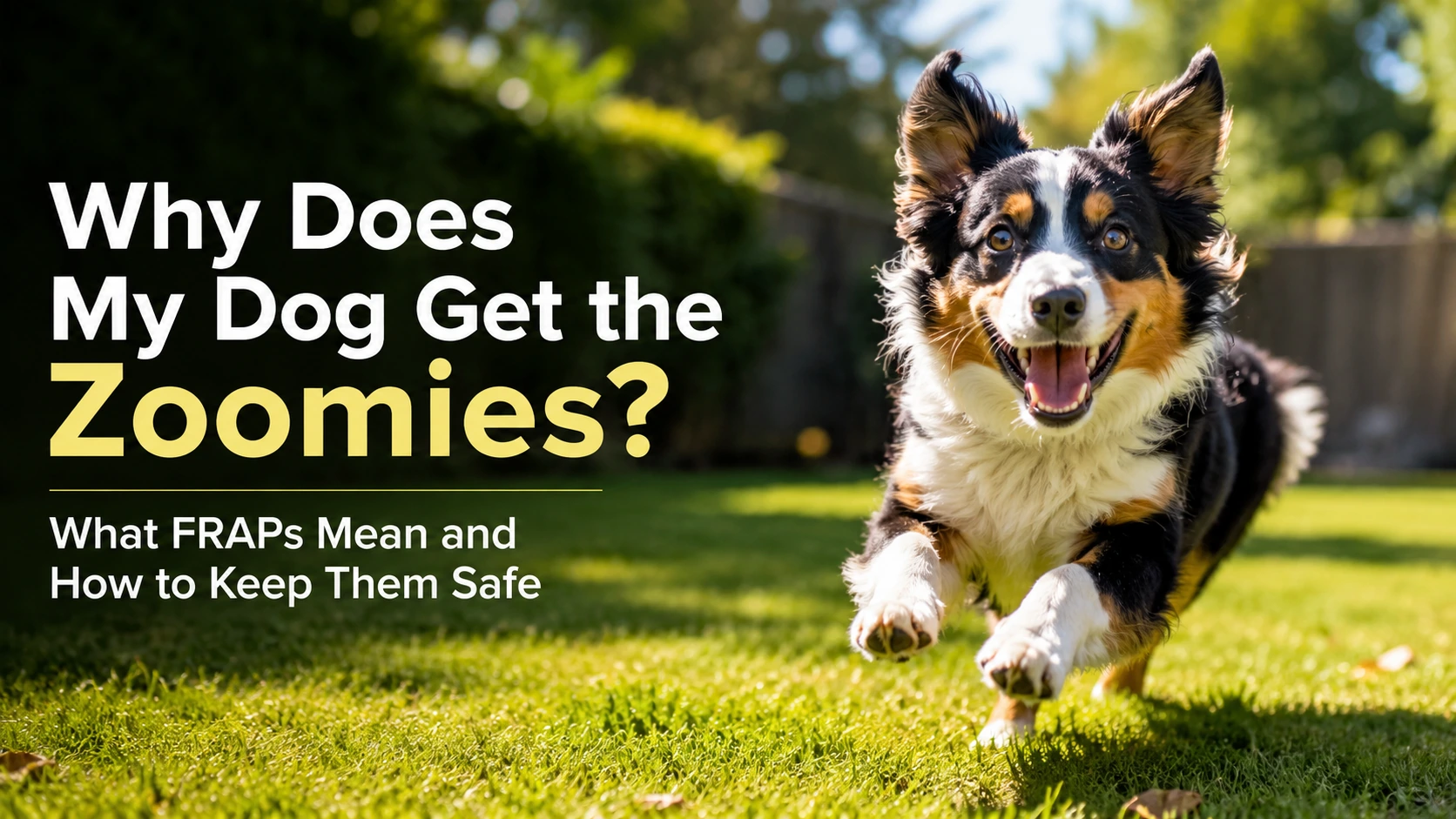
Dog zoomies are usually normal bursts of energy. Learn common triggers, why puppies get them, how to prevent injuries, and when frantic behavior ma...
Sniffing is a major way dogs explore the world. Learn why your dog stops to smell everything, how to balance sniffing with loose-leash walking, and...
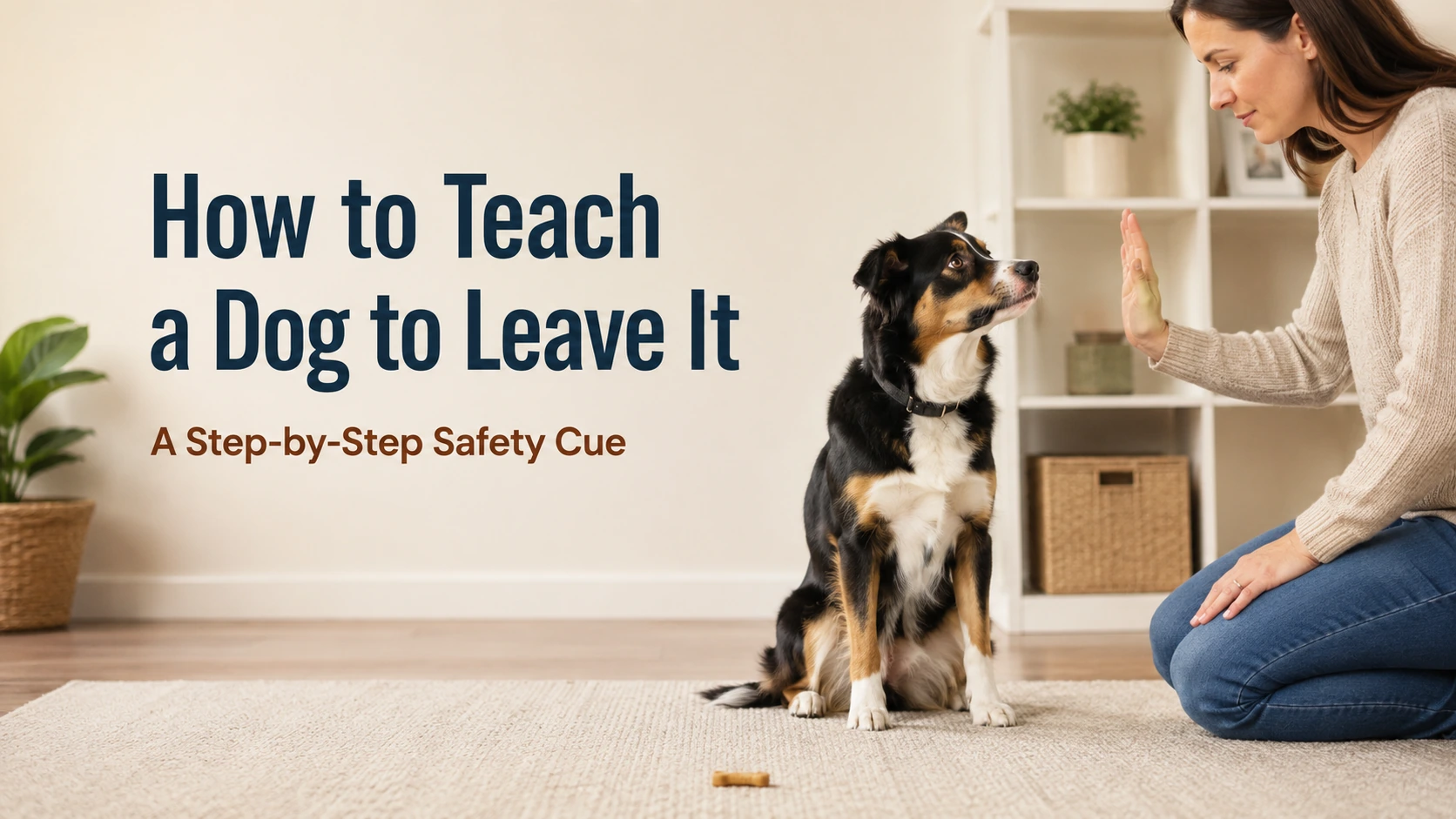
Teach your dog to ignore food, trash and other tempting items with a clear leave-it cue, reward-based practice and gradual real-world training.
Teach your dog to release toys and safe objects on cue using trades, clear timing and positive reinforcement—without chasing, prying the mouth open...
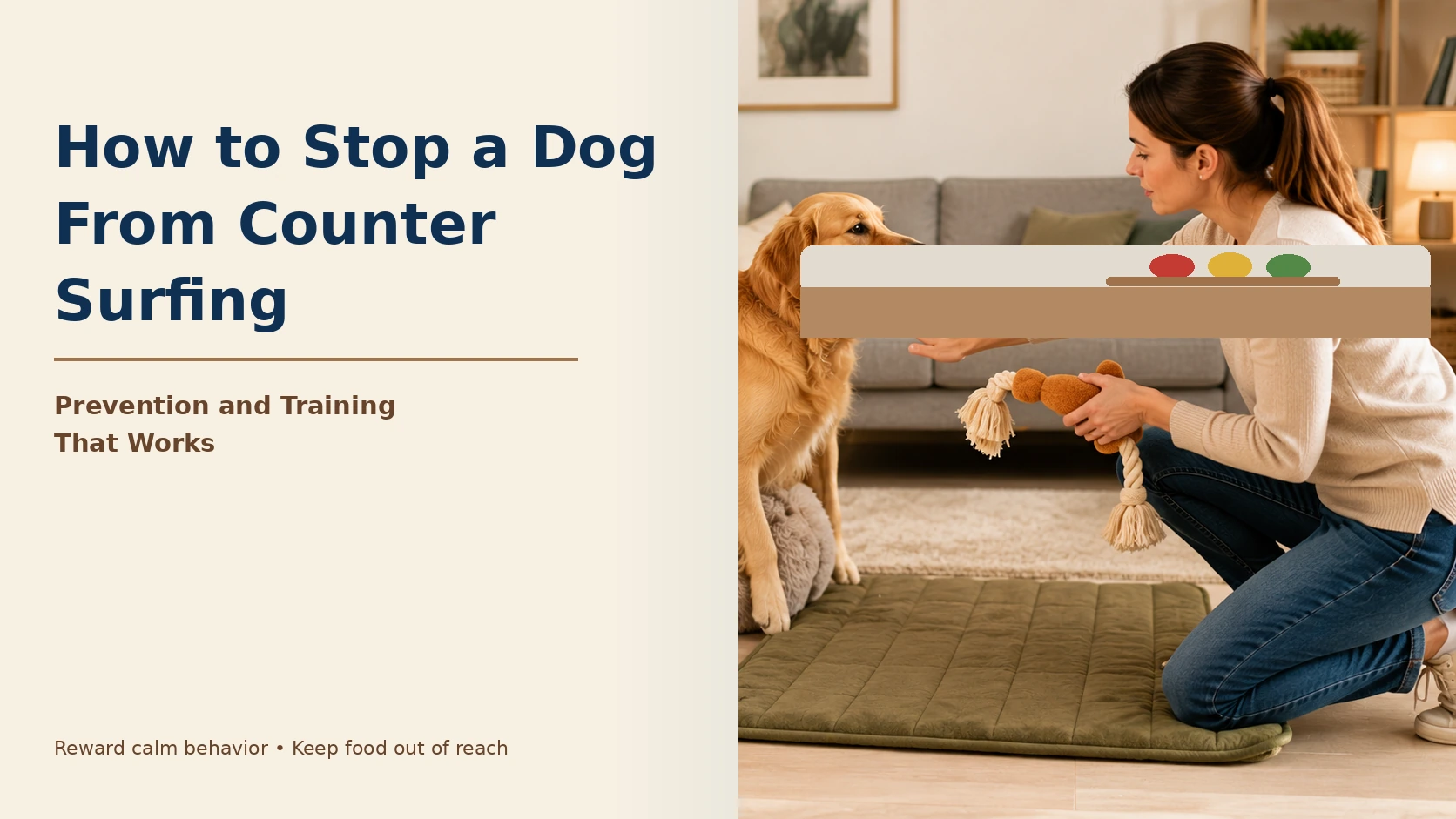
Stop counter surfing by removing accidental rewards, managing kitchen access and teaching a strong alternative behavior while food is being prepared.
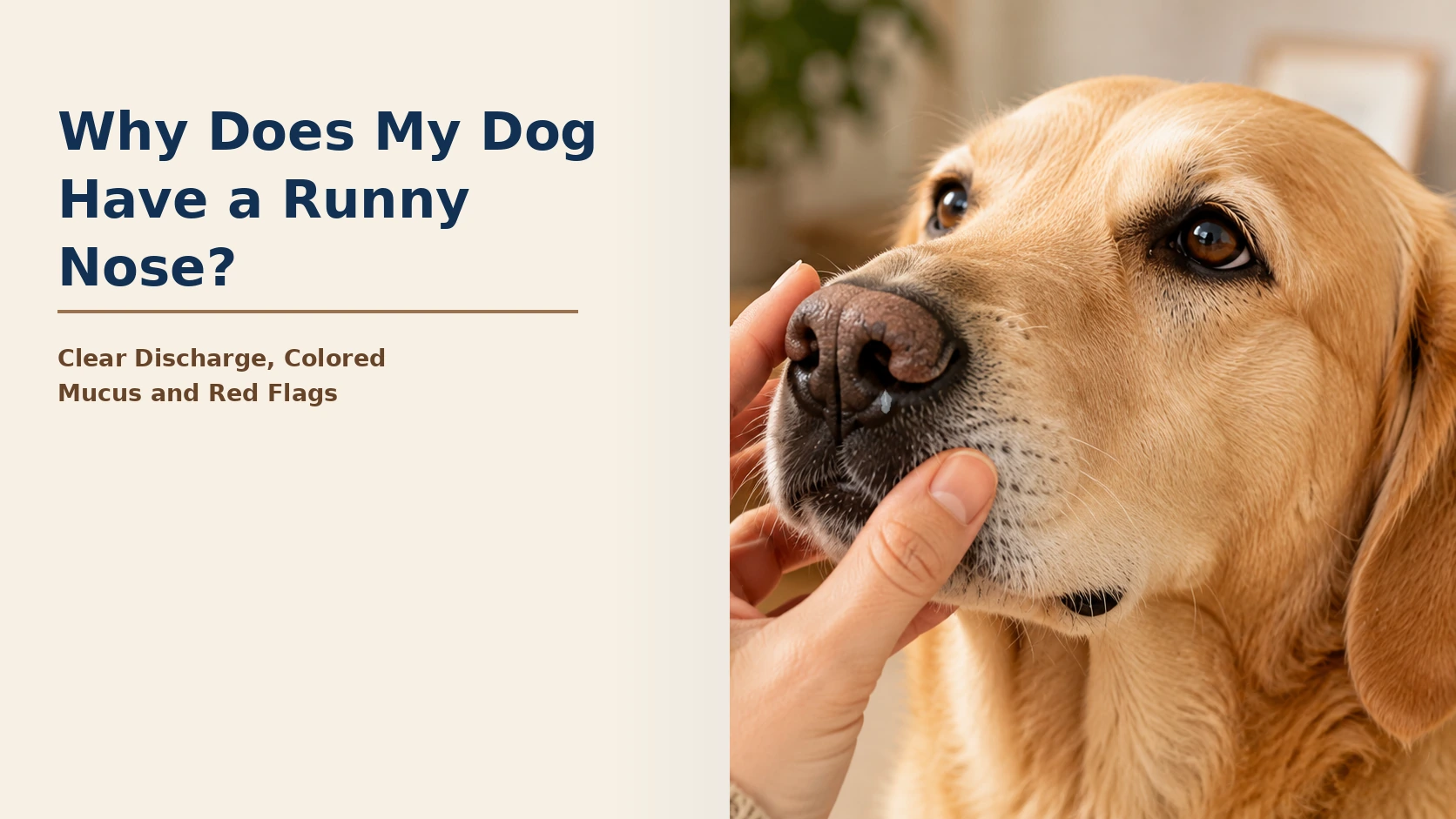
Learn what a runny nose in dogs can mean, why one-sided discharge matters, how color and other symptoms change urgency, and when veterinary care is...
Repeated coughing after water can involve fast drinking, throat irritation, swallowing difficulty, or an underlying airway problem.
Brief sneezing during play or greetings can be normal social behavior, but sneezing outside those moments deserves a closer look.
A mild corn-chip odor can come from normal skin microbes, while strong odor with redness or licking may signal inflammation or infection.
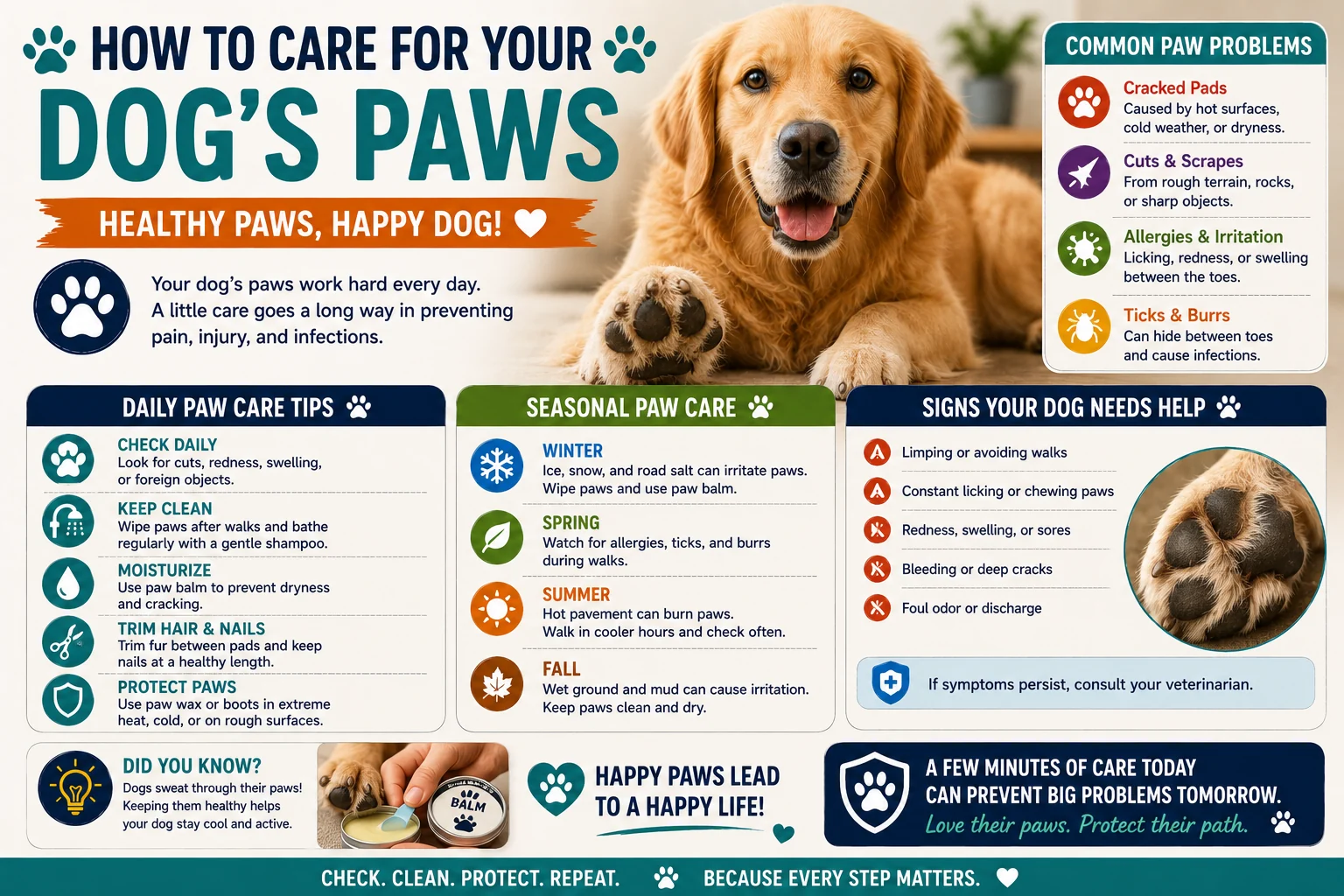
Peeling paw pads can follow friction, heat, chemicals, dryness, injury, or skin disease and need care when painful or raw.
A naturally dark nail can be normal, but a new color change in one nail can follow bruising, trauma, infection, or nail-bed disease.
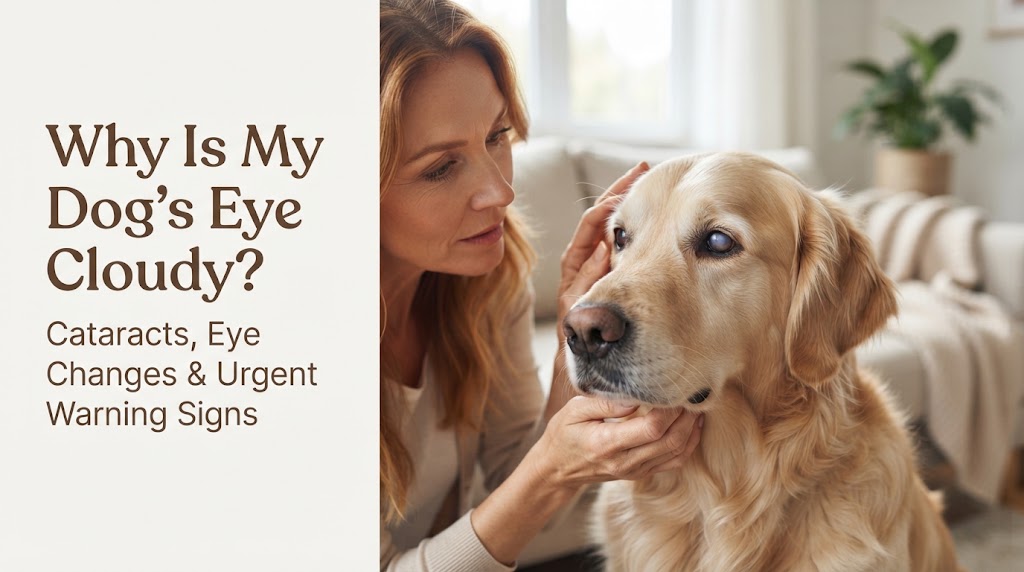
Cloudiness can arise from the cornea, lens, or deeper eye structures, and sudden cloudiness with pain or vision change needs prompt care.
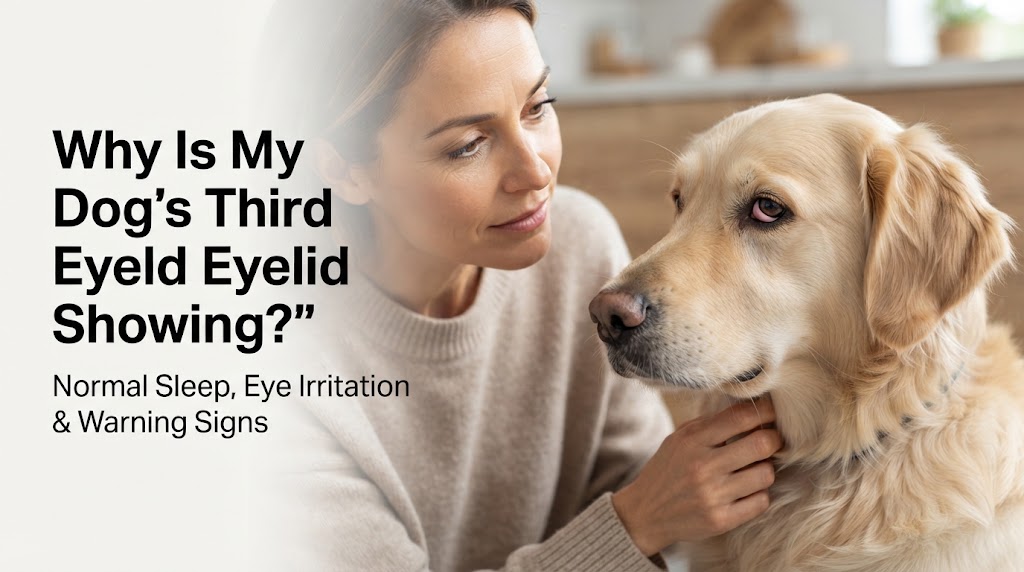
The third eyelid may briefly show during sleep, but persistent visibility can accompany eye pain, dehydration, nerve problems, or illness.
Unequal pupil size can reflect eye or neurologic disease and is especially important when it appears suddenly.
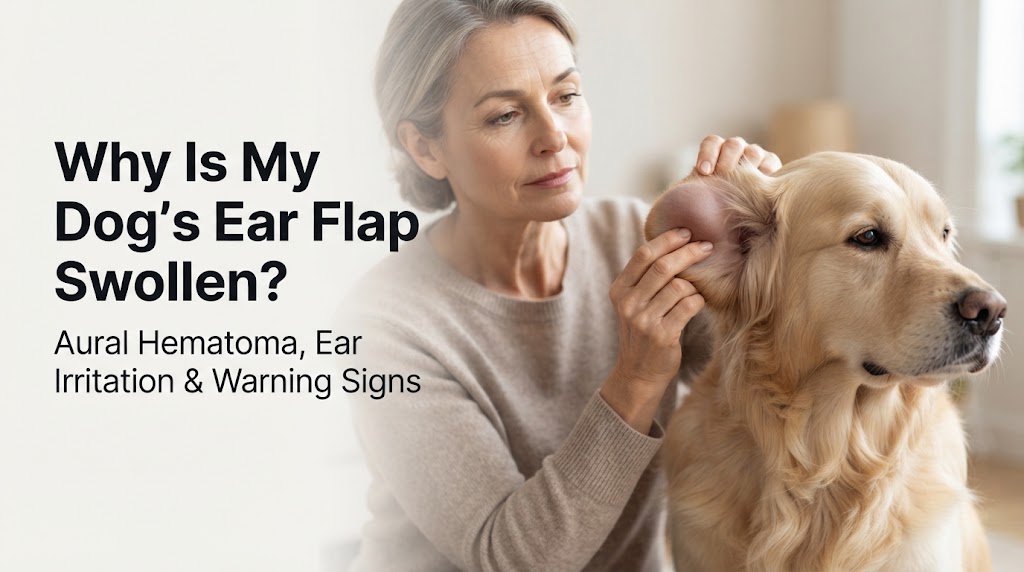
A swollen ear flap may be an aural hematoma after vigorous shaking or scratching, but injury, allergy, and inflammation can also contribute.
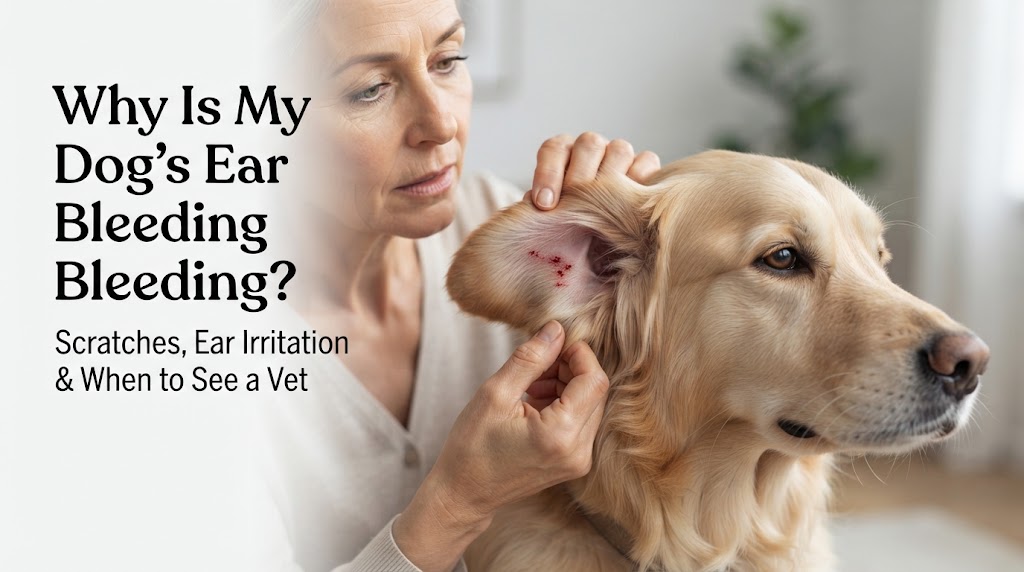
Ear bleeding can come from a scratch, bite, torn edge, inflamed canal, or vigorous head shaking and should be assessed if persistent.
Repeated licking at the tail base often points to fleas, allergy, skin infection, or irritation around the rear end. Learn what to check and when v...
A suddenly limp tail can follow muscle strain or limber tail, but trauma, spinal pain, and neurologic problems can look similar. Learn the warning...
A tucked tail often communicates fear or uncertainty, but a new persistent change can also signal pain or illness. Learn how context and body langu...
Sudden fear of a floor can follow slipping, poor traction, pain, vision change, or a frightening event. Learn how to restore confidence without for...
Dogs may slip on hardwood because of low traction, nail or paw issues, pain, weakness, or neurologic disease. Learn practical ways to improve safety.
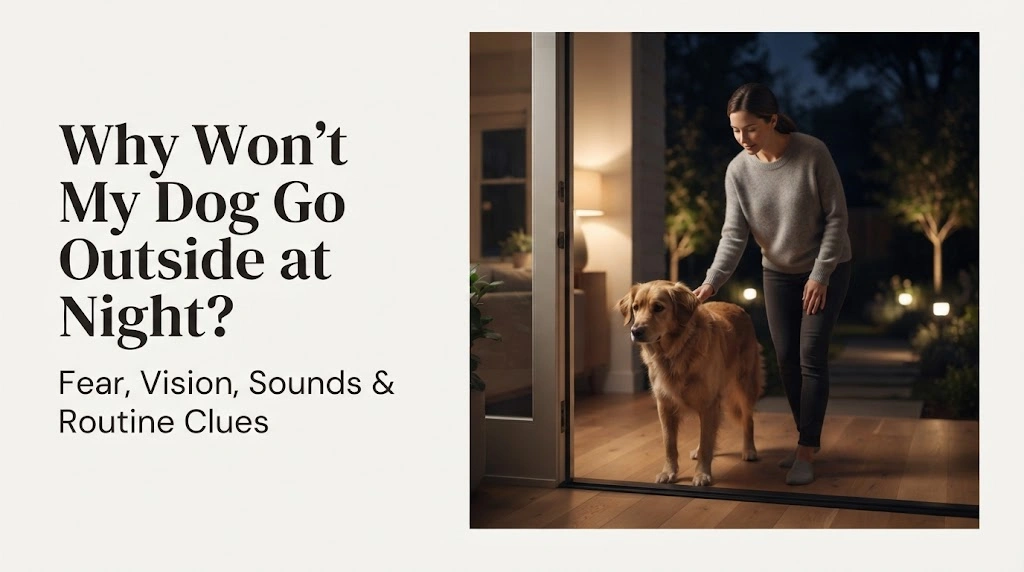
Refusing to go outside at night can reflect darkness, noises, wildlife, weather, a past scare, or physical discomfort. Learn how to identify the tr...
Door scratching may communicate a toilet need, desire for access, response to outside sounds, learned reinforcement, or separation distress.
Resting a head on you is usually a social or comfort behavior. Learn how context distinguishes affection, attention seeking, reassurance, and unusu...
Sleeping on top of you is commonly driven by warmth, closeness, habit, and a preference for a soft resting place. Learn when boundaries may help.
Waiting outside the bathroom is usually a routine or proximity behavior. Learn how attachment, curiosity, expectations, and separation distress dif...
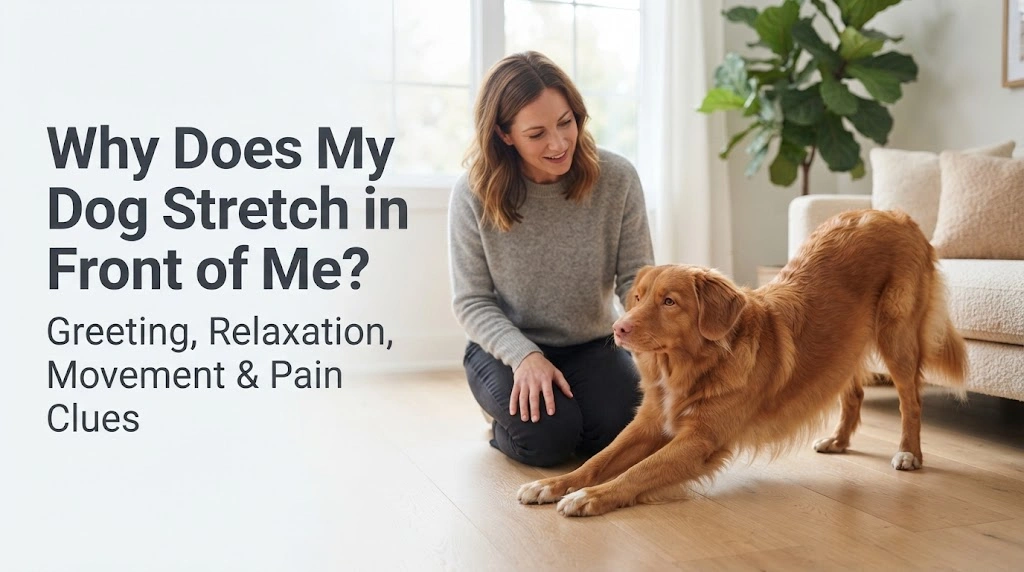
Stretching in front of you is often a normal post-rest stretch, greeting ritual, or transition into activity. Repeated prayer-like posturing with i...
A bow when your dog sees you is commonly a play invitation or excited greeting. Body language and what happens next help distinguish a play bow fro...
Brief twitching or kicking during sleep is often associated with normal dreaming, but prolonged, violent, or unusual episodes—especially with abnor...
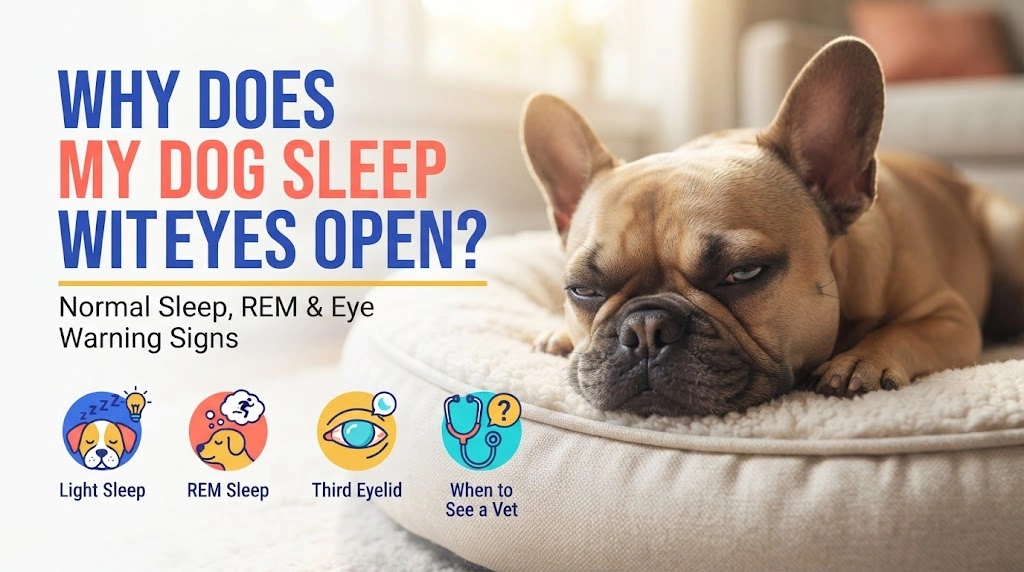
Some dogs appear to sleep with partly open eyes during light or REM sleep, but persistent inability to close an eye, redness, discharge, cloudiness...
A tongue peeking out during relaxed sleep can be harmless, especially in some short-muzzled dogs or dogs with missing teeth. A new persistent chang...
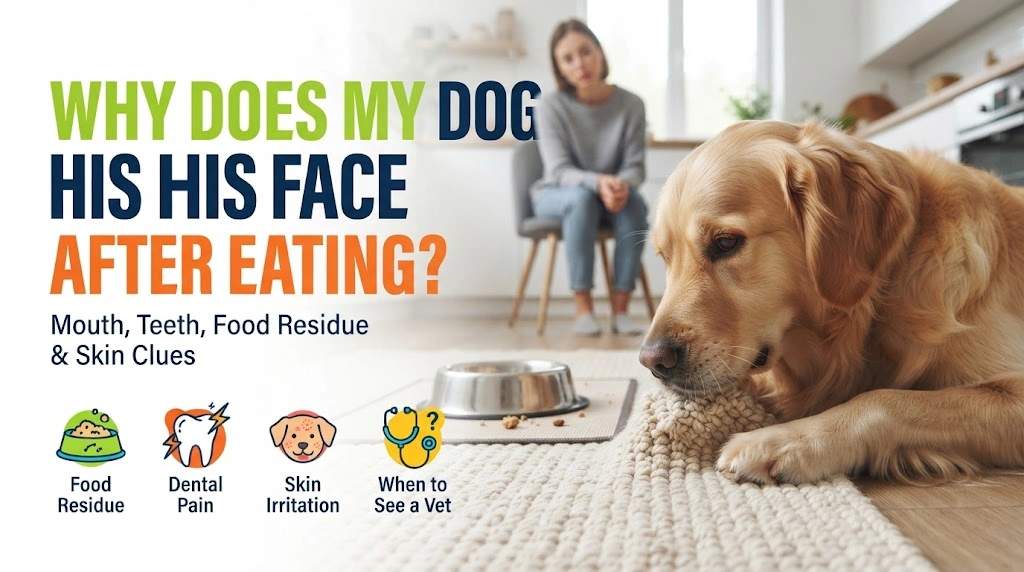
Face rubbing after eating may be simple muzzle cleaning, but repeated vigorous rubbing can point to dental pain, food trapped in the mouth, or irri...
Pawing repeatedly at the face often means something is uncomfortable around the eye, ear, mouth, or skin. The side involved and accompanying signs...
Gagging immediately after gulping water can follow very fast drinking or brief throat irritation, but recurrent episodes may reflect swallowing or...
Some dogs simply like to rest with the head raised, but a new insistence on an elevated sleeping position can matter when it appears with coughing...
Dogs may wake panting because they are warm, excited from a dream, anxious, painful, or affected by a medical problem. Repeated unexplained nightti...
Why dogs carry kibble or mouthfuls away from the bowl, how to distinguish a harmless preference from stress or mouth pain, and how to make meals ca...
Understand why dogs paw, splash, or dig in a water bowl, how play, heat, stress, and the bowl setup can contribute, and when a change in thirst nee...
A practical guide to reduced water intake in dogs, including safe hydration checks, common reasons a dog may drink less, warning signs of dehydrati...
Learn why dogs and puppies get hiccups, which everyday triggers are usually harmless, what owners can do safely, and which unusual symptoms need ve...
Understand why mucus may appear in dog stool, what stool color and accompanying symptoms can reveal, when monitoring may be reasonable, and when ve...
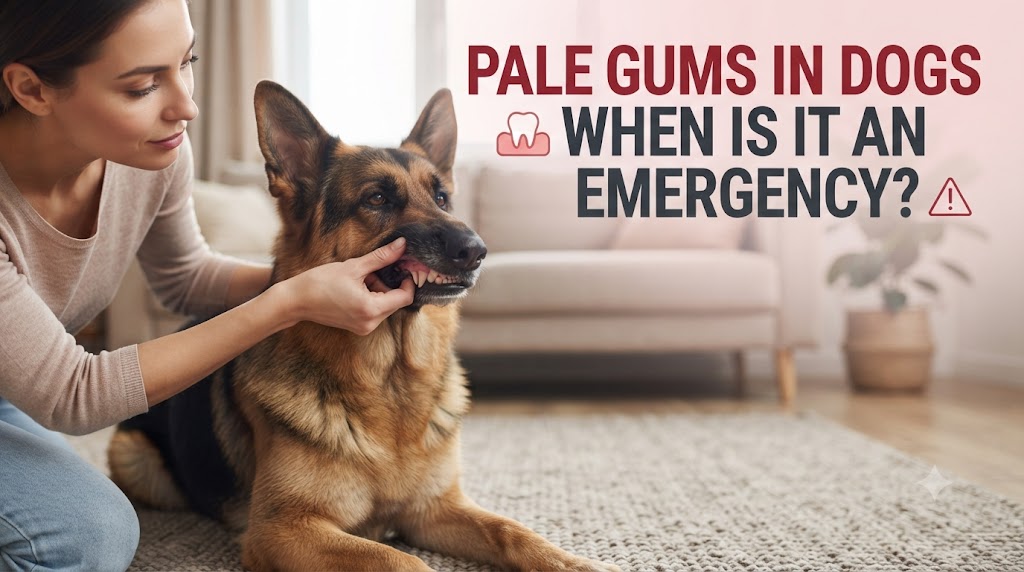
Learn what pale gums can mean in dogs, how to compare gum color safely with your dog's normal baseline, and which accompanying signs require urgent...
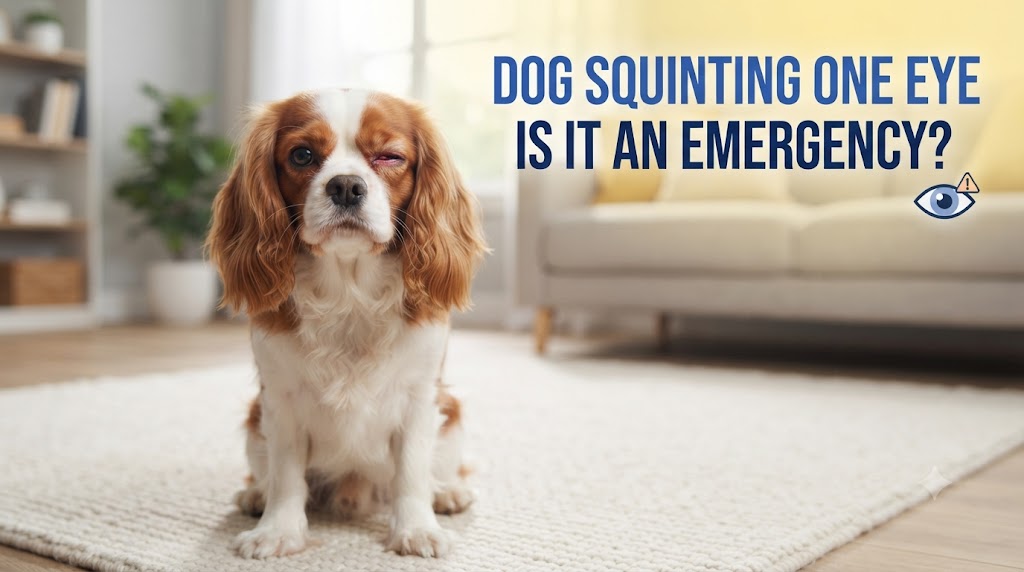
Learn why a dog may suddenly squint one eye, what you can check safely at home, why leftover eye drops can be risky, and which eye signs need urgen...
Use a safe step-by-step approach to a swollen dog paw, including what to inspect, common causes such as stings and nail injuries, and warning signs...
Learn why a dog's bark may become hoarse, weak, or disappear, how vocal strain differs from airway disease, and which breathing or swallowing signs...
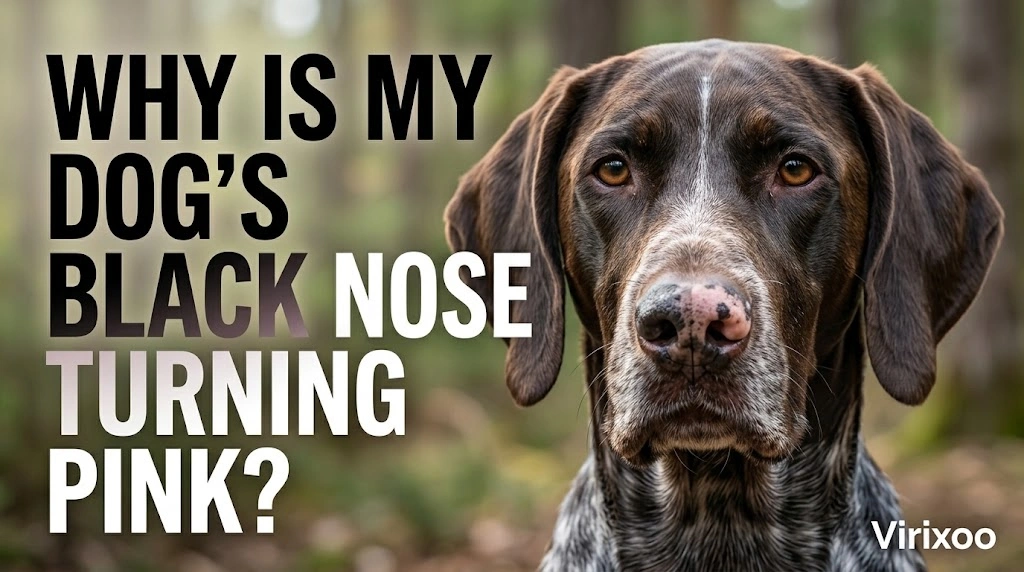
Learn why a dog's nose may change from black or brown to lighter shades, how seasonal fading differs from inflamed skin disease, and which nose cha...
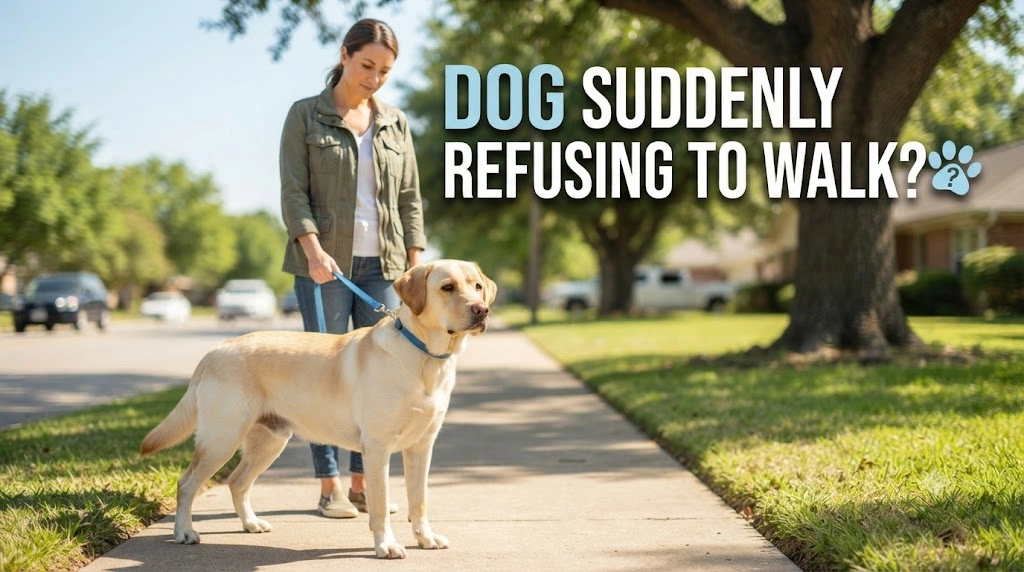
A practical way to tell whether a dog that suddenly stops on walks is reacting to pain, fear, heat, equipment, or something in the environment.
Learn why dogs grab or bite the leash during walks, which triggers commonly cause it, and how to teach a safer replacement behavior without turning...
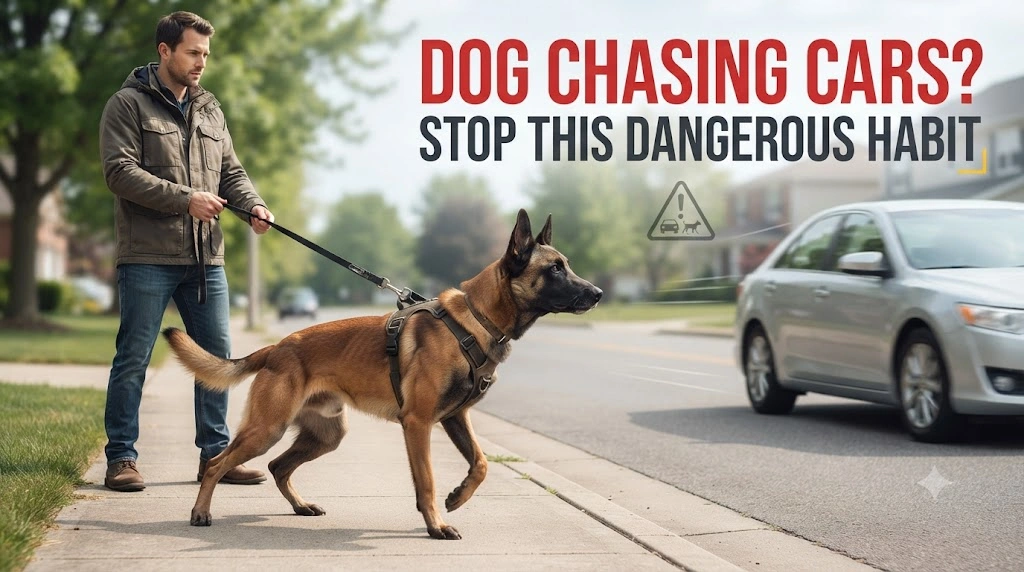
Why dogs chase moving vehicles and how to build a safer roadside management and training plan before the behavior turns into an accident.
How to tell whether a dog that avoids a harness is reacting to poor fit, painful handling, fear, or a learned association, and how to rebuild coope...
Learn when chasing shadows, laser-like reflections, or moving light is harmless curiosity and when repetitive fixation may need behavioral or veter...
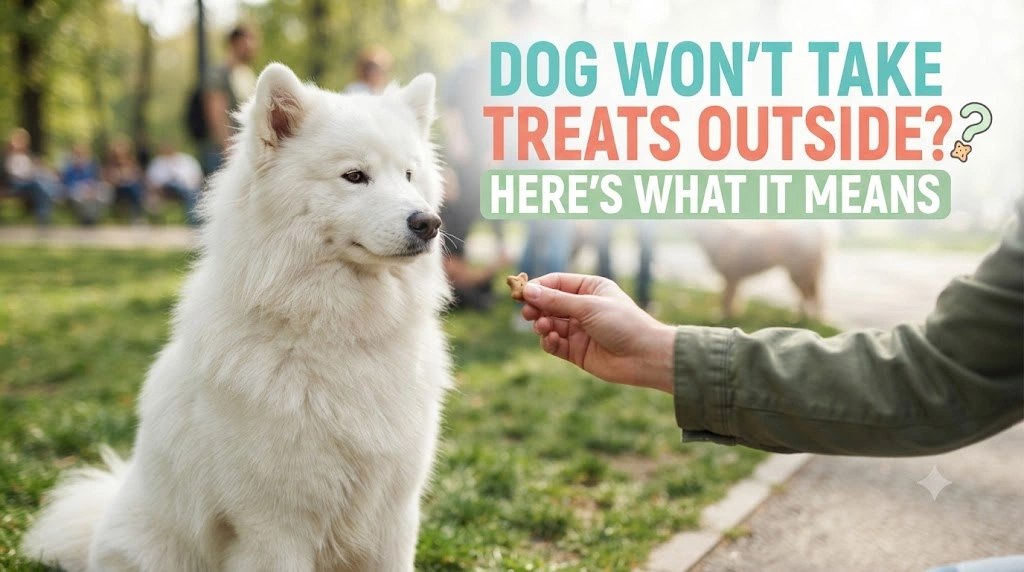
Why a dog may refuse treats outdoors and how food refusal can reveal stress, distraction, fear, nausea, or a training environment that is too diffi...
Learn what an arched or hunched back can mean in dogs, how to distinguish a brief stretch from persistent painful posture, and when urgent veterina...
Understand the risks of pool-water drinking in dogs, how chlorine, salt, algae, and large-volume intake change the concern, and when veterinary car...
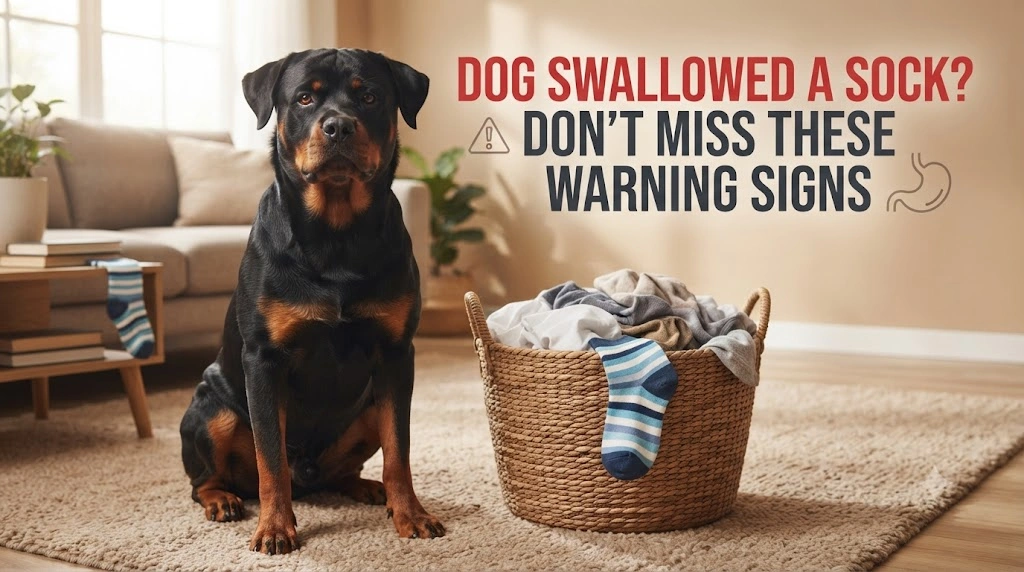
What to do when a dog swallows a sock, why seeming normal at first does not rule out obstruction, and which signs require urgent veterinary care.
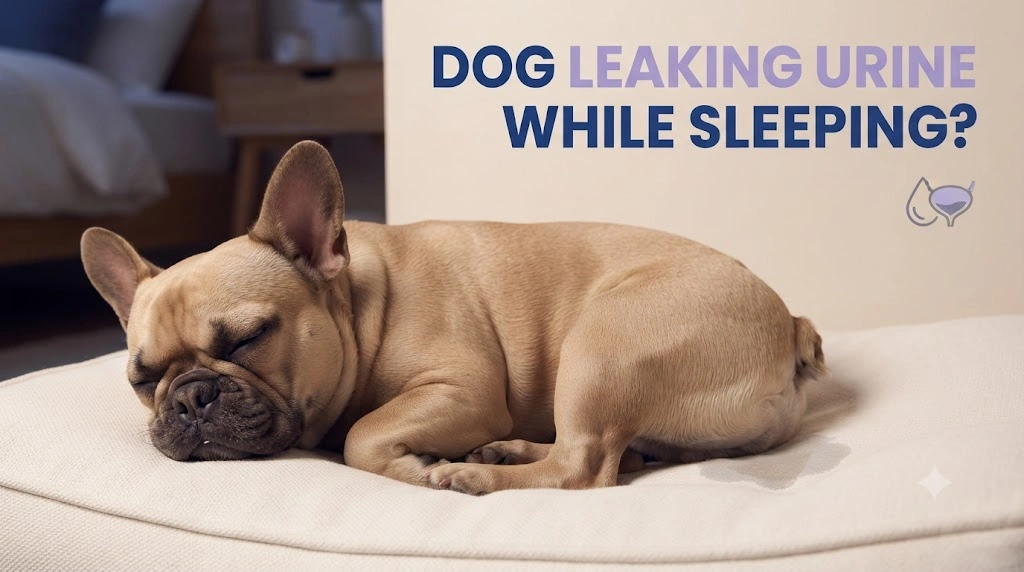
Learn why dogs may leak urine during sleep, which patterns suggest urinary incontinence, what owners should record, and when veterinary evaluation...
Learn what to do when a dog splits or cracks a toenail, how to control minor bleeding safely, and when damage to the quick or nail bed needs veteri...
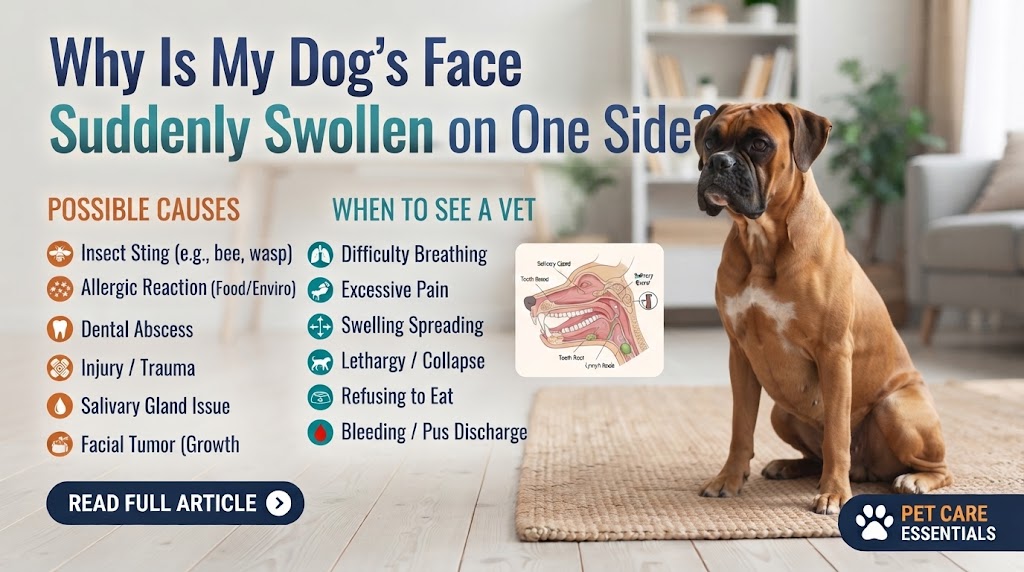
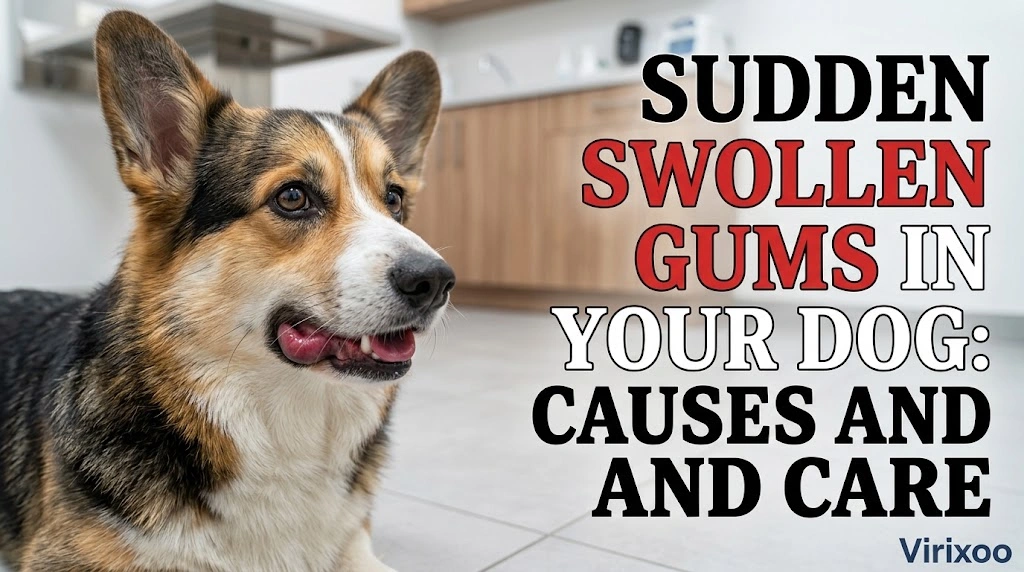
Understand the common causes of sudden facial swelling in dogs and how to recognize when allergy, insect stings, dental disease, trauma, or breathi...
Learn how to assess a dog's enlarged or bloated abdomen, which patterns may be mild, and which signs such as retching, pain, weakness, or rapid dis...
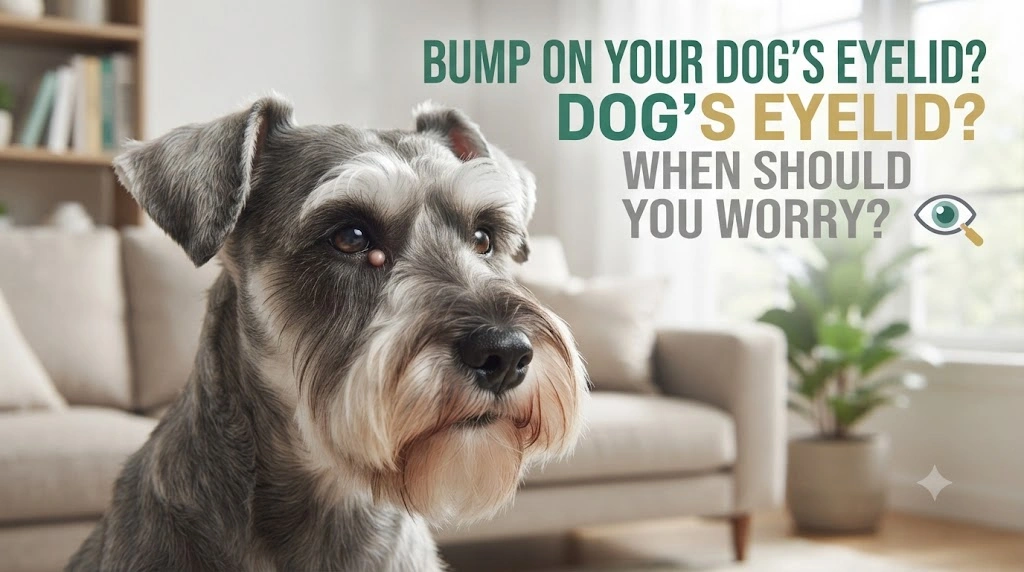
Learn what a bump on a dog's eyelid may represent, which changes owners can monitor safely, and when rubbing, bleeding, rapid growth, or eye irrita...
Learn why a dog may repeatedly remain standing or sitting instead of lying down, and how pain, abdominal discomfort, breathing problems, or anxiety...
Learn what a bunny-hopping gait looks like in dogs, when it may be a harmless running style, and when hip, knee, spinal, or muscle problems should...
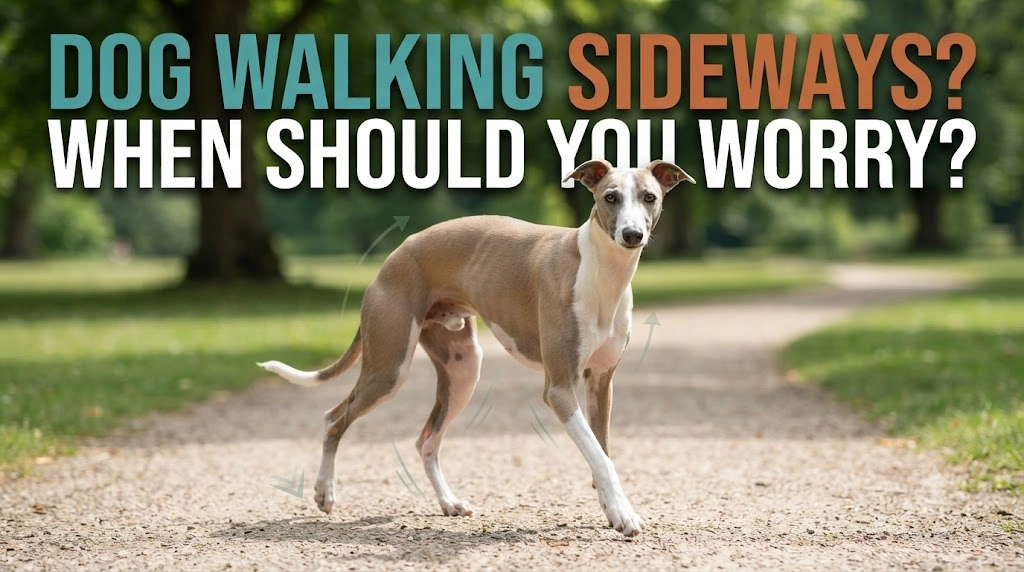
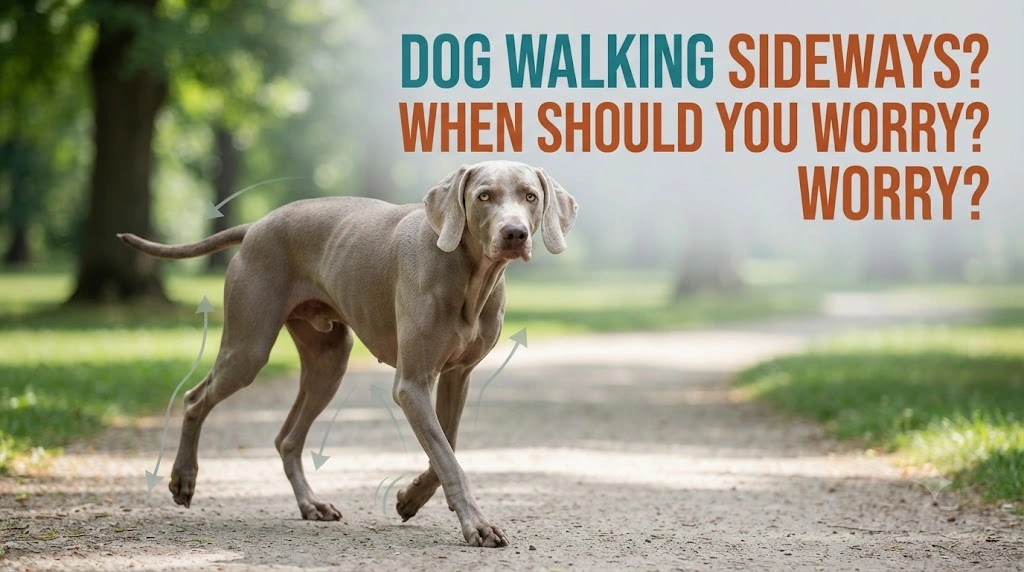
Learn why some dogs naturally crab-walk or move slightly sideways and when a new crooked gait may signal pain, weakness, vestibular disease, or neu...
Learn what a chipped or broken dog tooth can mean, how to recognize pulp exposure and pain, why infection risk matters, and when veterinary dental...
Learn why a dog may suddenly hold the head tilted, how ear pain differs from balance disorders, and which neurologic or vestibular signs need urgen...
Repeated swallowing without food can come from extra saliva, nausea, mouth or throat irritation, reflux-like discomfort, or true swallowing difficu...
Repeatedly sitting down on walks can reflect heat, fatigue, fear, paw pain, joint or back pain, breathing difficulty, or a learned response.
A new one-sided chewing pattern often points to oral pain or a mechanical problem such as dental disease, a fractured tooth, gum inflammation, or j...
Focused licking of one front leg can be driven by skin irritation, allergy, a small wound, paw trouble, joint pain, or discomfort deeper in the limb.
Taking longer to rise after sleep can be an early pain or mobility sign, including arthritis, muscle soreness, orthopedic injury, or spinal discomf...
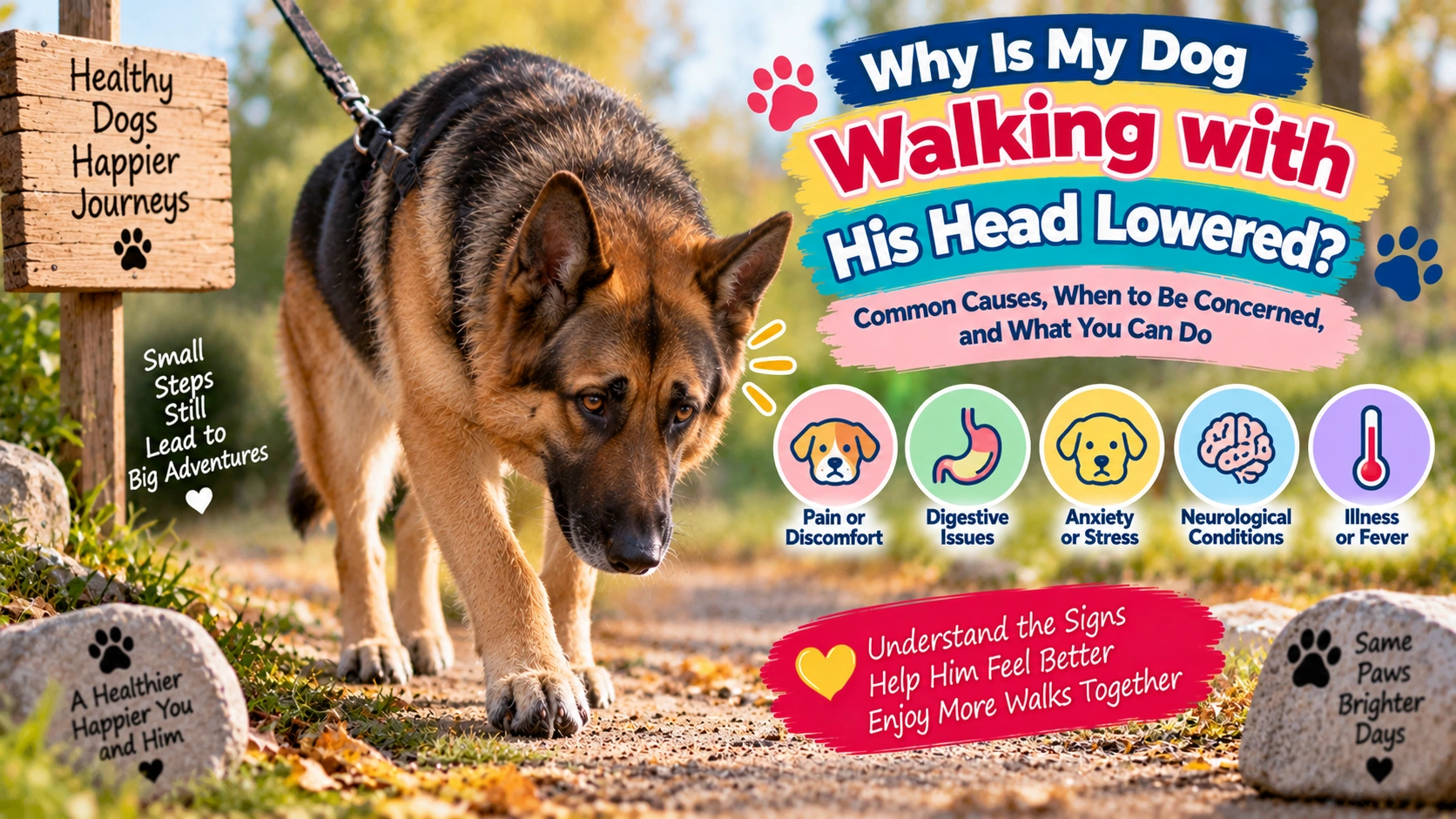
A newly lowered head while walking can reflect neck or back pain, weakness, nausea, fear, or a posture used to reduce discomfort.
Repeated mouth opening and closing at rest may come from oral pain, something caught in the mouth, nausea, jaw discomfort, breathing trouble, or le...
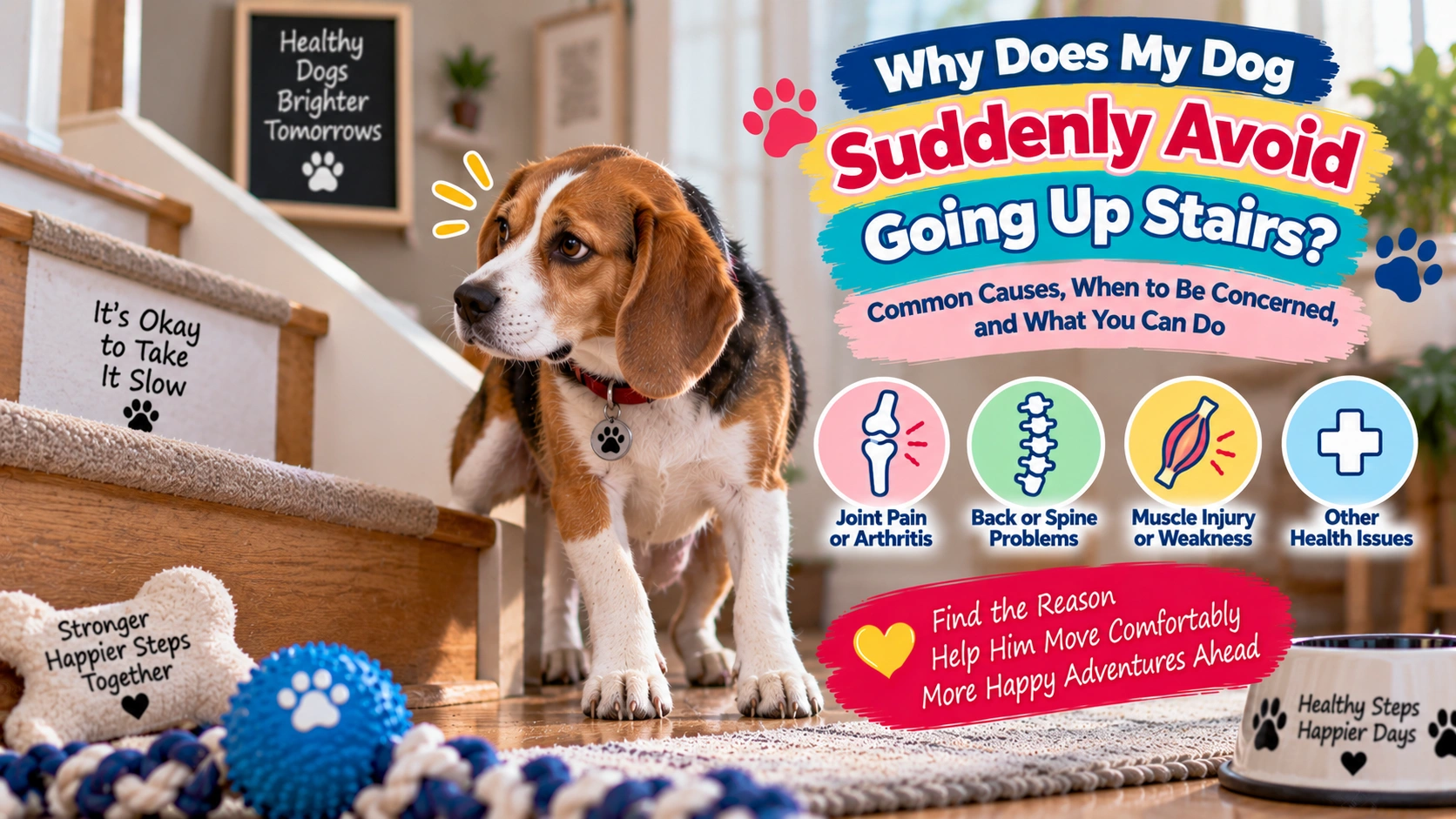
Sudden stair avoidance can reveal paw, joint, muscle, back, neurologic, vision, or confidence problems even when ordinary walking still looks normal.
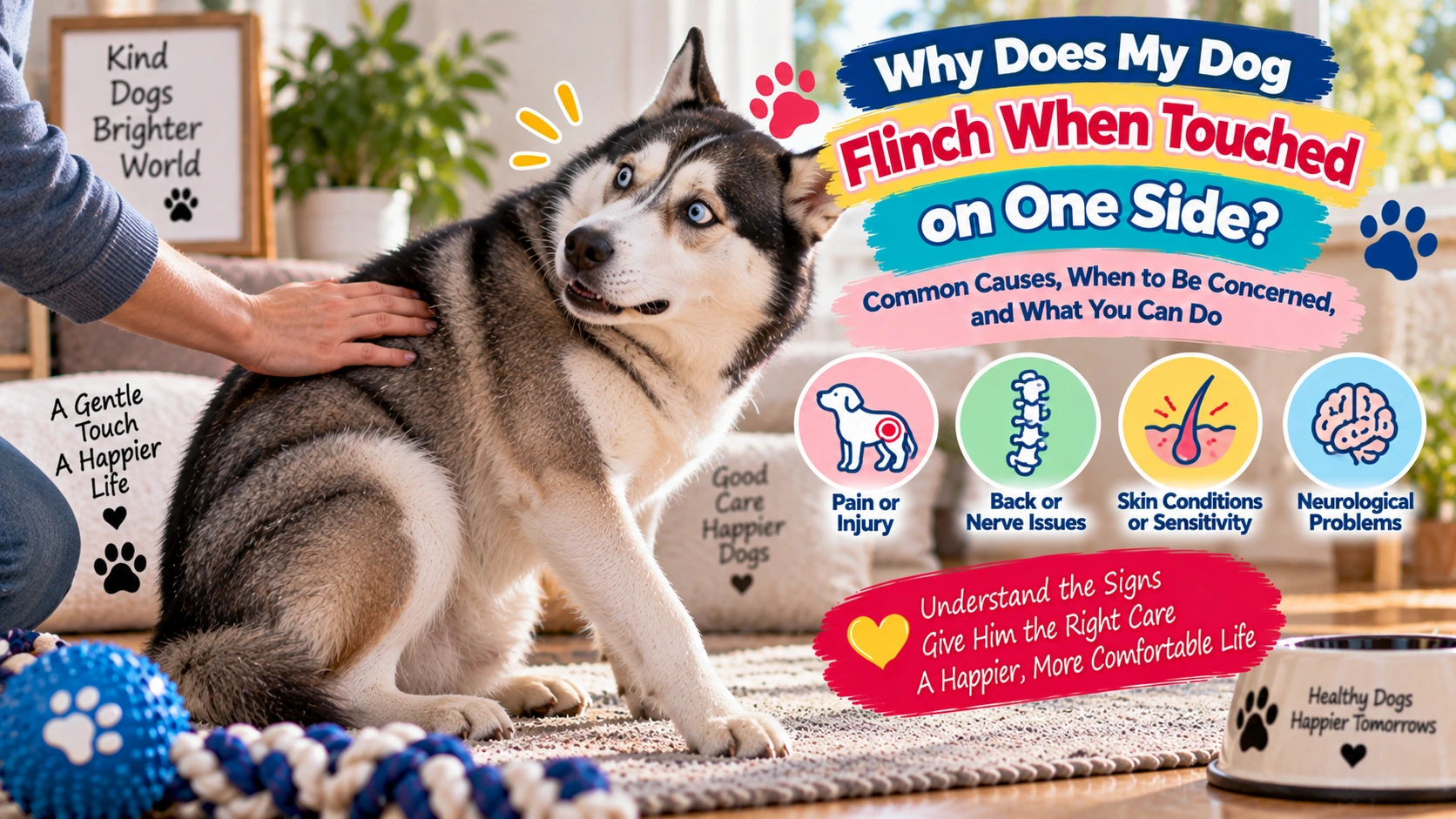
Flinching when one side is touched can reflect skin irritation, a hidden wound, muscle or rib pain, spinal discomfort, abdominal pain, or fear afte...
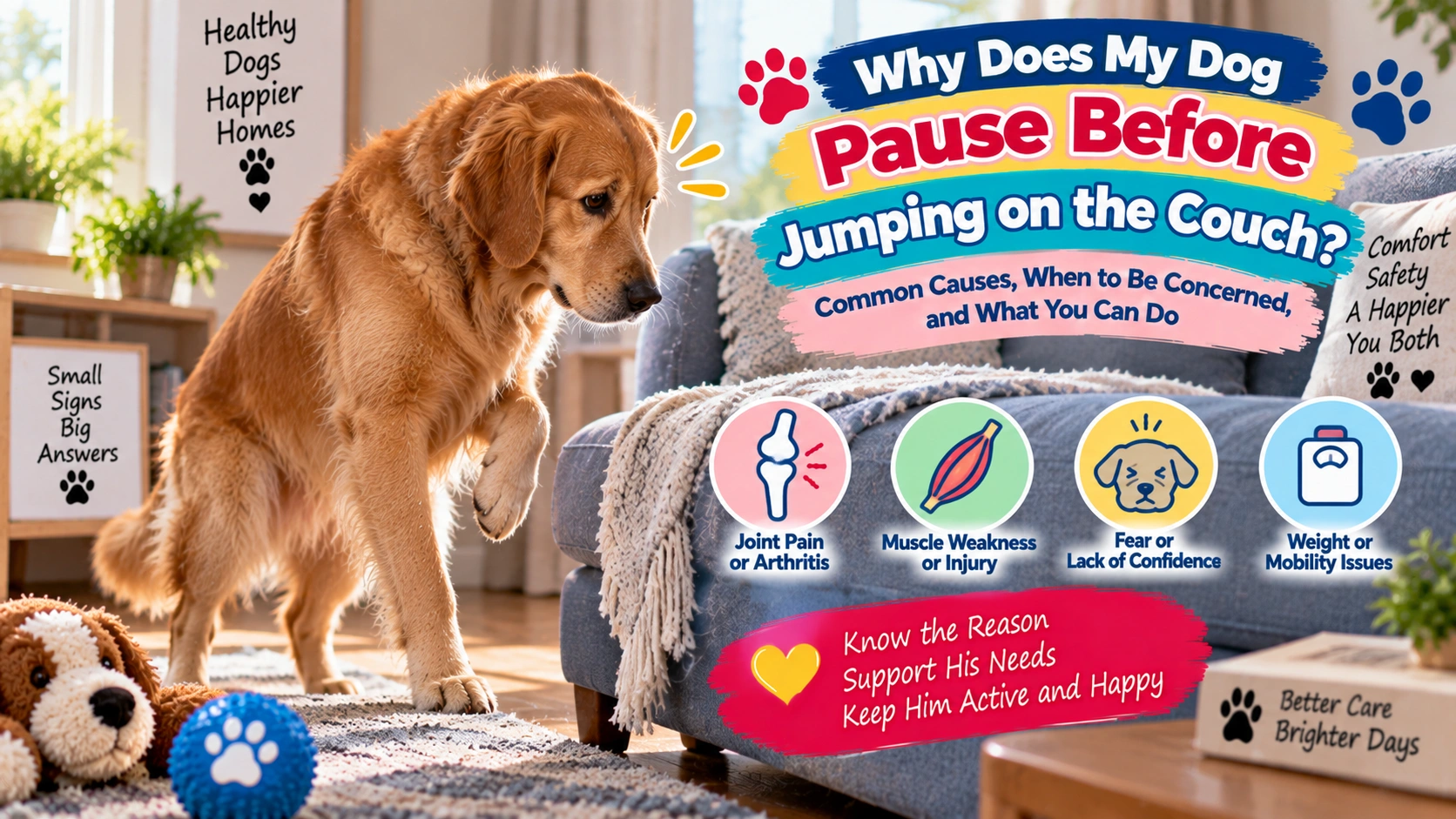
Hesitating before a familiar jump can be an early sign of paw, joint, muscle, or back pain, reduced strength, poor traction, vision change, or loss...
Repeatedly turning to look at the belly can reflect gas, skin irritation, abdominal pain, nausea, a wound, or discomfort along the flank or back.
A dog that lies down but gets back up within seconds may be unable to stay comfortable because of joint, back, abdominal, breathing, or anxiety-rel...
Repeated swallowing that wakes a dog at night can be associated with nausea, reflux-like discomfort, excess saliva, mouth pain, or swallowing probl...
Sudden refusal to jump into the car can reveal joint, paw, muscle, or back pain, poor traction, fear after a bad experience, or reduced confidence...
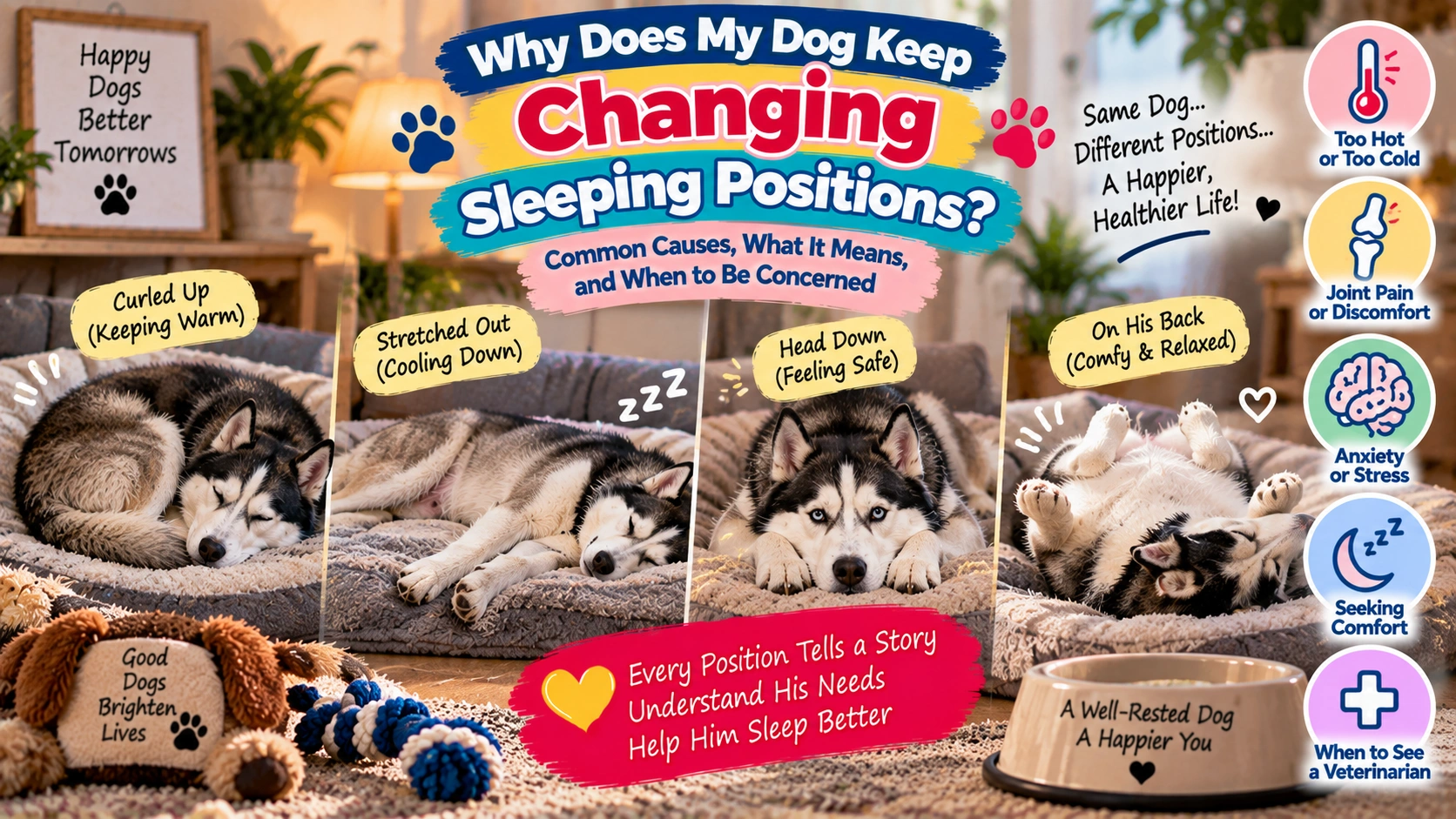
Constantly changing sleeping positions can reflect pain, heat, abdominal discomfort, breathing difficulty, anxiety, or an unsuitable resting surface.
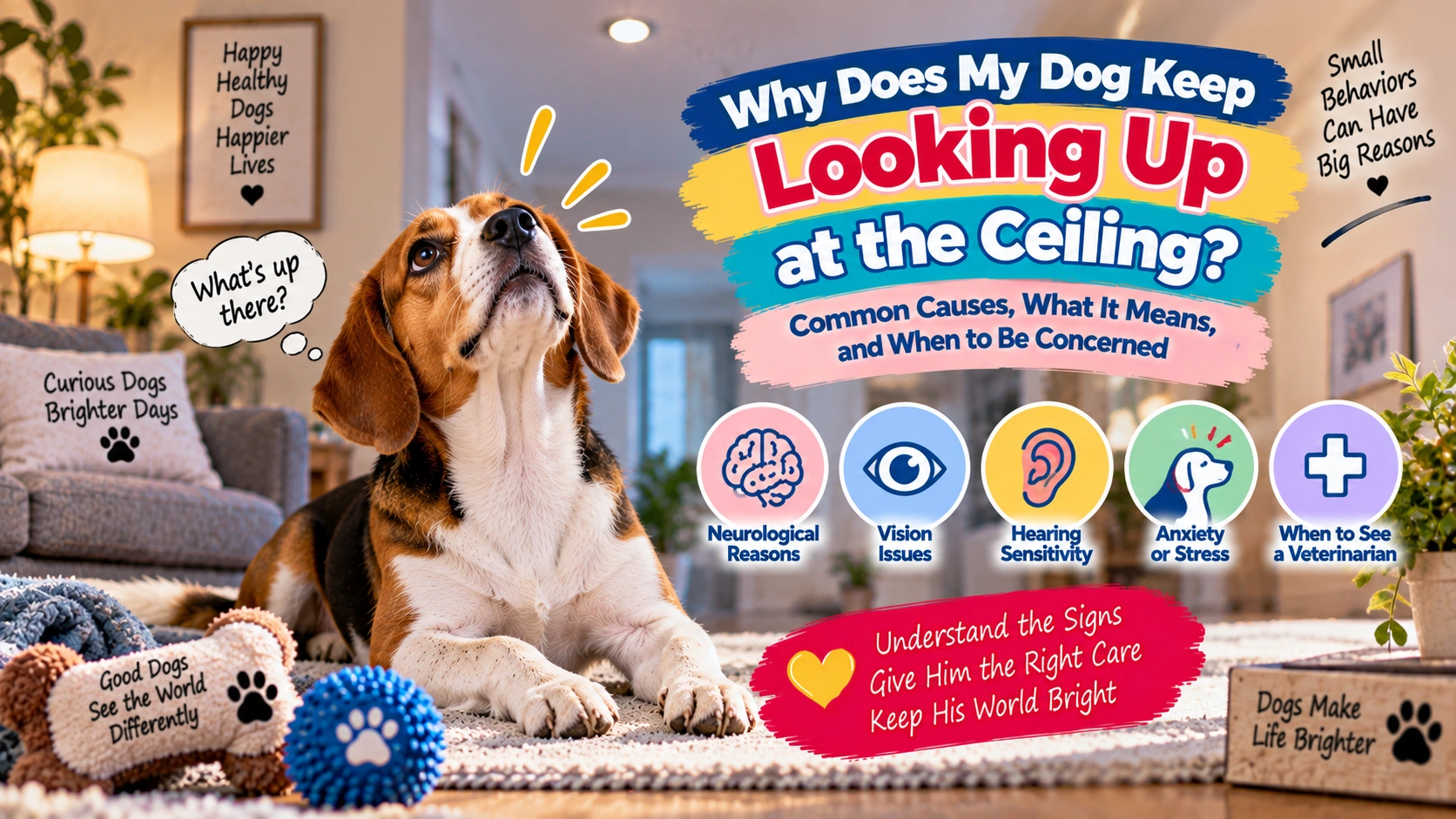
Repeatedly staring or looking upward can be caused by sounds, insects, learned attention, neck discomfort, vision changes, or less commonly neurolo...
Crying during the first few steps after rising can point to joint, paw, muscle, or spinal pain that is most noticeable after rest.
Repeated stretching soon after meals can be normal, but it may also accompany gas, nausea, abdominal discomfort, or more serious digestive pain.
A dog that briefly avoids one paw after rest may have joint stiffness, a sore pad, nail injury, soft-tissue pain, or an orthopedic problem that eas...
Nighttime gulping and repeated swallowing may reflect nausea, reflux-like discomfort, excess saliva, oral pain, throat irritation, or a swallowing...
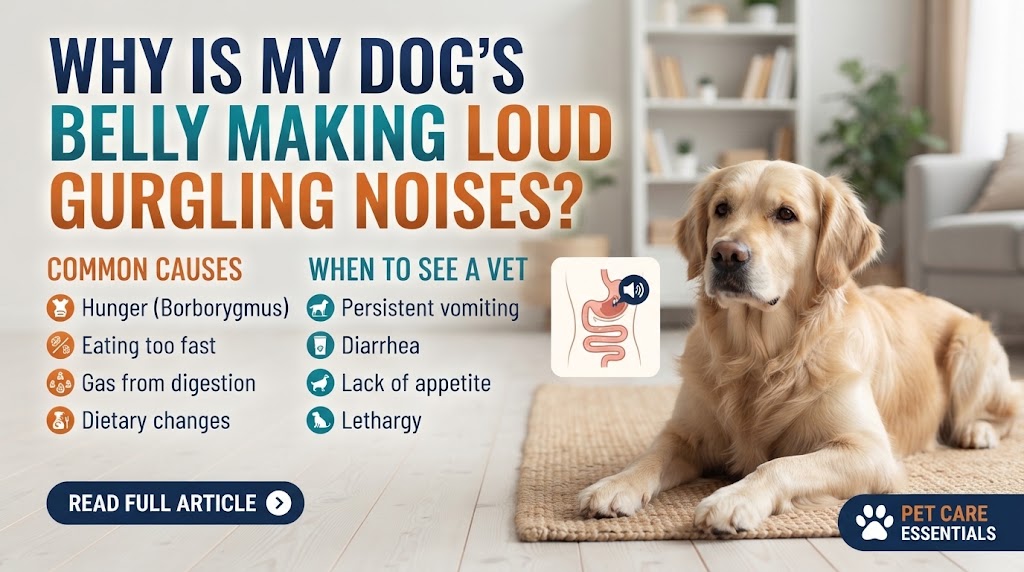
Digestive sounds can be normal, but persistent loud gurgling may accompany hunger, diet changes, gas, intestinal upset, or other gastrointestinal p...
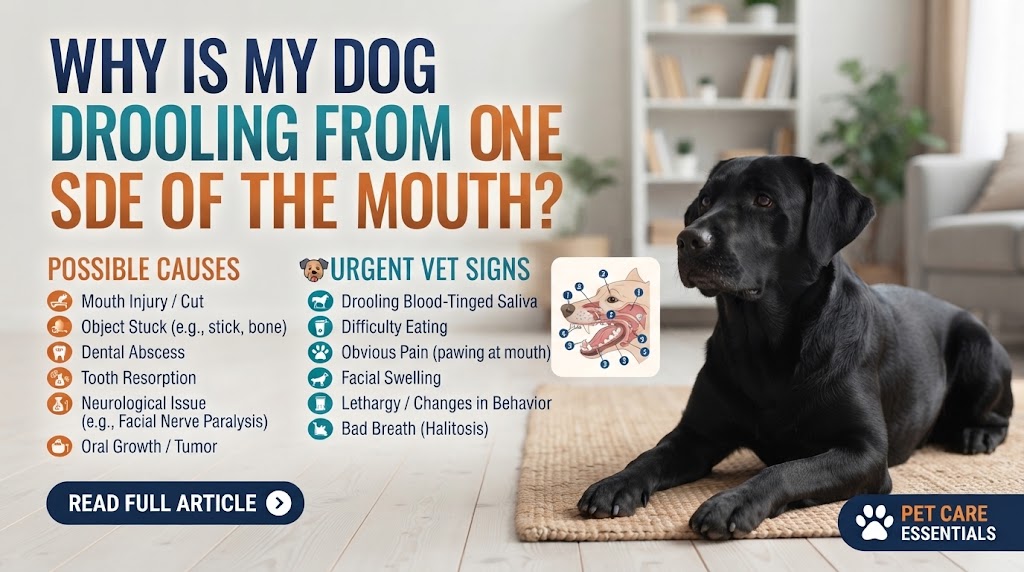
One-sided drooling can point to a local mouth problem, dental pain, a foreign object, oral injury, nausea, or a neurologic problem affecting the face.
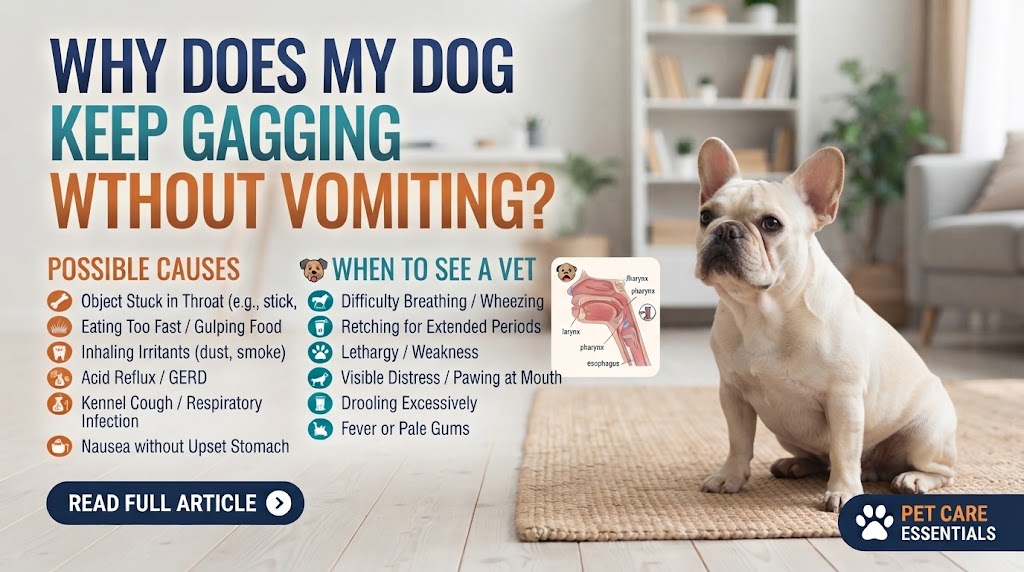
Repeated gagging without producing vomit can come from throat irritation, coughing, a foreign object, nausea, airway disease, or an emergency such...
Sudden one-sided facial swelling may be caused by an insect sting, dental infection, trauma, salivary disease, or another localized inflammatory pr...
Pain when the back is touched can arise from muscle strain, spinal pain, rib or skin injury, or discomfort referred from nearby structures.
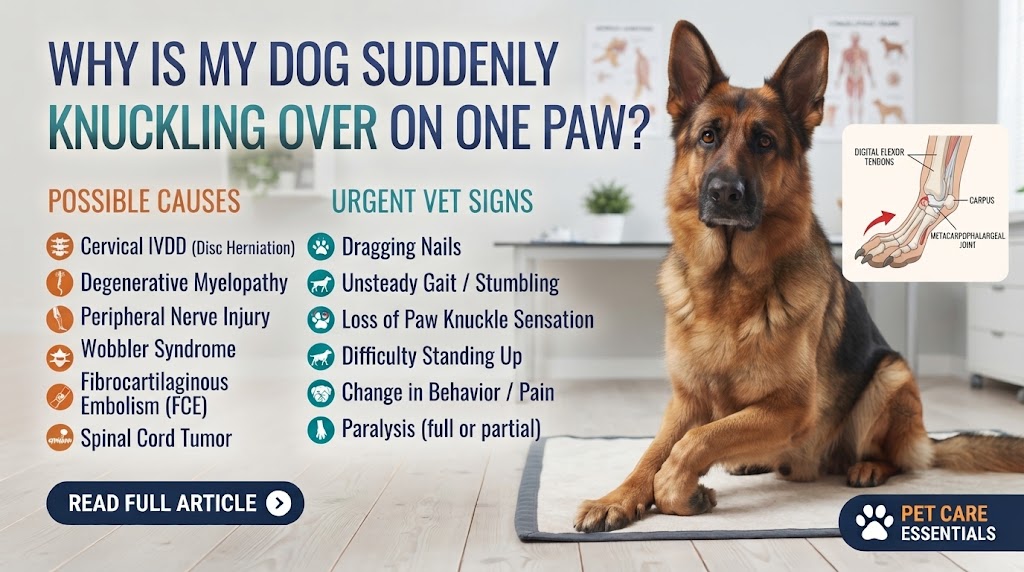
Knuckling—standing or stepping on the top of a paw—can indicate a neurologic, spinal, nerve, orthopedic, or severe weakness problem and deserves pr...
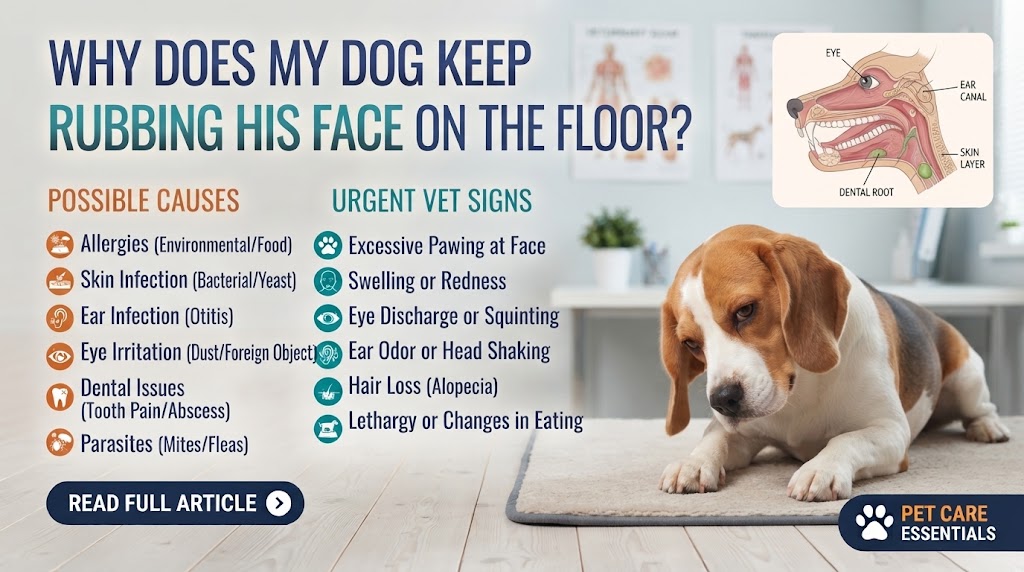
Repeated face rubbing can reflect eye irritation, ear discomfort, dental or mouth pain, allergies, skin irritation, or something stuck around the f...
A jaw that suddenly hangs open or cannot close normally may reflect trauma, jaw-joint problems, oral pain, nerve dysfunction, or another urgent con...
Inability to fully close one eye can expose the cornea to drying and injury and may be associated with facial nerve dysfunction, trauma, swelling...
A repeated chest-down, rear-up stretch can be ordinary stretching, but when persistent it may accompany abdominal discomfort, nausea, back pain, or...
Orange urine may reflect concentrated urine, pigments from blood breakdown, liver or bile-related disease, medications, or other urinary changes th...
Stronger urine odor can occur with concentrated urine, diet changes, urinary infection, or contamination, but odor alone cannot diagnose the cause.
Urine leakage during sleep can occur with urinary incontinence, urinary tract disease, increased urine production, neurologic problems, or structur...
Defecating soon after a meal can reflect the normal gastrocolic response, a learned routine, diet effects, or gastrointestinal irritation when stoo...
A single narrow stool may be incidental, but repeatedly ribbon-like stool can occur with straining, colon or rectal disease, pain, or narrowing nea...
Visible food-like material in stool can follow rapid eating or certain foods, but persistent changes with weight loss or diarrhea may indicate abno...
Repeated straining after passing stool can occur with colitis, constipation, rectal irritation, anal-area discomfort, or other lower gastrointestin...
Vomiting after drinking may follow rapid water intake, nausea, stomach disease, heat or exercise, but repeated episodes can quickly lead to dehydra...
Passive return of food hours after a meal can suggest an esophageal problem and should be distinguished from active vomiting because the causes and...
Brief hiccups after eating are often harmless, especially in young dogs, but persistent or unusual episodes should be distinguished from coughing...
A red eyelid bump can arise from an inflamed gland, cyst, infection, irritation, or eyelid mass; rubbing and corneal irritation make examination mo...
A visible third eyelid can appear with eye pain, dehydration, illness, nerve problems, or a local gland disorder and is more concerning when new or...
Unequal pupils, called anisocoria, can be associated with eye disease, nerve dysfunction, trauma, or neurologic problems and should be assessed pro...
New light sensitivity can be a sign of painful eye inflammation, corneal injury, glaucoma, or other ocular disease and deserves prompt veterinary a...
Brown staining around the mouth often comes from saliva on light fur, but excessive licking, dental disease, skin-fold irritation, or chronic moist...
Loss of nose pigment can be seasonal or benign in some dogs, but inflammation, trauma, immune-mediated disease, or other skin disorders can also al...
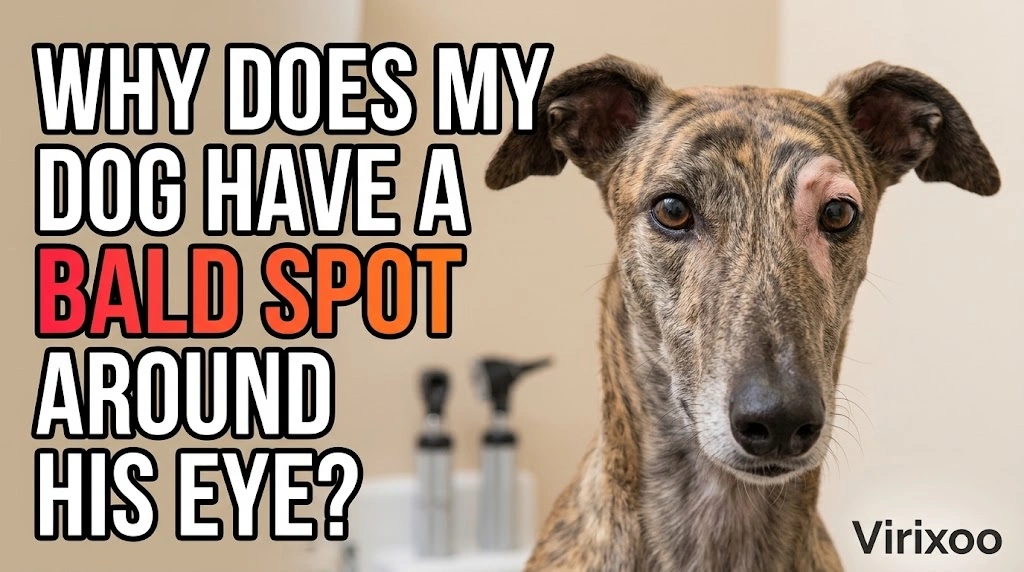
Hair loss around one eye can result from rubbing, parasites, fungal disease, bacterial skin disease, allergies, or eye irritation that causes self...
A nail may darken because of normal pigment, trauma, dried blood, infection, or nail-bed disease; a new change with pain or swelling deserves exami...
A swollen paw pad can follow trauma, burns, a foreign body, insect sting, infection, or inflammation and should be checked when painful or persistent.
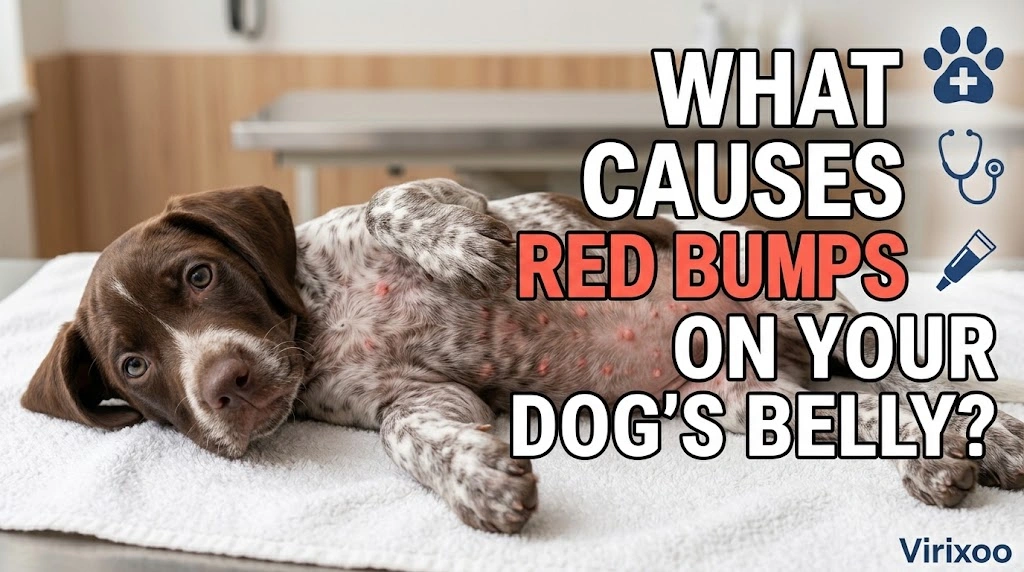
Small red belly bumps can come from contact irritation, insect bites, superficial infection, allergies, or parasites; distribution and itchiness he...
Sudden doorway hesitation can reflect fear, poor vision, slippery flooring, pain, a startling past event, or a change in the environment.
Standing over a person can be a learned attention-seeking habit, a request for contact, uncertainty, guarding-related behavior, or simply a preferr...
Carrying food away before eating can reflect comfort, competition avoidance, surface preference, learned habit, or a desire to eat in a quieter loc...
Barking at a reflection often reflects novelty, arousal, uncertainty, or incomplete recognition of the visual image rather than aggression toward a...
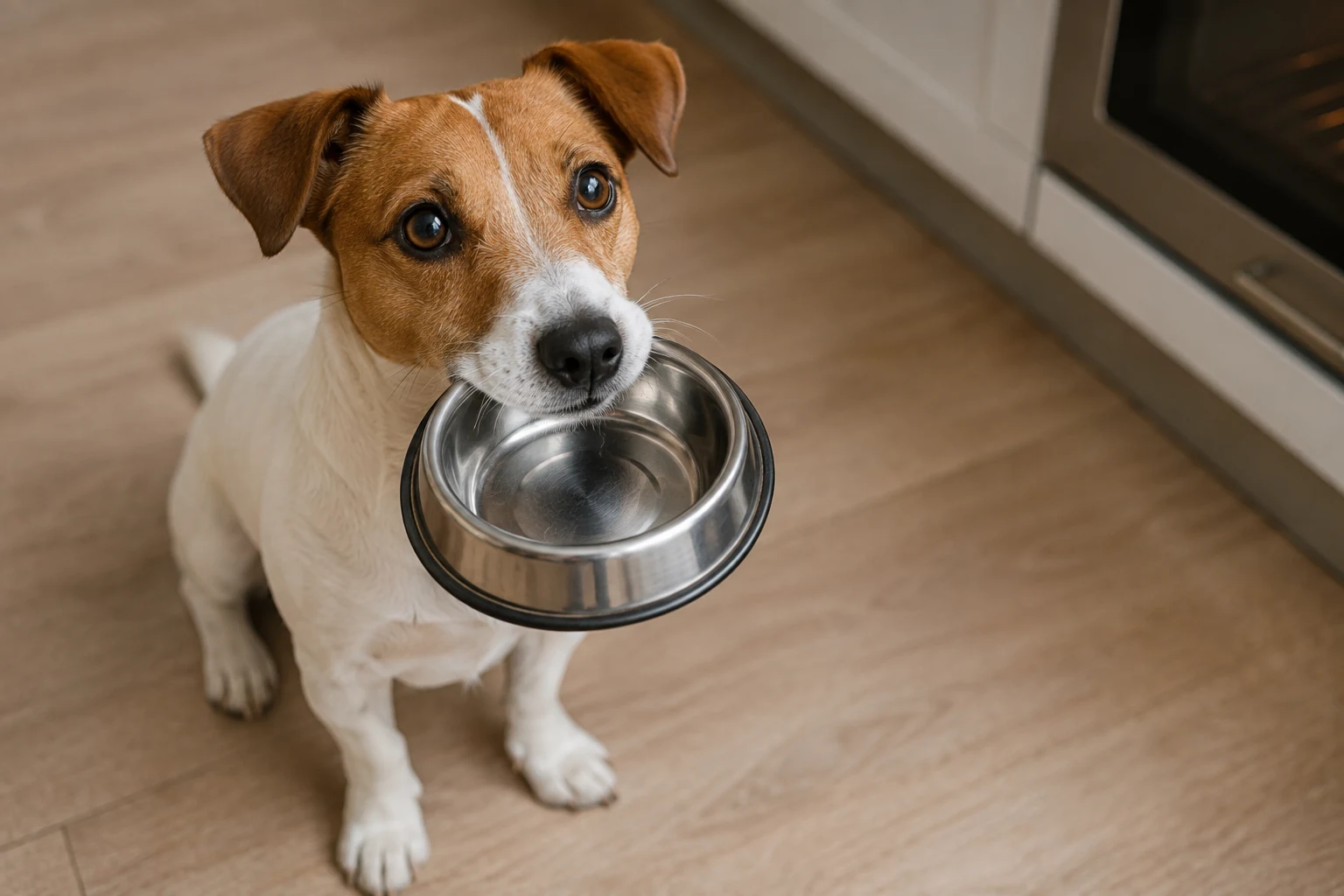
A dog may avoid a metal bowl because of noise, reflections, movement, collar-tag contact, location, or pain that coincidentally makes eating uncomf...
Hiding treats can be normal caching behavior, especially when a dog is not hungry, values the item highly, or prefers to save it for later.
Looking back at an owner during meals can reflect social referencing, habit, uncertainty, resource concerns, or anticipation of interaction.
Avoiding tile can follow a slip, reduced traction, nail or paw pain, joint weakness, vision changes, or fear learned from a previous fall.
Carrying a favorite toy can be normal comfort, play, attention seeking, or self-soothing; concern rises when it becomes compulsive or accompanies d...
Freezing when the leash is attached can reflect fear, equipment discomfort, pain, negative associations, or uncertainty about what happens next.
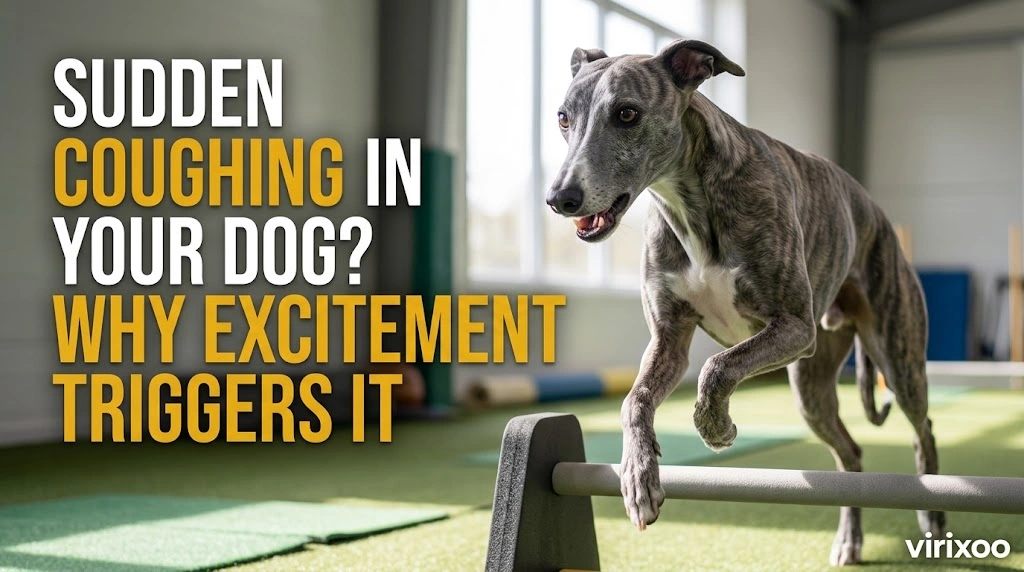
Coughing during excitement can be triggered by airway irritation or pressure, but recurrent coughing may also occur with tracheal, lung, or heart d...
Car-only drooling commonly accompanies motion sickness, nausea, stress, or anticipation and is especially informative when it starts soon after tra...
A brief shake after drinking may be harmless, but repeated head shaking can point to water entering an irritated ear, ear disease, or discomfort ar...
Gagging after exercise can follow airway irritation, pulling against a collar, overheating, or respiratory disease and should not be dismissed when...
Nighttime panting can be caused by heat, anxiety, pain, medication effects, or medical disease; a new persistent pattern deserves assessment, espec...
Whining when lowering the head to a bowl can indicate neck, back, shoulder, mouth, or dental pain rather than simple pickiness.
Stumbling during tight turns can reveal balance, neurologic, orthopedic, vision, or weakness problems that may be less obvious during straight walk...
Avoiding one side can reflect joint, rib, abdominal, skin, ear, or other localized pain, particularly when the preference is new and consistent.
Nighttime crying can be related to pain, gastrointestinal or urinary needs, anxiety, cognitive changes, or another problem that interrupts sleep.
Stopping mid-walk and looking back can be communication or checking in, but a new repeated pattern may also signal pain, fatigue, fear, heat, or en...
No matching guides found.
How to use these guides
Start with the guide that best matches your question. Virixoo helps you
understand common causes, safe next steps and warning signs. For urgent,
severe or persistent symptoms, seek veterinary care.