Sniffing is not wasted walking time for a dog. Dogs gather enormous amounts of information through scent, so a fire hydrant, tree, patch of grass, or breeze can be as interesting to them as a busy news feed is to a person. The goal is usually not to stop sniffing but to create a walk that includes both safe scent exploration and the ability to move on when needed.
Quick Answer
Yes, it is generally beneficial to let your dog sniff during walks when the location is safe. Build predictable sniff breaks into the walk, then teach a cue such as “let’s go” for moving on. Reward your dog for checking in and walking with a loose leash between sniff opportunities. Sudden obsessive sniffing accompanied by distress, disorientation, pain, or other behavior changes should be evaluated separately.
Why Sniffing Matters So Much to Dogs
Humans rely heavily on vision; dogs rely heavily on scent. Odors can tell a dog which animals have passed through an area, whether another dog has recently urinated there, what food is nearby, and how an environment has changed since the last visit. Sniffing is therefore exploration and information gathering, not simply stubbornness.
Sniffing Can Be Mental Enrichment
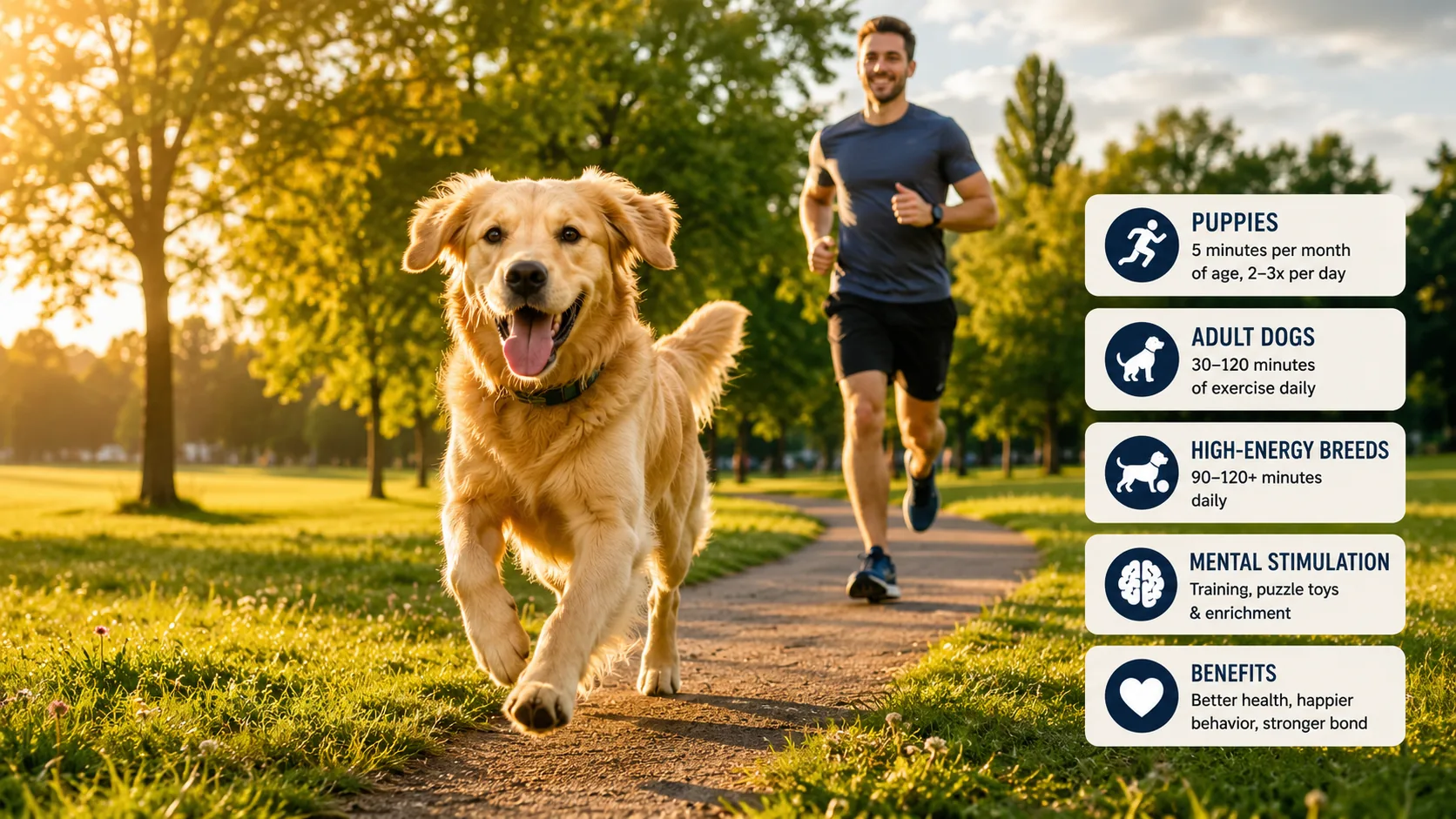
A slow walk with time to investigate scents can be mentally satisfying even when it covers less distance. This does not replace appropriate physical activity, but it adds a different kind of enrichment. Some dogs appear calmer after a sniff-focused walk because they were able to engage in natural exploratory behavior.
Why Does My Dog Stop Every Few Feet?
The Area Is Scent-Rich
Popular dog-walking routes contain layers of scent from dogs, wildlife, food, people, vegetation, and weather changes. To your dog, the same sidewalk can be different every day.
Your Dog Has Learned That Pulling Reaches the Smell
If a tight leash consistently allows the dog to reach a tree or patch of grass, pulling is rewarded. You can preserve sniffing while changing how access happens: loose leash first, then permission to sniff.
Your Dog Is Anxious or Uncertain
Sniffing can sometimes appear in stressful situations. A dog may lower the head and sniff as part of displacement behavior when unsure about a person, dog, sound, or environment. Look at the entire body instead of assuming every sniff is curiosity.
A Better Walking System: Move, Sniff, Move
1. Choose a “Go Sniff” Cue
Use a phrase that means the dog has permission to explore within the leash length. This makes sniffing an intentional part of the walk.
2. Choose a Moving-On Cue
Use a separate phrase such as “let’s go.” Say it once, begin moving, and reward the dog for coming with you.
3. Reward Loose-Leash Walking With Sniffing
Sniffing itself can be the reward. Ask for several steps with a loose leash, then release the dog to investigate a safe scent. This helps the dog learn that cooperation makes access to the environment easier.
4. Pick Your Moments
Allow longer sniffing in parks, quiet sidewalks, and safe green spaces. Use shorter sniff periods near traffic, crowded areas, broken glass, discarded food, or other hazards.
What About Dogs That Pull Toward Every Smell?
Work on leash skills separately from the most distracting walk. Begin in an easier environment and reward slack in the leash. Then add controlled sniffing as a reward. See How to Leash Train a Dog Without Pulling.
When Sniffing Becomes a Safety Issue
Dogs can find discarded food, animal waste, toxic substances, medication, sharp objects, or other hazards. A reliable leave it cue is useful before the dog picks something up, while drop it is useful after an object is already in the mouth. Never allow the dog to investigate an unknown chemical, dead animal, or dangerous roadside debris closely.
Is Sniffing the Same as Sniffing Other Dogs?
The same powerful scent system is involved, but dog-to-dog investigation has additional social information. For that topic, see Why Does My Dog Sniff Other Dogs’ Rear Ends?.
When to Be Concerned
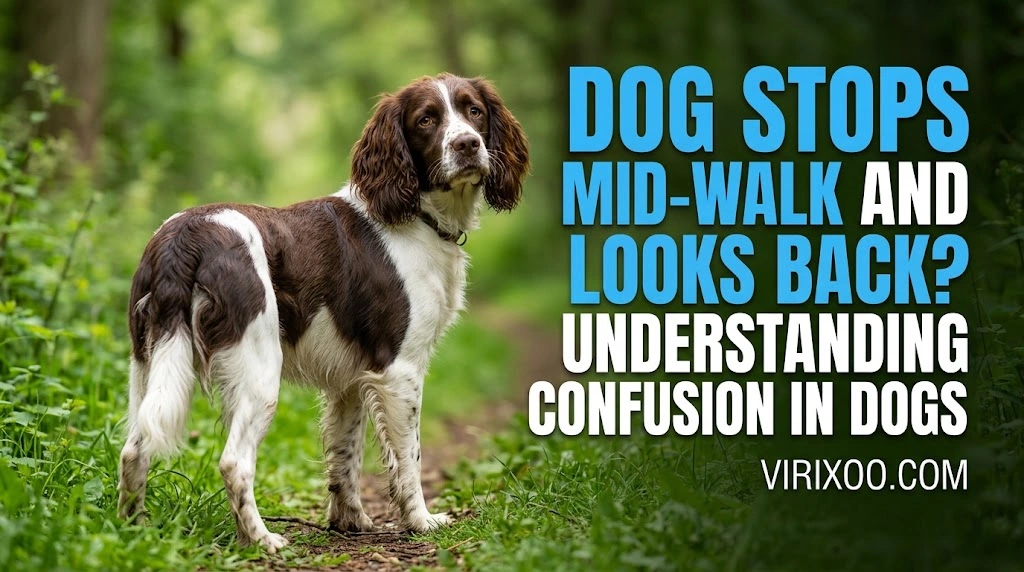
Ordinary scent exploration should be flexible: the dog can eventually move on and remains aware of the environment. Contact a veterinarian if sniffing behavior changes suddenly and occurs with confusion, persistent circling, weakness, pain, nasal bleeding, breathing changes, or other abnormal signs.
Separate “Sniff Walks” From Destination Walks
Not every outing needs the same rules. One walk can be a relaxed scent walk where the dog chooses much of the pace; another may be a practical walk where you need to reach a destination. Clear cues help the dog understand which version is happening. Predictability reduces conflict because the dog learns that moving with you does not mean sniffing opportunities disappear forever.
Use the Environment as Payment
Food rewards are useful, but the strongest reward may be the smell itself. If your dog wants a tree, ask for a few loose-leash steps and then say “go sniff.” This is a practical example of using access to what the dog wants to reinforce cooperation. Over time, the dog learns that a loose leash and check-ins help the walk continue.
A Balanced 30-Minute Walk Example
| Time | Activity |
|---|---|
| First 5 minutes | Loose movement and toileting |
| Next 10 minutes | Frequent safe sniff breaks |
| Next 5 minutes | Simple check-ins and leash practice |
| Next 5 minutes | Longer scent exploration |
| Final 5 minutes | Calmer return home |
This is only an example. Age, health, weather, environment, and individual preference should change the plan.
FAQ
Should I let my dog sniff every walk?
Most dogs benefit from at least some safe sniffing time. The exact balance depends on the environment, training goals, and the dog.
Does sniffing tire a dog out?
It provides mental engagement and can be satisfying, but it should complement rather than replace appropriate physical exercise.
How do I stop my dog from spending five minutes at one tree?
Use a consistent moving-on cue, reward the dog for following, and offer another sniff opportunity later.
Why does my dog sniff more in a new place?
New environments contain unfamiliar scent information, so increased investigation is expected.
Trusted References
American Kennel Club: Why Does My Dog Sniff Everything? · PetMD: Why Scent Walks Are Important