Home
›
Cats Care Guides
Choose cat toys that support hunting and problem-solving while avoiding loose strings, small swallowable parts, unstable structures and unsupervise...
Reduce fall and escape risks by securing windows, screens and balconies, checking climbing routes and planning safe alternatives for fresh air and...
Cat dandruff can reflect dry skin, reduced grooming, parasites or skin disease. Learn what flakes mean and which coat changes deserve veterinary care.
Learn when cat ears need cleaning, how to use a veterinarian-approved ear cleaner safely and which redness, odor or discharge means stop and see a...
Most healthy cats rarely need routine baths. Learn when bathing is useful, how to make it lower stress and when skin problems need veterinary care...
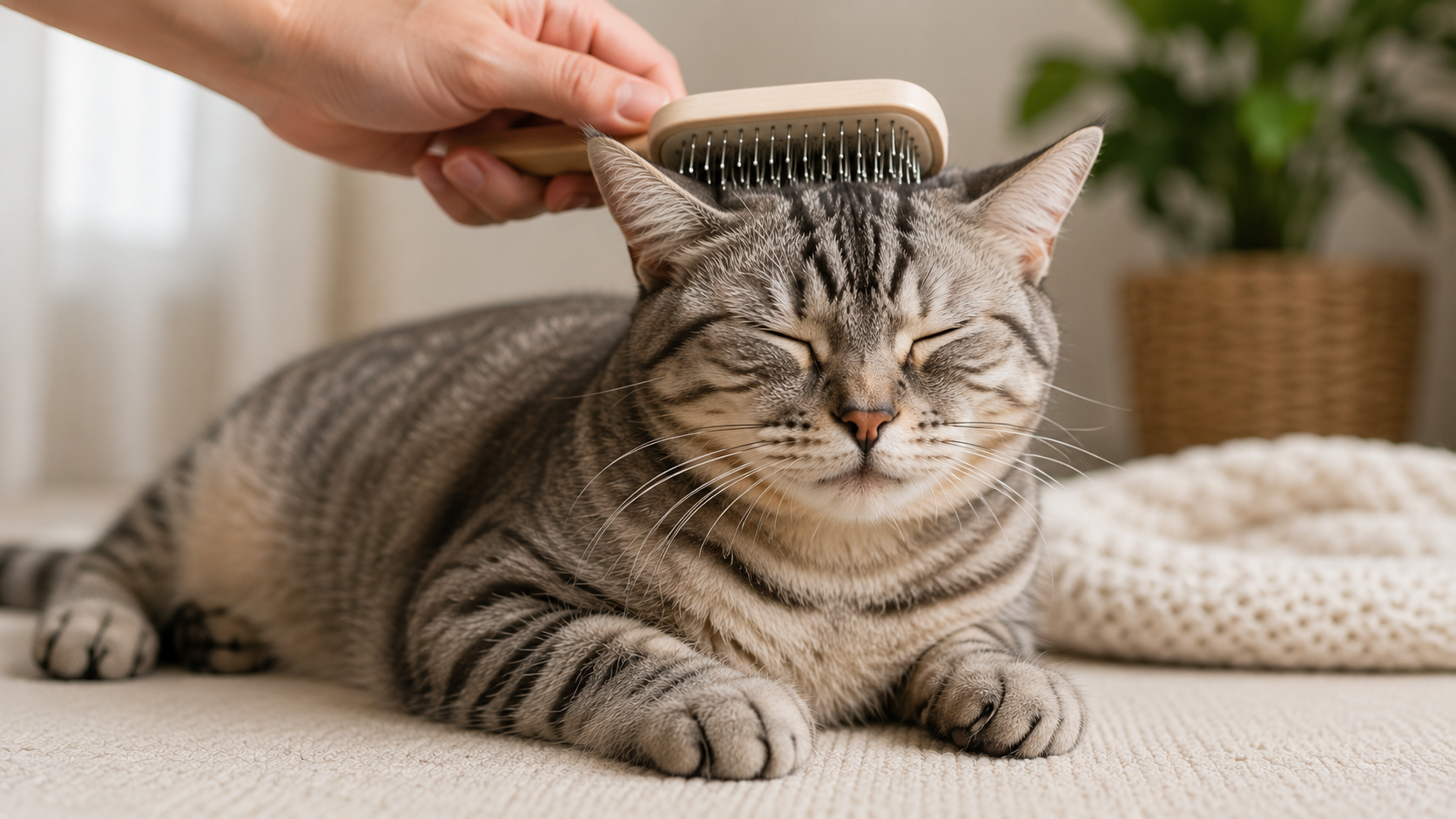
Teach a cat to accept brushing with short sessions, the right tool and reward-based handling while checking the coat for skin or health changes.
Help an overweight cat lose weight gradually with a veterinary calorie plan, measured meals, tracking and activity—without dangerous crash dieting.
Compare wet and dry cat food by nutrition, moisture, calories, convenience and your cat's health needs instead of treating one format as universall...
Change cat food gradually with a measured transition, appetite monitoring and clear stop signs for vomiting, diarrhea or refusal to eat.
Learn how to set cat portions using calorie needs, body condition, life stage and food labels instead of relying on one universal cup amount.
Build a richer indoor life with hunting-style play, vertical space, scent exploration, food puzzles and predictable choices that fit your cat.
Make veterinary visits easier with carrier familiarity, calm transport, pre-visit planning and small steps that reduce stress before you leave home.
A cat hiding from guests may be protecting a sense of safety. Learn how to reduce pressure, build confidence and avoid forcing social contact.
Cat swatting can be play, a boundary signal or a response to fear and pain. Learn how claws, body language and context reveal what to do next.
Hissing is usually a request for distance, not spite. Learn how fear, pain, frustration and overstimulation can trigger it and how to respond safely.
Reduce hidden tension between cats by separating key resources, adding safe routes and reading subtle signs before conflict turns into fighting.
Help your cat settle after a move by starting with a safe room, preserving familiar scents and expanding territory gradually at the cat's pace.
Reduce counter jumping without punishment by removing rewards, creating better elevated alternatives and reinforcing the places you want your cat t...
Teach a reliable cat recall with a distinct cue, high-value rewards and short sessions that build a useful everyday and emergency skill.
Turn the cat carrier from a warning sign into a familiar safe space with gradual, reward-based training that makes travel and vet visits easier.
Cat diarrhea can follow diet changes, parasites, infection or chronic disease. Learn what to monitor, how to protect hydration and when care is nee...
Cat constipation can range from a short-lived stool problem to serious obstipation. Learn what to watch, what is safe at home and when straining is...
Blood in a cat's urine can accompany bladder inflammation, stones or obstruction. Learn what signs make the problem urgent and what not to do at home.
Frequent litter-box trips and large urine clumps mean different things. Learn how to distinguish frequency from volume and when urinary changes are...
A cat suddenly drinking more water may need a health check. Learn what increased thirst can mean, what to measure and when to call your veterinarian.
Panting is uncommon in resting cats. Learn when heat or intense exertion may explain it and which open-mouth breathing signs require emergency care.
Cat coughing can be confused with hairball retching. Learn how asthma and other airway problems look, what to record and when breathing signs are u...
Watery cat eyes may reflect mild irritation or eye disease. Learn what discharge, squinting, redness and one-sided changes mean for urgency.
Persistent bad breath in cats can point to dental disease or other health problems. Learn what odors and mouth changes deserve a veterinary exam.
Cat drooling can follow relaxation, nausea, mouth pain, toxins or swallowing problems. Learn what to check and when veterinary care is urgent.
Learn why cats gently touch human faces with their paws, how attention and learned routines contribute, and how to keep close contact comfortable a...
Learn why cats choose stairs as resting and observation points, how elevation and household traffic make them interesting, and how to reduce trip r...
Learn why cats lick or groom human hair, how social grooming and scent may contribute, and why hair products and swallowed strands require sensible...
Learn why some cats vocalize before jumping, how attention and routine may contribute, and when hesitation or pain around jumping needs veterinary...
Learn why cats quickly occupy the exact place their owners leave, how residual warmth, scent and comfort explain the behavior, and how to share fav...
Learn why some cats watch television and screens, what types of movement attract them, and how to make screen-based enrichment safer.
Discover why cats choose pillows and the area near an owner's head, how warmth and scent influence the choice, and how to redirect the habit if nee...
Learn why cats often stretch when a familiar person approaches, how waking, relaxation and greeting routines contribute, and what body language to...
Learn why cats lick windows and glass, how condensation, scents and habit may contribute, and how to keep glass surfaces safe.
Learn why some cats sleep under blankets, how warmth and security make covered spaces appealing, and how to keep the habit safe.
Discover why cats sit on paper, notebooks and documents, how texture, warmth and attention can make paper attractive, and how to protect important...
Learn why some cats spend a long time digging in litter, how box size and litter preferences matter, and which straining or elimination changes req...
Learn why cats wait outside bedroom doors, how access, routine and social contact influence the behavior, and how to create consistent nighttime bo...
Learn why cats chase their tails, when the behavior is ordinary play, and which signs of skin irritation, pain or compulsive behavior deserve atten...
Learn why cats cover their faces with paws or tails while sleeping, how light, warmth and sleeping posture contribute, and when unusual sleep behav...
Understand why cats investigate objects, bags, furniture and people with their noses, how scent supports exploration, and when unusual sniffing may...
Learn why a cat may sit with its back toward you, how relaxation and environmental monitoring influence position, and why it is not necessarily a s...
Learn why some cats scratch the floor after eating, how food-covering behavior and routine may contribute, and when changes in appetite deserve att...
Discover why cats spend so much time at windows, how outdoor movement and sunlight provide enrichment, and how to create a safer viewing spot.
Learn why cats sit or sleep on their owner's clothes, how familiar scent, warmth and soft textures contribute, and how to protect clean laundry wit...
Learn why cats sniff faces and breath, how scent helps them investigate familiar people, and how to keep close interactions comfortable and safe.
Learn why cats quickly take over warm chairs and sofas, how scent and routine influence favorite seats, and how to share space without conflict.
Understand why cats choose closets for sleep, how darkness, scent and quiet make them appealing, and how to keep closet hiding safe.
Learn why some cats prefer moving water, how fountains can help certain cats, and how to keep water stations clean and appealing without restrictin...
Learn why cats briefly shake their paws after touching water or litter, and which persistent paw-shaking signs can indicate irritation, injury or p...
Learn why cats chew cardboard, how texture and play may encourage it, and when swallowing non-food material requires veterinary attention.
Find out why cats follow people into bathrooms, how routine, closed doors and social interest contribute, and how to keep bathroom visits safe.
Learn why cats sometimes carry food away from their bowls, how location, competition and bowl setup may influence the behavior, and when eating cha...
Understand why cats scratch carpets, how texture, stretching and scent contribute, and how to redirect scratching without punishment.
Learn why cats choose to sleep near their owner's feet, how warmth, security and easy escape routes may influence the habit, and when sleep changes...
Learn why cats wait beside doors, how routines, outdoor smells and social anticipation contribute, and how to reduce risky door-dashing.
Learn why cats watch people shower, how running water, enclosed spaces and routine attract attention, and how to keep bathroom exploration safe.
Understand why cats rub against legs, furniture and people, how scent marking and social greeting contribute, and how to respond safely around your...
Learn why cats knead blankets, laps and beds, how comfort and settling routines may contribute, and how to manage claws without discouraging normal...
Learn why cats sit on laptops and keyboards, how warmth and attention influence the habit, and how to protect your work while giving your cat a bet...
Find out why cats paw at water bowls, how bowl depth, reflection and play may contribute, and how to reduce spills while keeping hydration easy.
Learn why cats roll onto their backs, how comfort, play and social signals differ from an invitation for belly touching, and how to read the whole...
Learn why cats lick people, how grooming, salt, attention and routine can contribute, and when excessive licking may reflect stress or skin discomf...
Understand why cats hide under beds, how rest, fear and stress can influence hiding, and how to tell normal retreat from a concerning behavior change.
Learn why cats sit or sleep in sinks, how cool surfaces, curved shapes and water interest may contribute, and when bathroom behavior changes deserv...
Learn why cats carry toys to people, how play, attention and hunting behavior may contribute, and how to respond without accidentally creating dema...
Understand why cats sleep for long periods, how age and activity affect rest, and which changes in sleep should prompt closer observation.
Learn why cats paw, scratch or scrape around food bowls, how covering behavior and routine may contribute, and when appetite changes deserve attent...
Learn why cats chirp, chatter or trill while watching birds, how hunting arousal may contribute, and how to provide safe indoor outlets.
Discover why cats are drawn to cardboard boxes, how enclosed spaces support rest and play, and how to make box enrichment safer.
Learn why some cats sprint after using the litter box, when post-poop zoomies are harmless, and which litter box or digestive signs should not be i...
Learn why cats stare at people, how food, curiosity, attention and body language affect the meaning, and how to tell relaxed watching from tension.
Understand why some cats lick plastic bags and packaging, what smells and textures may attract them, and how to prevent chewing or swallowing plastic.
Find out why cats push objects off tables and shelves, how curiosity, play and attention can reinforce the behavior, and how to protect your home w...
Learn why cats sleep on people, what warmth, comfort, routine and social attachment may have to do with it, and when a sudden change in sleeping be...
Learn why a cat may seem hungry all the time, how feeding habits and boredom can contribute, what health changes matter, and when increased appetit...
Learn what can cause cat sneezing, which accompanying symptoms matter, what you can safely monitor at home, and when respiratory signs require vete...
Learn how to trim cat nails safely, introduce paw handling gradually, identify the quick, avoid common mistakes, and know when a groomer or veterin...
Discover why cats follow their owners from room to room, how attention, routine, curiosity and stress can contribute, and when clingy behavior may...
A practical resident-cat introduction plan using separation, scent exchange, barrier meetings and short supervised contact to reduce fear and confl...
Prepare a safe room, help a newly adopted cat settle during the first days, expand access gradually, and recognize signs that stress or illness nee...
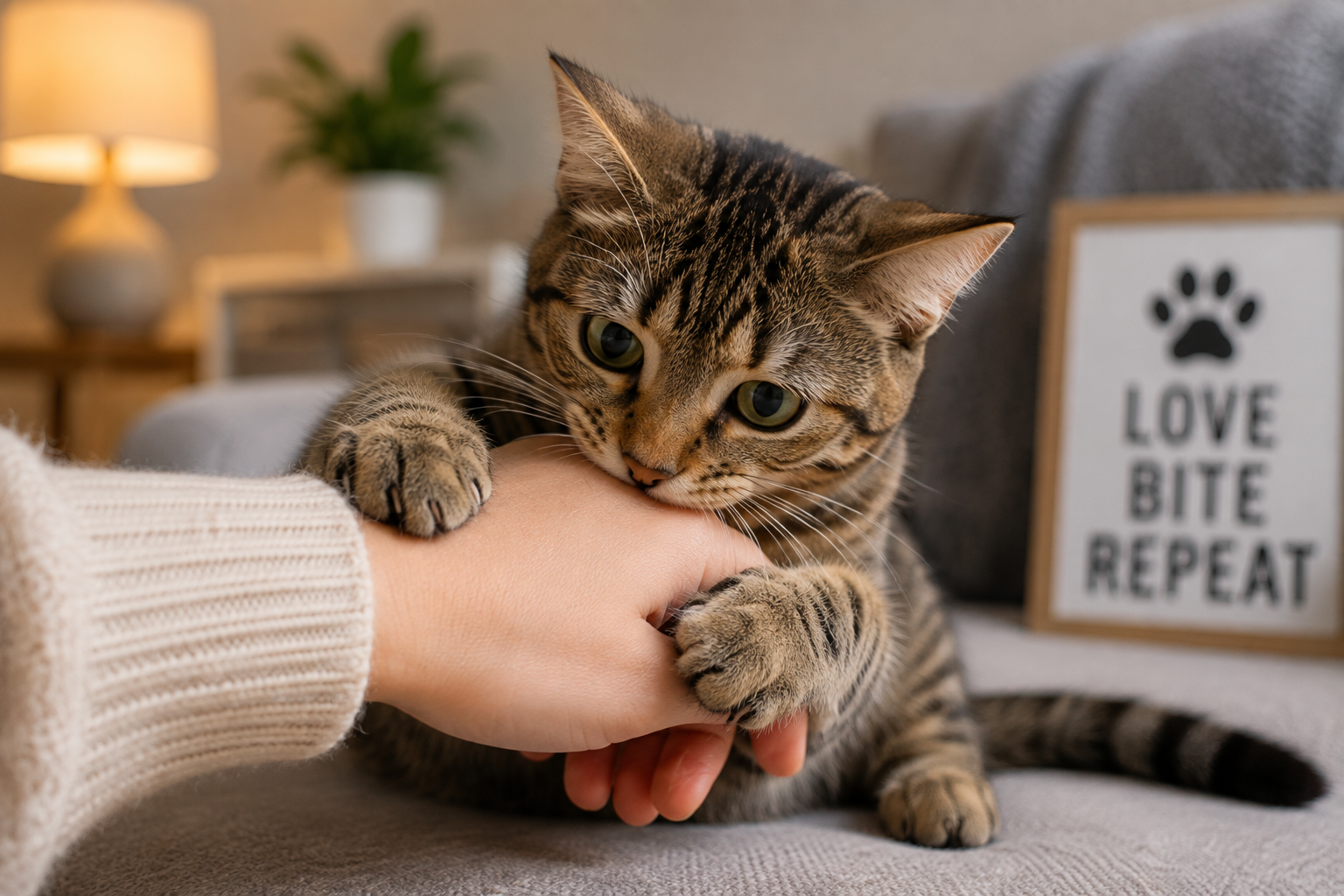
Learn why cats bite during petting, play, fear, frustration or pain, how to read warning signals, reduce triggers, and know when sudden aggression...
Understand why a cat may stop eating, what you can safely check at home, why prolonged appetite loss matters, and when a veterinarian should evalua...
Learn how to get your cat to drink more water with 12 safe hydration tips, plus bowl, fountain, wet food and veterinary warning-sign guidance.
Learn why cats meow at night, how to identify common triggers, what changes can improve nighttime routines, and when persistent vocalization needs...
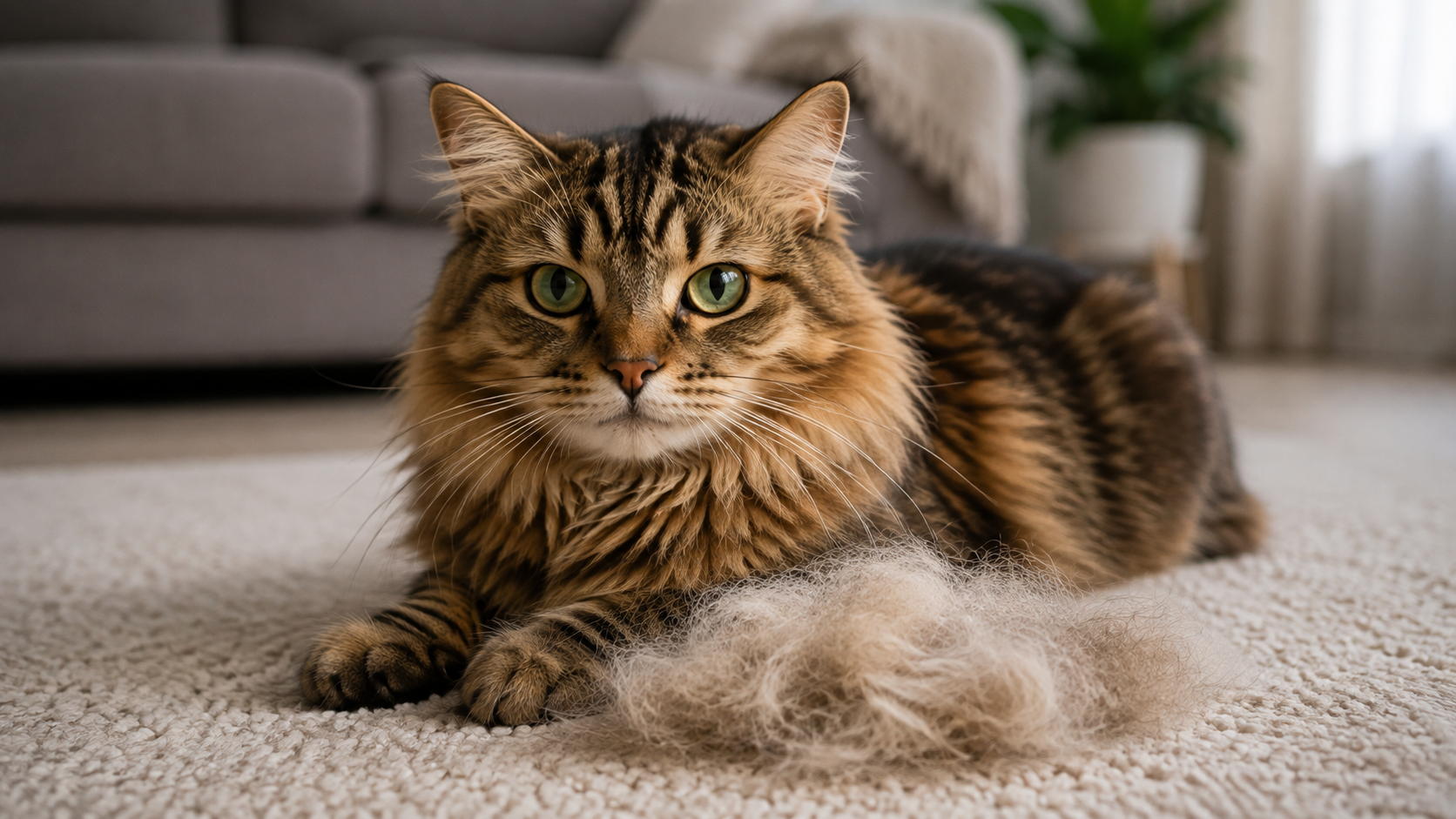
Learn common reasons a cat may lose hair, what owners can check at home, which patterns may suggest a skin problem, and when veterinary evaluation...
Learn how to recognize cat separation anxiety and support a calmer routine with predictable departures, enrichment, safe spaces, and gradual indepe...
Find out why a cat may vomit, what details owners should monitor, which warning signs need veterinary attention, and how to avoid unsafe home treat...
Learn practical cat dental care at home, including gradual tooth-brushing training, suitable products, warning signs of dental disease, and when a...
Learn how to stop a cat from scratching furniture by providing better scratching options, placing them strategically, using positive reinforcement...
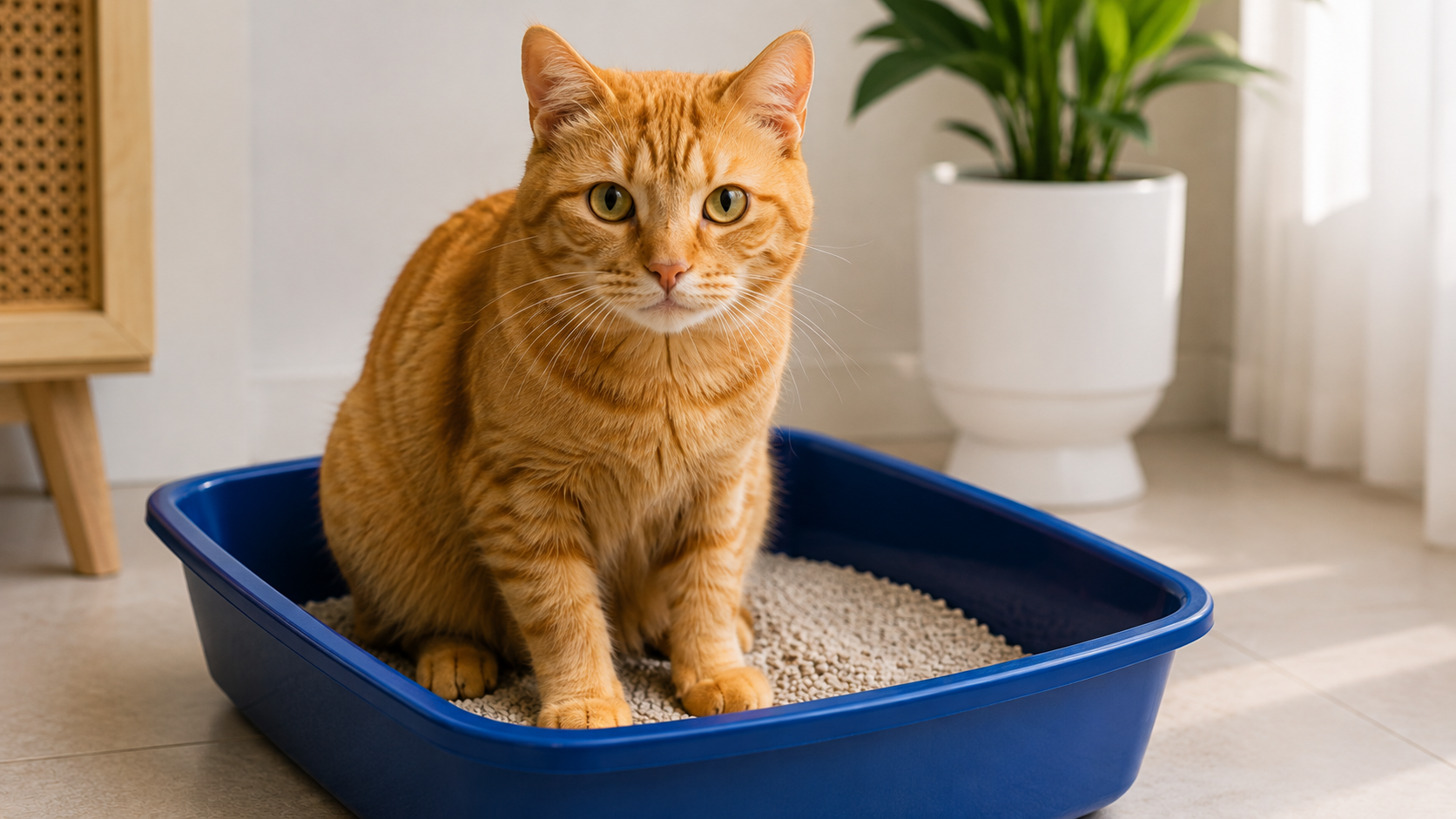
Understand why a cat may stop using the litter box and learn practical steps to check the setup, reduce stress, clean accidents, and know when vete...
Learn why a cat’s third eyelid may become visible, when a brief appearance can be harmless, and which accompanying signs make veterinary evaluation...
Learn what unequal pupils in cats can mean, why a sudden change deserves prompt veterinary attention, and which eye or neurologic signs raise the u...
Learn why a cat that suddenly bumps into furniture or walls may be losing vision and which eye, blood-pressure, or neurologic problems need prompt...
Learn how true head pressing differs from normal face rubbing or sleeping positions and why persistent pressing against walls or objects can signal...
Learn why a persistent head tilt in a cat can come from ear disease, vestibular dysfunction, trauma, or neurologic problems and which signs require...
Learn what a suddenly limp or hanging tail can mean in cats, how trauma or nerve injury may affect bladder function, and which warning signs need u...
Learn why a cat may suddenly drag one hind leg and how to recognize orthopedic injury, nerve damage, spinal disease, or circulation emergencies.
Learn why a cat’s face may suddenly swell and how to distinguish possible allergy, bite wounds, dental infection, trauma, or an airway emergency.
Learn why a cat’s ear flap may suddenly become puffy or fluid-filled and how scratching, trauma, mites, infection, or an aural hematoma can be invo...
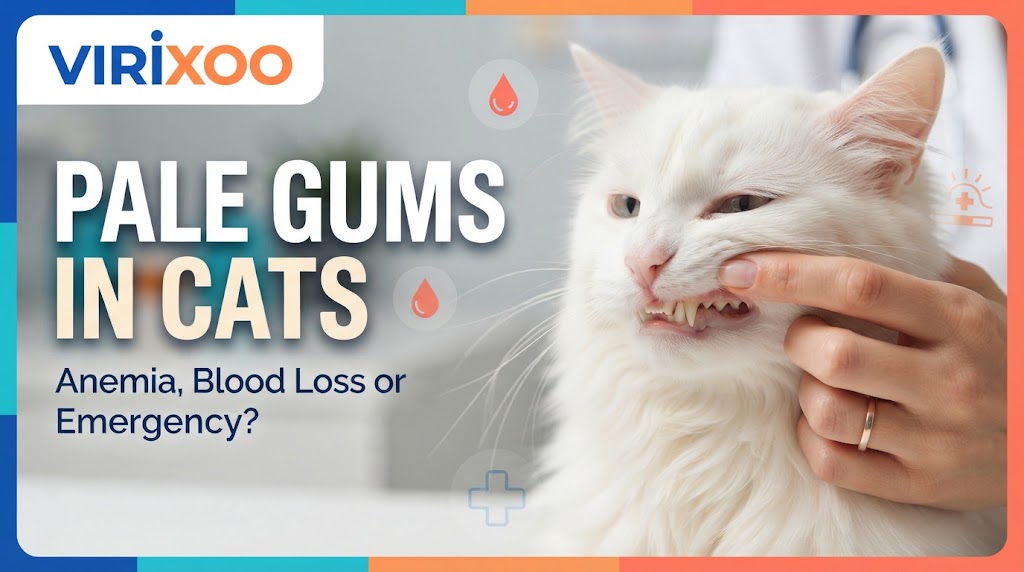
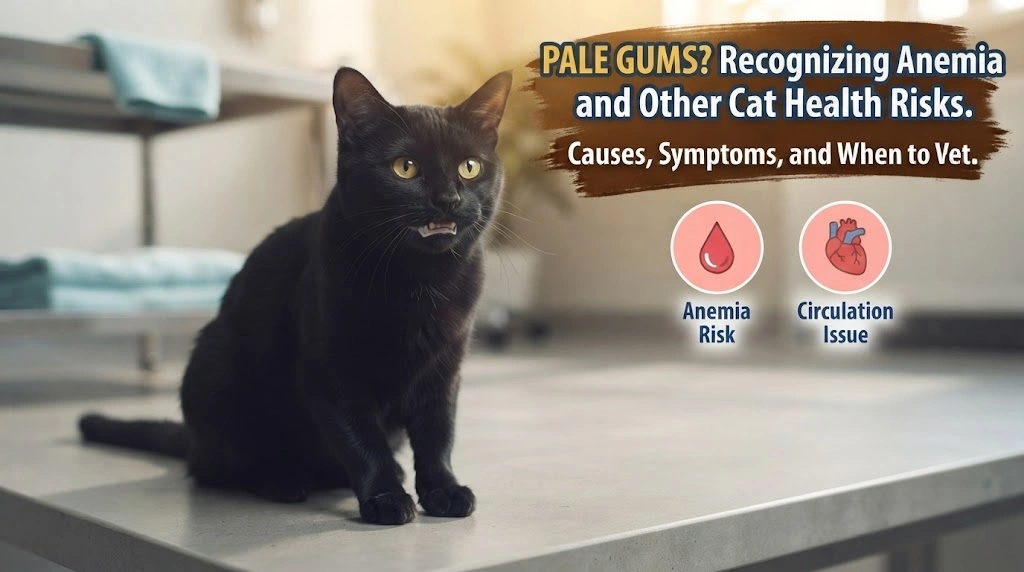
Learn how pale gums in cats can signal anemia, blood loss, poor circulation, or shock and which accompanying signs mean the situation may be an eme...
Learn what to do when a cat splits or tears a claw, how to control minor bleeding, and when exposed quick, pain, swelling, or infection needs veter...
Learn what a chipped or fractured cat tooth can mean, how to recognize pain or pulp exposure, and why veterinary dental treatment may be needed eve...
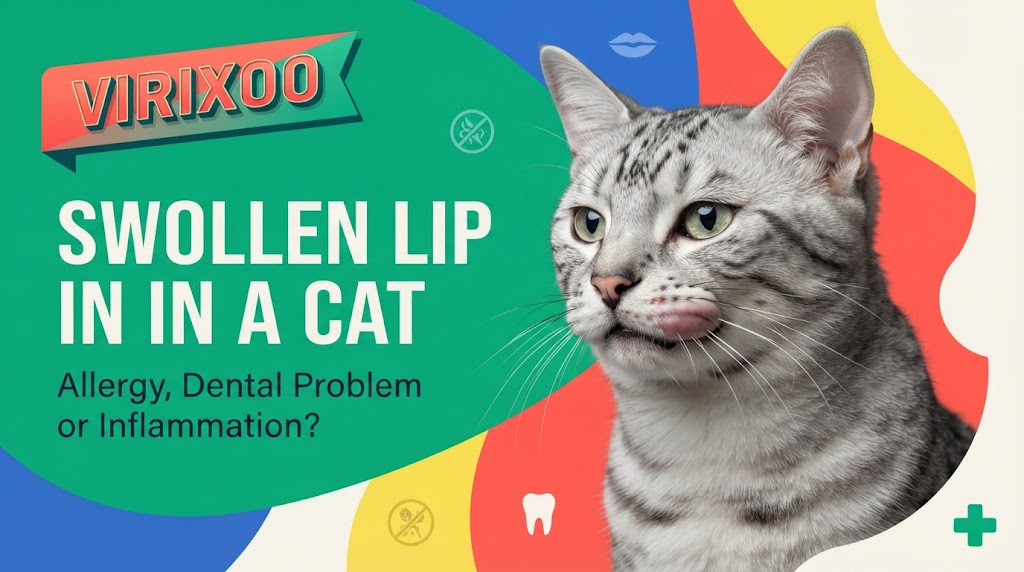
Learn why a cat’s lip may swell, how allergy, dental disease, trauma, infection, and eosinophilic granuloma can look similar, and when veterinary c...
Learn why cats can develop painful mouth ulcers, what causes sudden drooling or food refusal, and when oral lesions need prompt veterinary evaluation.
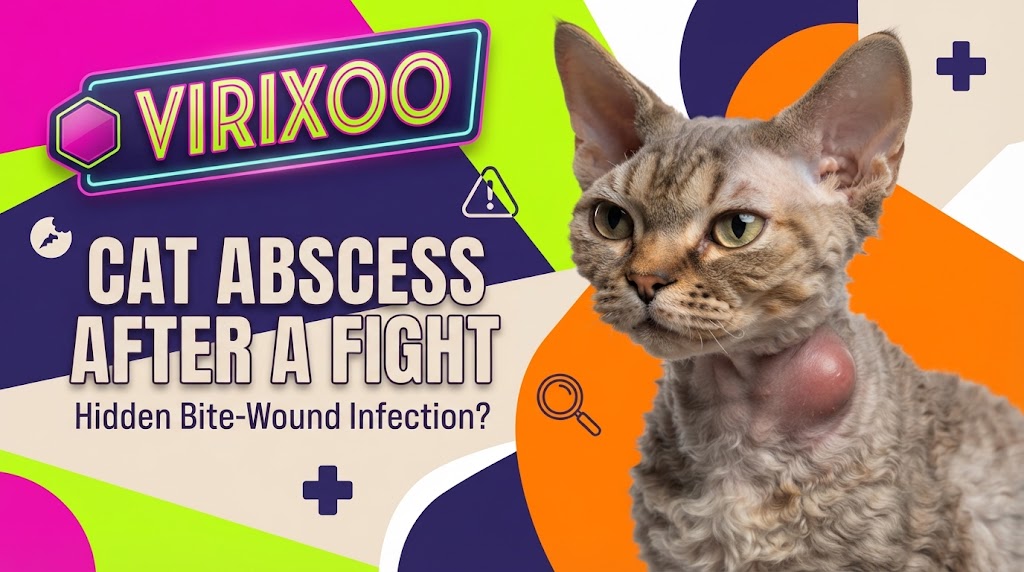
Learn how small cat bite wounds can seal over and form abscesses, which signs to watch for after a fight, and when swelling, fever, pain, or draina...
Learn why black, sticky, tar-like stool in cats can indicate digested blood and when melena, weakness, vomiting, or pale gums needs urgent veterina...
Learn what can make a cat’s abdomen look enlarged and how to recognize when rapid distension, pain, breathing changes, or weakness needs urgent vet...
Learn what can cause a cat nosebleed, how trauma, infection, clotting disorders, high blood pressure, or nasal disease change the concern, and when...
Learn why yellow gums, skin, or whites of the eyes in cats can signal jaundice and how liver disease, red blood cell destruction, or bile-flow prob...
Learn what sudden collapse or fainting can mean in cats, how heart, circulation, breathing, neurologic, metabolic, or bleeding emergencies are cons...
Learn why swallowed string, ribbon, thread, yarn, or tinsel can become a dangerous linear foreign body in cats and why visible material should neve...
Learn why needles, fish hooks, and other sharp objects are dangerous when swallowed by cats and why owners should never pull on attached thread or...
Learn why true lilies and daylilies are extremely dangerous to cats, how small exposures can cause kidney failure, and what to do immediately after...
Learn why some dog flea products containing permethrin are highly toxic to cats, how accidental exposure happens, and which tremors, twitching, or...
Learn why concentrated essential oils can be dangerous to cats, how licking, skin contact, or inhalation may cause problems, and when veterinary or...
Learn why common human medications can be highly toxic to cats, what information to gather after an accidental ingestion, and why owners should not...
Learn why ethylene glycol antifreeze is extremely dangerous to cats, why early symptoms can be misleading, and why immediate veterinary treatment i...
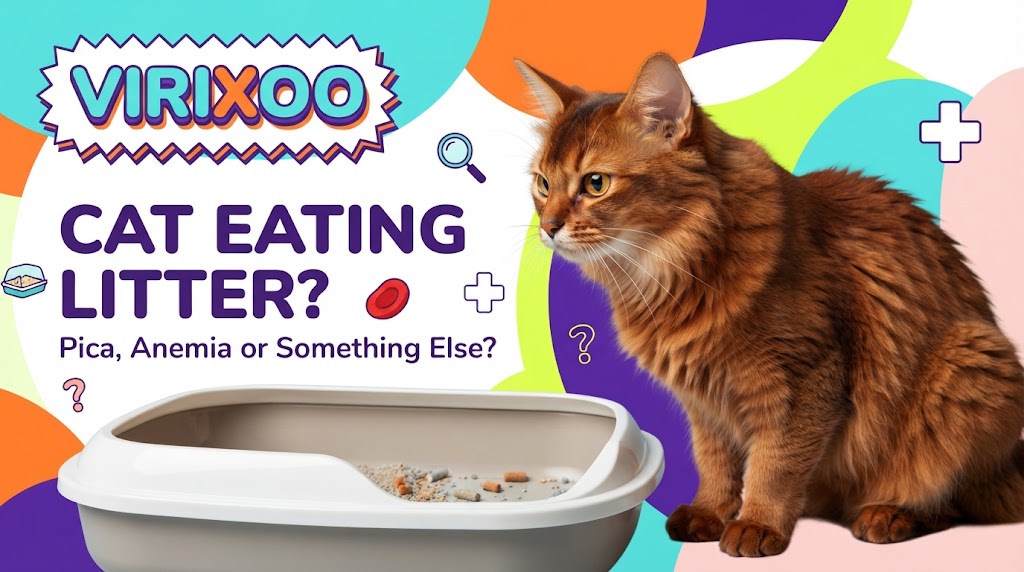
Learn why kittens and adult cats may eat litter, when curiosity can be harmless, and when repeated litter eating may point to pica, anemia, nutriti...
Learn why cats chew electrical cords, how to reduce access safely, and what burns, drooling, breathing changes, or electrical injury signs require...
Learn why one cat may hiss at or attack a housemate after a veterinary visit and how scent changes, stress, and non-recognition aggression can be m...
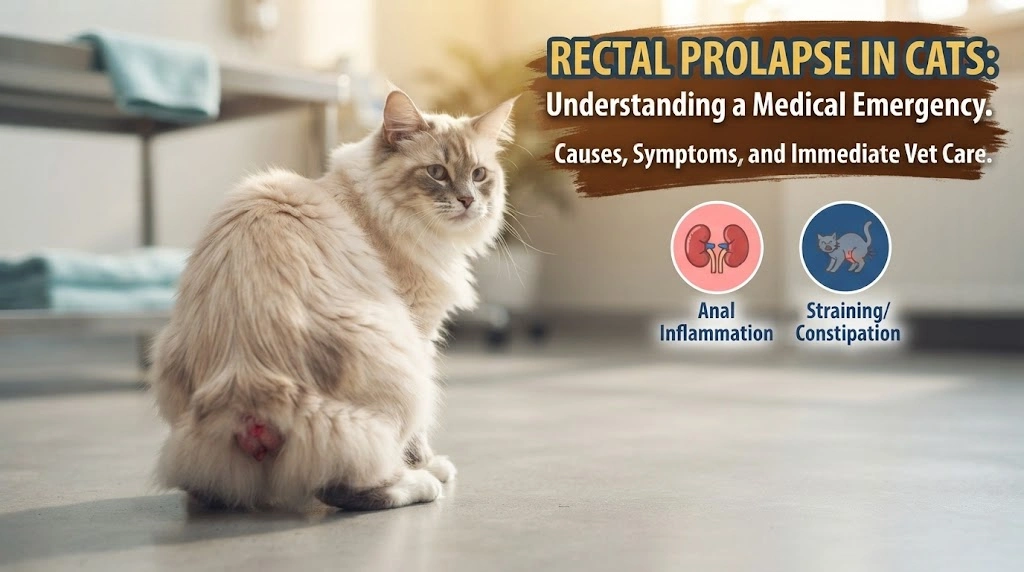
Learn what rectal prolapse looks like in cats, why persistent straining can cause tissue to protrude, and why exposed tissue needs prompt veterinar...
Learn why a cat may leak urine while sleeping, how incontinence differs from inappropriate urination, and which bladder, spinal, or neurologic sign...
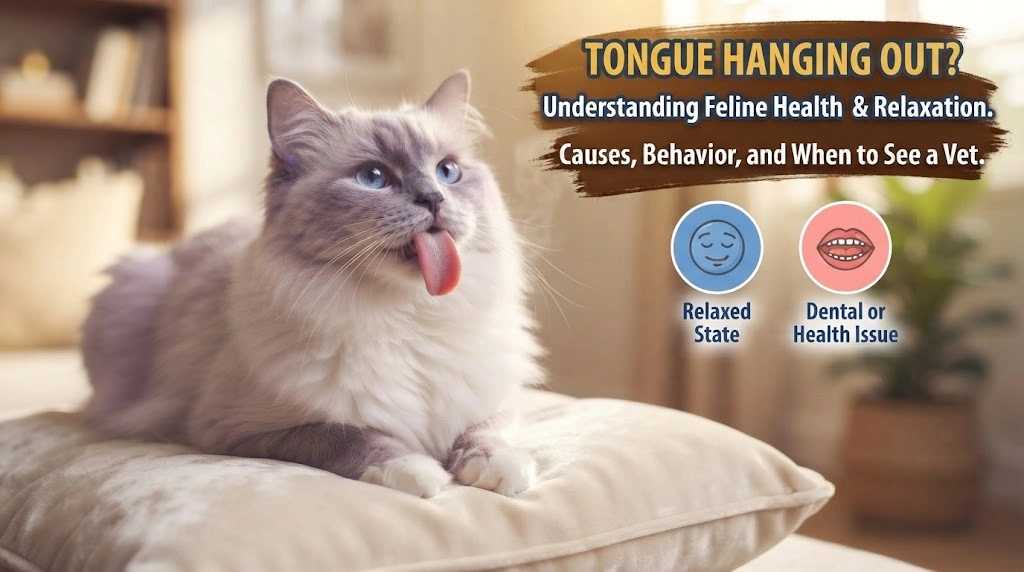
Learn why a cat’s tongue may suddenly hang out and how dental pain, jaw injury, oral swelling, heat stress, nausea, or neurologic disease can chang...
Learn why a cat may suddenly stop responding to sound and how ear disease, medication effects, trauma, age-related hearing loss, or neurologic prob...
Learn why a cat may suddenly stop jumping and how orthopedic pain, arthritis, weakness, spinal disease, or neurologic problems can change the urgency.
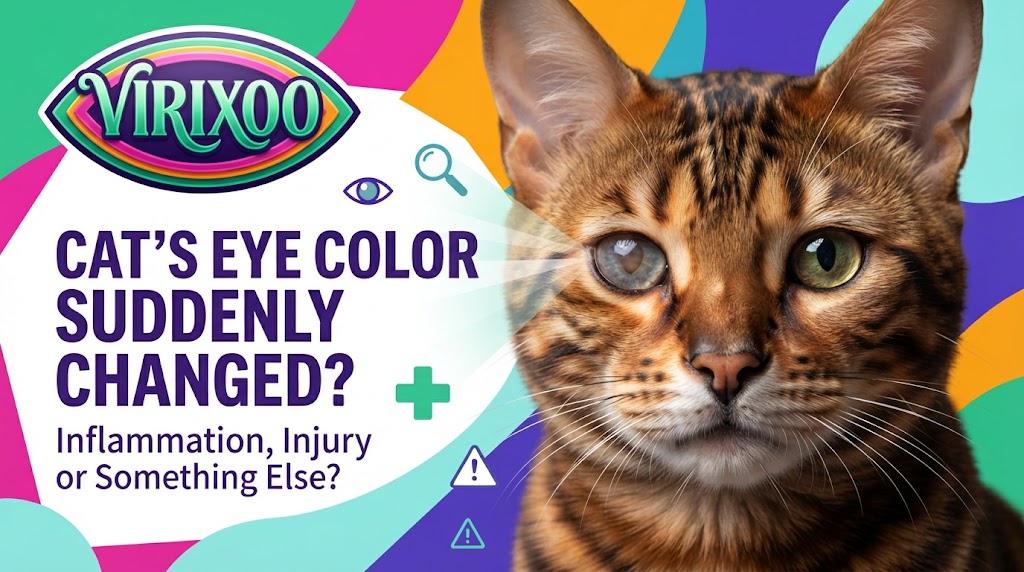
Learn why a cat’s iris or eye may appear to change color and how inflammation, bleeding, glaucoma, trauma, or other eye disease can require prompt...
Learn why cat paw pads can crack or peel and how dryness, burns, chemicals, trauma, infection, or immune-mediated disease can change the treatment...
Learn why a cat may suddenly be unable to close its mouth and how jaw dislocation, fracture, oral foreign material, swelling, or neurologic disease...
Learn why a cat’s claws may stay extended and how age, arthritis, overgrown nails, injury, tendon problems, or neurologic disease can affect normal...
Learn why one or more mammary glands can swell in cats and how nursing, mastitis, hormonal changes, trauma, or mammary tumors can look different.
Repeated swallowing without food can come from nausea, mouth or throat irritation, excess saliva, or swallowing difficulty. Learn what to watch and...
A cat that cries when its lower back is touched may have skin pain, muscle or joint soreness, spinal discomfort, or an injury near the tail base. L...
A sudden slowdown at meals can reflect dental pain, nausea, swallowing difficulty, weakness, or a food-related issue. Learn which clues matter and...
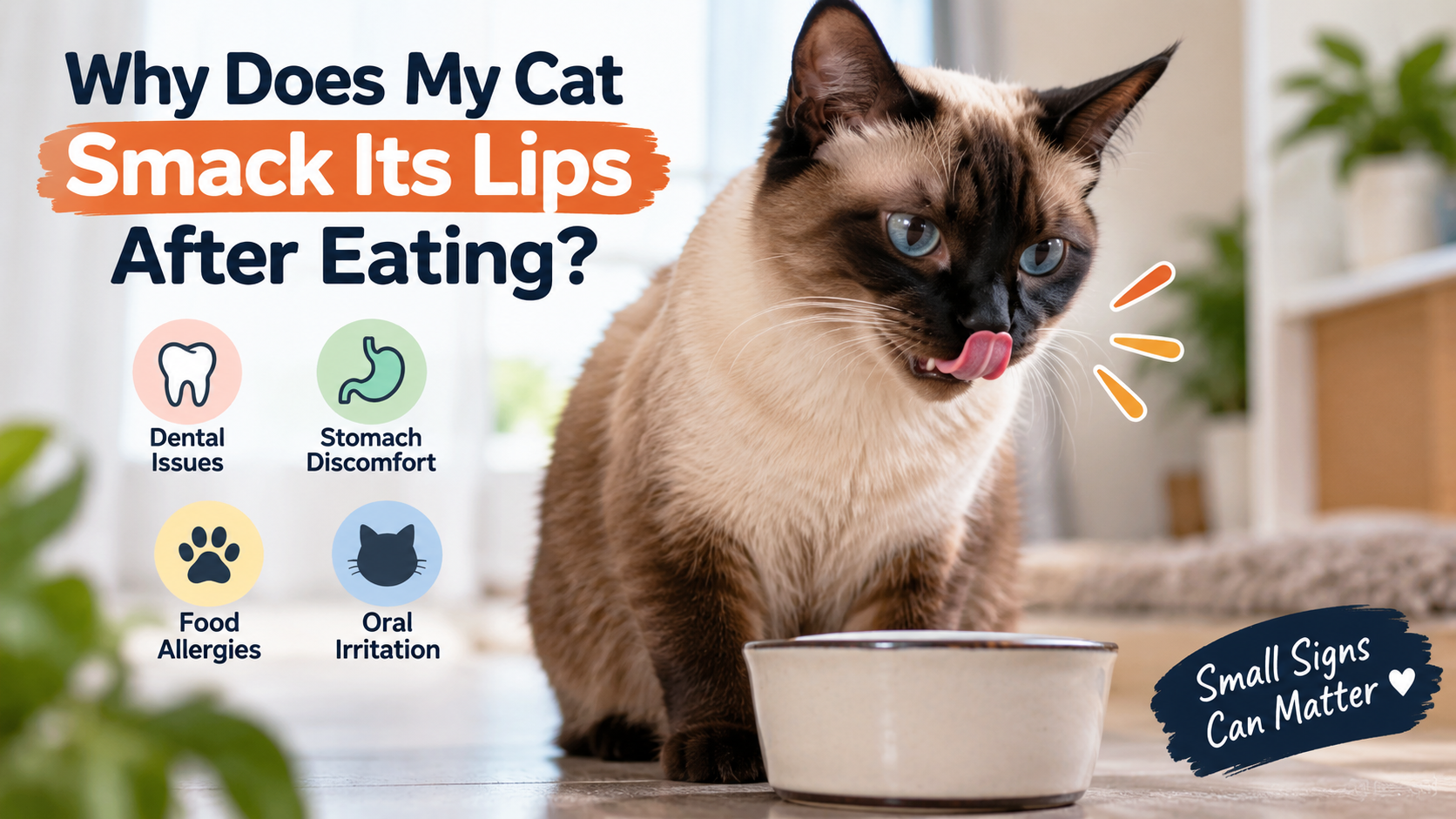
Brief lip smacking after a meal can be normal cleanup, but persistent smacking may signal dental pain, nausea, mouth irritation, or swallowing trou...
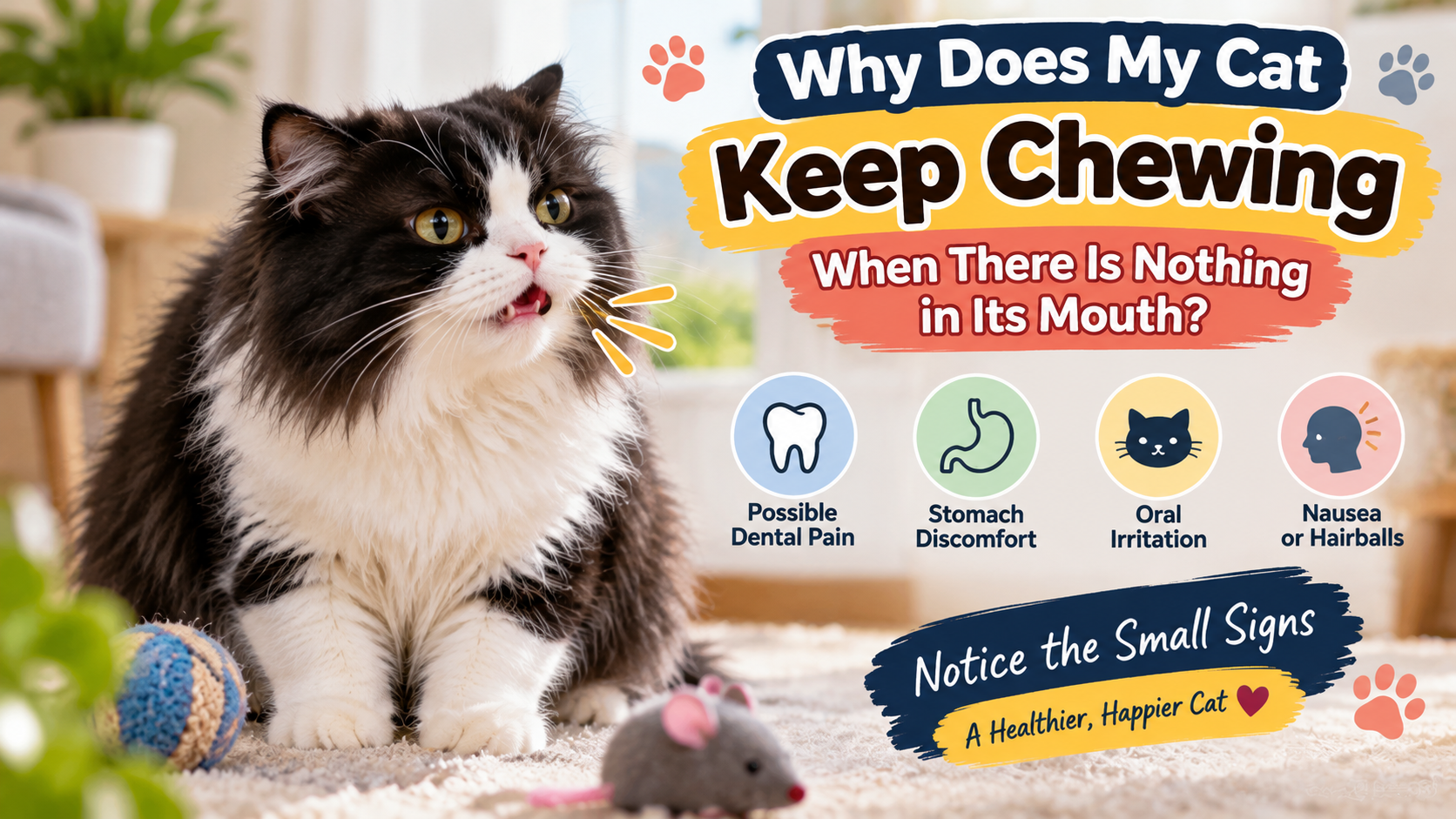
Repeated chewing motions without food can come from dental pain, oral irritation, nausea, jaw problems, or less commonly neurologic disease. Learn...
One-sided grooming loss can reveal pain, arthritis, skin disease, injury, weakness, or neurologic problems. Learn what the coat pattern can tell yo...
Crying on landing can point to paw, joint, shoulder, elbow, spine, or soft-tissue pain even when jumping up still looks normal. Learn what to watch...
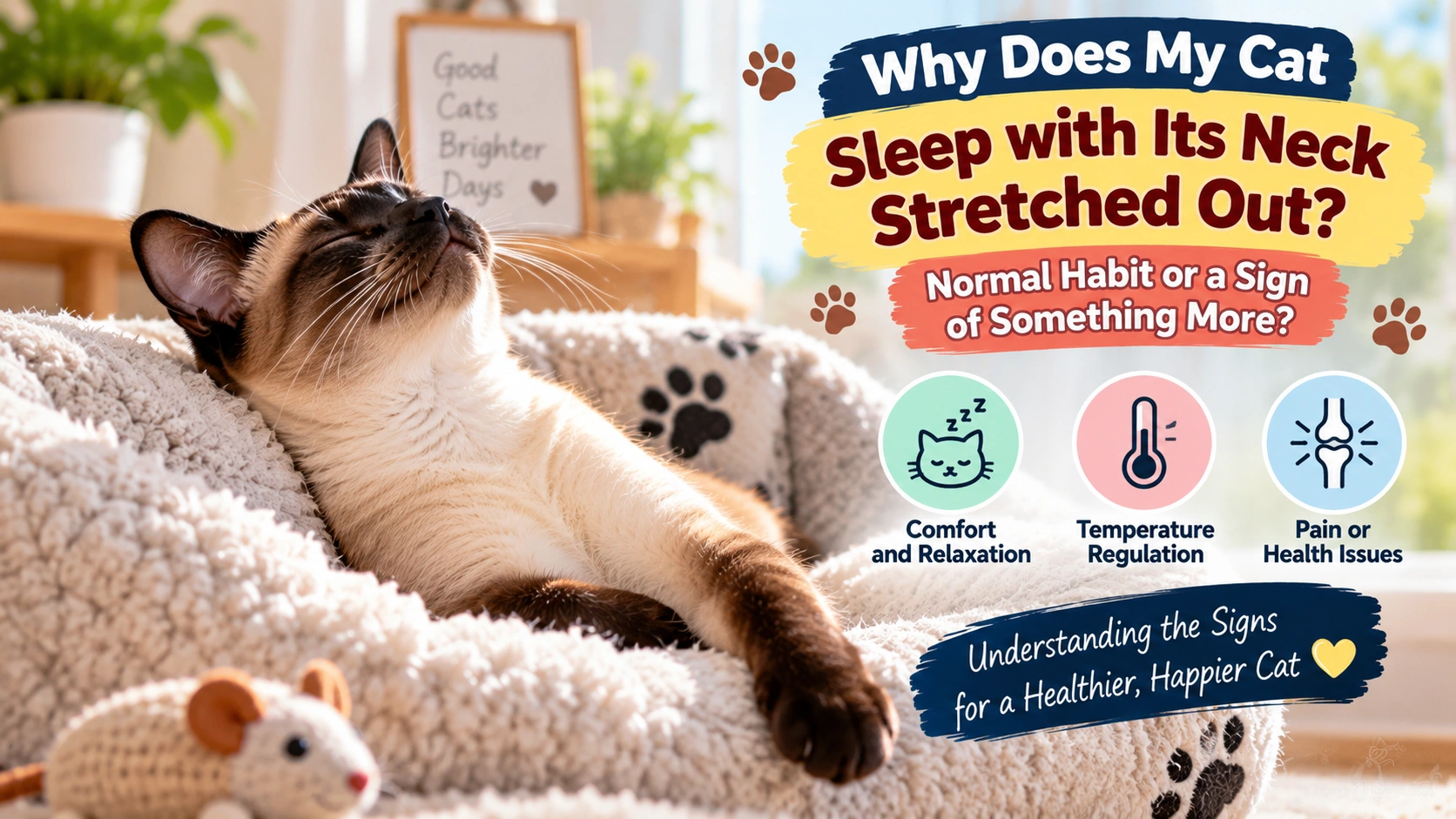
A stretched-neck sleeping posture can be comfortable, but a new position may also appear when breathing is harder. Learn how to tell relaxed sleep...
Head shaking after meals can come from ear irritation, pain triggered by jaw movement, dental disease, or food around the face. Learn how timing an...
Dropping kibble from one side of the mouth strongly suggests an oral-mechanical problem such as dental pain, tooth resorption, a broken tooth, or j...
Side-to-side jaw movement in a cat can reflect dental pain, tooth resorption, oral irritation, jaw discomfort, nausea, or less commonly neurologic...
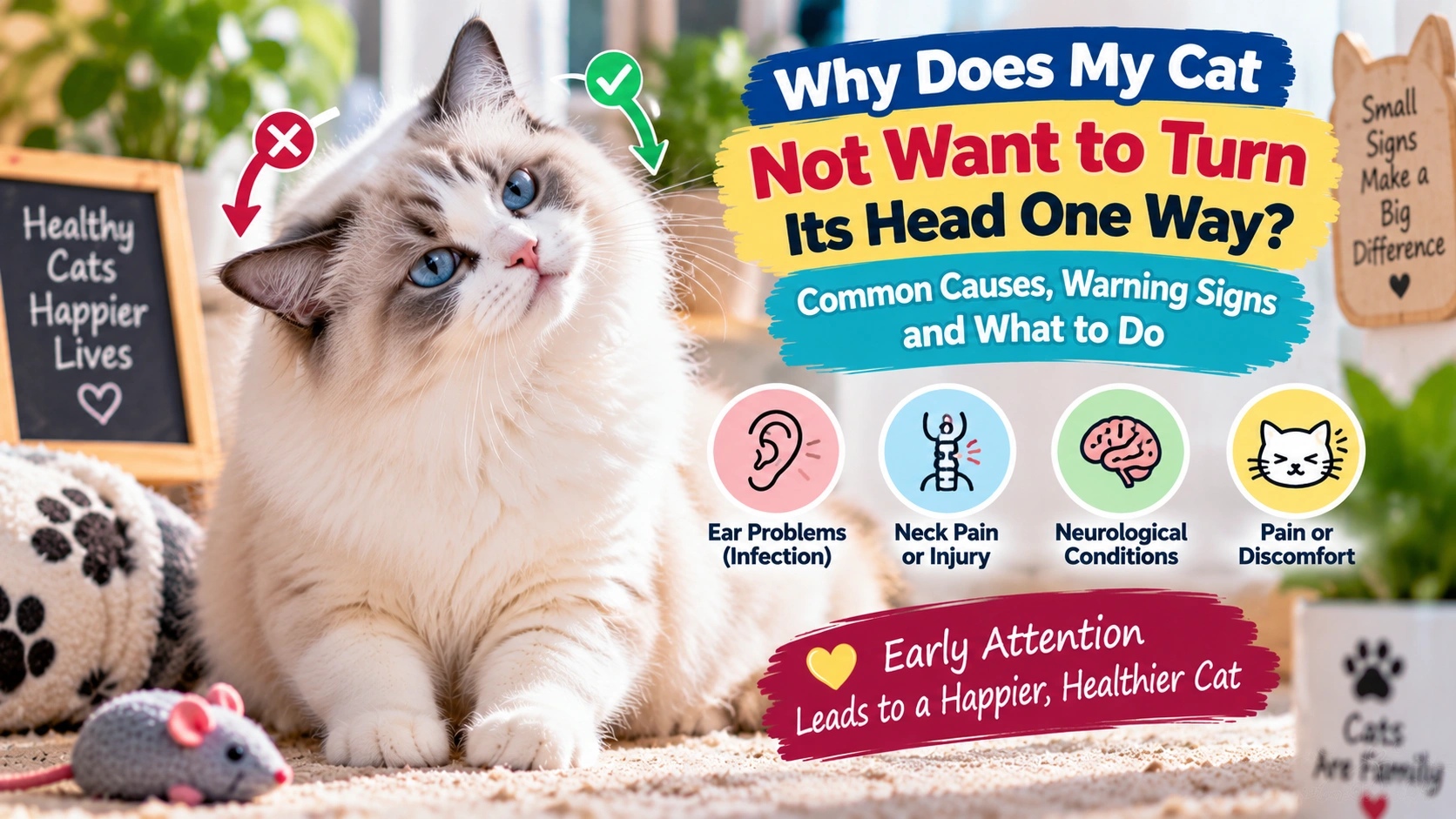
A cat that avoids turning its head in one direction may have neck pain, ear disease, muscle strain, trauma, or neurologic problems. Learn how to ob...
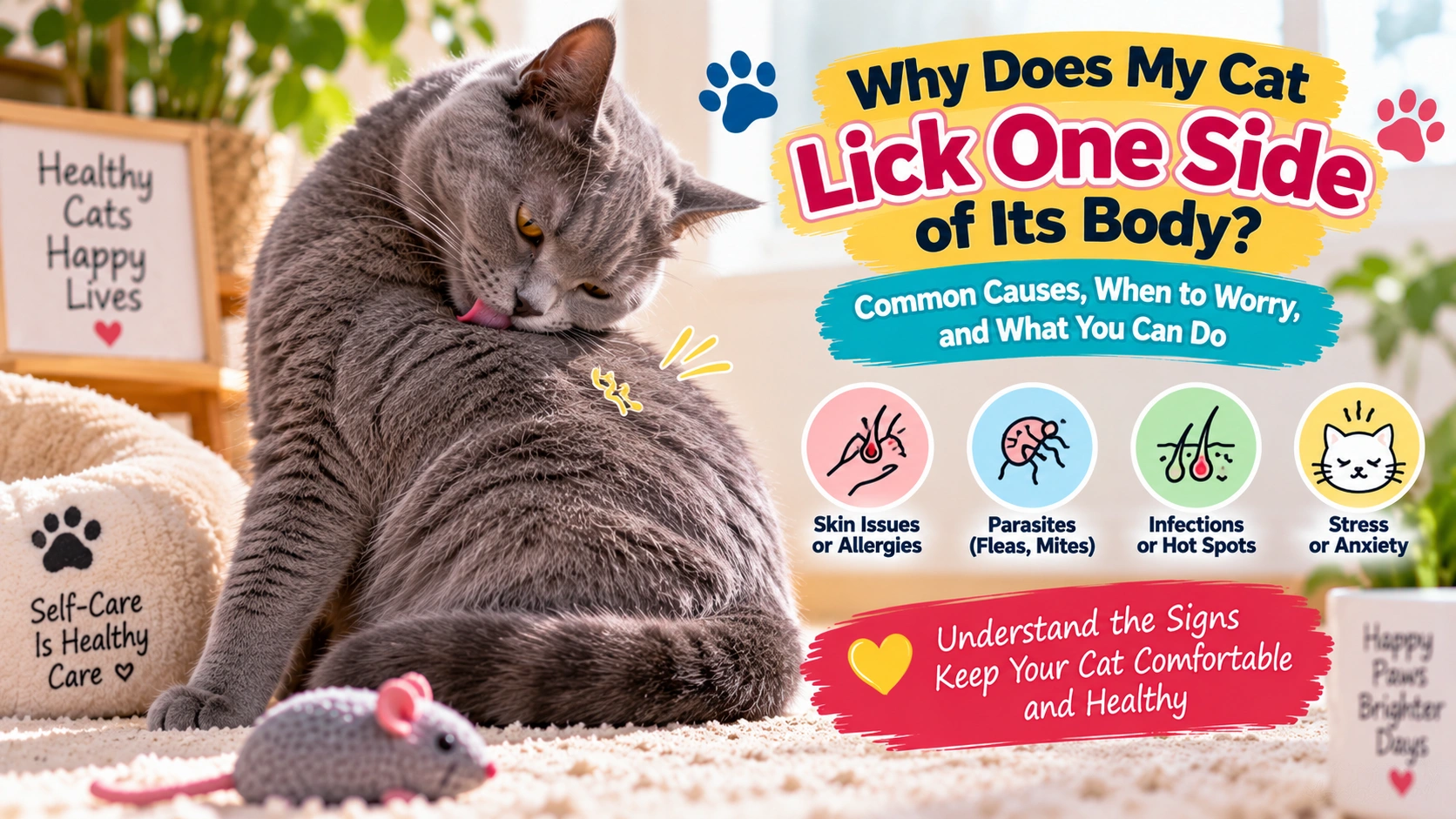
Persistent one-sided licking can reflect itching, fleas, skin infection, pain, injury, or discomfort under the skin. Learn how the pattern helps na...
A new preference for sleeping on the floor can be harmless, but it can also signal pain, weakness, heat, reduced jumping ability, or illness. Learn...
Sensitivity near the tail base can come from fleas, skin inflammation, a wound, arthritis, spinal pain, or tail injury. Learn how to check safely a...
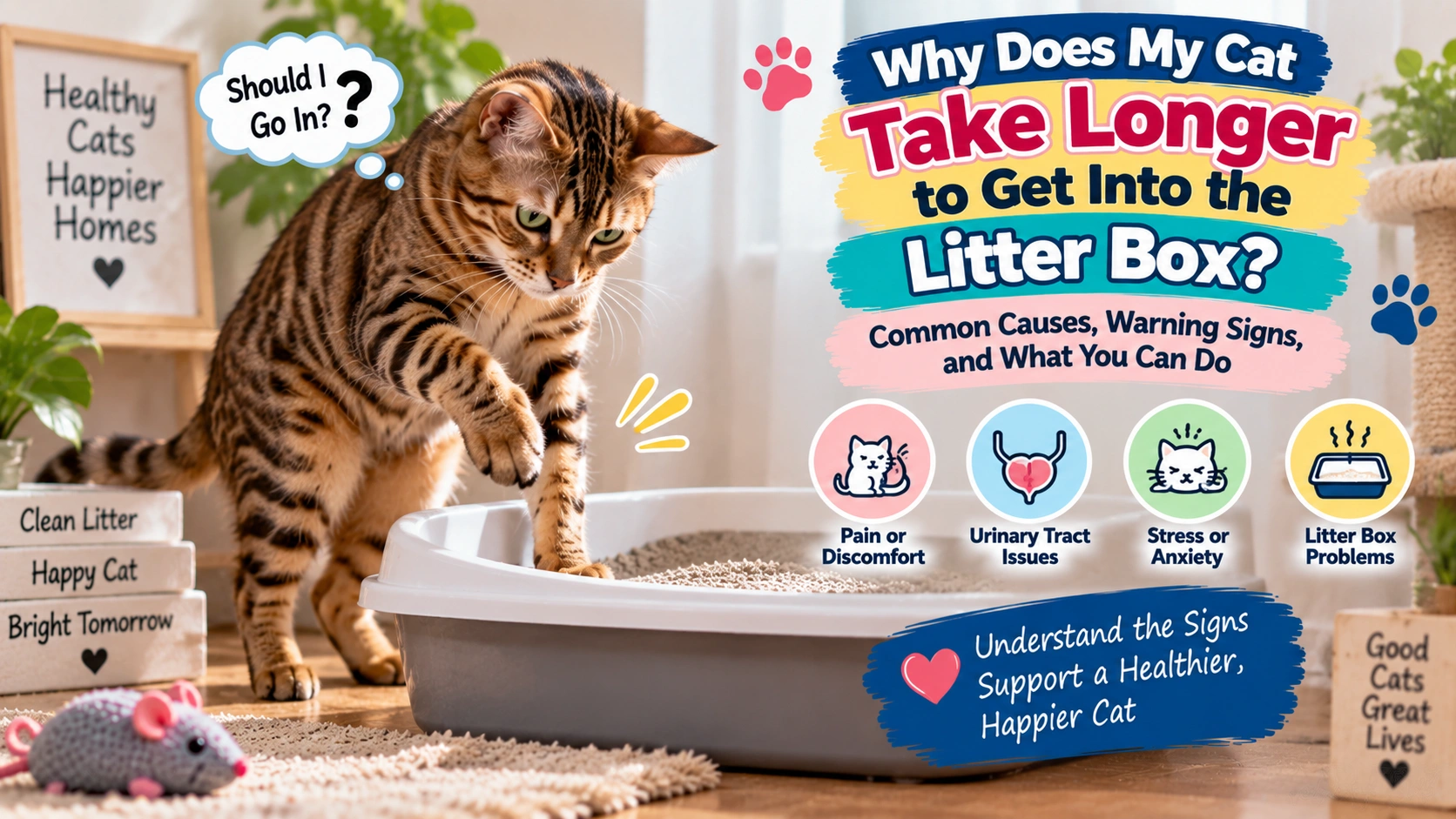
A cat that hesitates before entering the litter box may be dealing with arthritis, pain, weakness, box design problems, or urinary or digestive dis...
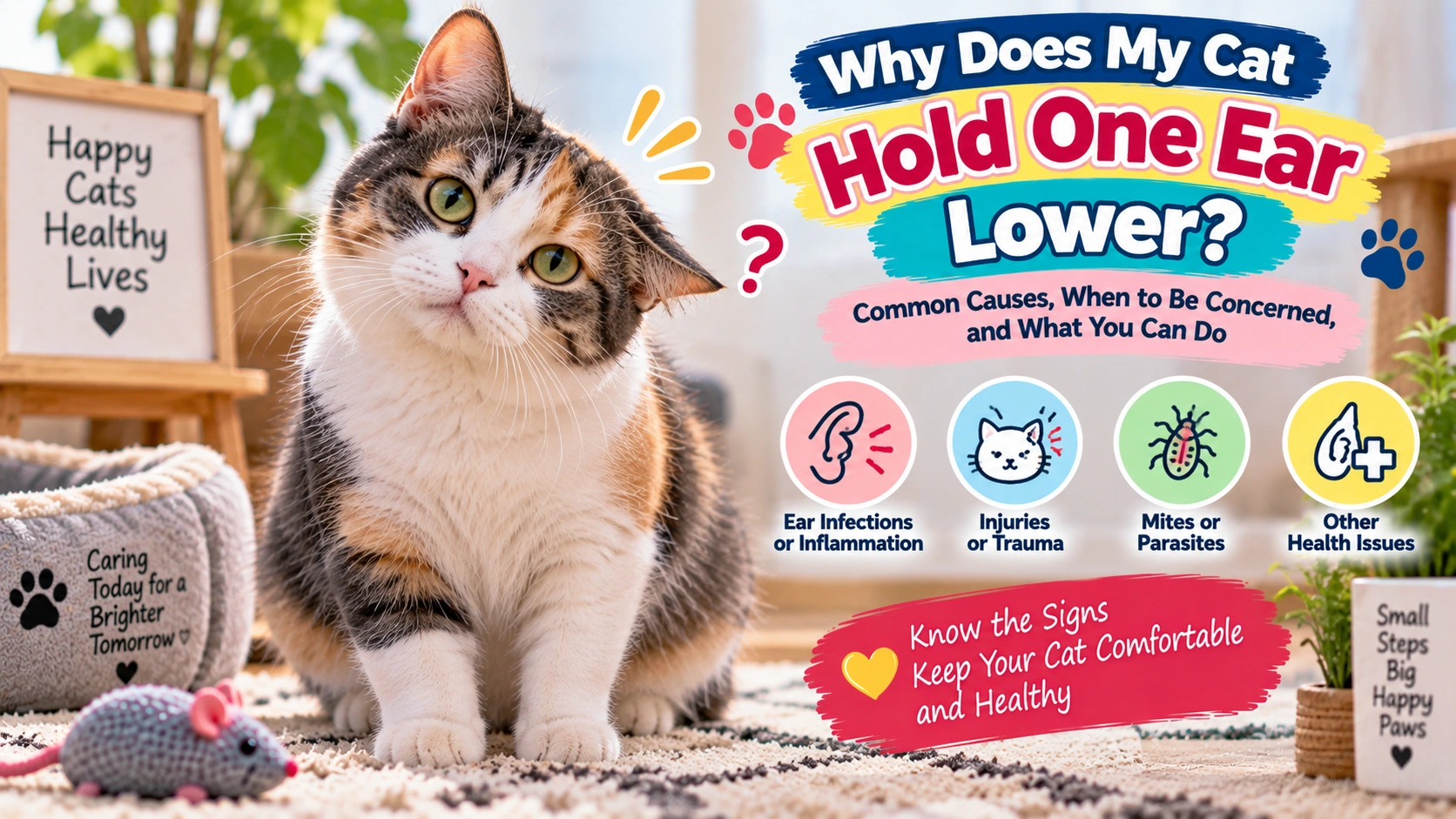
One ear held lower than the other can reflect ear pain, infection, mites, swelling, trauma, or a neurologic problem. Learn how to distinguish ear p...
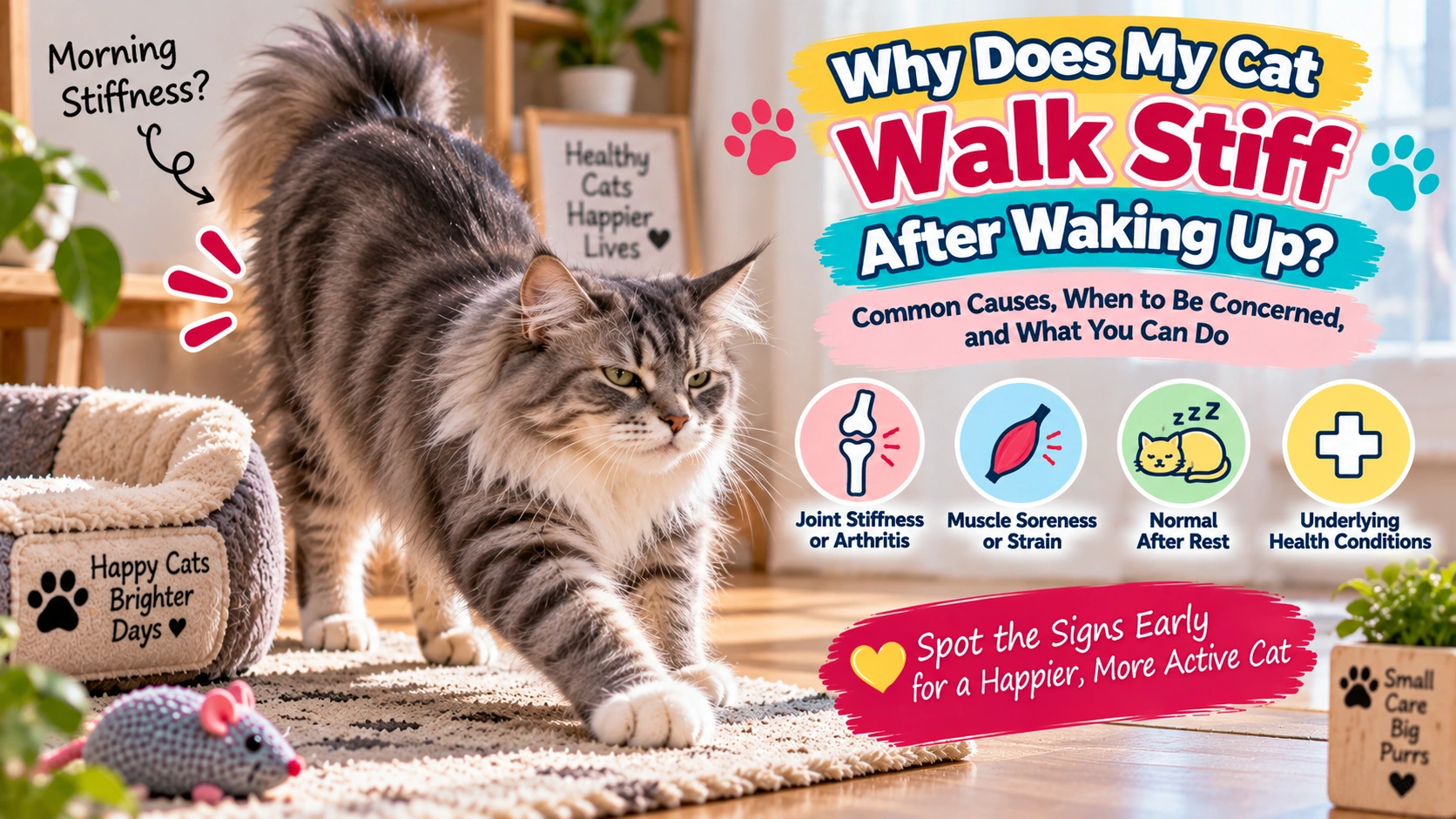
Stiff walking after rest can be an early sign of arthritis, muscle soreness, injury, or spinal pain in cats. Learn what to track and when veterinar...
Pawing at the mouth after meals can signal dental pain, something stuck in the mouth, oral ulcers, nausea, or jaw discomfort. Learn what to check a...
One-sided whisker-pad swelling can come from a dental abscess, bite wound, insect sting, trauma, skin infection, or an oral mass. Learn which signs...
A weak, rough, or unusually quiet meow often reflects irritation or inflammation around the larynx. Persistent voice change with coughing, swallowi...
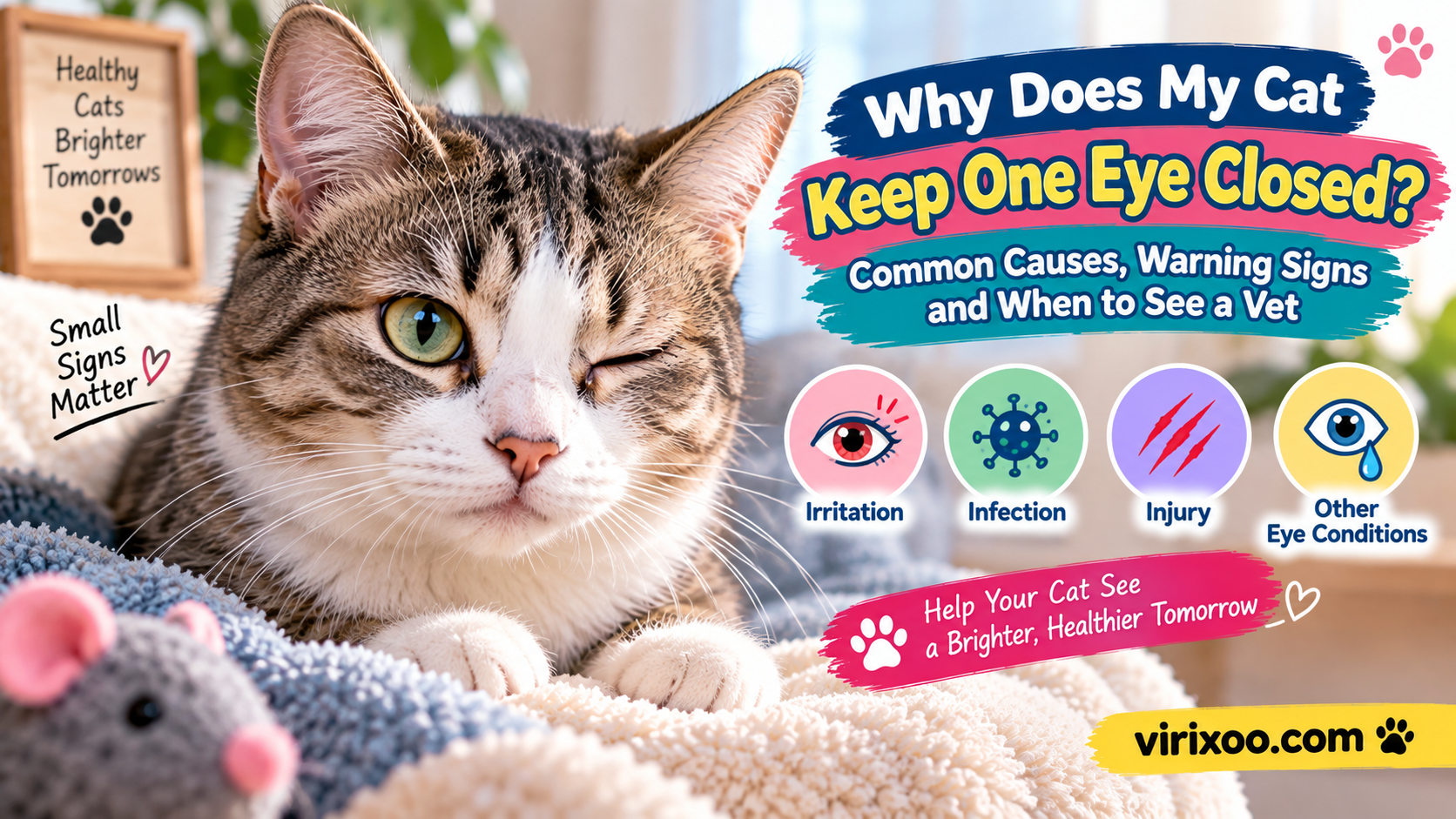
Persistent one-sided squinting usually means the eye hurts or is irritated. Because scratches, ulcers, foreign material, inflammation, and pressure...
Sudden eye cloudiness is not a normal aging change. Corneal injury, inflammation, glaucoma, lens disease, and other disorders can all alter eye cla...
New light sensitivity in a cat is often a sign of eye discomfort rather than a behavioral preference. Corneal injury and inflammation are important...
Sudden nasal swelling should be judged together with breathing, discharge, pain, appetite, and speed of progression. Persistent, one-sided, firm, p...
A nonhealing sore is not just a slow version of a normal wound. Repeated licking, infection, parasites, allergy, deep tissue disease, or a skin tum...
Feline chin acne often begins as blackhead-like debris around hair follicles. Mild cases may be subtle, while infected cases can become red, swolle...
New paw-pad redness is a sign to look for pain, swelling, blisters, cracks, discharge, licking, and limping. Burns and chemical exposure need promp...
Periocular hair loss is a pattern, not a diagnosis. Mild naturally thin fur can be normal in some cats, but new baldness with itch, scaling, crusti...
A lump cannot be reliably identified by feel alone. Size, speed of growth, location, pain, fixation, skin changes, and the cat’s overall health hel...
A new lump under a cat’s jaw is not always a lymph node, but enlarged lymph nodes can occur with local infection, systemic inflammation, or cancer...
Many healthy cats have a loose primordial pouch along the lower abdomen. A belly that has suddenly enlarged, become tense, painful, asymmetric, or...
A cat that continues to eat but keeps losing weight is not simply 'getting old.' Diabetes, hyperthyroidism, gastrointestinal disease, cancer, and o...
True weight gain should be confirmed on a scale. Most gradual feline weight gain reflects calorie intake exceeding energy needs, but sudden or unev...
A cat that repeatedly approaches food, sniffs or tries to eat, then walks away may have pseudo-anorexia: the desire to eat is present, but pain, na...
True melena is typically black, shiny or tar-like, sticky, and unusually foul-smelling because blood has been digested. It can signal gastrointesti...
A small amount of clear or jelly-like mucus can occur with colon irritation. Repeated mucus, blood, frequent small stools, straining, diarrhea, wei...
Defecating outside the box while still urinating inside it suggests the cat has not rejected the litter box completely. Pain with defecation, box s...
Normal cat urine is usually yellow to amber. Persistently orange, brown, red, or tea-colored urine can signal concentrated urine, blood, bilirubin...
A cylindrical pink or red mass protruding from the anus can be rectal prolapse. The exposed tissue can swell, dry out, become damaged, or lose bloo...
Sweet or fruity breath is not a normal feline breath variation. When it appears with vomiting, weakness, dehydration, poor appetite, or known diabe...
Normally pink gums that become unusually pale or white can signal reduced red blood cells or circulation. Weakness, collapse, rapid breathing, blee...
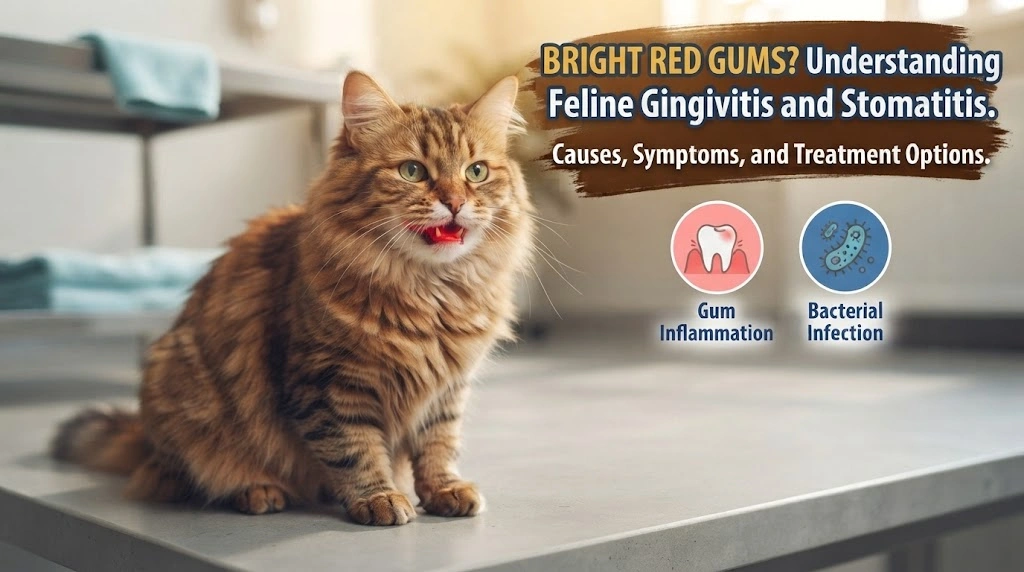
Redness limited to the gumline often suggests oral inflammation, while diffusely brick-red gums with overheating, weakness, or breathing distress c...
A brief tongue tip showing during relaxation can be normal. Persistent new tongue protrusion—especially with drooling, inability to eat, jaw abnorm...
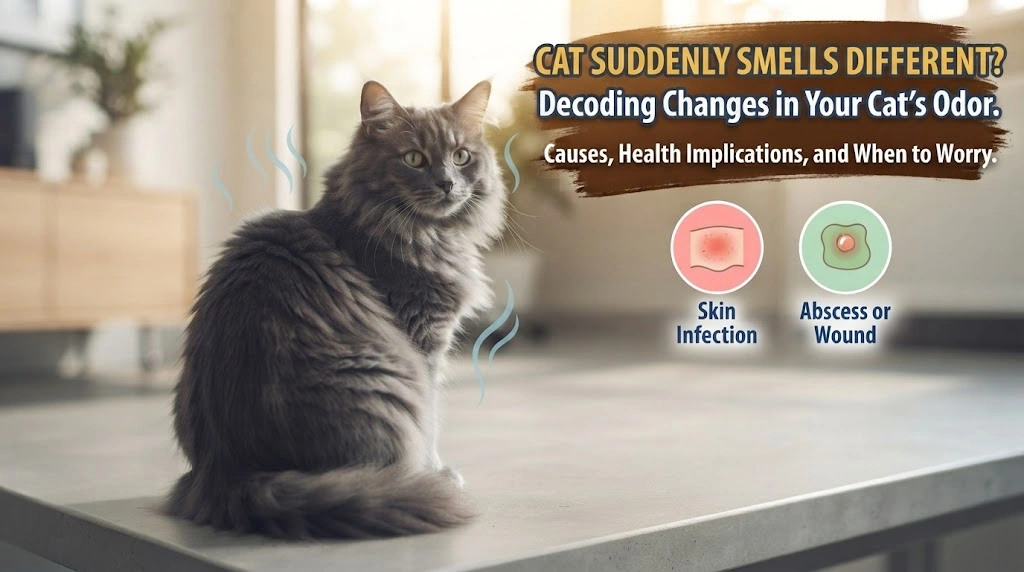
Cats are usually relatively low-odor animals. A persistent new smell is worth localizing because dental disease, ear infection, skin infection, uri...
A cat that suddenly cannot stay upright has a potentially significant neurologic, balance, metabolic, cardiovascular, toxic, or traumatic problem...
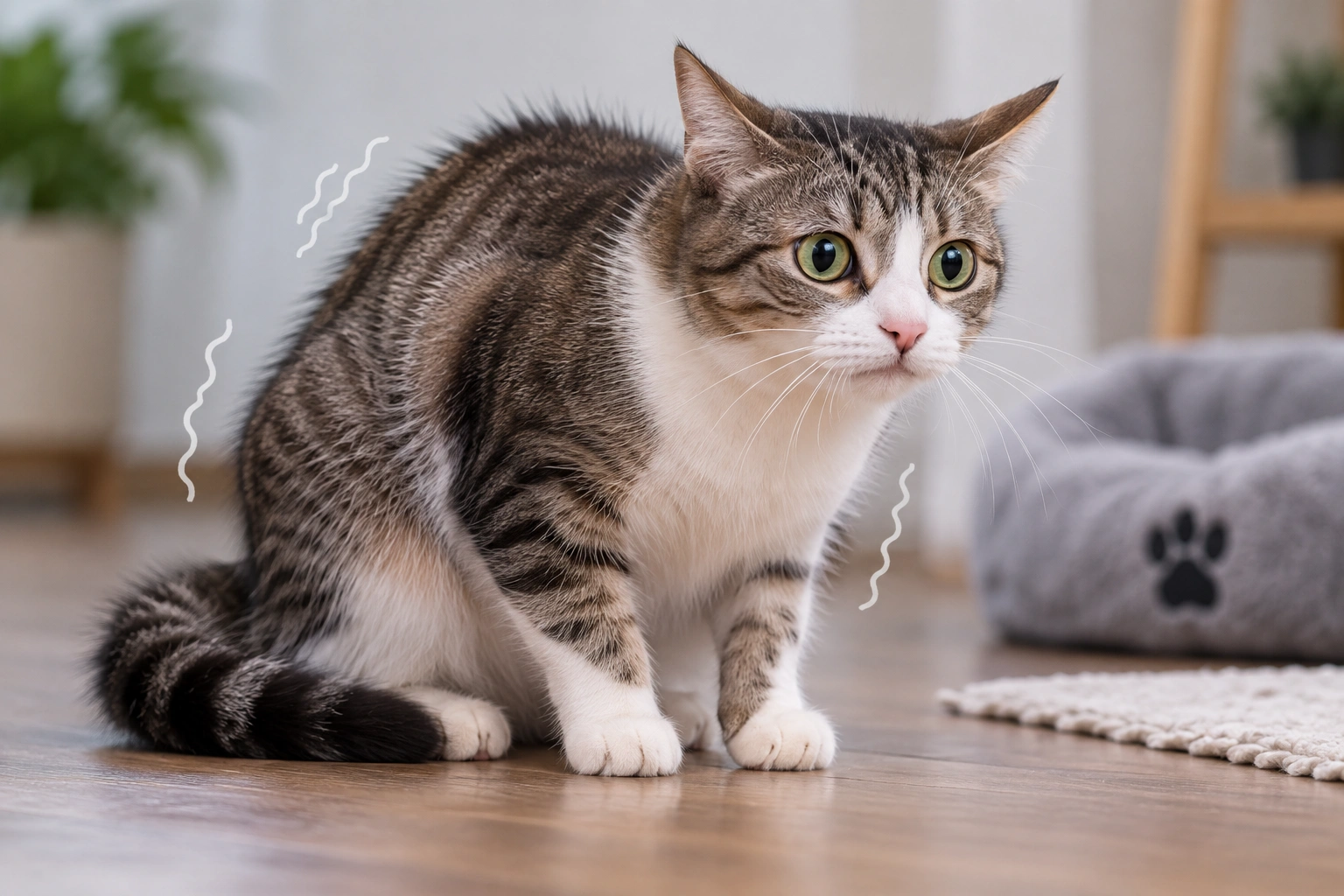
Brief shivering from cold or fear can occur, but persistent or unexplained trembling in an awake cat—especially with weakness, vomiting, abnormal g...
Weakness in all four legs is different from a single-limb limp. Sudden generalized weakness, inability to stand, collapse, breathing changes, pale...
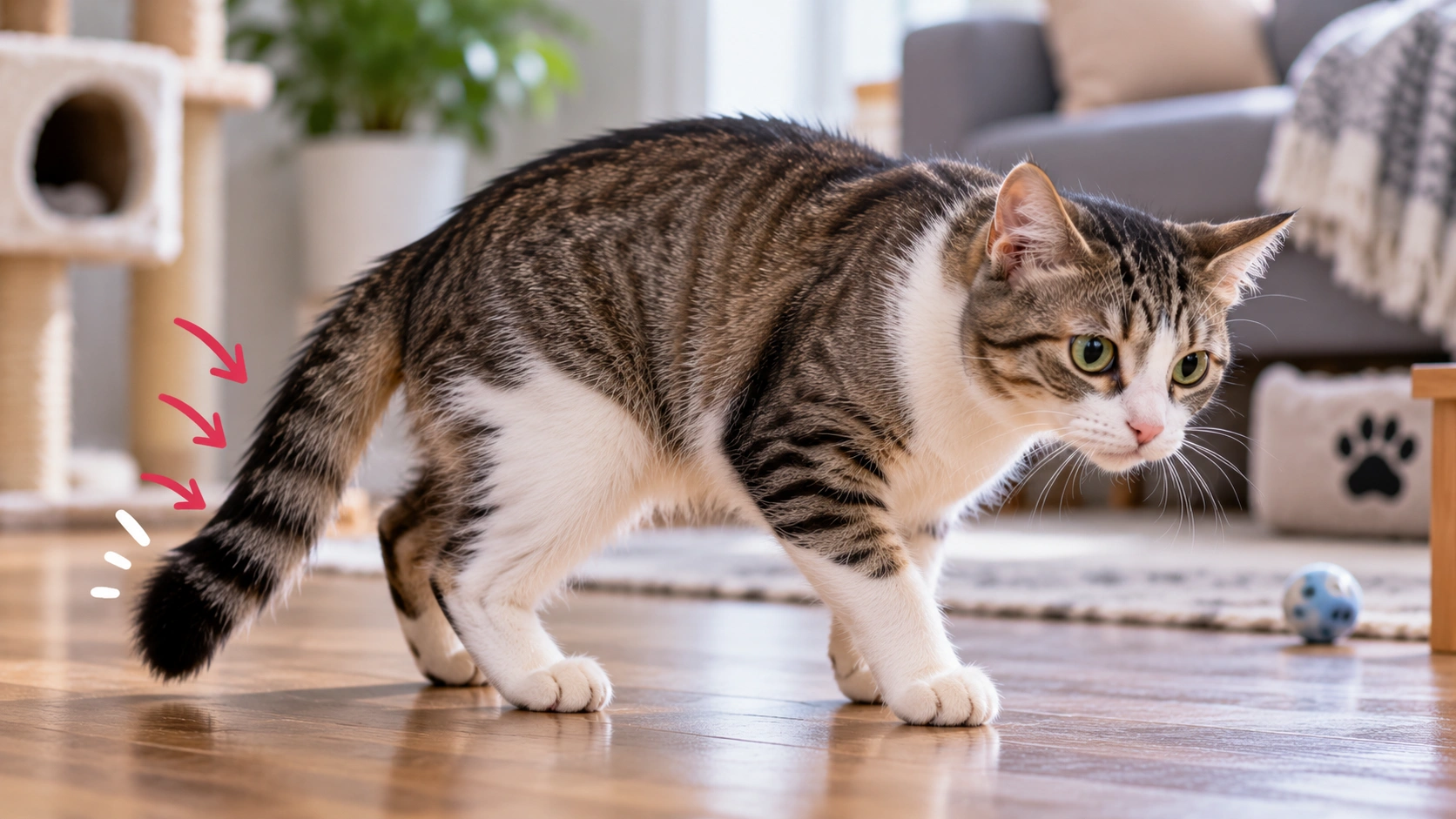
A newly lowered tail posture should be interpreted with tail movement, pain, urination, defecation, hind-limb function, and recent trauma. A comple...
A wide front-leg stance is concerning when paired with rapid breathing, abdominal effort, neck extension, open-mouth breathing, weakness, or inabil...
No matching guides found.
How to use these guides
Start with the guide that best matches your question. Virixoo helps you
understand common causes, safe next steps and warning signs. For urgent,
severe or persistent symptoms, seek veterinary care.