

Cats
5 min read
Cat Suddenly Cannot Jump: Pain, Arthritis, Weakness and Neurologic Warning Signs
A cat that suddenly stops jumping onto places it normally reaches may be painful, weak, or neurologically impaired.
Browse practical cat care guides covering health, behavior, nutrition, grooming, litter box issues and everyday questions.
Page 2 of 7 · 30 guides on this page
A cat that suddenly stops jumping onto places it normally reaches may be painful, weak, or neurologically impaired.

Learn why cats wait beside doors, how routines, outdoor smells and social anticipation contribute, and how to reduce risky door-dashing.
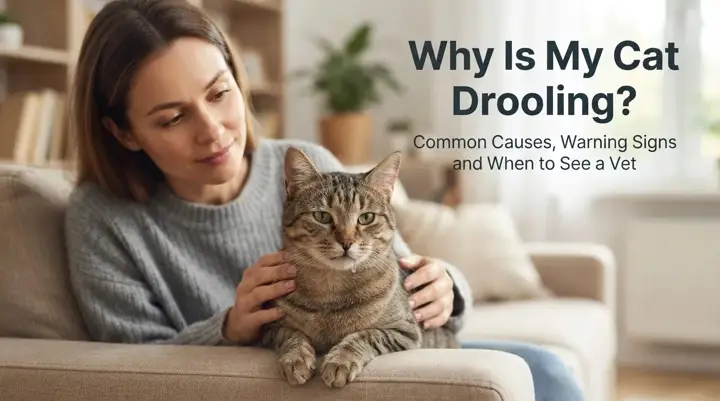
Cat drooling can follow relaxation, nausea, mouth pain, toxins or swallowing problems. Learn what to check and when veterinary care is urgent.

A practical look at why some cats sleep under blankets, how warmth and security make covered spaces appealing, and how to keep the habit safe.
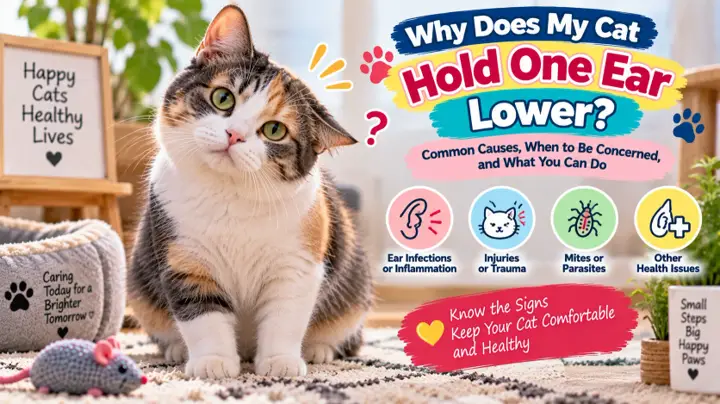
A cat that takes stiff, short steps after waking and then loosens up may be showing an early pain pattern. Osteoarthritis, muscle soreness, soft-ti...

Turn the cat carrier from a warning sign into a familiar safe space with gradual, reward-based training that makes travel and vet visits easier.
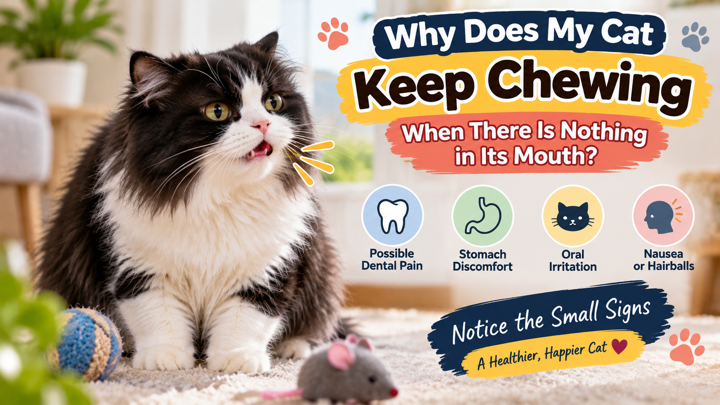
Repeated chewing motions when there is no food in the mouth are not the same as a single lick, yawn, or grooming movement.

Learn how dental disease, oral inflammation, jaw problems and tongue swelling can make a cat keep its tongue out, and which mouth and breathing sig...

A practical look at why cats lick windows and glass, how condensation, scents and habit may contribute, and how to keep glass surfaces safe.

True weight gain should be confirmed on a scale. Most gradual feline weight gain reflects calorie intake exceeding energy needs, but sudden or unev...

Separate food-seeking behavior from true increased appetite by measuring intake, tracking weight and thirst, and watching for signs that need veter...

Learn what a suddenly limp or hanging tail can mean in cats, how trauma or nerve injury may affect bladder function, and which warning signs need u...

A practical look at why cats gently touch human faces with their paws, how attention and learned routines contribute, and how to keep close contact...
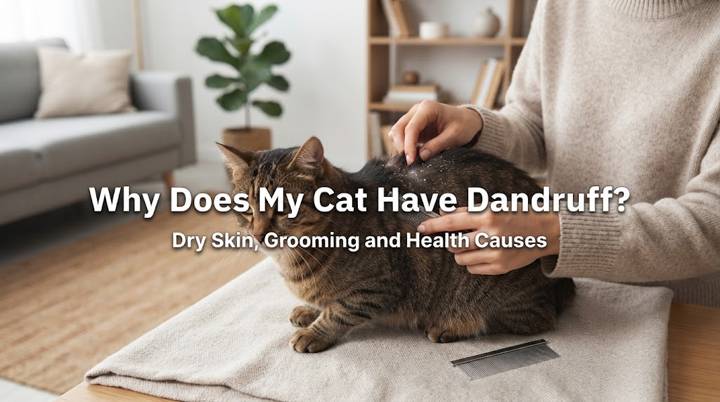
Cat dandruff can reflect dry skin, reduced grooming, parasites or skin disease. Learn what flakes mean and which coat changes deserve veterinary care.

One yawn during calm petting is usually best read in context rather than treated as a universal sign of trust or boredom. Repeated yawning with dro...
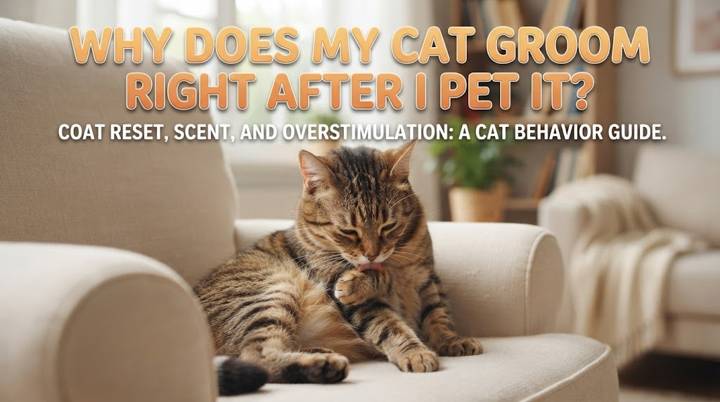
Calm grooming after petting is not automatically rejection. The cat may be restoring its coat or shifting activities. Rapid repetitive grooming, ha...

Urine leaking while a cat sleeps is different from deliberately urinating outside the litter box.

A practical look at why cats choose stairs as resting and observation points, how elevation and household traffic make them interesting, and how to...
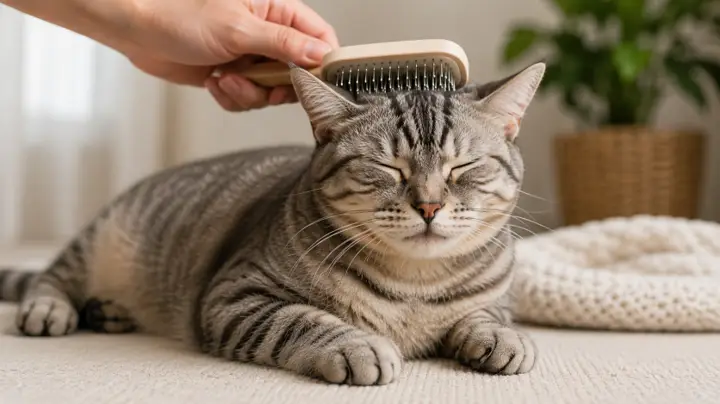
Use a behavior-based introduction process that starts with separation, builds positive associations, protects access to resources, and progresses o...

A cat hiding from guests may be protecting a sense of safety. Learn how to reduce pressure, build confidence and avoid forcing social contact.

Blood in a cat's urine can accompany bladder inflammation, stones or obstruction. Learn what signs make the problem urgent and what not to do at home.

A swollen mammary gland in a cat can have several causes, ranging from normal changes around pregnancy and nursing to infection or mammary cancer.
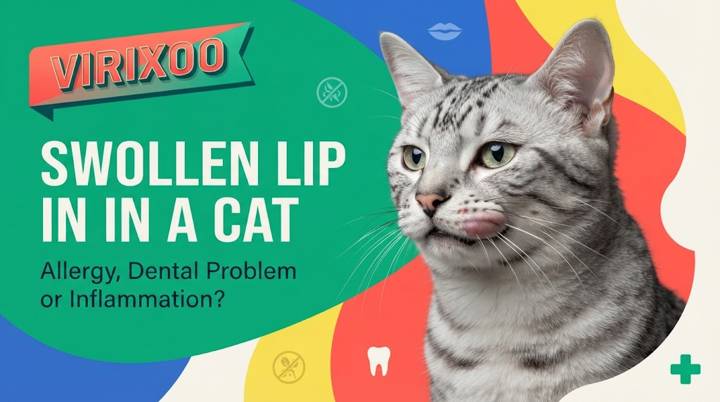
A swollen lip in a cat can result from allergy, insect bite, trauma, dental disease, infection, or an inflammatory condition such as eosinophilic g...

A kitten tasting litter once can be curiosity, but repeated litter eating in an adult cat deserves attention.

Learn why cats sit or sleep in sinks, how cool surfaces, curved shapes and water interest may contribute, and when bathroom behavior changes deserv...

Learn how to set cat portions using calorie needs, body condition, life stage and food labels instead of relying on one universal cup amount.

Use clean cardboard boxes as optional hiding and play enrichment, reduce preventable hazards, and recognize when increased hiding may be part of il...

A cat that repeatedly shakes its head after eating may have an ear problem, but the timing around meals can also point toward pain triggered by che...
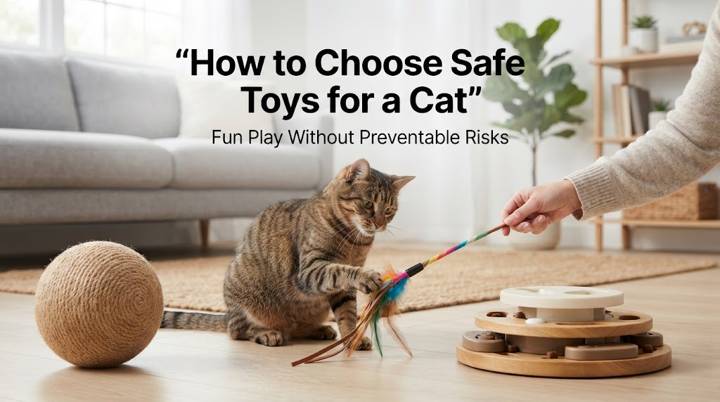
Choose cat toys that support hunting and problem-solving while avoiding loose strings, small swallowable parts, unstable structures and unsupervise...

A cat that suddenly stops responding to normal household sounds may have hearing loss, but owners should first separate deafness from sleep, distra...
Start with the guide that best matches your question. Virixoo helps you understand common causes, safe next steps and warning signs. For urgent, severe or persistent symptoms, seek veterinary care.