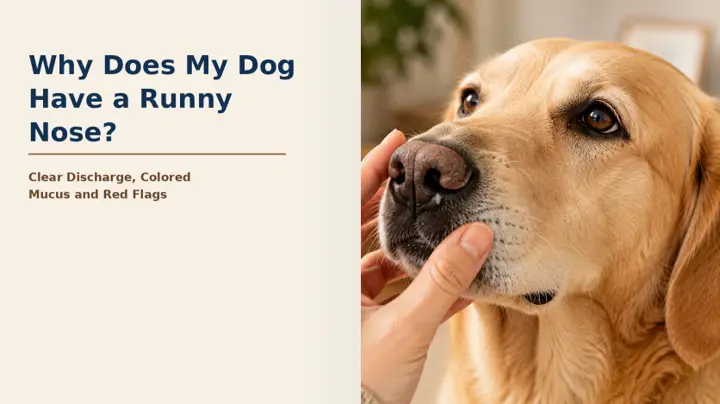
Why Does My Dog Have a Runny Nose? Clear Discharge, Colored Mucus and Red Flags
Learn what a runny nose in dogs can mean, why one-sided discharge matters, how color and other symptoms change urgency, and when veterinary care is...
Browse recently updated and newly published Virixoo dog and cat care guides.
Learn what a runny nose in dogs can mean, why one-sided discharge matters, how color and other symptoms change urgency, and when veterinary care is...

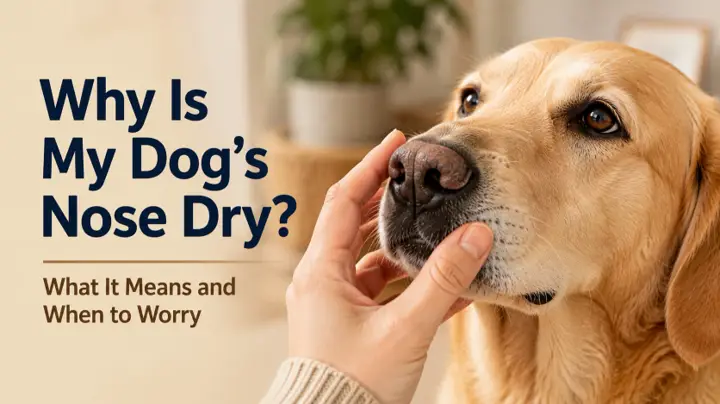
A dry dog nose is not automatically a sign of illness. Learn normal causes, what changes matter more than moisture alone, safe care steps, and when...
Understand why dogs hump people, other dogs or objects, how excitement, stress, play and habit contribute, and how to redirect the behavior without...
Teach your dog to ignore food, trash and other tempting items with a clear leave-it cue, reward-based practice and gradual real-world training.
Learn how to describe dog vomiting, what owners should monitor, safe immediate steps, and red flags that require prompt veterinary care.
Occasional head shaking is normal, but repeated shaking can signal ear irritation, infection, allergy, a foreign object, or pain. Learn what to che...
Sniffing is a major way dogs explore the world. Learn why your dog stops to smell everything, how to balance sniffing with loose-leash walking, and...
A practical guide to diarrhea in dogs, including common triggers, what to monitor, hydration concerns, and veterinary warning signs.
Learn why dogs lick the air, how to tell a harmless scent or excitement response from nausea, dental pain, compulsive behavior or a problem that ne...
Paw licking can be normal grooming or a clue to allergy, irritation, injury, infection, or pain. Learn what to check at home and when to call your...
A dog skipping food can have many explanations. Learn how to assess appetite changes safely and which signs mean veterinary care should not wait.
Stop counter surfing by removing accidental rewards, managing kitchen access and teaching a strong alternative behavior while food is being prepared.
Teach your dog to release toys and safe objects on cue using trades, clear timing and positive reinforcement—without chasing, prying the mouth open...
Learn the signs of separation-related distress and a humane, gradual plan that avoids punishment and overwhelming absences.
Learn why dogs snore, how sleeping position, anatomy, weight, congestion and airway problems can contribute, and which breathing signs deserve vete...
Dog zoomies are usually normal bursts of energy. Learn common triggers, why puppies get them, how to prevent injuries, and when frantic behavior ma...
Excessive barking has different causes. Learn how to identify the trigger, reduce rehearsal, reward quiet alternatives, and know when professional...
Interpret food-bowl pawing in the context of actual intake, feeding setup and competition, and know when appetite changes are more important than t...
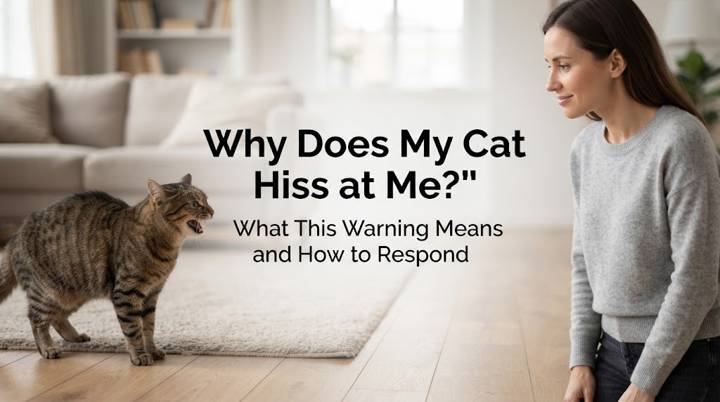
Hissing is usually a request for distance, not spite. Learn how fear, pain, frustration and overstimulation can trigger it and how to respond safely.
Defecating outside the box while still urinating inside it suggests the cat has not rejected the litter box completely. Pain with defecation, box s...
Learn why cats sometimes carry food away from their bowls, how location, competition and bowl setup may influence the behavior, and when eating cha...
A practical look at why cats choose pillows and the area near an owner's head, how warmth and scent influence the choice, and how to redirect the h...
When kibble repeatedly falls from one side of a cat’s mouth, the pattern points more strongly toward an oral or mechanical problem than a simple ap...
Understand why cats investigate objects, bags, furniture and people with their noses, how scent supports exploration, and when unusual sniffing may...
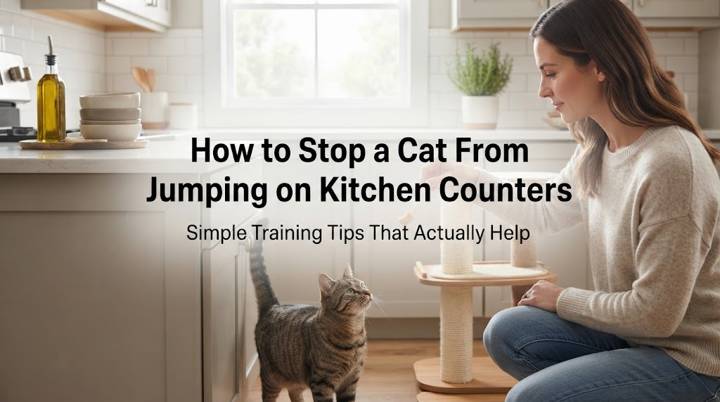
Reduce counter jumping without punishment by removing rewards, creating better elevated alternatives and reinforcing the places you want your cat t...
Understand why a cat may choose to sleep on you, how to redirect the habit gently, and why sudden clinginess matters more than the exact sleeping p...
Understand why cats chatter at birds, provide safer hunting-style enrichment, prevent outdoor and redirected-aggression risks, and recognize abnorm...
A cat that can jump up normally but cries when jumping down may be reacting to the impact of landing rather than to the push-off itself.
A lump cannot be reliably identified by feel alone. Size, speed of growth, location, pain, fixation, skin changes, and the cat’s overall health hel...
Learn why cats lick people, how grooming, salt, attention and routine can contribute, and when excessive licking may reflect stress or skin discomf...
A cat that suddenly hisses at or attacks a familiar housemate after a veterinary visit may be reacting to unfamiliar scent and stress rather than f...
Understand toy carrying as play, hunting-like behavior or a learned social routine, respond safely, and avoid turning nighttime deliveries into a r...
Understand why cats rub against legs, furniture and people, how scent marking and social greeting contribute, and how to respond safely around your...
Separate harmless investigation from repeated plastic chewing or ingestion, reduce household hazards, and know when pica-like behavior or obstructi...
Identify what happens immediately before a bite, distinguish common behavior patterns, reduce triggers without punishment, and know when sudden agg...
Identify what rewards object-pushing, protect fragile items, provide safer outlets for pawing and play, and know when a sudden behavior change dese...