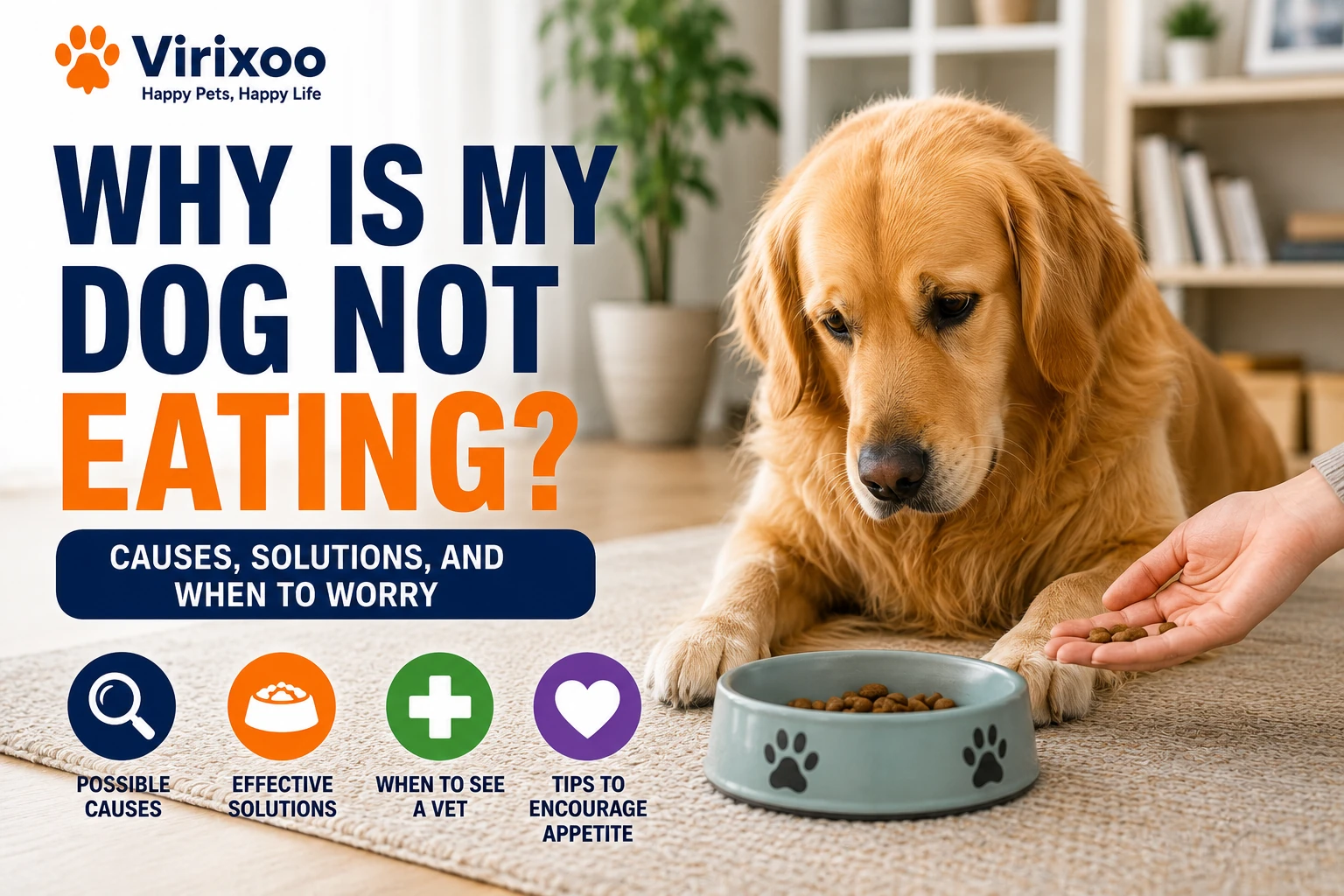
A sudden loss of appetite deserves attention because it is a change, not a diagnosis. Some dogs briefly eat less after stress or a routine change, but reduced appetite can also accompany dental pain, stomach upset, infection, medication effects, pain elsewhere in the body, or more serious illness.
First, define what “not eating” means
Did your dog refuse one meal, eat half the usual amount, reject kibble but accept treats, or stop eating entirely? Also note water intake, vomiting, diarrhea, energy level, urination, bowel movements, and any recent access to garbage, toys, bones, medications, or toxins. These details help determine urgency.
Common reasons appetite changes
Routine or environmental change
Travel, boarding, a new pet, a move, unusual noise, or a change in feeding schedule can affect some dogs. Appetite should still be monitored, especially if other symptoms appear.
Dental or mouth pain
A dog may approach food but hesitate, drop kibble, chew on one side, drool, or prefer softer food. Broken teeth, gum disease, oral injuries, and other painful conditions need veterinary assessment.
Digestive upset
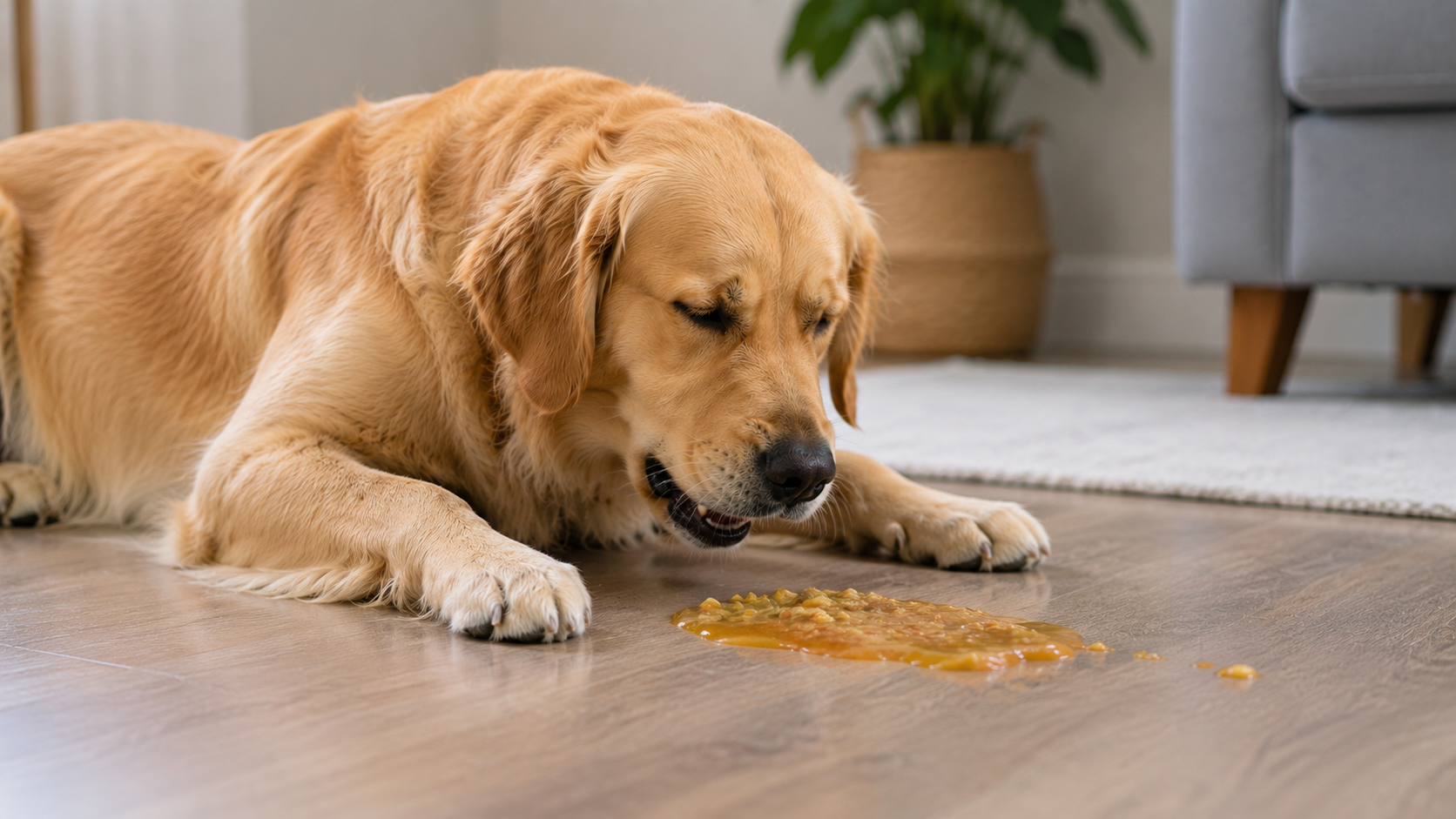
Nausea, dietary indiscretion, abrupt food changes, intestinal disease, and other gastrointestinal problems can reduce appetite. Vomiting, diarrhea, abdominal discomfort, or repeated attempts to vomit make the situation more concerning.
Pain or illness elsewhere
Dogs often eat less when they feel unwell. Because appetite loss is nonspecific, a physical examination may be needed to identify the cause.
What owners can do safely
- Offer the dog's normal food at the normal time rather than cycling through many rich foods.
- Keep fresh water available unless a veterinarian has instructed otherwise.
- Record when the dog last ate a normal meal and how much has been eaten since.
- Check for vomiting, diarrhea, bloating, pain, weakness, or unusual behavior.
- Keep medications, trash, toxic foods, and foreign objects out of reach.
When not to wait
Contact a veterinarian promptly if your dog refuses food and is a puppy, very small dog, senior, pregnant, has a chronic condition, takes important medication, or has other symptoms. Urgent assessment is appropriate for repeated vomiting, a swollen or painful abdomen, unproductive retching, collapse, marked weakness, breathing difficulty, suspected toxin exposure, suspected foreign-body ingestion, blood in vomit or stool, or severe pain.
Do not force-feed
Force-feeding can be stressful and may be unsafe in a nauseated, weak, or neurologically impaired dog. Do not give human appetite stimulants or stomach medicines without veterinary direction.
Related Virixoo Guides
If vomiting is part of the problem, read Why Is My Dog Vomiting?. For loose stool, see Why Does My Dog Have Diarrhea?.
Sources & References
For reliable pet-owner health information, see the AVMA resources for pet owners.
FAQ
My dog is not eating but is drinking. Is that okay?
Drinking is useful information, but it does not rule out illness. Duration, age, medical history, and other symptoms matter.
Can I tempt my dog with human food?
Repeatedly offering rich foods can worsen digestive upset and obscure the appetite pattern. Ask your veterinarian what is appropriate if your dog is unwell.
How long can I wait?
There is no single safe waiting period for every dog. Young, old, medically fragile, or symptomatic dogs need earlier veterinary advice. If the appetite change is unusual for your dog or persists, call your veterinarian.
Bottom line: A missed meal can be minor, but appetite loss becomes more meaningful when it persists or appears with other symptoms. Observe the whole dog, not just the bowl.