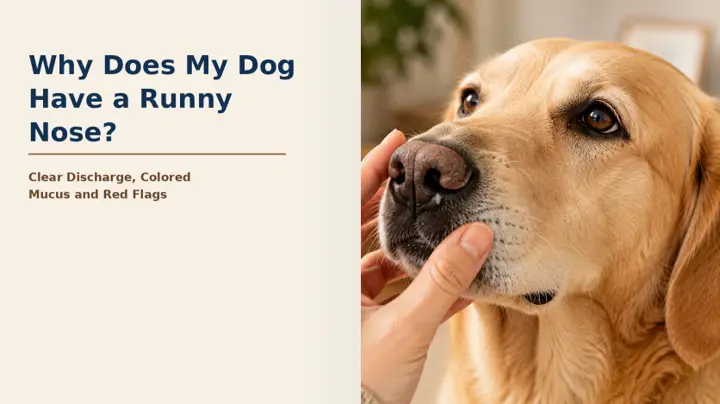
Why Does My Dog Have a Runny Nose? Clear Discharge, Colored Mucus and Red Flags
Learn what a runny nose in dogs can mean, why one-sided discharge matters, how color and other symptoms change urgency, and when veterinary care is...

Browse 140 Virixoo dog health guides, organized to help you move between closely related questions.
Learn what a runny nose in dogs can mean, why one-sided discharge matters, how color and other symptoms change urgency, and when veterinary care is...
A dry dog nose is not automatically a sign of illness. Learn normal causes, what changes matter more than moisture alone, safe care steps, and when...
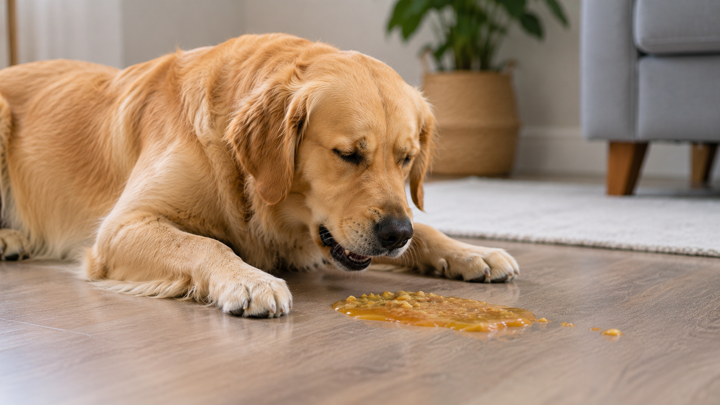
Learn how to describe dog vomiting, what owners should monitor, safe immediate steps, and red flags that require prompt veterinary care.
Occasional head shaking is normal, but repeated shaking can signal ear irritation, infection, allergy, a foreign object, or pain. Learn what to che...
A practical guide to diarrhea in dogs, including common triggers, what to monitor, hydration concerns, and veterinary warning signs.
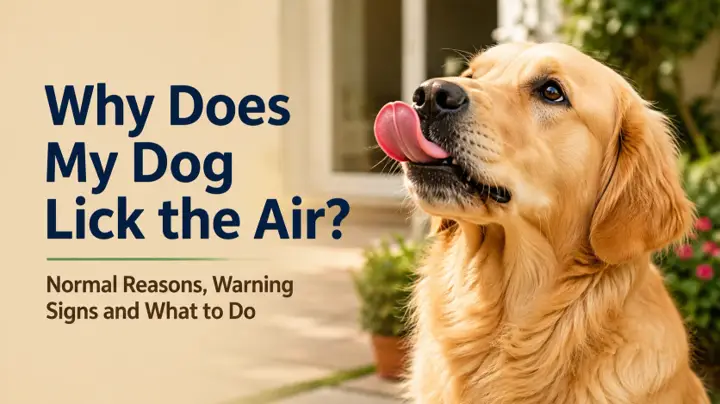
Learn why dogs lick the air, how to tell a harmless scent or excitement response from nausea, dental pain, compulsive behavior or a problem that ne...
Paw licking can be normal grooming or a clue to allergy, irritation, injury, infection, or pain. Learn what to check at home and when to call your...
A dog skipping food can have many explanations. Learn how to assess appetite changes safely and which signs mean veterinary care should not wait.
Learn why dogs snore, how sleeping position, anatomy, weight, congestion and airway problems can contribute, and which breathing signs deserve vete...
Learn why dogs may suddenly drool excessively, what mouth and nausea signs to check, and when heavy salivation requires emergency veterinary care[c...
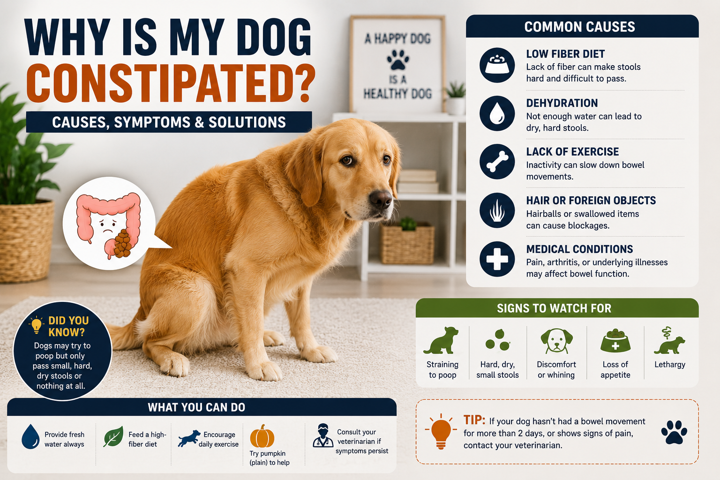
Learn how to recognize constipation in dogs, common causes, what not to give at home, and when straining or absent stool needs veterinary care[cite...
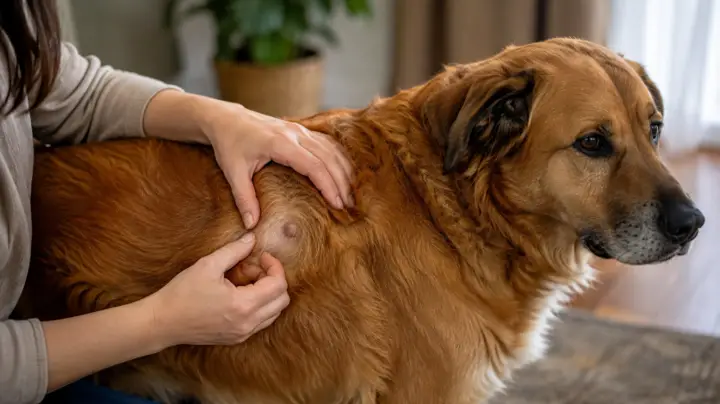
Lumps in dogs can be benign or serious, and appearance alone cannot reliably identify them. Learn what to record and why sampling is often needed.
Frequent ear scratching can signal infection, allergy, parasites, moisture, foreign material, or irritation.
Learn how to look for fleas and flea dirt, where fleas often hide, and why persistent itching may need veterinary treatment.
Repeated coughing after water can involve fast drinking, throat irritation, swallowing difficulty, or an underlying airway problem.
Fast breathing at rest can occur with heat, stress or recent activity, but persistent rapid breathing may also reflect pain, fever, heart or lung d...
Dog rashes can be caused by allergies, parasites, infections, contact irritation, insect bites, moisture, or underlying disease.
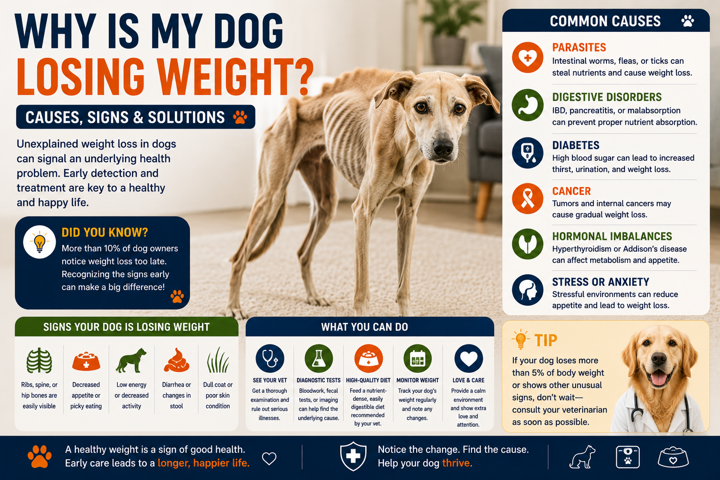
Learn why unexplained weight loss in dogs matters, what appetite and digestive patterns can reveal, and when veterinary testing is important[cite...
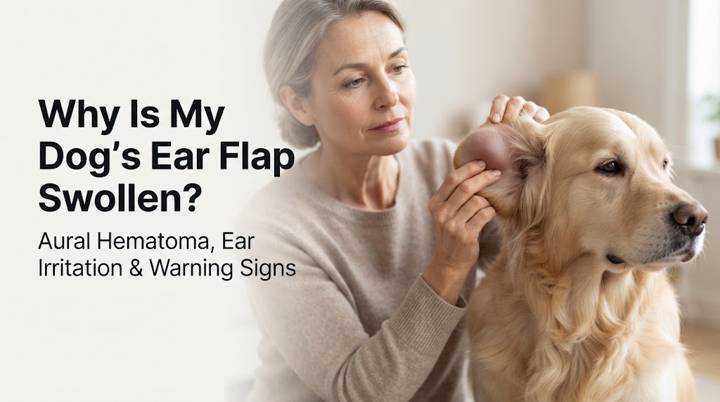
A swollen ear flap may be an aural hematoma after vigorous shaking or scratching, but injury, allergy, and inflammation can also contribute.
Dogs with allergies often develop itchy skin, paw licking, recurring ear trouble, inflamed skin, or sometimes digestive signs.
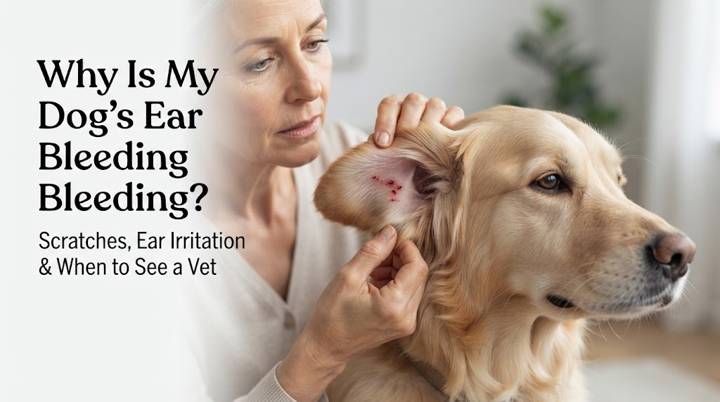
Ear bleeding can come from a scratch, bite, torn edge, inflamed canal, or vigorous head shaking and should be assessed if persistent.
Unequal pupil size can reflect eye or neurologic disease and is especially important when it appears suddenly.
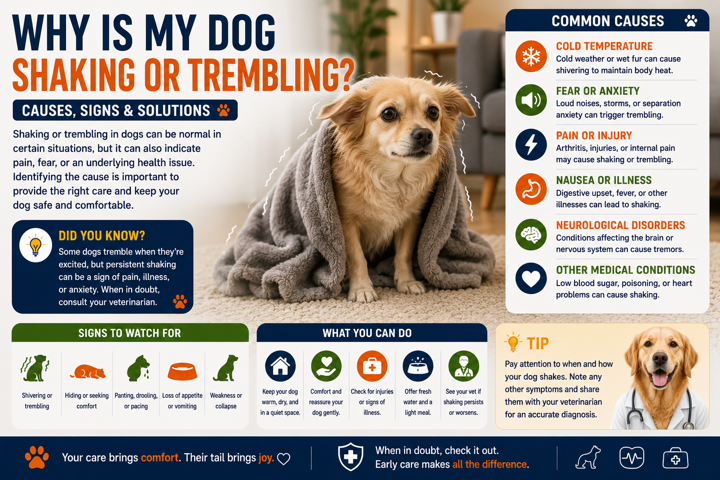
Understand common reasons dogs shake or tremble, how context helps distinguish fear from illness, and which signs require urgent veterinary care[ci...
Peeling paw pads can follow friction, heat, chemicals, dryness, injury, or skin disease and need care when painful or raw.