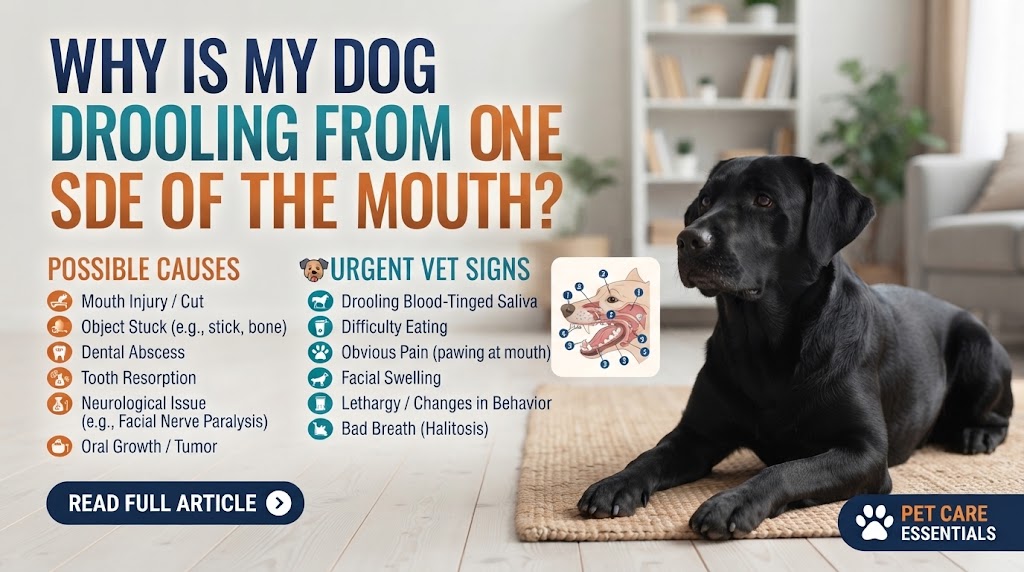
Some dogs naturally drool more than others, but a sudden increase in salivation can signal nausea, mouth pain, dental disease, a foreign object, toxin exposure, heat illness, swallowing difficulty, or another medical problem. The change from your dog's normal pattern matters more than the absolute amount.
Quick Answer
If it is safe, look at the front of the mouth for an obvious object, bleeding, broken tooth, or swelling without forcing the jaws open. Note vomiting, gagging, difficulty swallowing, facial swelling, panting, weakness, or possible toxin exposure. Seek prompt veterinary care when drooling is sudden, severe, painful, or accompanied by other concerning signs.
Mouth and Dental Pain
Broken teeth, periodontal disease, oral wounds, burns, and objects caught in the mouth can increase saliva. Pawing at the mouth, dropping food, chewing on one side, blood, or bad breath supports the need for an oral examination.
Nausea
Dogs may salivate before vomiting. Lip licking, repeated swallowing, restlessness, appetite loss, and retching can occur at the same time. Repeated vomiting or inability to keep water down requires veterinary advice.
Foreign Objects
Sticks, bone fragments, string, hooks, and other material can become lodged in or injure the mouth. Do not pull on string disappearing under the tongue or down the throat; it may be anchored internally and can cause serious injury.
Toxins and Irritants
Certain plants, chemicals, medications, and irritating substances can cause drooling. If poisoning is possible, preserve the package or plant information and seek professional advice immediately. Do not induce vomiting unless specifically directed.
Heat and Breathing Problems
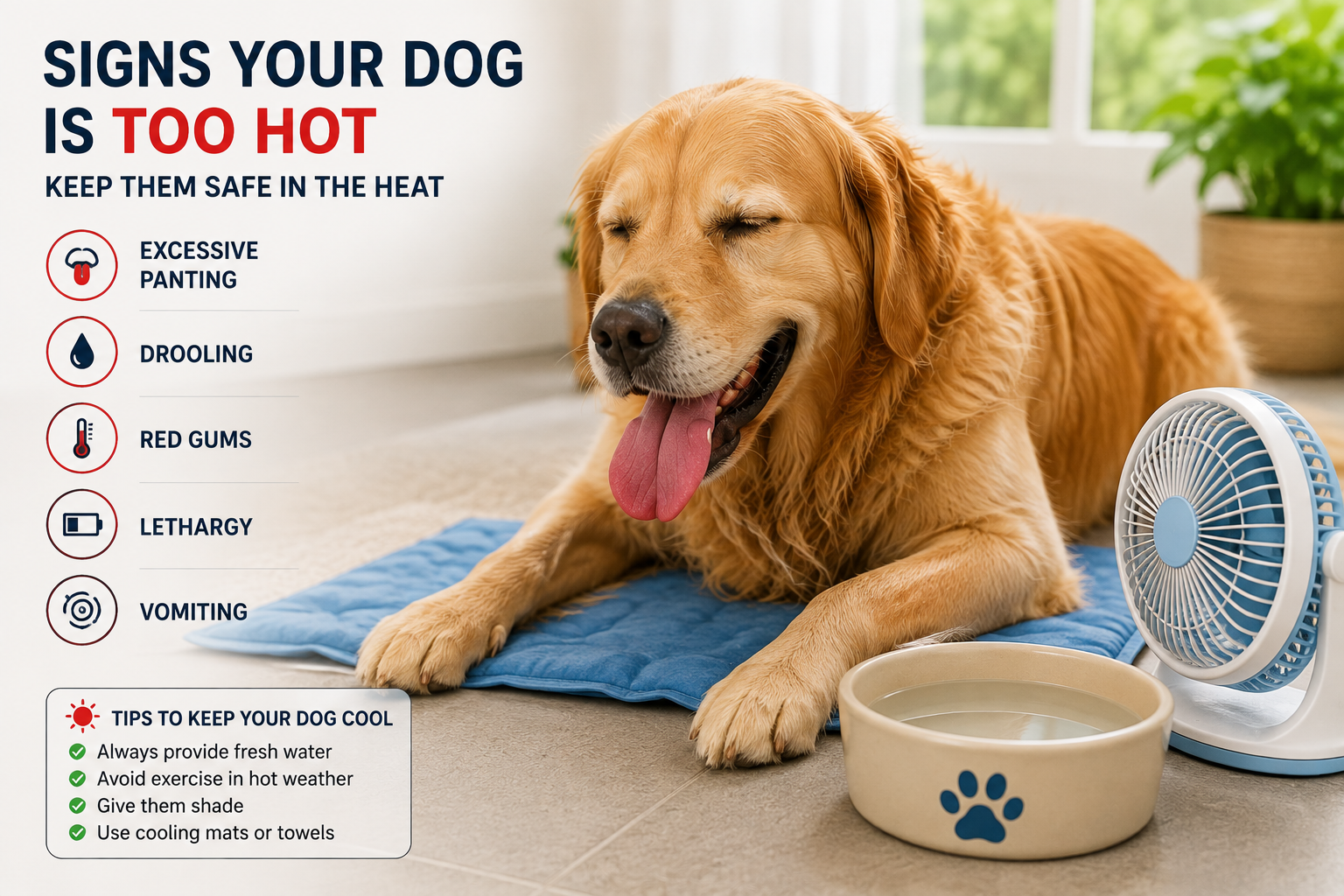
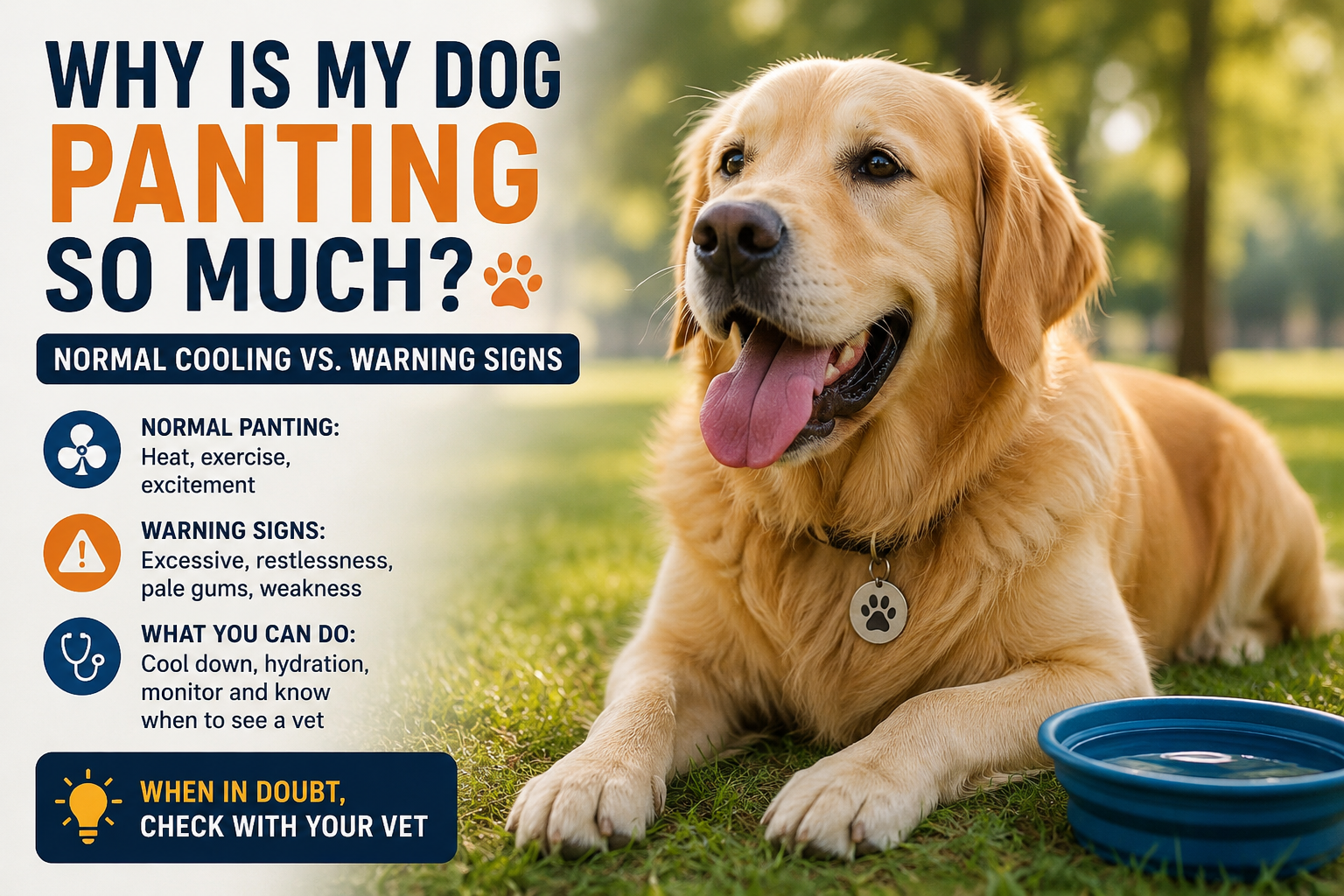
Heavy drooling together with intense panting, weakness, confusion, vomiting, or collapse during heat exposure can indicate a heat-related emergency. Move the dog out of the heat and obtain urgent veterinary care.
When to See a Veterinarian
Arrange prompt care for sudden unexplained drooling, mouth pain, facial swelling, difficulty eating, repeated vomiting, gagging, or suspected foreign material. Emergency signs include breathing difficulty, collapse, severe heat exposure, toxin ingestion, inability to swallow, or rapidly increasing facial or throat swelling.
Related Virixoo Guides
For dental odor and mouth disease, read Why Does My Dog Have Bad Breath?. For nausea and vomiting, see Why Is My Dog Vomiting?.
Sources & References
The American Veterinary Medical Association provides pet-owner health and emergency-care resources and encourages veterinary evaluation when significant health changes occur.
FAQ
Is drooling normal for some breeds?
Yes, lip and facial anatomy makes some dogs naturally drool more. A sudden increase from that dog's baseline is still meaningful.
Can nausea cause drooling without vomiting?
Yes. Salivation can accompany nausea even when vomiting does not occur.
Can I reach into my dog's mouth for an object?
Only inspect if it is safe. A painful or panicking dog may bite, and deeply lodged objects should be removed professionally.
Bottom line: Compare drooling with your dog's normal baseline and look for mouth pain, nausea, toxins, heat, or swallowing problems. Sudden severe drooling with systemic signs needs prompt care.