A dog that suddenly starts drinking much more water than usual deserves attention. Extra thirst can happen after exercise, during hot weather, after eating dry or salty food, or while nursing puppies. But a persistent increase can also accompany urinary, kidney, hormonal, metabolic, or medication-related problems. The most useful first step is not to restrict water; it is to measure the change and look for other signs.
Quick Answer
Keep fresh water available and track how much your dog drinks over 24 hours if practical. Notice whether urination has also increased, whether accidents are happening indoors, and whether appetite, weight, energy, vomiting, or stool have changed. A persistent or unexplained increase in thirst should be discussed with a veterinarian.
What Counts as “More Than Usual”?
Owners often notice excessive thirst because the bowl empties faster, the dog wakes to drink at night, seeks water from unusual places, or asks to go outside more often. Individual water needs vary with body size, food moisture, temperature, exercise, pregnancy, nursing, and health. Because of that variation, your dog's normal pattern is an important baseline.
Common Reasons a Dog May Drink More
Heat and Exercise
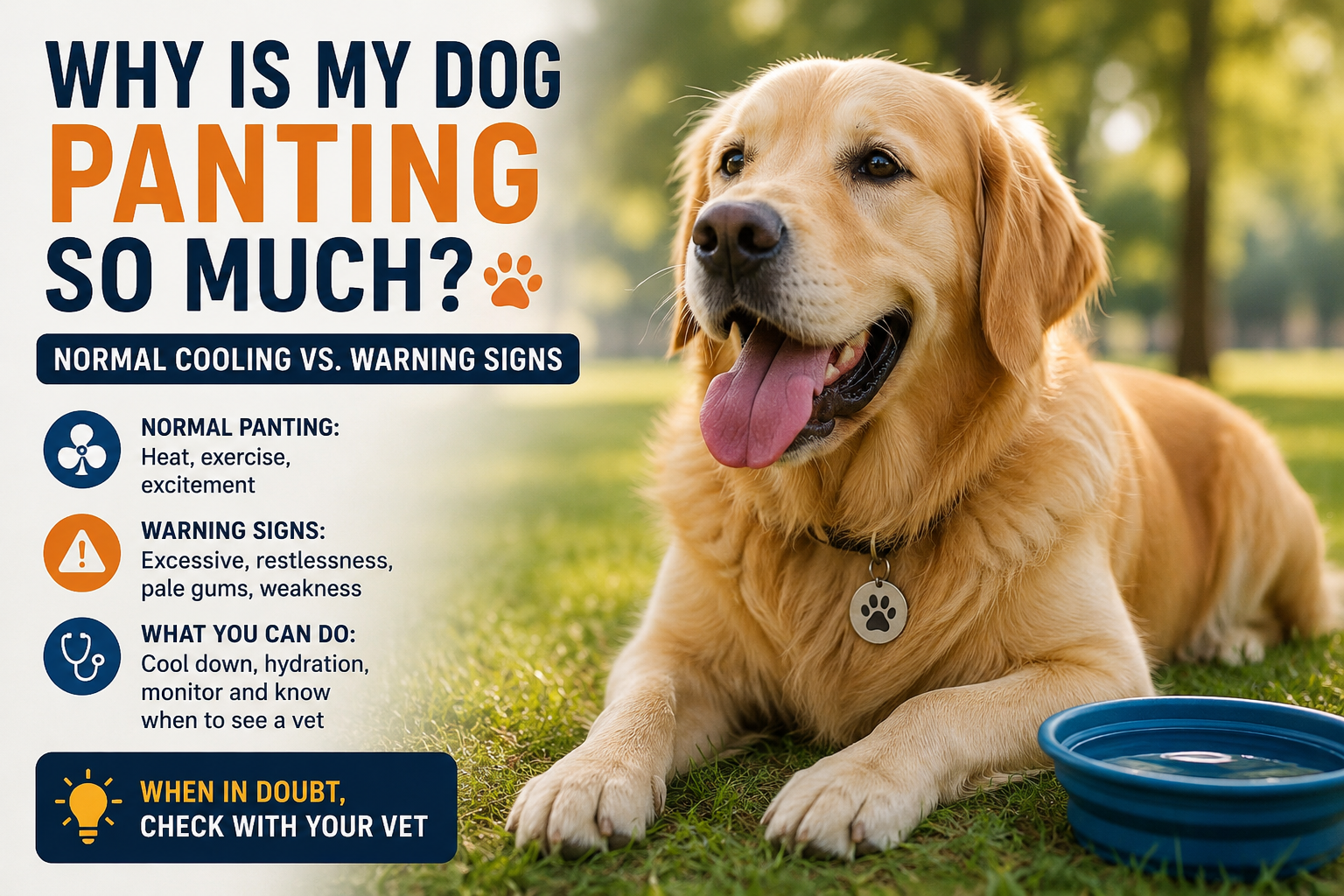
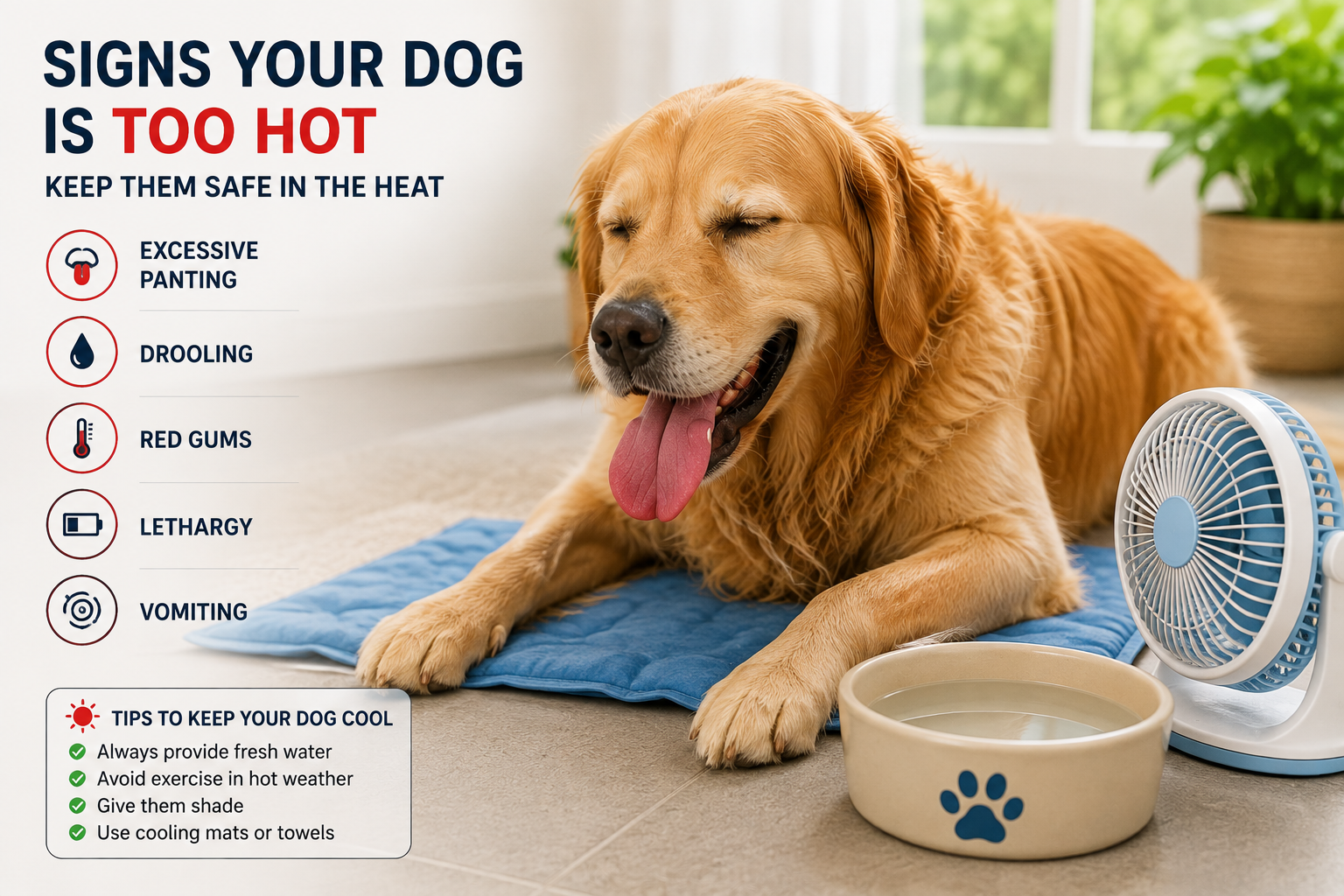
Panting and physical activity increase water needs. After exercise, offer clean water and allow the dog to cool down gradually. Extreme panting, weakness, confusion, vomiting, collapse, or difficulty breathing is not simply “being thirsty” and requires urgent care.
Diet
Dogs eating mostly dry food usually obtain less water from food than dogs eating moisture-rich diets. Salty foods can also increase thirst, but intentionally feeding salt or electrolyte products without veterinary guidance is unsafe.
Medication Effects
Some prescribed medications can increase thirst and urination. Never stop a medication abruptly because you notice this effect. Contact the prescribing veterinarian and ask whether the change is expected and whether monitoring is needed.
Medical Causes
Persistent increased thirst can occur with conditions affecting the kidneys, urinary system, hormones, blood sugar, liver, calcium balance, and other body systems. Increased thirst is a sign, not a diagnosis, so testing may include examination, bloodwork, and urinalysis depending on the pattern.
What to Record Before the Vet Visit
- When the increased drinking started.
- Approximate water intake over 24 hours if you can measure it safely.
- Frequency and volume of urination.
- Indoor accidents or waking at night to urinate.
- Appetite, weight, energy level, vomiting, and diarrhea.
- Current medications, supplements, and recent diet changes.
Do Not Restrict Water
Unless a veterinarian has specifically instructed you to do so for a particular medical reason, do not limit a thirsty dog's access to water. Restricting water can worsen dehydration or electrolyte problems and can be dangerous when an underlying disease is causing increased losses.
When to Contact a Veterinarian
Arrange veterinary advice when increased thirst is persistent, clearly above your dog's normal pattern, or accompanied by increased urination, weight loss, appetite changes, vomiting, lethargy, weakness, urinary discomfort, or accidents in a previously house-trained dog. Seek urgent care for collapse, severe weakness, repeated vomiting, inability to keep water down, seizures, or breathing difficulty.
Related Virixoo Guides
If your dog is also having urinary accidents, read Why Is My Dog Peeing in the House Suddenly?. If vomiting is part of the picture, see Why Is My Dog Vomiting?.
Sources & References
The American Animal Hospital Association lists excessive thirst or urination among changes that deserve veterinary attention, and the American Veterinary Medical Association provides general pet-health resources.
Frequently Asked Questions
Should I take the water bowl away at night?
Not simply because your dog is drinking more. Unexpected thirst should be investigated rather than managed by restricting access to water.
Can hot weather explain extra drinking?
Yes, heat and exercise can increase water needs. The concern is a persistent change, a very large increase, or other symptoms such as weakness, vomiting, or excessive urination.
Can diabetes cause increased thirst in dogs?
Diabetes is one possible medical cause, but it is not the only one. A veterinarian uses the full history and appropriate tests rather than thirst alone to determine the cause.
Bottom line: Increased thirst is easy to notice and valuable to report. Keep water available, measure the pattern when possible, watch urination and overall behavior, and seek veterinary assessment when the change is persistent or unexplained.