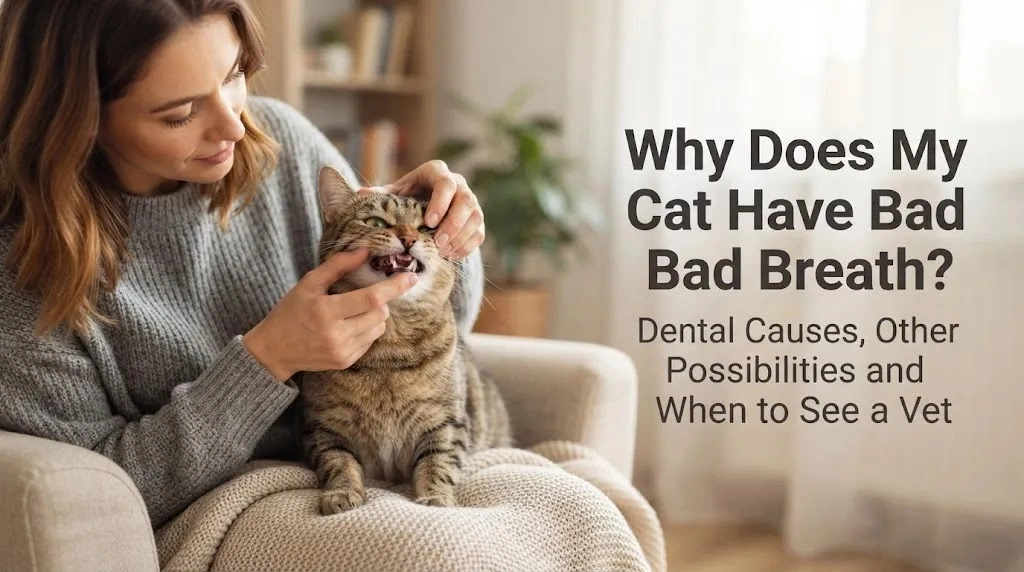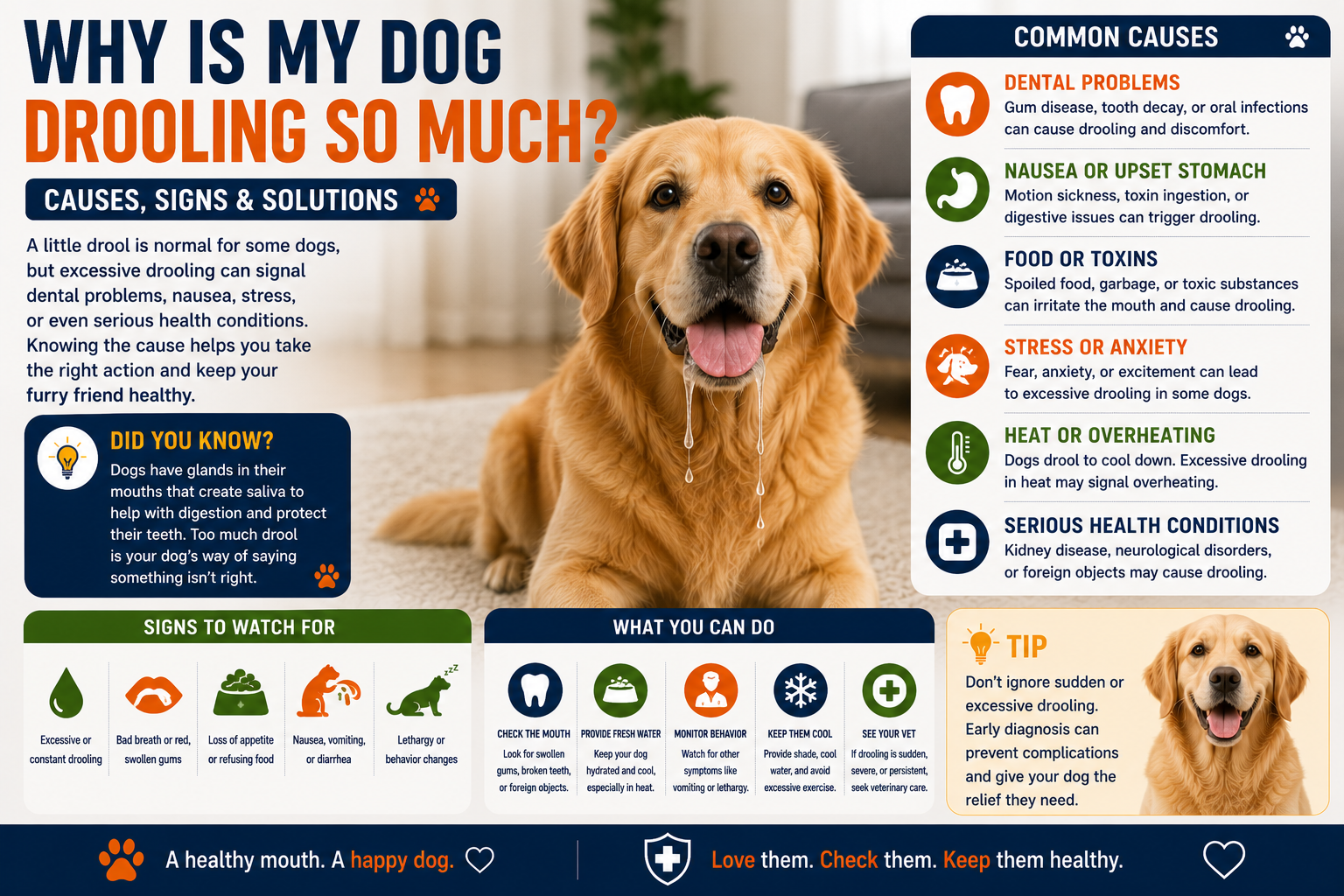
Persistent bad breath is often one of the first clues that a dog's mouth needs attention. Temporary food odor can occur, but strong, recurring, or worsening breath may be associated with plaque, tartar, inflamed gums, periodontal disease, broken teeth, oral infection, or other medical problems.
Quick Answer
If it is safe, lift the lips and look for red or bleeding gums, brown tartar, broken teeth, swelling, drooling, or obvious pain. Begin preventive home care with products designed for dogs, but understand that brushing cannot remove established disease below the gumline. Persistent odor deserves a veterinary oral examination.
Common Causes of Bad Breath
Plaque and Tartar
Bacteria form plaque on teeth. Without regular disruption, plaque can mineralize into tartar and contribute to gum inflammation. Visible tartar is only part of the picture because important disease can exist below the gumline.
Periodontal Disease
Periodontal disease affects the tissues supporting the teeth and can be painful even when a dog keeps eating. Bad breath, red gums, loose teeth, and reluctance to chew are important warning signs.
Broken Teeth or Oral Injury
Hard chews, trauma, and foreign objects can fracture teeth or injure the mouth. Sudden drooling, pawing at the mouth, chewing on one side, or facial swelling should prompt veterinary care.
Other Health Problems
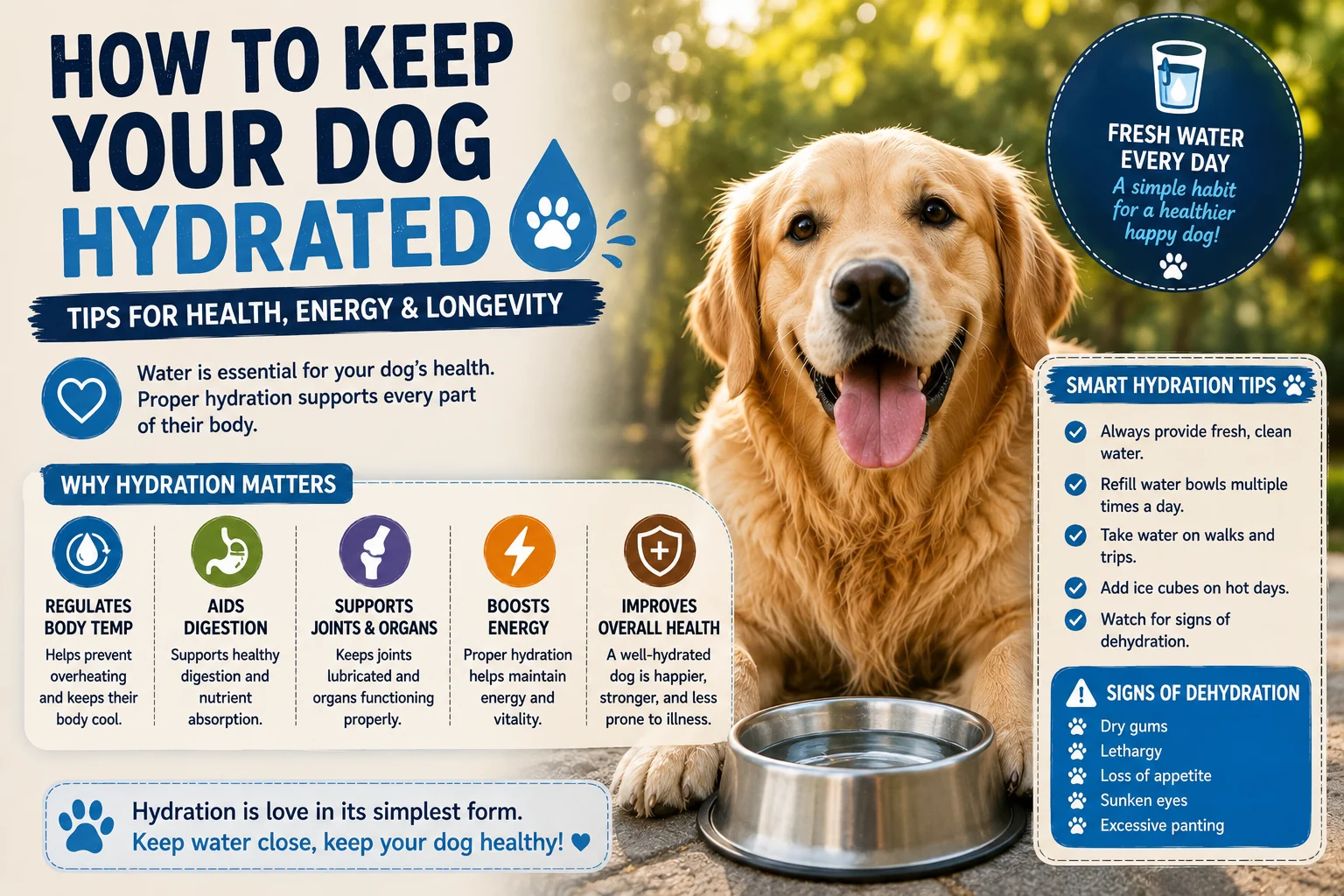
Unusual breath can occasionally occur with problems beyond the mouth. If bad breath appears with excessive thirst, vomiting, weight loss, or appetite change, tell your veterinarian about the complete pattern.
Safe Home Dental Care
Use toothpaste made specifically for pets; human toothpaste is not intended to be swallowed by dogs. Introduce brushing gradually with short, positive sessions. Dental chews, diets, and other products vary in effectiveness and suitability, so ask your veterinarian which options fit your dog.
What Home Brushing Cannot Fix
Brushing is preventive care. It cannot repair a fractured tooth, treat a painful abscess, or safely remove disease below the gums. Avoid scraping tartar with sharp tools at home.
Signs That Need a Vet Exam
| Sign | Why It Matters |
|---|---|
| Red or bleeding gums | Possible gum inflammation or periodontal disease |
| Loose or broken tooth | Can be painful and infected |
| Dropping food | May indicate oral pain |
| Facial swelling | Possible infection or other oral disease |
| Blood in saliva | Needs veterinary evaluation |
Related Virixoo Guides
If mouth pain is affecting appetite, read Why Is My Dog Not Eating?. If bad breath appears with unusual thirst, see Why Is My Dog Drinking So Much Water?.
Sources & References
The American Veterinary Medical Association's pet dental care guide explains that dental health is part of overall health and recommends regular veterinary oral checks.
FAQ
Is bad breath normal in older dogs?
Severe or worsening odor should not be dismissed as normal aging. Older dogs commonly accumulate dental disease and benefit from regular examinations.
Can brushing remove tartar?
Brushing helps reduce plaque formation but does not safely remove established tartar below the gumline.
How often should I brush my dog's teeth?
Frequent brushing is generally more useful than occasional brushing. Your veterinarian can help you build a routine that is safe and realistic for your dog.
Bottom line: Treat persistent bad breath as a health clue, not just an odor problem. Combine gentle home prevention with professional dental assessment when signs of disease appear.