

Dogs
2 min read
Why Does My Dog Keep Turning Around to Look at His Belly?
Repeatedly turning to look at the belly can reflect gas, skin irritation, abdominal pain, nausea, a wound, or discomfort along the flank or back.
Browse 140 Virixoo dog health guides, organized to help you move between closely related questions.
Repeatedly turning to look at the belly can reflect gas, skin irritation, abdominal pain, nausea, a wound, or discomfort along the flank or back.

Passive return of food hours after a meal can suggest an esophageal problem and should be distinguished from active vomiting because the causes and...
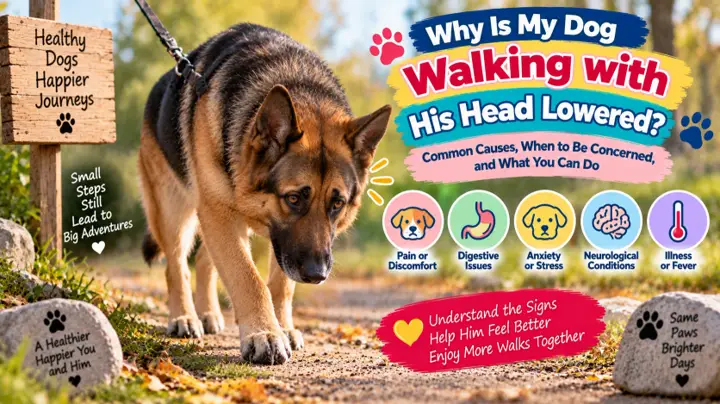
Repeated mouth opening and closing at rest may come from oral pain, something caught in the mouth, nausea, jaw discomfort, breathing trouble, or le...

A brief shake after drinking may be harmless, but repeated head shaking can point to water entering an irritated ear, ear disease, or discomfort ar...
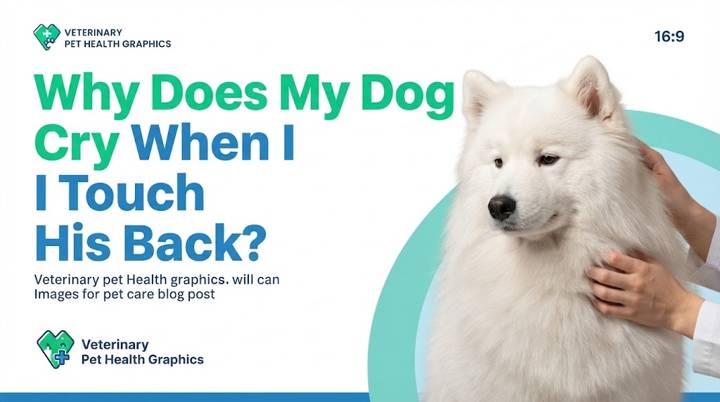
Pain when the back is touched can arise from muscle strain, spinal pain, rib or skin injury, or discomfort referred from nearby structures.

A jaw that suddenly hangs open or cannot close normally may reflect trauma, jaw-joint problems, oral pain, nerve dysfunction, or another urgent con...
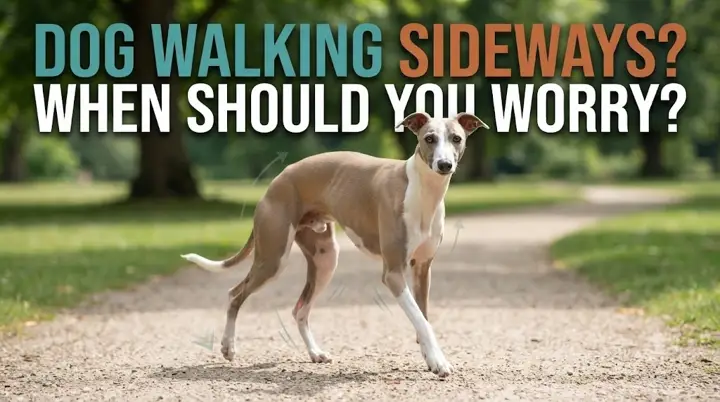
Learn why some dogs naturally crab-walk or move slightly sideways and when a new crooked gait may signal pain, weakness, vestibular disease, or neu...
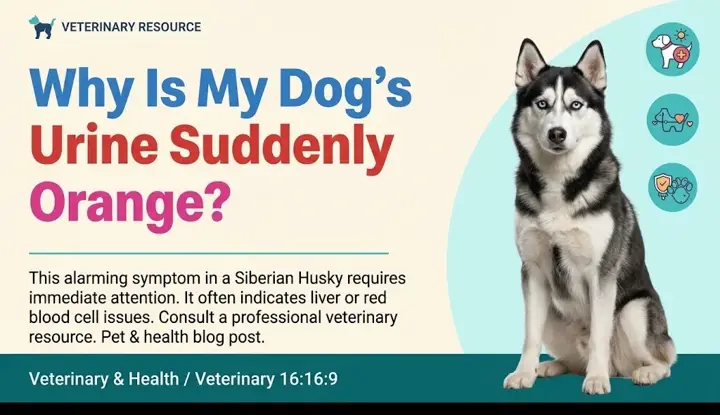
Orange urine may reflect concentrated urine, pigments from blood breakdown, liver or bile-related disease, medications, or other urinary changes th...
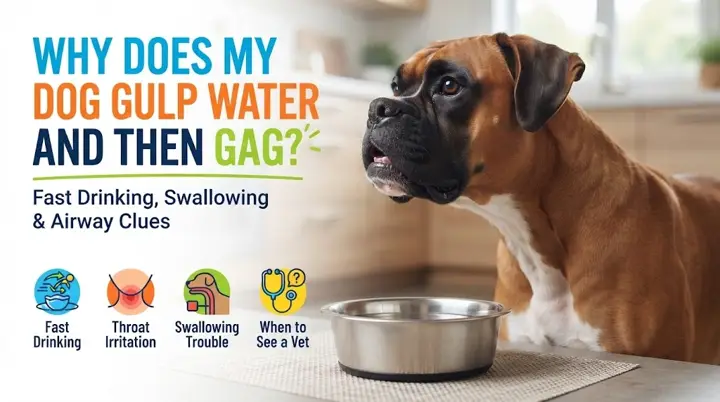
Gagging immediately after gulping water can follow very fast drinking or brief throat irritation, but recurrent episodes may reflect swallowing or...
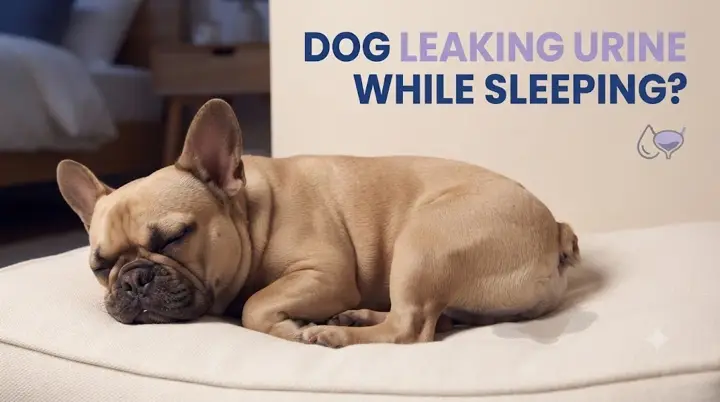
Learn why dogs may leak urine during sleep, which patterns suggest urinary incontinence, what owners should record, and when veterinary evaluation...

Learn what a bunny-hopping gait looks like in dogs, when it may be a harmless running style, and when hip, knee, spinal, or muscle problems should...

Learn why dogs sneeze repeatedly, how irritants, allergies, infection and nasal foreign material differ, and which signs need prompt veterinary car...

Hesitating before a familiar jump can be an early sign of paw, joint, muscle, or back pain, reduced strength, poor traction, vision change, or loss...

A tongue peeking out during relaxed sleep can be harmless, especially in some short-muzzled dogs or dogs with missing teeth. A new persistent chang...

Learn what an arched or hunched back can mean in dogs, how to distinguish a brief stretch from persistent painful posture, and when urgent veterina...

Small red belly bumps can come from contact irritation, insect bites, superficial infection, allergies, or parasites; distribution and itchiness he...

What to do when a dog swallows a sock, why seeming normal at first does not rule out obstruction, and which signs require urgent veterinary care.

Constantly changing sleeping positions can reflect pain, heat, abdominal discomfort, breathing difficulty, anxiety, or an unsuitable resting surface.

Brief hiccups after eating are often harmless, especially in young dogs, but persistent or unusual episodes should be distinguished from coughing...

Flinching when one side is touched can reflect skin irritation, a hidden wound, muscle or rib pain, spinal discomfort, abdominal pain, or fear afte...
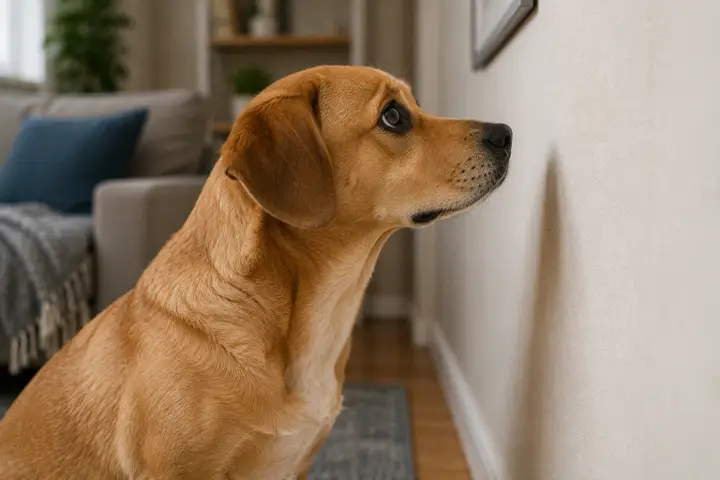
A dog may stare at a wall because of a sound or scent, but persistent staring with confusion, circling, head pressing, or behavior change deserves...
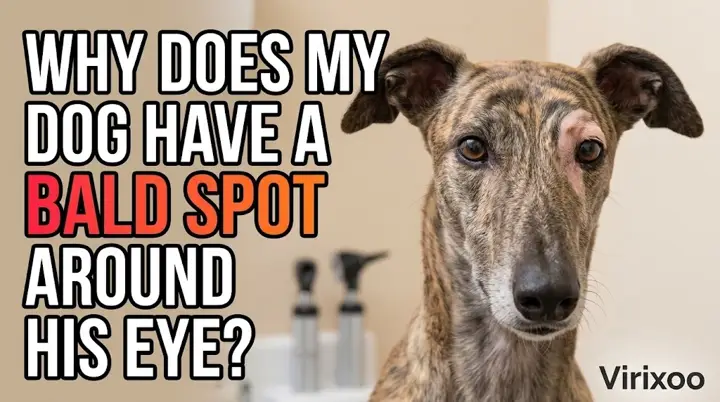
Hair loss around one eye can result from rubbing, parasites, fungal disease, bacterial skin disease, allergies, or eye irritation that causes self...

Repeatedly sitting down on walks can reflect heat, fatigue, fear, paw pain, joint or back pain, breathing difficulty, or a learned response.
New light sensitivity can be a sign of painful eye inflammation, corneal injury, glaucoma, or other ocular disease and deserves prompt veterinary a...