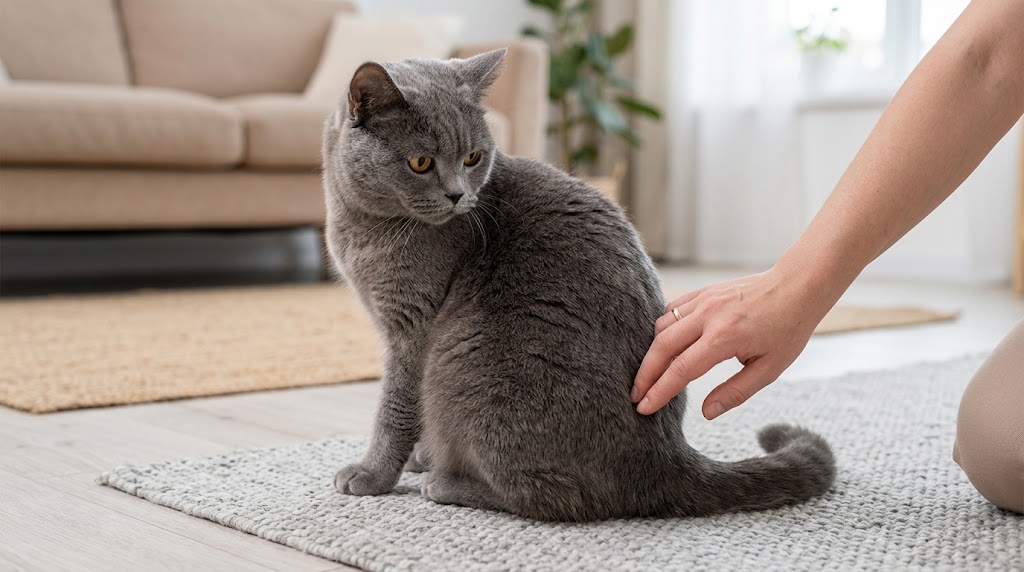

Flinching when one side is touched can reflect skin irritation, a hidden wound, muscle or rib pain, spinal discomfort, abdominal pain, or fear after a painful experience. The important question is whether this is a brief, explainable event or a new pattern that is persistent, painful, or accompanied by other changes.
Quick Answer
If you are searching for dog flinches when touched one side, compare the behavior with your dog's normal baseline. Record when it happens, what triggers it, how long it lasts, and whether appetite, drinking, urination, stool, breathing, sleep, energy, gait, or social behavior have changed. A persistent new pattern deserves veterinary assessment. Breathing difficulty, collapse, severe weakness, major trauma, uncontrolled bleeding, seizures, or rapidly worsening pain require urgent care.
Common Causes to Consider
Pain or Local Irritation
Pain is easy to miss because many dogs continue eating, walking, or seeking attention. A localized change can come from skin, paw, dental, muscle, joint, spinal, or soft-tissue discomfort depending on the body part involved.
Inflammation or Infection
Redness, warmth, swelling, discharge, odor, fever, or worsening tenderness raises concern for inflammation or infection. Small punctures and dental disease can be hidden from casual inspection.
Mechanical or Mobility Problems
A dog may compensate for reduced range of motion or strength by changing posture, route, chewing pattern, or pace. Compensation can make the dog look normal during easy activities while a more demanding movement exposes the problem.
Digestive or Nausea-Related Discomfort
Nausea can cause salivation, swallowing, lip licking, restlessness, grass seeking, reduced appetite, and unusual mouth movements. Vomiting is not required for nausea to be relevant.
Behavior and Environment
Fear, surface changes, noise, previous pain, or learned avoidance can influence behavior. However, a sudden change should not be labeled behavioral until pain and illness have been considered.
A Practical Triage Guide
| Pattern | Reasonable next step |
|---|---|
| One brief episode with a clear harmless trigger and complete return to normal | Observe for recurrence |
| New pattern that repeats or persists | Arrange a veterinary appointment |
| Pain, swelling, appetite loss, vomiting, limping, or functional decline | Seek prompt veterinary assessment |
| Breathing difficulty, collapse, paralysis, severe trauma, seizure, or rapidly worsening distress | Emergency care |
What to Record for the Veterinarian
Write down the onset, frequency, duration, exact trigger, appetite, water intake, urination, stool, medications, activity, and any recent injury or exposure. For intermittent signs, a clear video often gives the clinical team more information than trying to recreate the event during the appointment.
Related Virixoo Guides
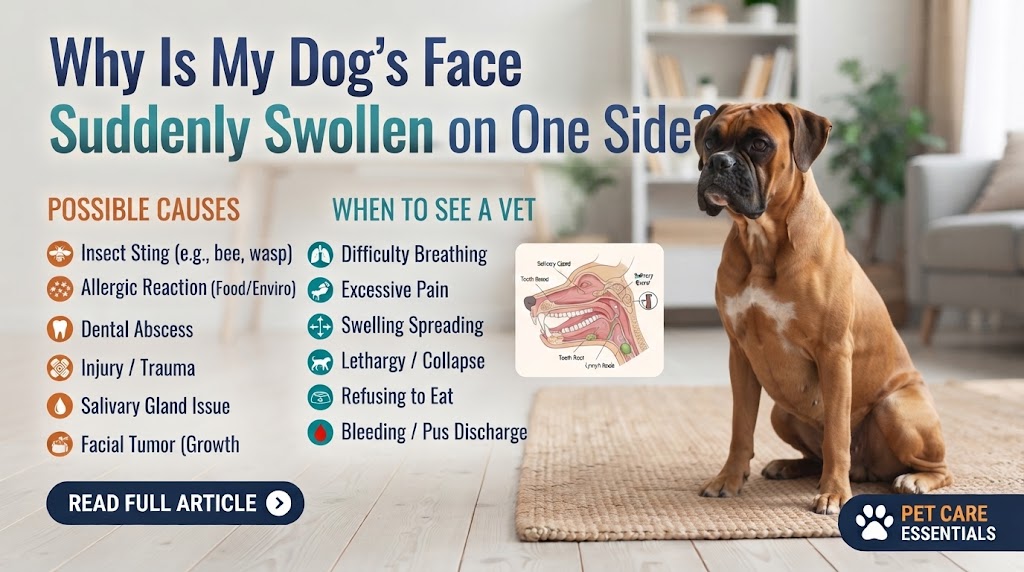
Arched Back in Dogs Sudden Facial Swelling in Dogs Swollen Paw in a Dog
Bottom Line
Flinching when one side is touched can reflect skin irritation, a hidden wound, muscle or rib pain, spinal discomfort, abdominal pain, or fear after a painful experience. Focus on the exact pattern and the dog's overall function. Safe observation can clarify a mild isolated event, but persistent or worsening changes deserve examination because dogs often compensate for pain before the problem becomes obvious.