

Dogs
2 min read
Why Does My Dog Suddenly Pant During the Night?
Nighttime panting can be caused by heat, anxiety, pain, medication effects, or medical disease; a new persistent pattern deserves assessment, espec...
Browse 140 Virixoo dog health guides, organized to help you move between closely related questions.
Nighttime panting can be caused by heat, anxiety, pain, medication effects, or medical disease; a new persistent pattern deserves assessment, espec...

Sudden stair avoidance can reveal paw, joint, muscle, back, neurologic, vision, or confidence problems even when ordinary walking still looks normal.

Learn why a dog's bark may become hoarse, weak, or disappear, how vocal strain differs from airway disease, and which breathing or swallowing signs...

Loss of nose pigment can be seasonal or benign in some dogs, but inflammation, trauma, immune-mediated disease, or other skin disorders can also al...

A new one-sided chewing pattern often points to oral pain or a mechanical problem such as dental disease, a fractured tooth, gum inflammation, or j...
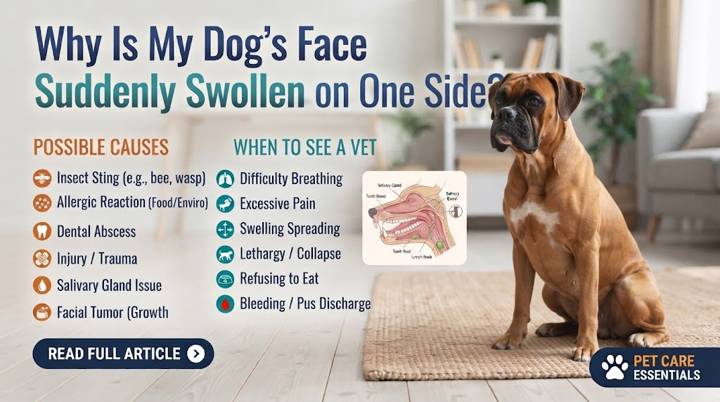
Sudden one-sided facial swelling may be caused by an insect sting, dental infection, trauma, salivary disease, or another localized inflammatory pr...

Gagging after exercise can follow airway irritation, pulling against a collar, overheating, or respiratory disease and should not be dismissed when...

Dogs may slip on hardwood because of low traction, nail or paw issues, pain, weakness, or neurologic disease. Learn practical ways to improve safety.
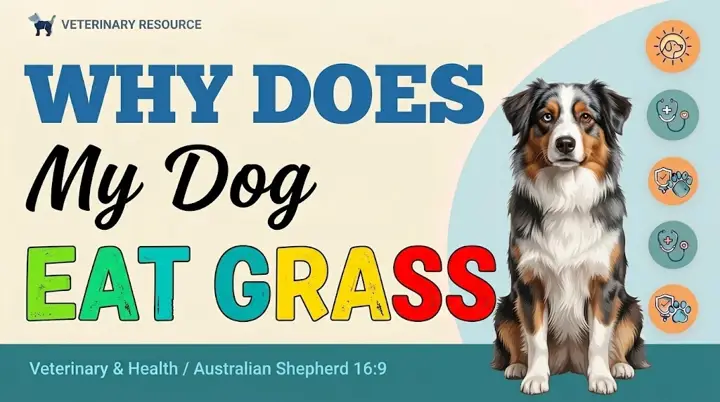
Brown staining around the mouth often comes from saliva on light fur, but excessive licking, dental disease, skin-fold irritation, or chronic moist...

A dog that lies down but gets back up within seconds may be unable to stay comfortable because of joint, back, abdominal, breathing, or anxiety-rel...

Taking longer to rise after sleep can be an early pain or mobility sign, including arthritis, muscle soreness, orthopedic injury, or spinal discomf...

Repeatedly staring or looking upward can be caused by sounds, insects, learned attention, neck discomfort, vision changes, or less commonly neurolo...
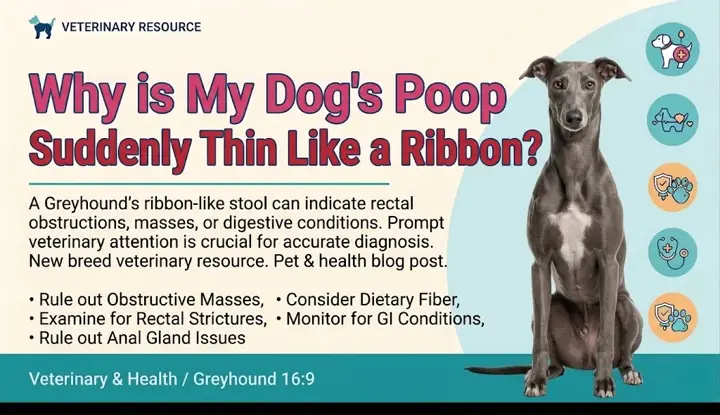
A single narrow stool may be incidental, but repeatedly ribbon-like stool can occur with straining, colon or rectal disease, pain, or narrowing nea...

Avoiding one side can reflect joint, rib, abdominal, skin, ear, or other localized pain, particularly when the preference is new and consistent.
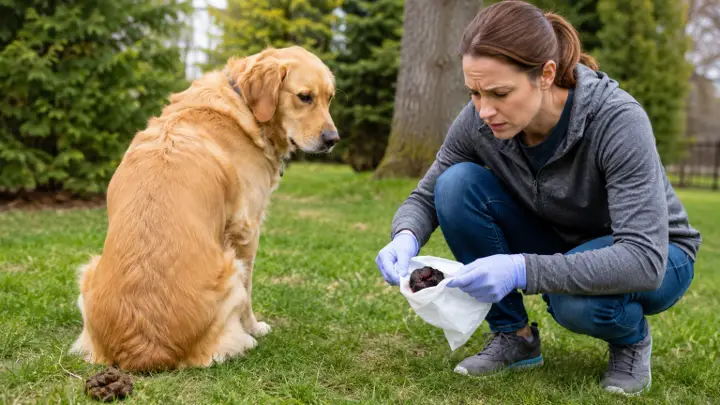
Learn what bright red blood or black tarry stool can mean in dogs, which accompanying symptoms change urgency, and when bloody stool needs emergenc...

Floor licking can begin with food smells or exploration, but persistent surface licking can also accompany nausea, stress, oral discomfort, or repe...

Some dogs simply like to rest with the head raised, but a new insistence on an elevated sleeping position can matter when it appears with coughing...

Understand the risks of pool-water drinking in dogs, how chlorine, salt, algae, and large-volume intake change the concern, and when veterinary car...

Repeated swallowing that wakes a dog at night can be associated with nausea, reflux-like discomfort, excess saliva, mouth pain, or swallowing probl...

A swollen paw pad can follow trauma, burns, a foreign body, insect sting, infection, or inflammation and should be checked when painful or persistent.