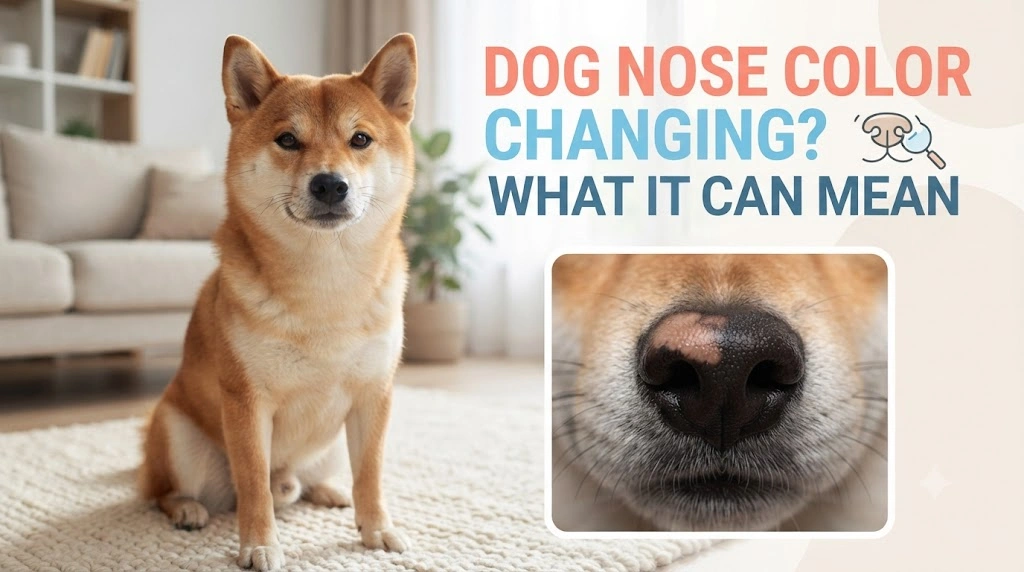
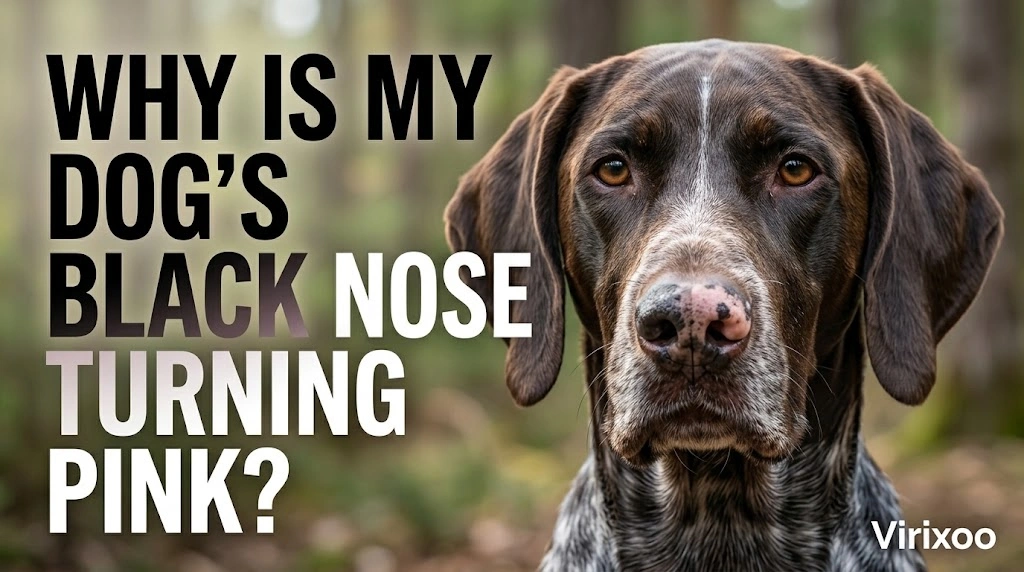
Loss of nose pigment can be seasonal or benign in some dogs, but inflammation, trauma, immune-mediated disease, or other skin disorders can also alter color. A single sign rarely identifies one diagnosis, so the safest approach is to look at the whole pattern: when it started, how often it happens, what triggers it, and whether your dog is otherwise acting normally.
Quick Answer
Loss of nose pigment can be seasonal or benign in some dogs, but inflammation, trauma, immune-mediated disease, or other skin disorders can also alter color. Persistent, painful, progressive, or function-limiting changes should be assessed by a veterinarian.
Possible Causes
Irritation or allergy
Contact irritation, environmental allergy, moisture, friction, or insect bites can cause redness, bumps, staining, or hair loss. The timing, severity, and accompanying signs help determine how much weight to give this possibility.
Infection or parasites
Bacterial, yeast, fungal, or parasitic disease may produce itch, odor, scale, crusts, bumps, or alopecia. The timing, severity, and accompanying signs help determine how much weight to give this possibility.
Pigment or immune-related change
Some color changes are benign, while inflammation or immune-mediated disease can alter pigment and skin integrity. The timing, severity, and accompanying signs help determine how much weight to give this possibility.
Bottom Line
Loss of nose pigment can be seasonal or benign in some dogs, but inflammation, trauma, immune-mediated disease, or other skin disorders can also alter color. The most useful next step is not to guess a diagnosis from one symptom, but to document the pattern and judge whether normal function is changing. If the sign is persistent, painful, progressive, or accompanied by other abnormalities, veterinary evaluation is the safest course.