

Dogs
2 min read
Why Do My Dog’s Ears Smell Bad? Ear Infection, Yeast and Allergy Clues
A strong ear odor can accompany yeast or bacterial overgrowth, inflammation, moisture, allergies, parasites, or foreign material.
Browse 140 Virixoo dog health guides, organized to help you move between closely related questions.
A strong ear odor can accompany yeast or bacterial overgrowth, inflammation, moisture, allergies, parasites, or foreign material.
Learn when increased thirst in dogs may be normal, what changes owners should track, and which signs deserve prompt veterinary attention[cite: 14].
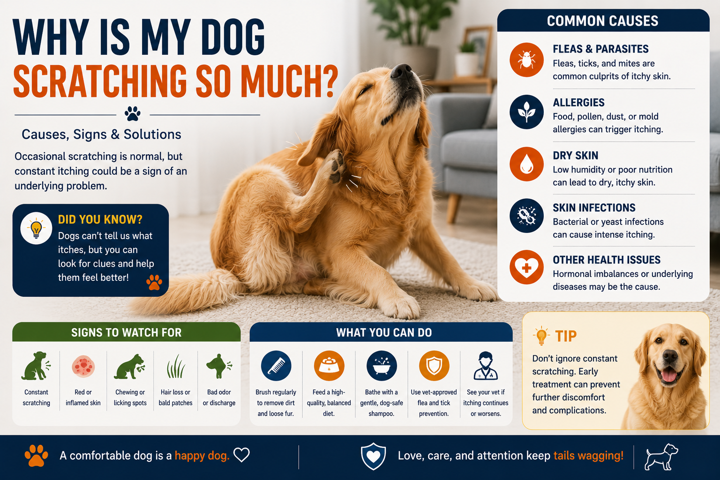
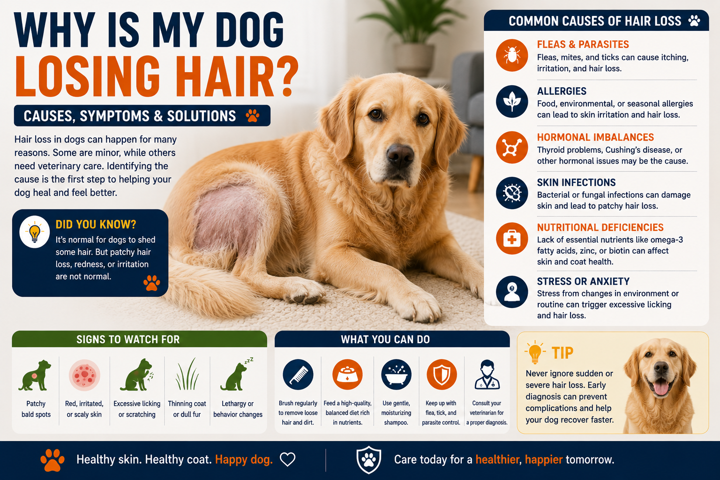
Learn what different hair-loss patterns in dogs may mean, how itching changes the likely causes, and when bald patches need veterinary evaluation[c...
Understand why dogs drag their rear on the floor, what owners can safely inspect, and when recurring scooting needs veterinary attention[cite: 14].
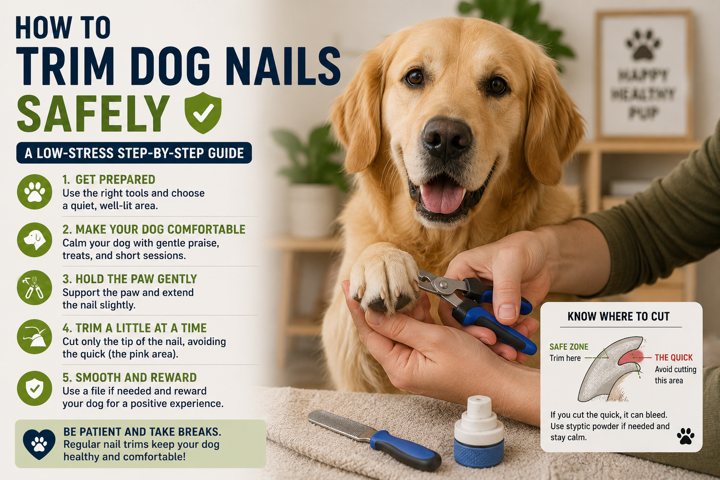
Learn how to trim dog nails safely, recognize the quick, introduce clippers gradually, manage accidental bleeding, and know when to use a professio...
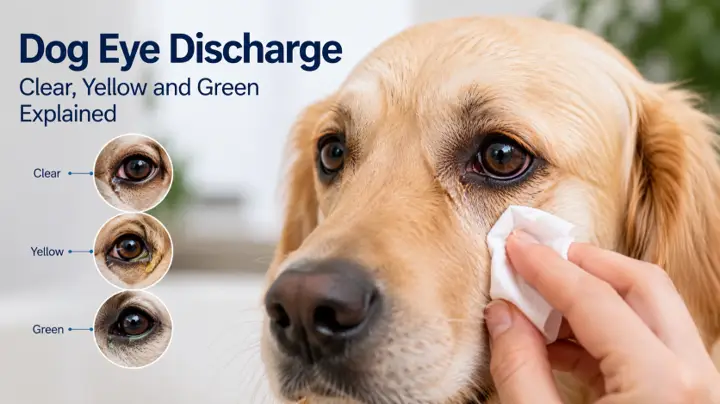
Dog eye discharge may be harmless tear debris or a sign of irritation, infection, dry eye, injury, eyelid problems, or other disease.

Learn why dogs whine, how to distinguish attention-seeking from fear, discomfort or unmet needs, and when persistent whining needs veterinary help[...
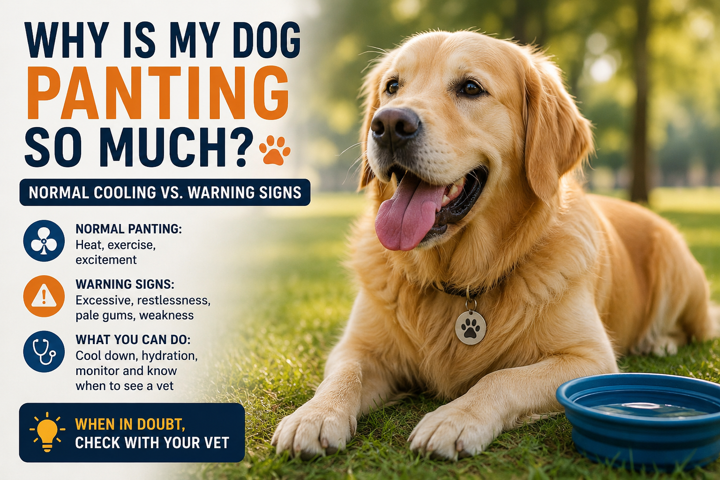
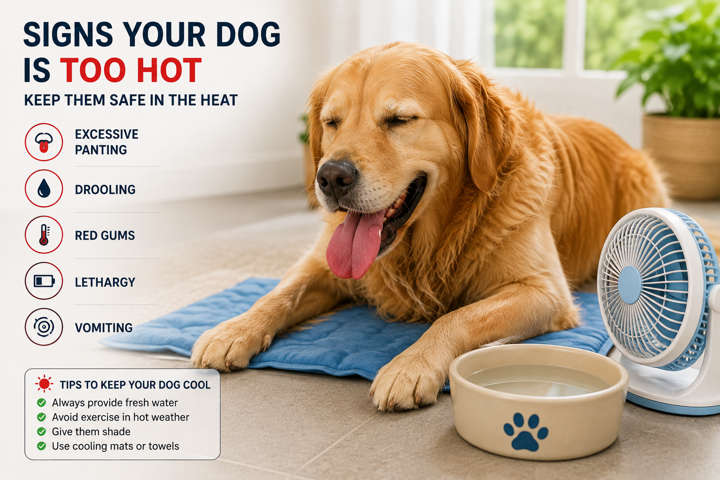
Understand normal panting, common triggers such as heat and excitement, and the signs that excessive panting may need urgent veterinary care[cite...
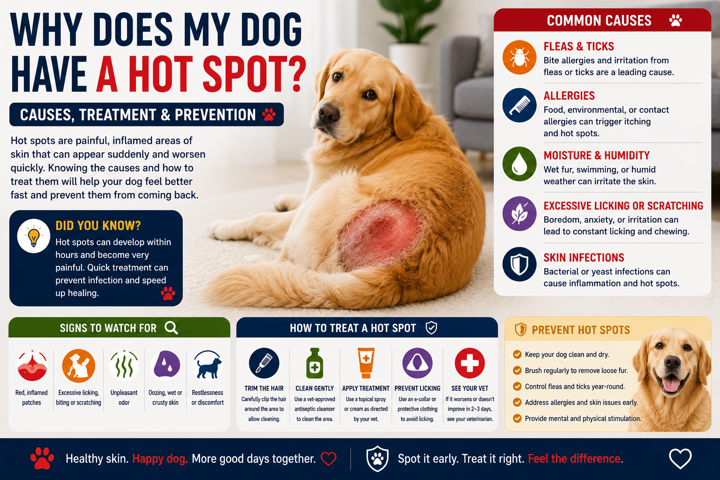
Learn what hot spots look like, why licking and moisture make them worse, safe first steps, and when an inflamed skin lesion needs veterinary care[...

Cloudiness can arise from the cornea, lens, or deeper eye structures, and sudden cloudiness with pain or vision change needs prompt care.
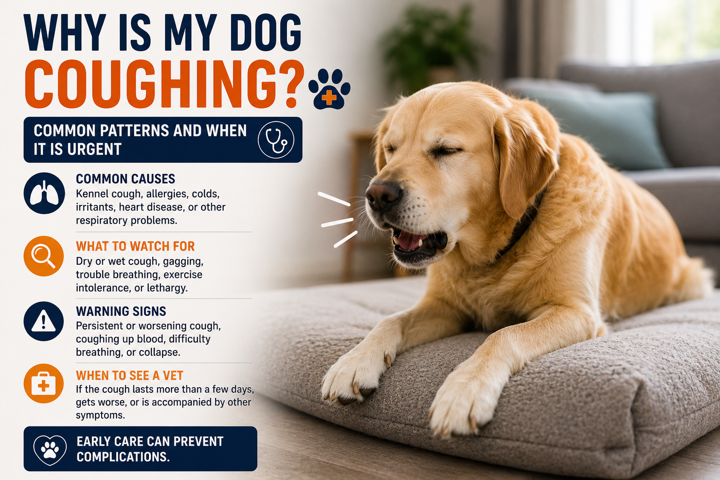
Learn what different cough patterns can suggest, which details help your veterinarian, and when coughing in a dog becomes an emergency[cite: 14].
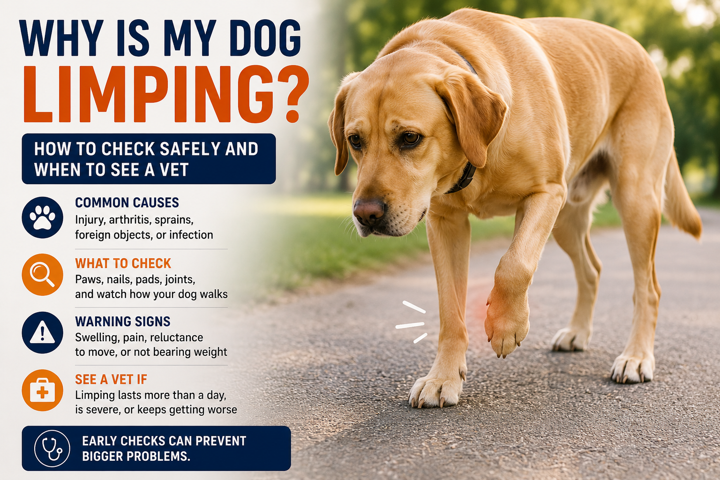
A practical guide to sudden or recurring limping in dogs, safe checks owners can make, activity limits, and signs that need prompt veterinary asses...
Learn why dogs gain excess weight, how to assess portions and treats, when medical causes matter, and how to build a safe veterinary-guided weight...

A mild corn-chip odor can come from normal skin microbes, while strong odor with redness or licking may signal inflammation or infection.

Red eyes in dogs can come from irritation, conjunctivitis, dry eye, injury, glaucoma, uveitis, or other eye disease.

A naturally dark nail can be normal, but a new color change in one nail can follow bruising, trauma, infection, or nail-bed disease.
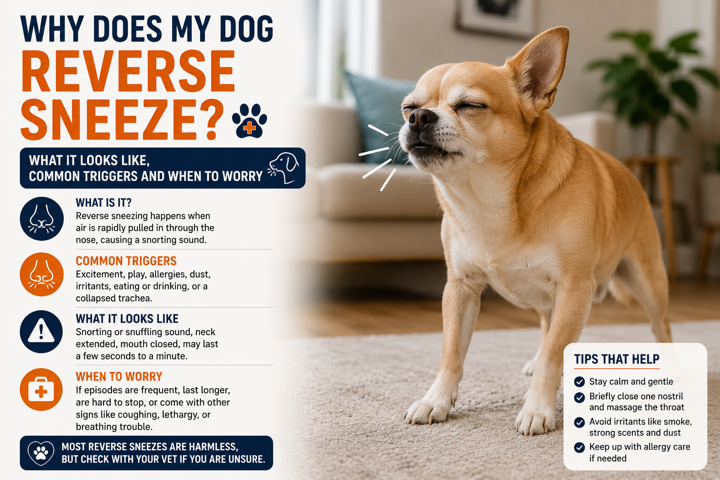
Learn how reverse sneezing differs from coughing or choking, common triggers, what owners can safely do, and when repeated episodes need a veterina...
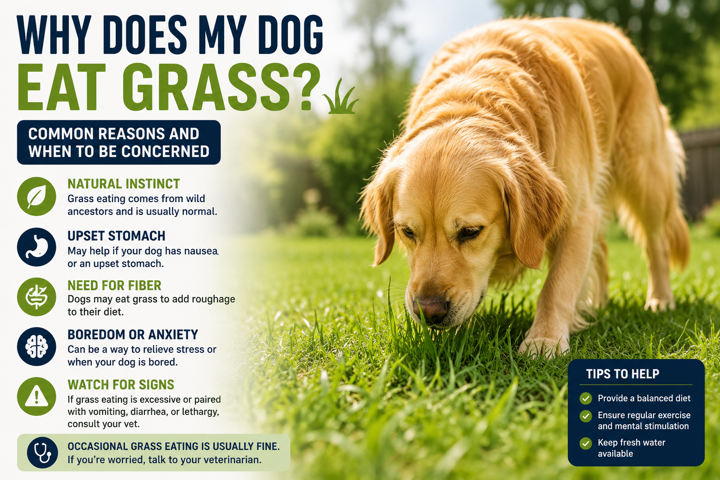
Find out why dogs may eat grass, when occasional grazing can be harmless, and which digestive or poisoning signs should prompt veterinary advice[ci...

The third eyelid may briefly show during sleep, but persistent visibility can accompany eye pain, dehydration, nerve problems, or illness.

White flakes in a dog's coat can reflect dry skin, seborrhea, allergies, parasites, infection, grooming issues, or underlying disease.
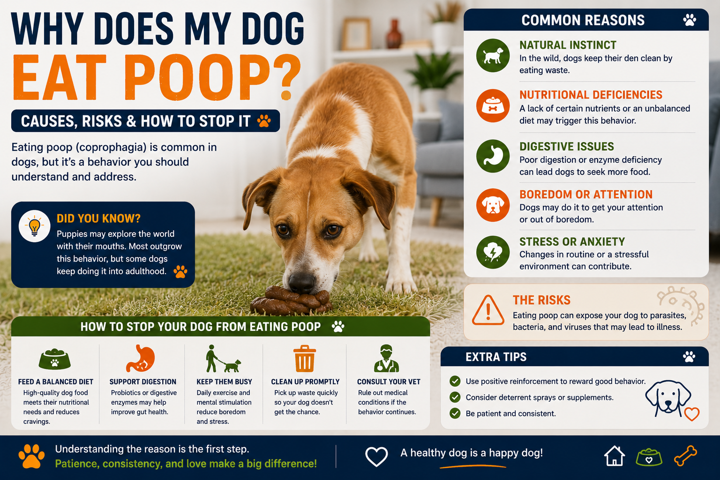
Understand why dogs may eat stool, practical ways to prevent the behavior, common mistakes to avoid, and when coprophagia deserves veterinary evalu...
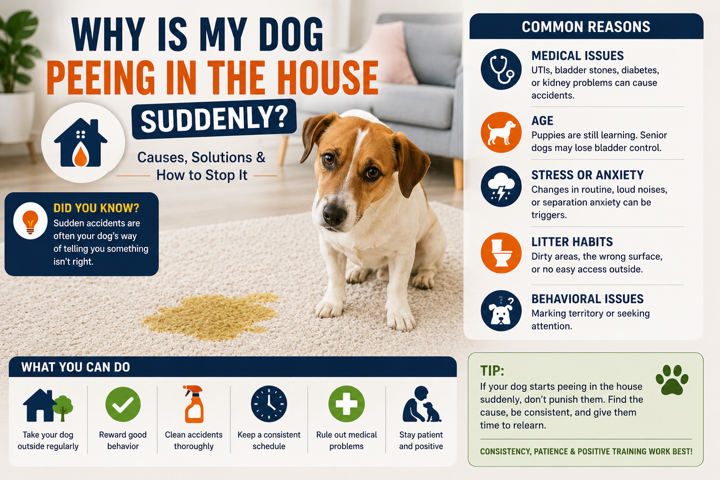
A practical guide to sudden indoor urination in a house-trained dog, including medical causes, behavior triggers, useful observations, and vet warn...

Nighttime gulping and repeated swallowing may reflect nausea, reflux-like discomfort, excess saliva, oral pain, throat irritation, or a swallowing...

Repeated straining after passing stool can occur with colitis, constipation, rectal irritation, anal-area discomfort, or other lower gastrointestin...