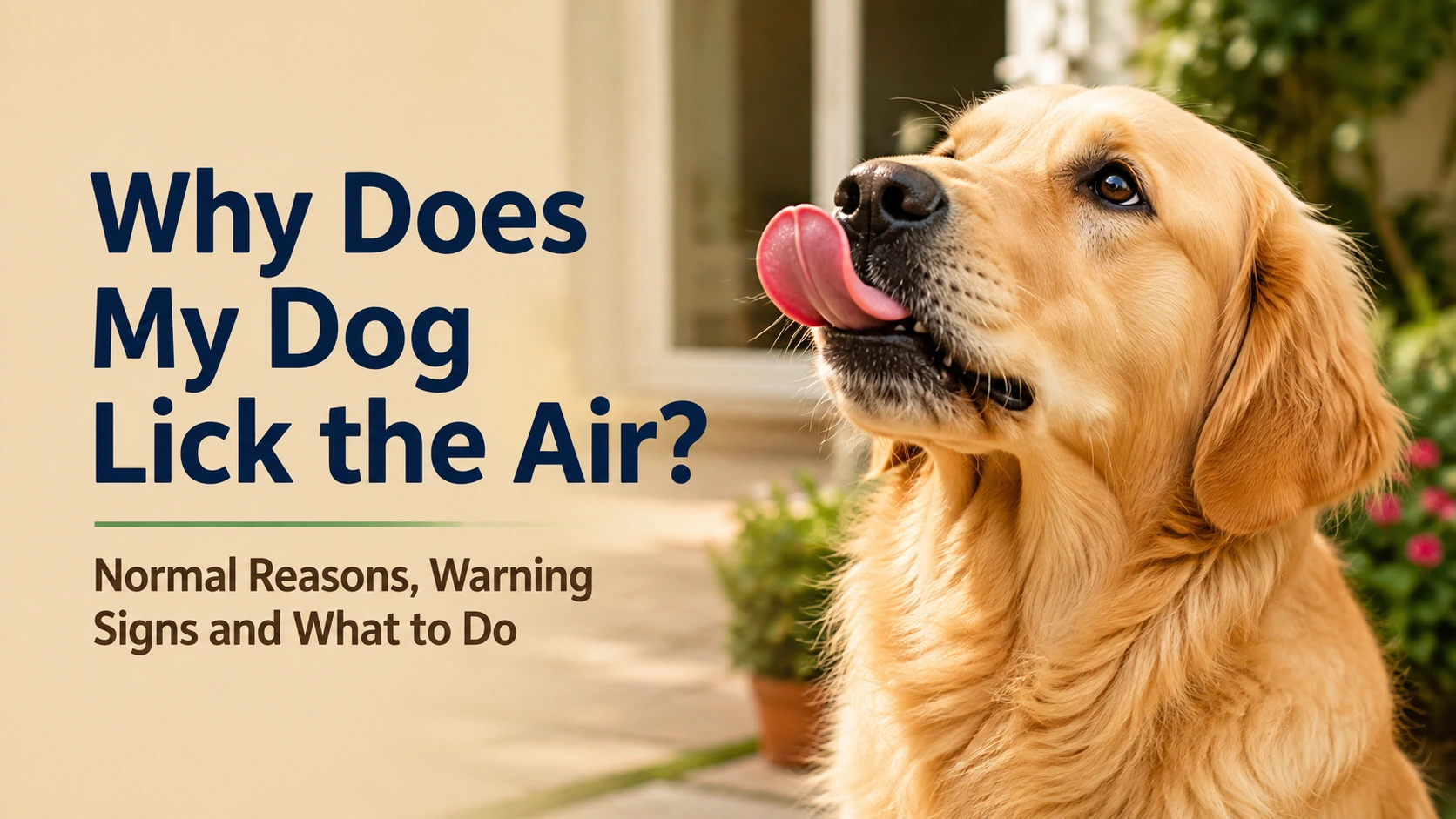

Repeated stretching soon after meals can be normal, but it may also accompany gas, nausea, abdominal discomfort, or more serious digestive pain. The key is to interpret the exact pattern instead of assuming one diagnosis from a single behavior.
Quick Answer
Repeated stretching soon after meals can be normal, but it may also accompany gas, nausea, abdominal discomfort, or more serious digestive pain. A new pattern that persists, worsens, causes pain, or interferes with normal eating, drinking, breathing, movement, sleep, or elimination should be assessed by a veterinarian.
Why This Pattern Is Different
The timing after food makes this different from a general stretching topic. The interval after eating and whether the dog is retching, drooling, pacing, or distended are especially important.
Possible Causes
Normal Stretching
A single relaxed stretch after getting up can be normal.
Gas or Mild Digestive Discomfort
Gas and intestinal movement may cause temporary stretching or repositioning.
Nausea or Abdominal Pain
Repeated stretching with lip licking, swallowing, reduced appetite, vomiting, or a tense abdomen is more concerning.
Bloat/GDV Warning Pattern
A distended abdomen with repeated unproductive retching, pacing, salivation, weakness, or collapse is an emergency.
When to Call the Veterinarian
Repeated uncomfortable stretching after meals should be discussed with a veterinarian. Emergency care is needed for abdominal swelling, repeated unproductive retching, collapse, pale gums, or rapidly increasing distress.
Related Virixoo Guides
Arched Back in Dogs Bloated Belly in a Dog
Bottom Line
Repeated stretching soon after meals can be normal, but it may also accompany gas, nausea, abdominal discomfort, or more serious digestive pain. Focus on what is new, whether basic functions are changing, and whether the sign is becoming more frequent or painful. Early evaluation is preferable to repeatedly testing a dog that is trying to avoid discomfort.