

Cats
5 min read
Cracked or Peeling Paw Pads in Cats: Dryness, Burns, Injury and Skin Disease
Cat paw pads are naturally tough, but they should not be deeply cracked, raw, bleeding, or peeling in large sheets.
Browse practical cat care guides covering health, behavior, nutrition, grooming, litter box issues and everyday questions.
Page 4 of 7 · 30 guides on this page
Cat paw pads are naturally tough, but they should not be deeply cracked, raw, bleeding, or peeling in large sheets.
Cats normally extend and retract their claws using tendons and small muscles in the toes.

Some cats sleep with the neck stretched forward simply because the position is comfortable, but a new persistent neck-extended posture deserves a c...

A practical look at why some cats vocalize before jumping, how attention and routine may contribute, and when hesitation or pain around jumping nee...

Learn why some cats scratch the floor after finishing a meal, how to separate a harmless post-meal routine from appetite or dental warning signs.
Persistent bad breath in cats can point to dental disease or other health problems. Learn what odors and mouth changes deserve a veterinary exam.

Cat diarrhea can follow diet changes, parasites, infection or chronic disease. Learn what to monitor, how to protect hydration and when care is nee...
Sleeping in a hallway is often a normal location preference shaped by temperature, visibility, access and routine. It is different from repeatedly...
Ethylene glycol antifreeze is extremely toxic to cats, and even a small exposure can cause fatal kidney injury. Cats may lick spilled fluid from a...
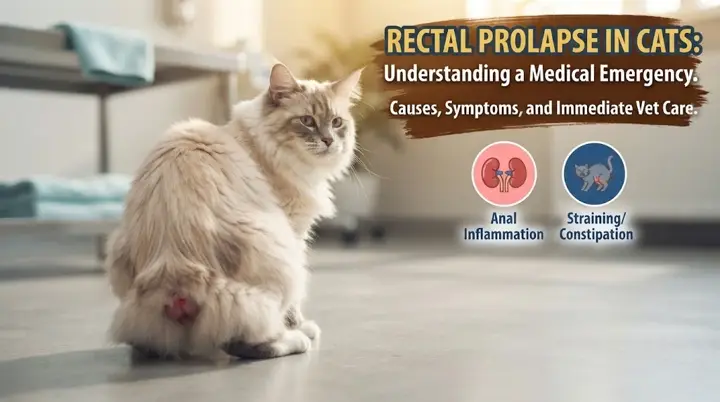
An immediate-action guide for owners who see pink or red tissue protruding from a cat’s anus, focused on recognition, safe transport, and urgent wa...

Cat coughing can be confused with hairball retching. Learn how asthma and other airway problems look, what to record and when breathing signs are u...
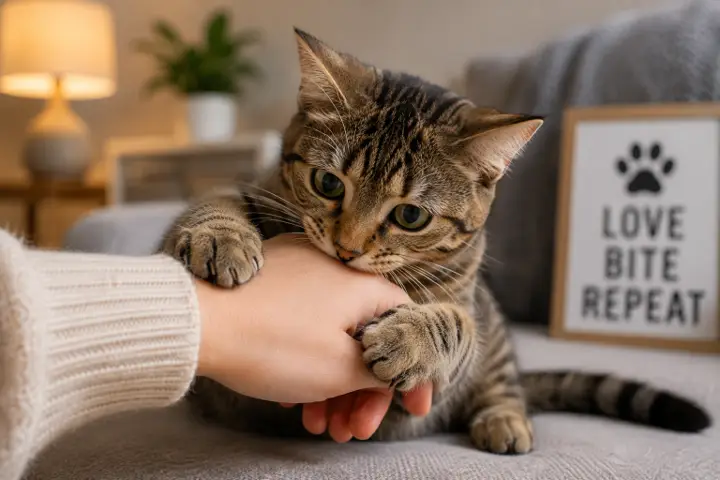
Understand what nighttime meowing may mean, what patterns to check first, which routine changes may help, and when new or intense vocalization need...

Learn why a cat’s ear flap may suddenly become puffy or fluid-filled and how scratching, trauma, mites, infection, or an aural hematoma can be invo...

Discover why cats sit on paper, notebooks and documents, how texture, warmth and attention can make paper attractive, and how to protect important...
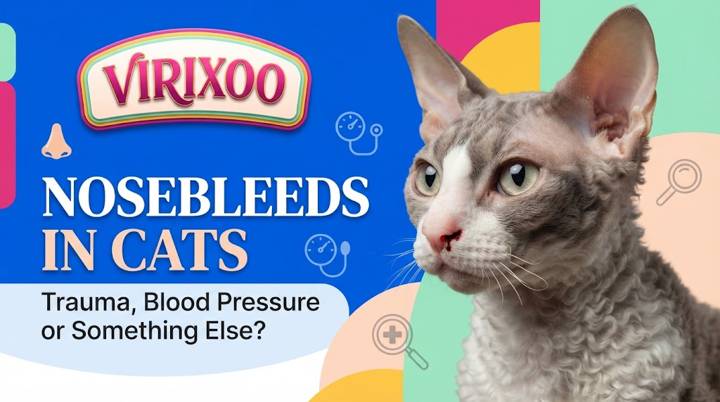
Nosebleeds are uncommon enough in cats that a new episode deserves attention. Causes range from trauma and nasal irritation to high blood pressure...
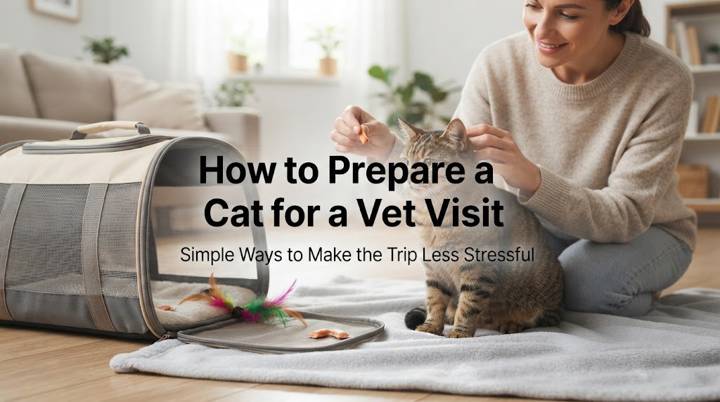
Make veterinary visits easier with carrier familiarity, calm transport, pre-visit planning and small steps that reduce stress before you leave home.

Black, shiny, sticky, tar-like stool can represent melena, which is digested blood that has passed through the gastrointestinal tract. True melena...

Learn why cats sniff faces and breath, how scent helps them investigate familiar people, and how to keep close interactions comfortable and safe.

Find out why cats paw at water bowls, how bowl depth, reflection and play may contribute, and how to reduce spills while keeping hydration easy.

A cat that repeatedly approaches food, sniffs or tries to eat, then walks away may have pseudo-anorexia: the desire to eat is present, but pain, na...

A new lump under a cat’s jaw is not always a lymph node, but enlarged lymph nodes can occur with local infection, systemic inflammation, or cancer...

Brief pillow licking can be an exploratory or comfort behavior, especially when the fabric carries familiar scent. Repetitive licking, sucking, che...
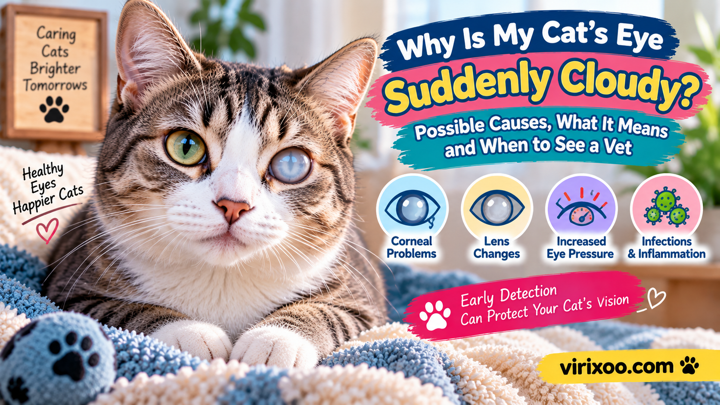
Sudden eye cloudiness is not a normal aging change. Corneal injury, inflammation, glaucoma, lens disease, and other disorders can all alter eye cla...

Normal cat urine is usually yellow to amber. Persistently orange, brown, red, or tea-colored urine can signal concentrated urine, blood, bilirubin...
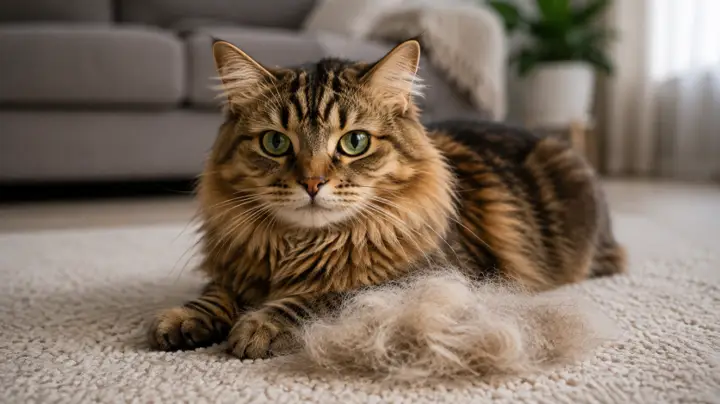
Understand why appetite loss matters in cats, what you can safely check at home, which accompanying signs raise concern, and when a veterinarian sh...
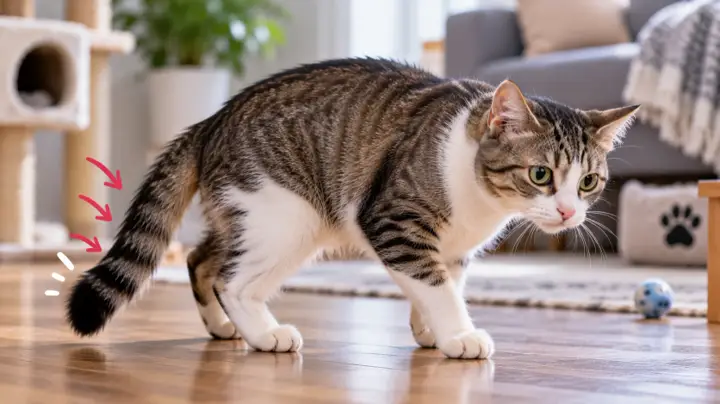
A newly lowered tail posture should be interpreted with tail movement, pain, urination, defecation, hind-limb function, and recent trauma. A comple...

Learn why cats chew cardboard, how texture and play may encourage it, and when swallowing non-food material requires veterinary attention.
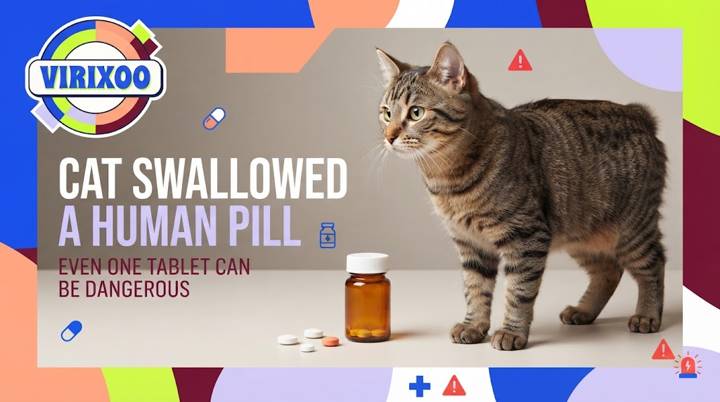
Even one human tablet can be dangerous to a cat depending on the medication and dose.
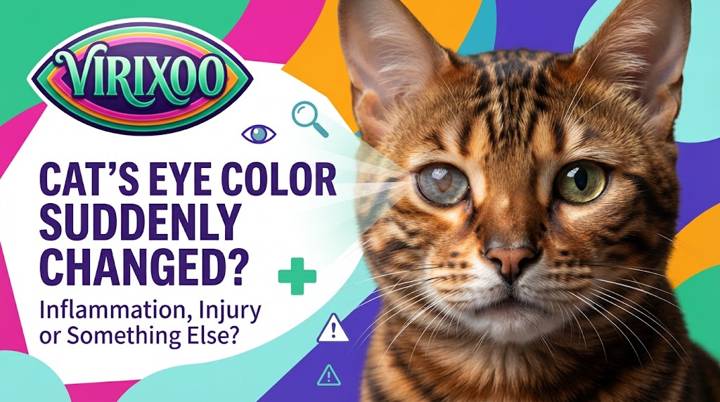
A sudden change in the color of one eye is not the same as a kitten’s normal eye-color development.

Reduce hidden tension between cats by separating key resources, adding safe routes and reading subtle signs before conflict turns into fighting.
Start with the guide that best matches your question. Virixoo helps you understand common causes, safe next steps and warning signs. For urgent, severe or persistent symptoms, seek veterinary care.