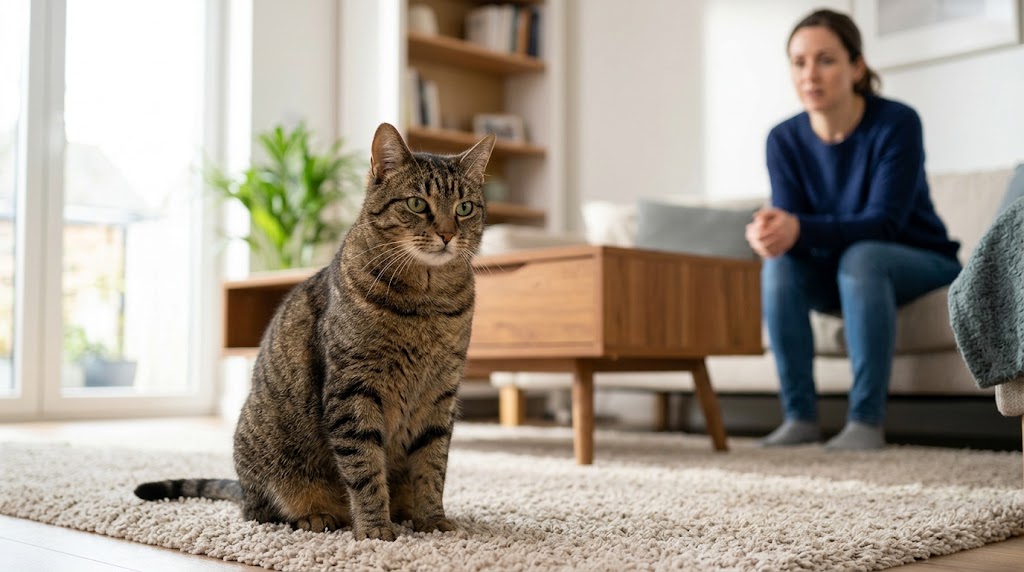
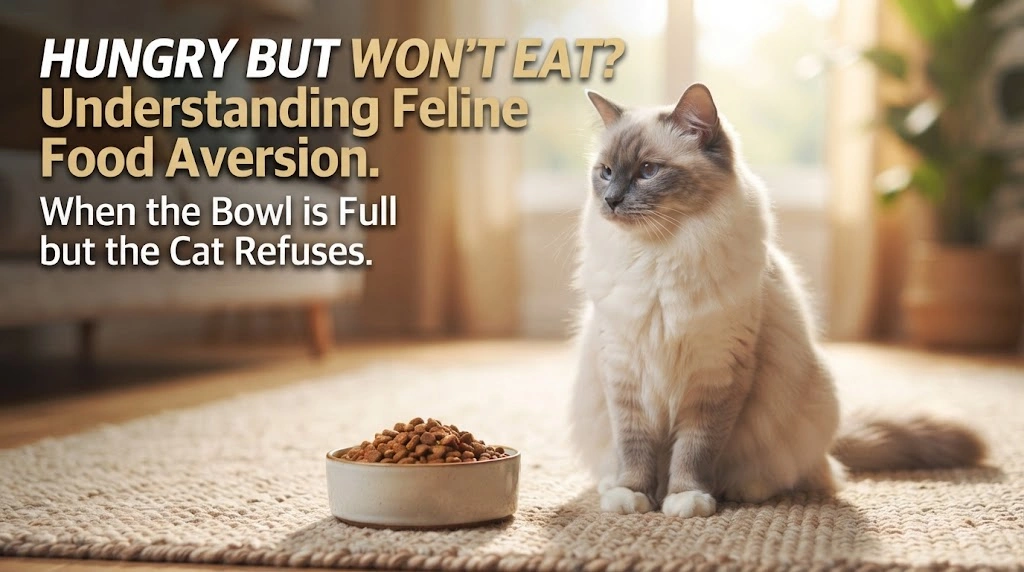
A cat that seems hungry, approaches the bowl, and then repeatedly walks away is showing a different pattern from a cat with no interest in food at all. The desire to eat may still be present, but something can be making eating unpleasant or difficult. Mouth pain, dental disease, nausea, swallowing problems, nasal congestion, stress, and other illnesses can all produce this “wants to eat but doesn’t” pattern.
Why This Pattern Matters
Appetite is not the same as food intake. A cat may meow for food, follow you to the kitchen, and sniff the bowl yet consume very few calories. Owners can easily overestimate intake when they judge hunger by behavior rather than by the amount actually swallowed.
Measure what is offered and what remains. In a multi-cat home, feed separately for a short period so you know which cat is eating.
Mouth and Dental Pain
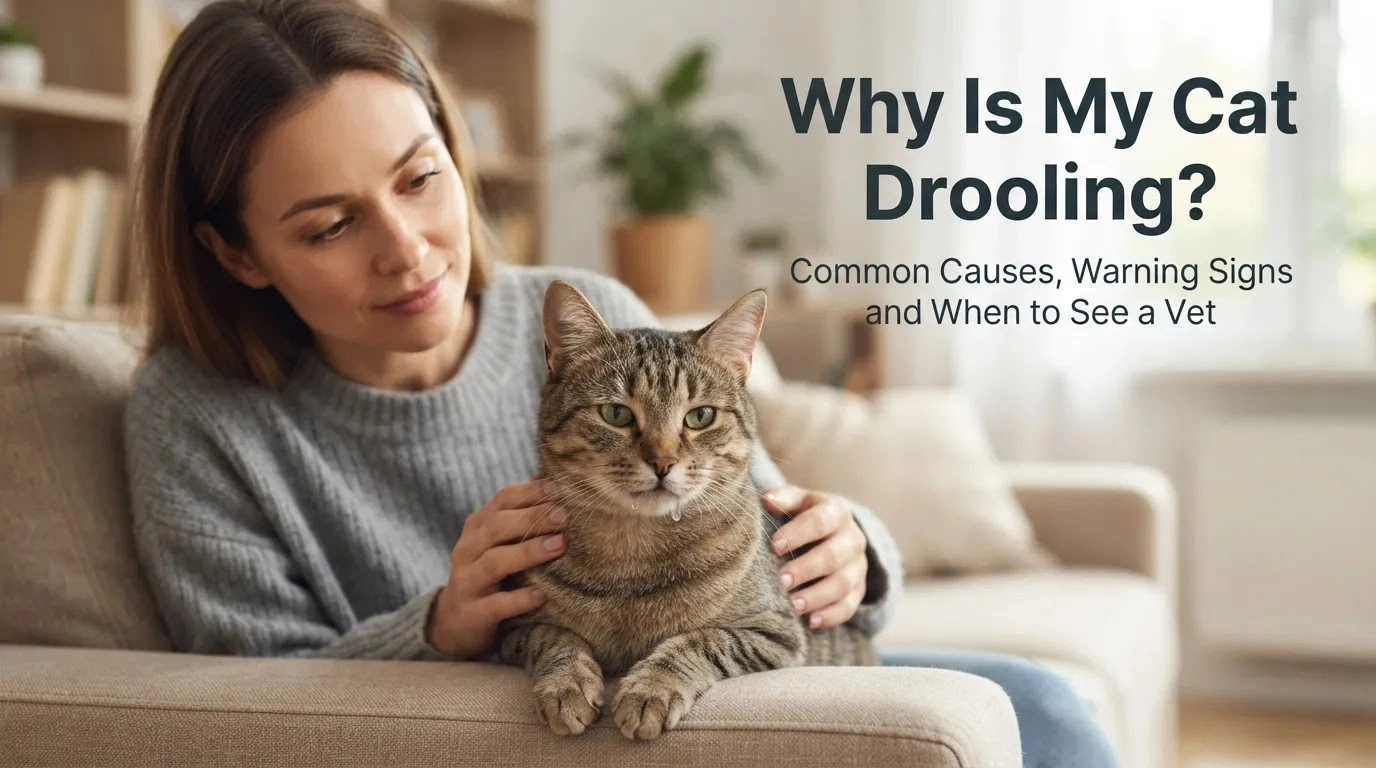
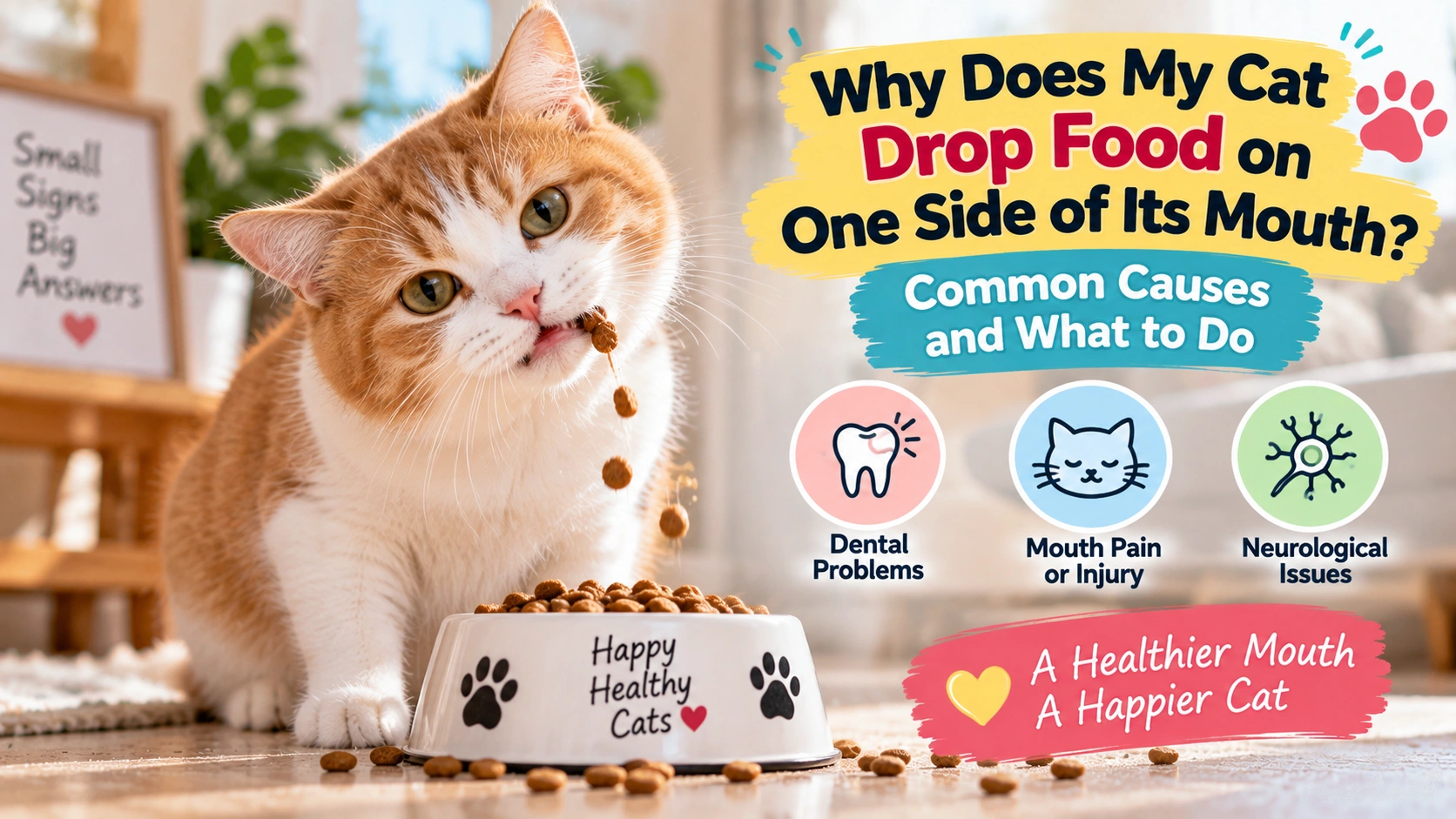
Dental disease, tooth resorption, gingivitis, stomatitis, oral ulcers, fractured teeth, and other painful conditions can make a cat eager to eat but reluctant once chewing begins. Clues include dropping food, chewing on one side, pawing at the mouth, bad breath, drooling, or preferring soft food.
Do not try to force the mouth open deeply at home. Oral pain can provoke a bite, and many dental problems require sedation and dental radiographs to identify properly.
Nausea Can Look Like Hunger Followed by Rejection
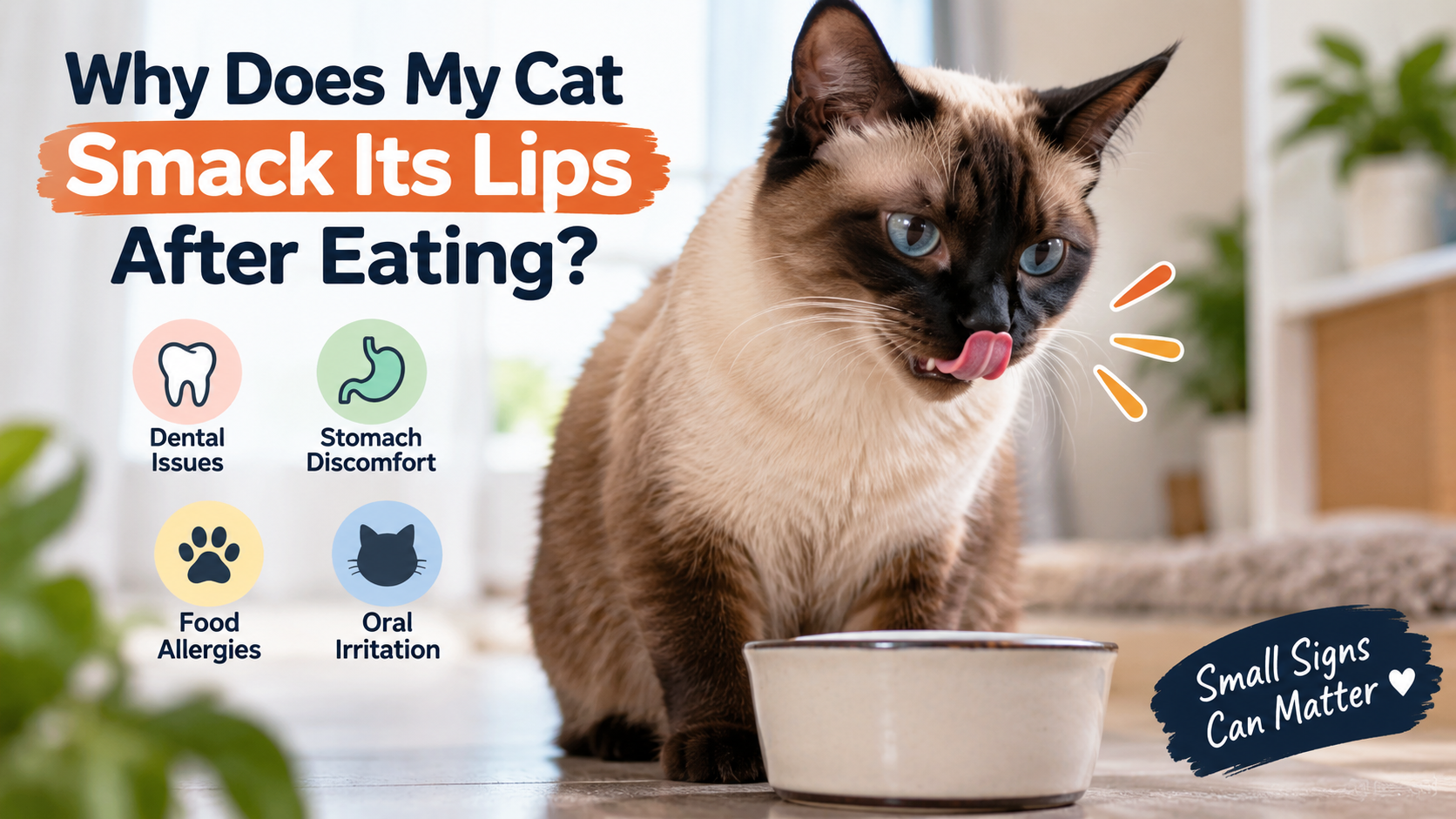
Nauseated cats may approach food and then turn away, lip-smack, swallow repeatedly, drool, or sit hunched. Vomiting may or may not occur. Kidney disease, gastrointestinal disease, pancreatitis, medication effects, and many other problems can cause nausea.
Nasal Congestion Can Reduce Food Appeal
Cats rely strongly on smell. A congested cat may seem interested in mealtime but lose enthusiasm when food has little scent. Sneezing, nasal discharge, noisy nasal breathing, or recent respiratory illness supports this possibility. Warming wet food slightly can increase aroma, but persistent poor intake still needs veterinary attention.
Swallowing Difficulty
A cat may take food into the mouth but hesitate, gag, cough, make repeated swallowing movements, or drop food if swallowing is painful or uncoordinated. Throat disease, oral disease, esophageal problems, or neurologic disorders can contribute. Coughing during eating or drinking is especially useful to report.
Stress and Food Aversion
Environmental stress can suppress eating. Noisy appliances, a new pet, a litter box close to the food, competition at the bowl, or a sudden diet change can all matter. Cornell notes that cats can avoid food for behavioral and environmental reasons. However, stress should not be assumed until medical causes are considered, especially when the pattern is new.
Why Force-Feeding Can Backfire
Forcing food into a reluctant cat’s mouth can increase stress and food aversion and can be dangerous if swallowing is impaired. Cornell’s guidance on feline anorexia emphasizes veterinary assessment and appropriate nutritional support rather than repeated force-feeding at home.
What You Can Try Safely for a Short Period
Offer the cat’s familiar food in a quiet location away from other pets. Use a clean, shallow dish. Warm wet food slightly to enhance aroma. Do not rotate through many rich foods rapidly, because abrupt diet changes can create gastrointestinal upset and make it harder to track what the cat actually eats.
When Not Eating Becomes Urgent
A sustained reduction in intake can become medically serious in cats. Contact a veterinarian promptly if the cat is eating very little or nothing, especially if overweight, vomiting, weak, dehydrated, jaundiced, or ill in other ways. Complete food refusal should not be allowed to continue while waiting for a convenient appointment.
What the Vet May Evaluate
The examination may include the mouth and teeth, hydration, abdomen, body weight, temperature, and respiratory tract. Blood tests, urinalysis, dental imaging, abdominal imaging, or other tests may be recommended based on accompanying signs.
Watch the First 30 Seconds of a Meal
The beginning of a meal often reveals the difference between lack of appetite and difficulty eating. Does the cat lick its lips, take one bite and stop, drop food, chew with an exaggerated motion, back away suddenly, or swallow repeatedly? A short video can capture signs that may not occur in the clinic.
Texture Preference Can Be a Pain Clue
A cat that suddenly accepts pâté or gravy but refuses kibble may be choosing a texture that is easier to chew. That does not prove dental disease, but it is valuable history. Conversely, a cat with nausea may reject both wet and dry food despite initial interest.
Why Smell Loss Matters So Much in Cats
Food aroma is a major part of feline appetite. Nasal congestion can make a familiar meal seem unappealing. Warming food slightly can enhance smell, but do not use this as a long-term solution when congestion persists or the cat is losing weight.
Food Aversion Can Develop After Nausea
If a cat repeatedly feels sick after eating a specific diet or after medication is mixed into food, it may begin to avoid that smell or texture. Hiding medication in a favorite food can therefore backfire in some cats. Ask the veterinarian about alternative medication strategies when food aversion is developing.
Measure Intake in Calories, Not Just Bites
Two or three bites can look reassuring but may provide very little energy. Check the food label and estimate how much of the daily portion was actually eaten. This helps the veterinarian judge nutritional risk and decide whether appetite support or assisted feeding is needed.
Why Cats With Eating Difficulty Can Deteriorate Quickly
Cats are particularly vulnerable to the consequences of prolonged inadequate calorie intake. Overweight cats that stop eating are at risk of hepatic lipidosis, a serious liver disorder. This is one reason a cat that repeatedly approaches food but consumes almost nothing should not be watched for several days simply because it “seems hungry.”
At the clinic, the veterinarian may need to control nausea, pain, dehydration, or another disease before appetite returns. In some cases, an appetite stimulant is appropriate; in others, it is not enough because the cat physically cannot chew or swallow comfortably. Nutritional support may be recommended when intake is insufficient, and feeding tubes can be safer and more effective than repeated force-feeding for selected cats.
Keep a simple food log while waiting for care. Record the type and amount offered, the amount actually eaten, vomiting, lip-smacking, drooling, and stool changes. A precise record is more useful than “he ate a little,” especially when the veterinarian is deciding how urgent nutritional support has become.
Bottom Line
A cat that appears hungry but repeatedly walks away from food may still have a significant medical problem. Measure actual intake, watch chewing and swallowing, look for nausea or congestion clues, and avoid force-feeding. Persistent or marked reduction in food intake deserves timely veterinary care.