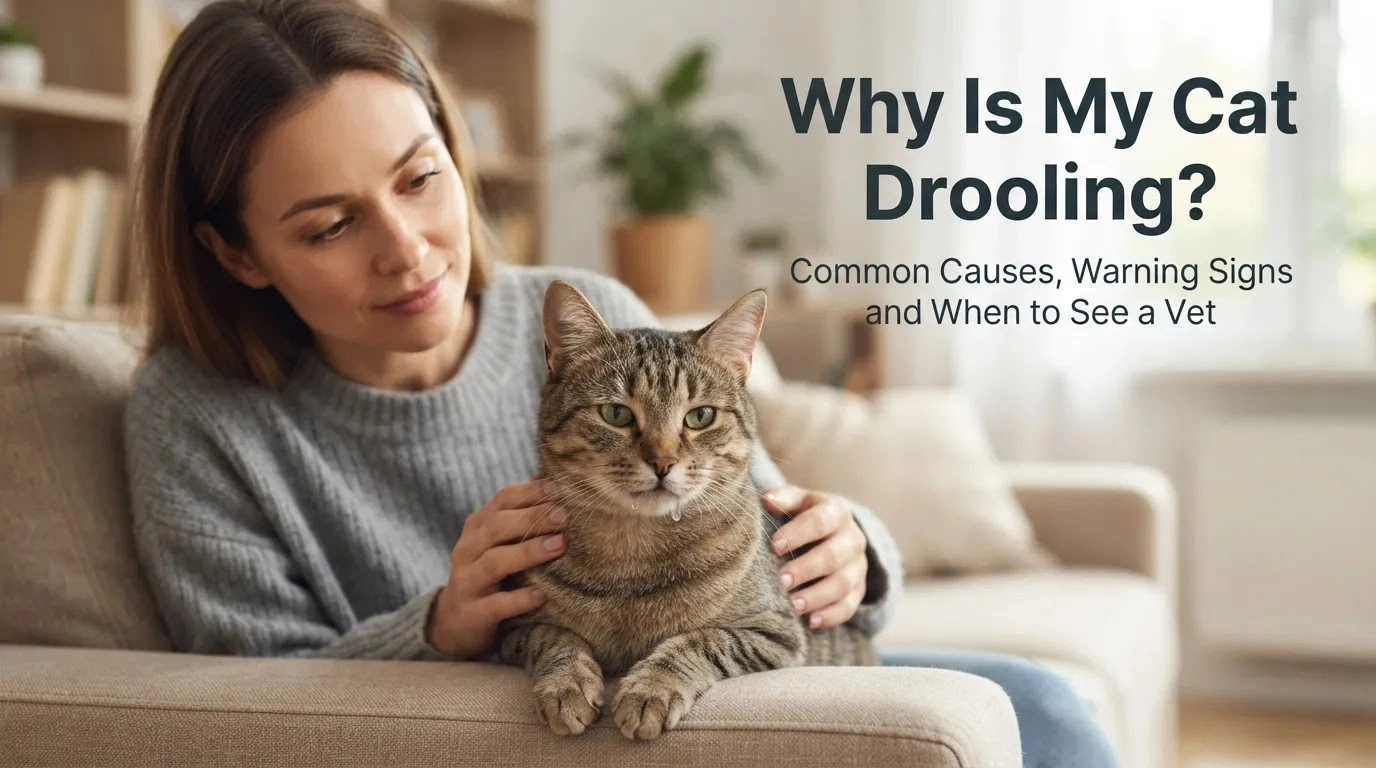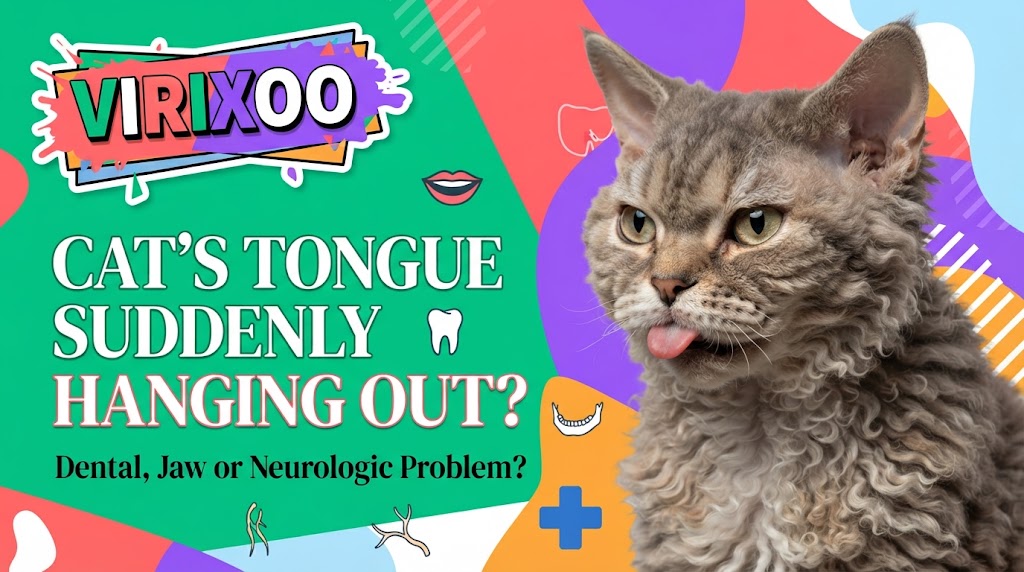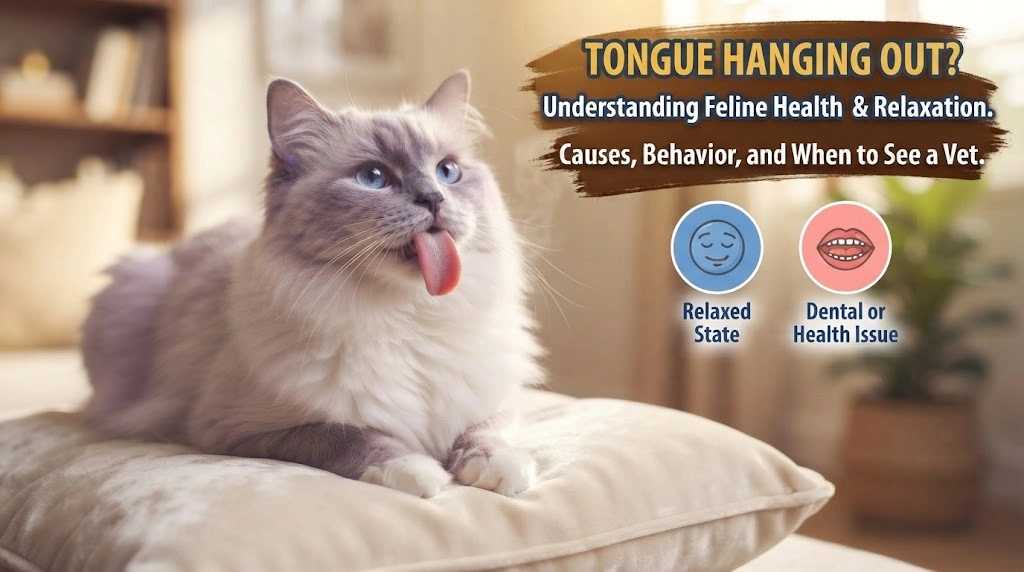
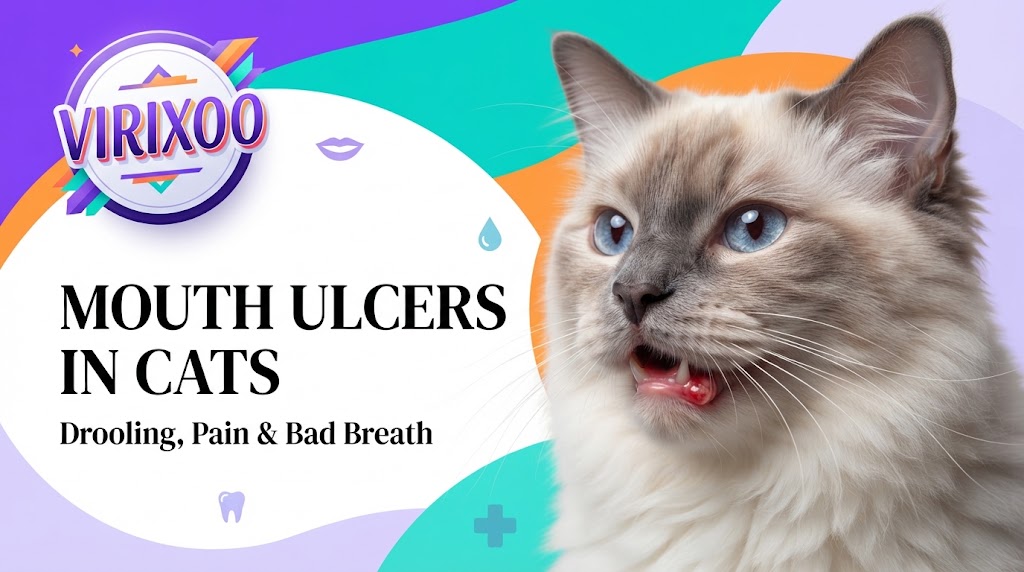
Mouth ulcers can make eating, grooming, and swallowing painful. Cats may develop ulcers on the tongue, gums, lips, or other oral tissues. Causes include viral disease, severe dental inflammation, kidney disease, immune-mediated conditions, trauma, toxins, and other medical problems.
Quick Answer
If your cat has visible oral ulcers, drools, stops eating, cries while chewing, has very bad breath, or seems unable to swallow comfortably, arrange veterinary evaluation. Cats that stop eating can become ill quickly, so prolonged food refusal should not be watched casually.
Why Oral Ulcers Hurt
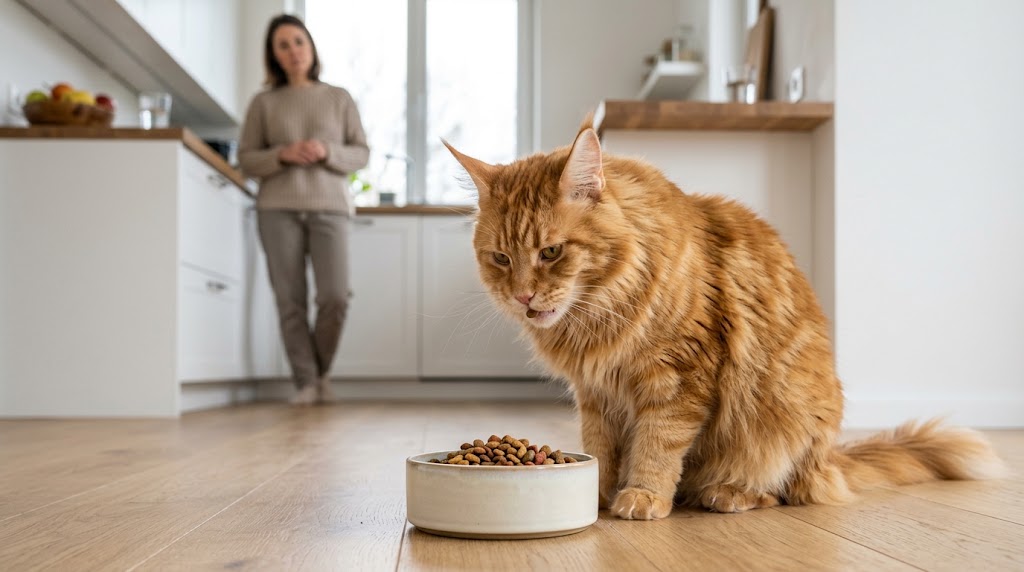
The mouth is constantly used for eating, drinking, grooming, and swallowing. Even a small lesion can be repeatedly irritated. Cats may approach food, sniff it, and then walk away because chewing hurts.
Common Causes
Viral infections, severe gingivitis or stomatitis, dental disease, kidney disease, trauma, caustic exposure, immune-mediated inflammation, and tumors are among the possibilities. Appearance alone cannot determine the cause.
Signs Owners Often Notice
- Drooling or wet fur around the mouth
- Bad breath
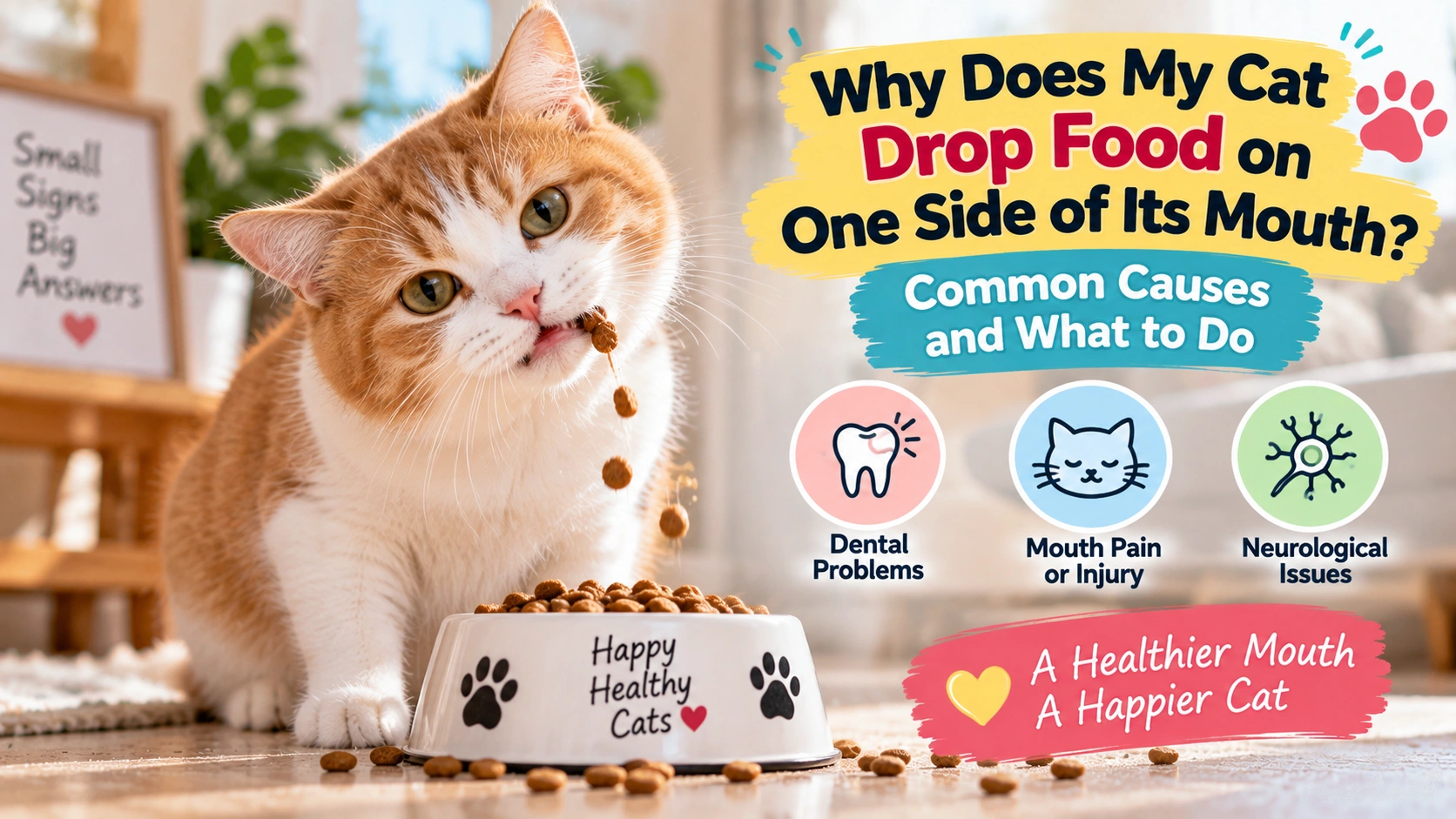
- Dropping food
- Chewing on one side
- Pawing at the mouth
- Reduced grooming
- Weight loss
Why Kidney Disease Can Matter
Severe kidney dysfunction can contribute to oral ulceration and bad breath. Older cats with mouth sores plus increased thirst, weight loss, or reduced appetite may need blood and urine testing.
Do Not Force the Mouth Open
A painful cat may bite. If a brief look is possible without force, note where the lesion is and whether there is bleeding or swelling. Otherwise, let the veterinarian perform the oral examination safely.
When Eating Changes
A cat that refuses all food, especially for more than a short period, deserves prompt care. Cats are vulnerable to hepatic lipidosis when they stop eating, particularly if overweight.
What Not to Use
- Do not apply peroxide or alcohol.
- Do not use human mouthwash.
- Do not give human pain medication.
- Do not use topical anesthetic gels unless prescribed.
What the Veterinarian May Evaluate
The examination may include teeth, gums, tongue, palate, lymph nodes, hydration, and general health. Blood tests, dental X-rays, viral testing, or biopsy may be recommended depending on the lesion and the cat’s age.
Supportive Care
Your veterinarian may recommend pain control, softer food, hydration support, dental treatment, or other therapy. The correct plan depends on why the ulcer developed.
Bottom Line
Mouth ulcers are painful and can quickly reduce food intake. Do not rely on home remedies. Veterinary evaluation is important when drooling, bad breath, food refusal, weight loss, or persistent oral lesions are present.
Stomatitis and Severe Oral Inflammation
Some cats develop severe inflammatory disease affecting large areas of the mouth. These cats may drool heavily, cry when eating, lose weight, and resist grooming. Dental treatment can be a major part of management, and some cats need extensive dental procedures.
Why Hydration Matters
Painful cats may drink less as well as eat less. Dehydration can worsen weakness and appetite. If the cat cannot comfortably eat or drink, veterinary support may be needed rather than waiting for the ulcers to heal on their own.
What to Record Before the Appointment
For mouth ulcers in cats, write down when the sign first appeared, whether onset was sudden or gradual, and whether it is getting better, worse, or staying the same. Record appetite, water intake, urination, stool, grooming, sleep, breathing, activity, and behavior. Include recent trauma, fights, outdoor access, medication changes, toxin exposure, vomiting, diarrhea, or weight loss when relevant.
If the problem is intermittent, a short natural photo or video can be useful. Do not provoke pain, force movement, manipulate an injured area, or delay urgent care just to document the sign.
How to Decide Whether Monitoring Is Still Reasonable
Monitoring is only reasonable when the cat is comfortable, the sign is mild, there is a plausible non-urgent explanation, and no red flags are present. If the cat becomes weaker, stops eating, breathes abnormally, develops severe pain, cannot urinate, collapses, or the sign rapidly worsens, the situation has changed and needs prompt veterinary reassessment.
Why Cats With Mouth Pain May Approach Food and Walk Away
Hunger and oral pain can exist at the same time. A cat may run to the food bowl, sniff or lick the food, then stop after the first bite. This pattern is sometimes mistaken for picky eating. If it appears suddenly with drooling, bad breath, or weight loss, oral pain should be considered.
Chronic Gingivostomatitis
Some cats develop severe inflammation extending beyond the gums into the back of the mouth. The condition can cause intense pain, drooling, difficulty grooming, and major food avoidance. Treatment can be complex and may involve dental procedures, pain control, and other therapies.
Viral Disease and Oral Lesions
Certain feline viral infections can contribute to oral ulceration. The veterinarian interprets ulcers together with fever, respiratory signs, vaccination history, age, and exposure to other cats. A visible ulcer alone cannot determine which virus, if any, is involved.
Why Kidney Disease Is Considered
Severe kidney disease can lead to uremic changes in the mouth, including ulcers and an unusual odor. Older cats with oral sores plus weight loss, increased thirst, or poor appetite may need blood and urine testing.
Supporting Nutrition Safely
Because prolonged food refusal is risky in cats, treatment often includes pain relief and a plan to maintain nutrition. Do not force-feed a cat with severe oral pain unless a veterinarian has shown you how and confirmed that it is appropriate.
What Recovery Should Look Like
Drooling should decrease, appetite should improve, and grooming should return toward normal. Persistent food refusal, worsening odor, new swelling, or bleeding needs reassessment.
A Practical Decision Guide
When evaluating mouth ulcers in cats, start with the cat’s overall function. A cat that can breathe comfortably, walk normally, eat, drink, urinate, and respond to the environment is different from one that is weak, painful, hiding, confused, or unable to perform a normal function. Next consider speed: a change that developed over minutes or hours generally deserves more urgency than a stable finding that has been unchanged for months.
Combinations of signs matter. Pain plus food refusal, weakness plus pale gums, swelling plus breathing difficulty, or neurologic change plus collapse are more concerning than one mild isolated feature. If you are uncertain, call the veterinary clinic and describe the cat’s current condition rather than only naming the symptom.
How to Keep the Cat Comfortable While Waiting
Use a quiet indoor room, minimize unnecessary handling, and keep food, water, and the litter box easy to reach. Prevent access to stairs or high furniture if mobility is abnormal. For suspected trauma, reduce activity. Do not force food, water, exercise, or handling when the cat is distressed.
What Follow-Up Should Focus On
After treatment begins, track whether the cat is returning toward its normal baseline. Improvement should include comfort, appetite, grooming, movement, and normal litter-box habits—not just a smaller swelling or less visible lesion. Contact the clinic if the original problem returns, new signs appear, or the cat worsens after initially improving.
Why Weight Loss Can Develop Quickly
Oral pain reduces calorie intake and can also reduce grooming and drinking. A cat may lose weight even while taking a few bites each day. Weigh the cat if you can do so without stress and report any recent weight change to the veterinarian.
Dental Disease Can Be Hidden Below the Gum Line
Resorptive lesions, infected roots, and other painful dental conditions may not be obvious from a quick look at the mouth. Dental X-rays are often needed when severe oral pain is present because the visible crown does not show the whole tooth.
When Ulcers Are Recurrent
Repeated oral ulceration deserves a broader workup rather than repeated short courses of symptom relief. The veterinarian may consider viral disease, chronic inflammatory conditions, kidney function, immune disease, or less common causes depending on age and history.
When to Recheck Even After Initial Improvement
A cat can look better for a few hours while the underlying problem is still present. Recheck is appropriate when the sign returns, appetite falls, the cat hides more, breathing changes, mobility worsens, or new pain appears. Follow any scheduled veterinary recheck even if the visible sign seems smaller or less dramatic.
Keep treatment consistent and do not stop prescribed medication early unless the veterinarian tells you to. If a new symptom appears after treatment begins, report both the symptom and the timing relative to medication or feeding changes.
Why Oral Pain Can Change Behavior
A cat with mouth ulcers may become withdrawn, avoid being touched around the head, stop playing with toys, or sit near the food bowl without eating. These behavior changes can appear before weight loss becomes obvious. If the cat is hungry but repeatedly cannot eat comfortably, prompt pain control and evaluation are important.
Do not interpret irritability as bad behavior when a painful oral condition may be present.