Some cats touch the water surface before drinking, splash around the bowl, or scoop water with a paw. The behavior can reflect curiosity, difficulty judging water depth, preference for moving water, or simple play.
Try a wide, stable bowl filled to a consistent level and placed on a waterproof mat. Keep water fresh and offer more than one station. If your cat prefers moving water, a well-maintained fountain may help.
Why Cats Paw at Water
Testing Depth
A still water surface can be difficult to judge visually.
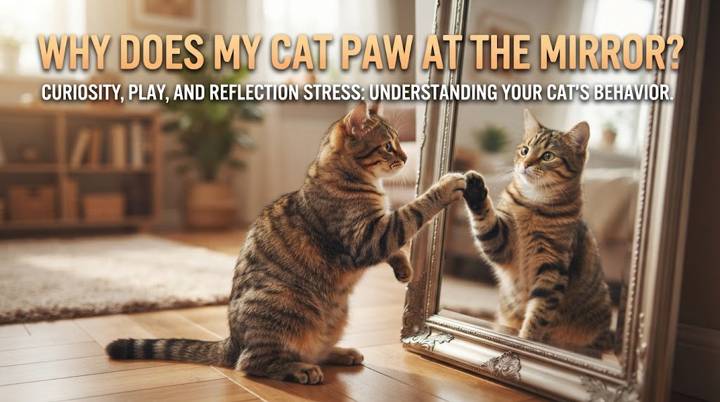
Reflection
Light reflections can attract pawing.
Play
Moving water is stimulating and unpredictable.
Bowl Preference
A narrow or deep bowl may be less comfortable than a wide shallow one.
How to Reduce Mess
- Use a heavy non-slip bowl.
- Place it on a washable mat.
- Keep the bowl away from electrical cords.
- Try a fountain if your cat prefers motion.
- Keep multiple fresh water sources available.
When to Contact a Veterinarian
Seek advice for a sudden major increase in thirst or urination, weight loss, vomiting, or other health changes.
Separate Water Play From a Hydration Problem
A cat that taps the surface once before drinking may simply be testing depth or creating movement. A cat that splashes for play may still drink a normal amount. The more important health question is whether total drinking and urination have changed.
If you notice a sustained increase in thirst, much larger urine clumps, weight loss, vomiting, or a new appetite change, do not treat the behavior as a bowl-preference issue alone. Increased drinking can accompany medical conditions and deserves veterinary assessment when it is persistent or marked.
Run a Simple Bowl Preference Test
- Offer a wide, stable bowl in a quiet location.
- Keep the water level reasonably consistent for several days.
- Place a second water source elsewhere so another pet cannot block access.
- If your cat strongly prefers motion, try a properly cleaned fountain while keeping a regular bowl available.
Change one variable at a time. That makes it easier to learn whether width, location, water movement, or simple play is driving the pawing.
Related Virixoo Guides
Read why some cats prefer running water. Read how to encourage a cat to drink more water. Read why cats sit in sinks.