Home
›
Cats Care Guides › Page3
A cat that suddenly cannot stay upright has a potentially significant neurologic, balance, metabolic, cardiovascular, toxic, or traumatic problem...
A cat that continues to eat but keeps losing weight is not simply 'getting old.' Diabetes, hyperthyroidism, gastrointestinal disease, cancer, and o...
Help your cat settle after a move by starting with a safe room, preserving familiar scents and expanding territory gradually at the cat's pace.
Interpret staring through body language, routine and context, understand what slow-blink research actually shows, and recognize changes that may ne...
A cat that suddenly takes longer to step into the litter box may be showing a mobility problem before it develops an obvious limp.
Understand why cats hide under beds, how rest, fear and stress can influence hiding, and how to tell normal retreat from a concerning behavior change.
Learn why cats sit or sleep on their owner's clothes, how familiar scent, warmth and soft textures contribute, and how to protect clean laundry wit...
Distinguish ordinary social following from a new behavior change by looking at context, independence, appetite, weight, activity, and other signs.
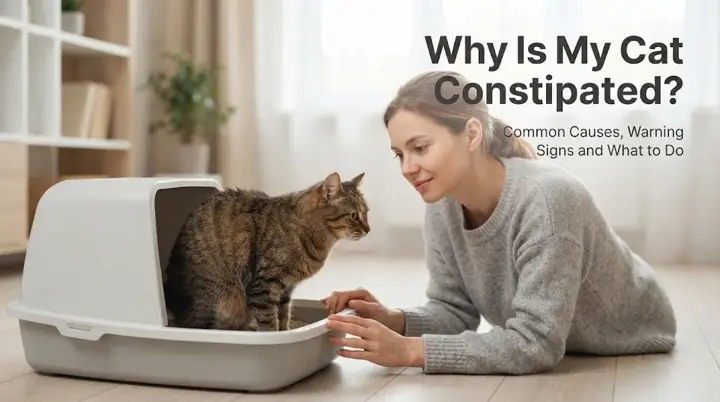
Cat constipation can range from a short-lived stool problem to serious obstipation. Learn what to watch, what is safe at home and when straining is...
Use gradual paw handling, sharp cat-appropriate clippers, conservative cuts, and short sessions to trim claws safely without forcing a fearful cat.
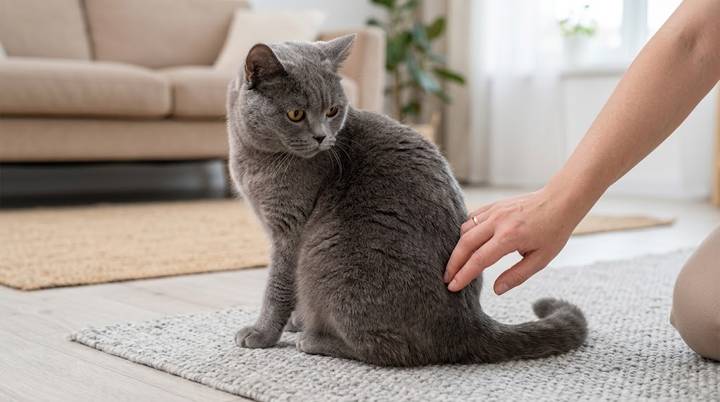
If your cat suddenly cries, flinches, turns to bite, or moves away when the lower back is touched, treat the reaction as possible pain rather than...
Sudden swelling of one whisker pad or one side of a cat’s muzzle should be treated as a medical sign, not a cosmetic change.
A split or torn claw can be very painful because the quick contains nerves and blood vessels. A claw may snag on carpet, furniture, wire, or a scra...
Learn why a cat may suddenly drag one hind leg and how to recognize orthopedic injury, nerve damage, spinal disease, or circulation emergencies.
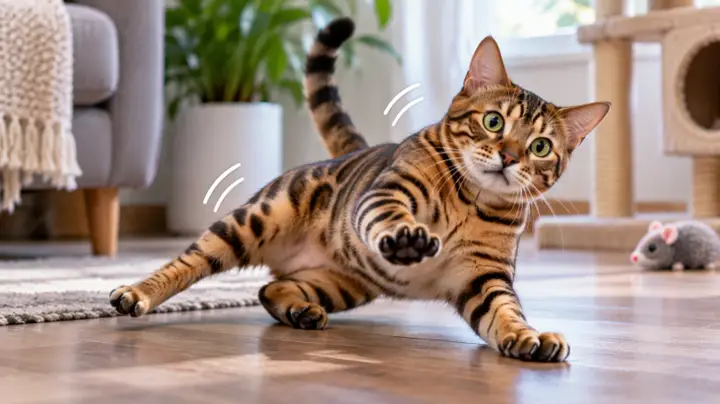
Focus on stool quality, straining and litter-box behavior to tell a quirky post-poop sprint from a pattern that may reflect digestive or urinary di...
Learn how true head pressing differs from normal face rubbing or sleeping positions and why persistent pressing against walls or objects can signal...
Learn what unequal pupils in cats can mean, why a sudden change deserves prompt veterinary attention, and which eye or neurologic signs raise the u...
Learn when cat ears need cleaning, how to use a veterinarian-approved ear cleaner safely and which redness, odor or discharge means stop and see a...
Prepare a secure base room, help a newly adopted cat settle without forced interaction, expand territory based on behavior rather than a rigid sche...
New paw-pad redness is a sign to look for pain, swelling, blisters, cracks, discharge, licking, and limping. Burns and chemical exposure need promp...
Learn why some cats prefer moving water, how fountains can help certain cats, and how to keep water stations clean and appealing without restrictin...
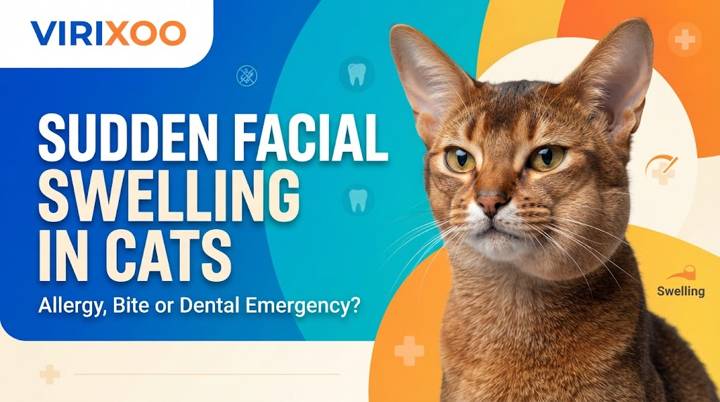
Learn why a cat’s face may suddenly swell and how to distinguish possible allergy, bite wounds, dental infection, trauma, or an airway emergency.
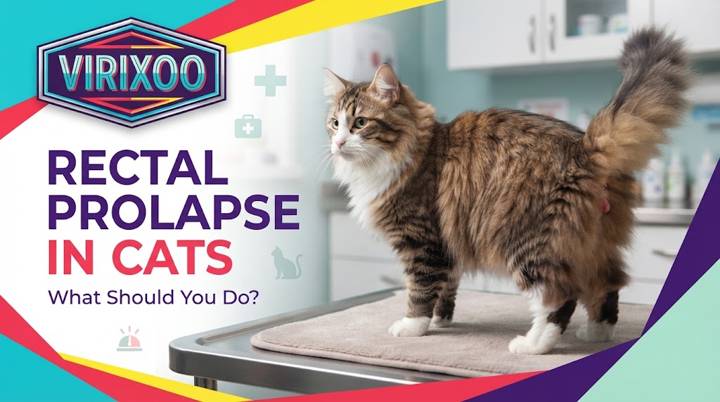
Understand why rectal prolapse happens in cats, how veterinarians treat exposed tissue, what affects recovery, and why controlling diarrhea, parasi...
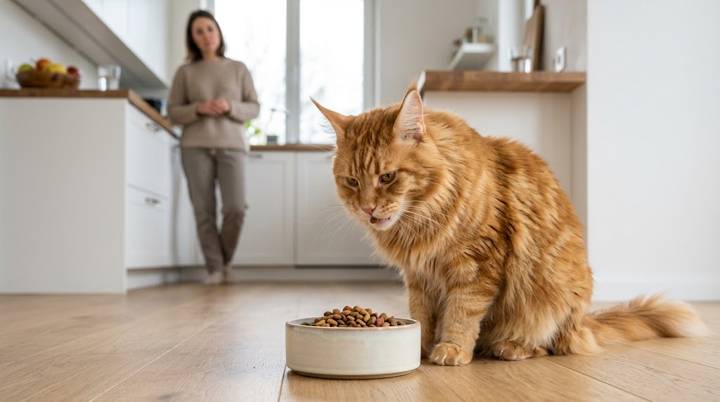
A cat that still eats but suddenly takes much longer to finish a familiar meal may be showing an early sign of pain or illness.
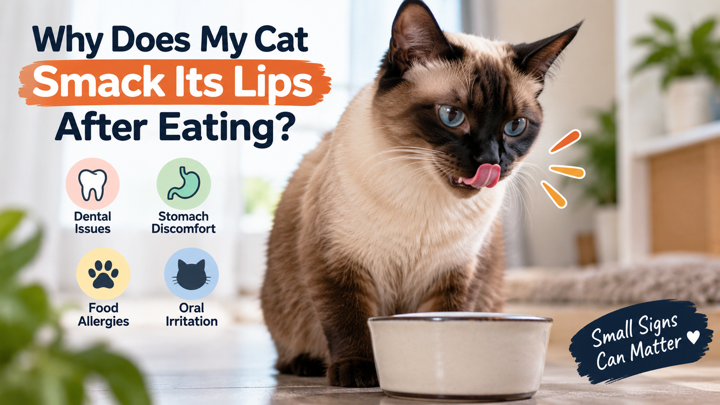
A few lip licks after eating can be normal grooming, but repeated lip smacking that is new, prolonged, or accompanied by other signs deserves atten...
Discover why cats spend so much time at windows, how outdoor movement and sunlight provide enrichment, and how to create a safer viewing spot.
Yellow discoloration of the gums, whites of the eyes, inner ears, or skin is called jaundice or icterus . It occurs when bilirubin accumulates in t...
A nonhealing sore is not just a slow version of a normal wound. Repeated licking, infection, parasites, allergy, deep tissue disease, or a skin tum...
Learn why cats knead blankets, laps and beds, how comfort and settling routines may contribute, and how to manage claws without discouraging normal...
Learn how pale gums in cats can signal anemia, blood loss, poor circulation, or shock and which accompanying signs mean the situation may be an eme...
No matching guides found on this page. Use site search to search the full Virixoo library.
How to use these guides
Start with the guide that best matches your question. Virixoo helps you understand common causes, safe next steps and warning signs. For urgent, severe or persistent symptoms, seek veterinary care.