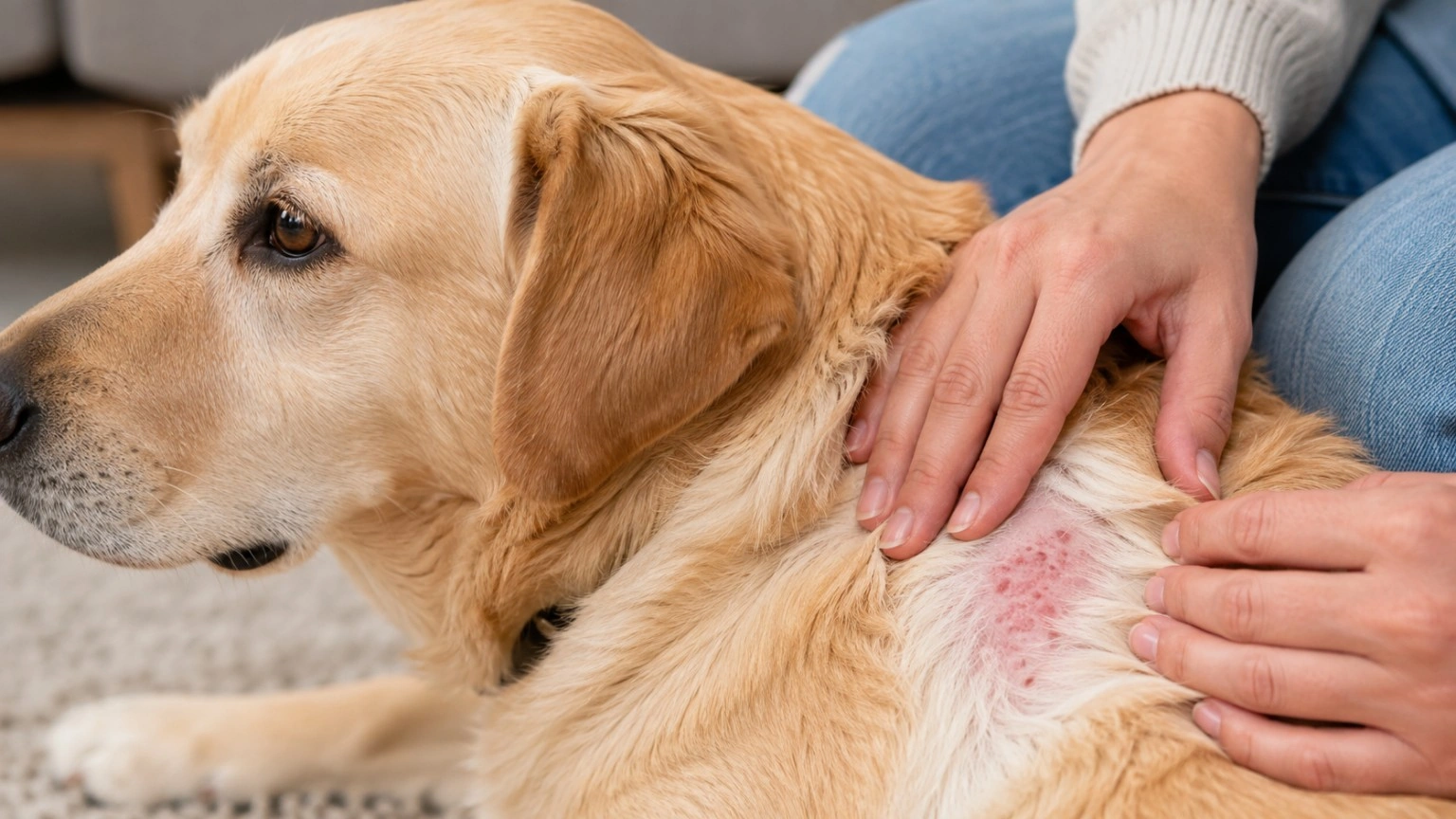

A skin sore that remains open, repeatedly crusts and breaks down, drains, bleeds, or returns in the same place is no longer a simple wait-and-see wound. Normal healing progresses through recognizable stages. When that process stalls, the reason may be continued licking or scratching, infection, a foreign body, poor blood supply, an underlying skin disease, or—less commonly but importantly—a tumor.
How Long Is Too Long?
There is no single number of days that fits every wound because depth, location, contamination, and the cat’s health all matter. The more useful question is whether the lesion is making steady progress. A healing wound should generally become less swollen, less painful, drier, and smaller over time. A lesion that is enlarging, producing new discharge, developing dead-looking tissue, or repeatedly reopening is not following a reassuring course.
Why Cats Can Keep Their Own Wounds From Healing
Licking and chewing are common reasons a superficial lesion fails to settle. Saliva does not sterilize a wound, and repeated licking adds moisture and mechanical trauma. It can also turn a small itchy spot into a much larger area of inflammation. If the cat cannot leave the area alone, ask the veterinarian about a safe barrier such as an Elizabethan collar rather than relying on bitter sprays or homemade deterrents that may irritate the skin.
Infection Can Be Obvious—or Hidden
Warmth, swelling, pain, odor, pus, or drainage suggest infection, but some deeper infections look subtler. Merck notes that deep feline pyoderma can produce ulcers, crusts, hair loss, and draining wounds. Recurrent or nonhealing infection may signal an underlying trigger that also needs treatment, such as allergy, parasites, or systemic disease.
Bite Wounds and Abscesses
Small punctures from another cat can close at the surface while bacteria remain deeper in the tissue. Days later, swelling, pain, fever, or drainage may appear. If an abscess opens on its own, the hole draining fluid is not proof the problem is solved. The cavity may still need veterinary cleaning, pain control, and other treatment.
Skin Disease Underneath the Sore
Allergies, fleas, mites, fungal disease, and inflammatory skin conditions can create intense itch. The cat then scratches or licks until the skin ulcerates. In this situation, treating only the open area without controlling the original itch sets up a cycle of healing and re-injury. Diagnosis may involve flea combing, skin scrapings, cytology, culture, fungal testing, or biopsy depending on the pattern.
When a Nonhealing Sore Could Be a Tumor
Some skin tumors can appear as bumps, hairless patches, discolored areas, or sores that do not heal. Squamous cell carcinoma is one example that can begin as a persistent crust or ulcer, particularly on sun-exposed areas of lightly pigmented cats such as the ears, eyelids, nose, or lips. This does not mean every chronic sore is cancer, but it explains why persistent lesions should be sampled rather than repeatedly treated blindly.
Factors That Slow Healing
Healing depends on adequate blood supply, oxygen, nutrition, protection from repeated trauma, and control of infection. Pressure, movement, contamination, dead tissue, certain medications, and systemic illness can interfere. Older cats or cats with chronic disease may need a broader health assessment if wounds heal unusually poorly.
Do Not Use These Home Treatments
Avoid hydrogen peroxide, alcohol, strong disinfectants, essential oils, human antibiotic creams, steroid creams, and pain-relief ointments unless your veterinarian specifically instructs you to use a product. Cats groom topical substances off their skin, which adds an ingestion risk. Strong antiseptics can also damage healthy healing tissue.
What You Can Do Safely
Prevent licking, keep the cat indoors, and photograph the lesion with a ruler beside it so you can track size. If the surface is dirty, ask your veterinary clinic what gentle cleaning method is appropriate. Do not remove firmly attached scabs or squeeze draining tracts. Record whether the cat is eating, whether the area is painful, and whether new lesions are appearing elsewhere.
Signs That Need Prompt Care
- The sore is enlarging instead of shrinking.
- There is pus, foul odor, significant swelling, or increasing pain.
- The wound is deep, caused by a bite, or located near the eye, mouth, chest, abdomen, or a joint.
- The cat is lethargic, feverish, not eating, or hiding more than usual.
- The lesion repeatedly returns in the same location.
- The sore is on a sun-exposed nose, eyelid, lip, or ear and will not heal.
What the Vet May Do
The veterinarian may clip surrounding fur, clean and examine the wound, assess depth, look for a foreign body, sample discharge, perform cytology or culture, and consider biopsy if the lesion is unusual or persistent. Treatment is then directed at the cause rather than the appearance alone.
Why Location Changes the Differential Diagnosis
A sore on the bridge of the nose, ear tip, or eyelid in a lightly pigmented cat raises different concerns from a moist lesion under the tail or a draining puncture over the back. Likewise, a sore directly over a pressure point, a joint, or an area the cat can easily lick may heal differently. Record the exact location because it helps the veterinarian judge trauma, sun exposure, self-trauma, infection, and tumor risk.
Repeated Crusting Is Not the Same as Healing
A lesion can form a crust and still remain active underneath. If the crust repeatedly falls off and exposes the same raw tissue, or if the lesion continues enlarging at the edges, the process is not truly resolved. Avoid picking at crusts to “let it breathe.” Removing attached tissue can restart bleeding and destroy fragile new epithelium.
Why Antibiotics Are Not a Universal Answer
Some nonhealing sores are infected, but others are primarily allergic, fungal, parasitic, inflammatory, or neoplastic. Even when bacteria are present, they may be secondary to another disease. Repeated antibiotic courses without investigating the underlying problem can delay diagnosis. Culture or cytology may be especially useful for deep, draining, recurrent, or previously treated lesions.
Track the Lesion Objectively
Take a clear photo every few days from the same distance with a ruler or coin for scale. Record whether the cat is licking, scratching, or chewing the site. Objective tracking prevents a common problem: assuming a lesion is improving because it looks drier while its diameter is actually increasing. Bring the photo sequence to the appointment.
Why a Wound Near a Joint Is Different
Lesions near joints, tendons, the chest wall, or abdomen may involve deeper structures than the surface suggests. A small puncture can penetrate farther than it appears. If the cat is limping, reluctant to move, or painful beyond the visible skin lesion, tell the veterinarian because imaging or deeper exploration may be necessary.
Nutrition Matters, but Do Not Start Random Supplements
Healing requires adequate calories and protein, yet most cats eating a balanced complete diet do not need unproven supplements for wound repair. Appetite loss is more important than adding vitamins. If a cat with a chronic wound is eating poorly or losing weight, that information should trigger veterinary assessment rather than a shopping list of supplements.
Recurring Lesions Need a Diagnosis, Not Repeated Creams
If the same sore returns after each course of topical treatment, the pattern itself is diagnostic information. Recurrent disease suggests that the underlying cause remains active. Ask whether cytology, culture, fungal testing, parasite evaluation, or biopsy is warranted instead of continuing the same empirical product indefinitely.
Bottom Line
A cat sore that fails to show steady improvement is a symptom worth investigating. Infection, self-trauma, parasites, allergy, deeper tissue disease, and tumors can all interfere with healing. Protect the area from licking, avoid harsh home products, and arrange veterinary assessment for wounds that persist, worsen, drain, recur, or affect the cat’s overall health.