Yellow discoloration of the gums, skin, or whites of the eyes is called jaundice or icterus and is not normal in cats. It occurs when bilirubin builds up in the body and can reflect liver disease, destruction of red blood cells, or obstruction of bile flow.
Quick Answer
If your cat’s gums, ears, skin, or eye whites appear yellow, arrange prompt veterinary evaluation. Seek urgent care if jaundice appears with severe weakness, collapse, repeated vomiting, breathing difficulty, or refusal to eat.
Where Yellowing Is Easiest to See
Owners may first notice yellow color in the whites of the eyes, inside the ears, or on pale gums. In cats with dark pigmentation, the eye whites and inner ear skin may be easier to evaluate.
Pre-Hepatic Causes
If red blood cells are destroyed faster than the body can replace them, bilirubin can rise. This category includes some immune-mediated diseases, toxins, infections, and other causes of hemolysis.
Liver Disease
The liver processes bilirubin. Inflammation, infection, fatty liver disease, toxins, tumors, and other liver disorders can interfere with that function.
Post-Hepatic Causes
Bile must flow from the liver through the biliary system. Obstruction from inflammation, pancreatitis, gallbladder disease, or other problems can cause bilirubin to build up.
Why Appetite Matters
Cats that stop eating are at risk of hepatic lipidosis, particularly if overweight. Jaundice plus food refusal is therefore an important combination that should be evaluated promptly.
Other Signs to Watch For
- Vomiting
- Weight loss
- Lethargy
- Dark urine
- Pale stools
- Abdominal discomfort
- Increased thirst
What Not to Do
- Do not give liver supplements without a diagnosis.
- Do not force-feed a vomiting cat without veterinary guidance.
- Do not delay care because the cat is still walking around.
What the Veterinarian May Check
Blood tests can evaluate red blood cells, bilirubin, liver enzymes, and other organ function. Ultrasound or other imaging may be needed to assess the liver, gallbladder, pancreas, and bile ducts.
Bottom Line
Yellow gums or eyes mean bilirubin is elevated and the cause needs to be identified. Liver disease is one possibility, but red blood cell destruction and bile obstruction are also important. Prompt veterinary evaluation is appropriate.
Dark Urine Can Be a Clue
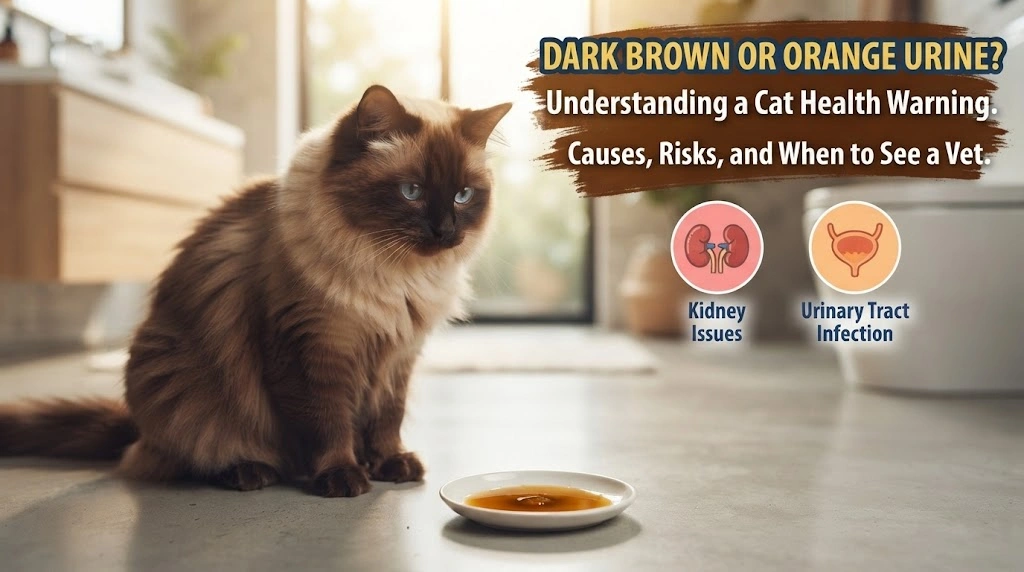
Urine may appear darker when bilirubin is elevated, though color changes can have other causes. Mention any urine color change to the veterinarian, especially if yellow tissues, vomiting, or appetite loss are also present.
Why Early Nutrition Support Matters
Cats with liver disease and hepatic lipidosis may require structured nutritional support. Waiting for a jaundiced cat to begin eating voluntarily can allow the problem to worsen, so food refusal should be reported promptly.
What to Record Before the Appointment
For yellow gums or eyes in cats, write down when the sign first appeared, whether onset was sudden or gradual, and whether it is getting better, worse, or staying the same. Record appetite, water intake, urination, stool, grooming, sleep, breathing, activity, and behavior. Include recent trauma, fights, outdoor access, medication changes, toxin exposure, vomiting, diarrhea, or weight loss when relevant.
If the problem is intermittent, a short natural photo or video can be useful. Do not provoke pain, force movement, manipulate an injured area, or delay urgent care just to document the sign.
How to Decide Whether Monitoring Is Still Reasonable
Monitoring is only reasonable when the cat is comfortable, the sign is mild, there is a plausible non-urgent explanation, and no red flags are present. If the cat becomes weaker, stops eating, breathes abnormally, develops severe pain, cannot urinate, collapses, or the sign rapidly worsens, the situation has changed and needs prompt veterinary reassessment.
How Bilirubin Builds Up
Bilirubin is produced when red blood cells are broken down and is normally processed by the liver and excreted in bile. Jaundice develops when production is excessive, liver processing is impaired, or bile cannot flow normally.
Why Cats With Jaundice Often Need Multiple Tests
The yellow color confirms that bilirubin is elevated, but it does not reveal which category is responsible. Blood counts, liver values, ultrasound, and other testing help distinguish red-cell destruction, liver disease, and bile-duct obstruction.
Hepatic Lipidosis
Overweight cats that stop eating are at particular risk of fatty liver disease. Appetite loss may start for another reason, but once hepatic lipidosis develops the cat can become jaundiced and increasingly ill. Early nutritional support is often important.
Red Blood Cell Destruction
Hemolysis can raise bilirubin before severe liver disease is present. Pale gums, weakness, dark urine, or rapid breathing may occur depending on severity. A complete blood count helps identify anemia.
Bile-Flow Problems
Inflammation around the pancreas, gallbladder, liver, or bile ducts can interfere with bile flow. Imaging is often needed because the blockage or inflammation cannot be diagnosed from gum color alone.
Why Food Refusal Is Urgent
A jaundiced cat that is not eating needs prompt attention. Do not wait several days hoping appetite will return spontaneously.
A Practical Decision Guide
When evaluating yellow gums or eyes in cats, start with the cat’s overall function. A cat that can breathe comfortably, walk normally, eat, drink, urinate, and respond to the environment is different from one that is weak, painful, hiding, confused, or unable to perform a normal function. Next consider speed: a change that developed over minutes or hours generally deserves more urgency than a stable finding that has been unchanged for months.
Combinations of signs matter. Pain plus food refusal, weakness plus pale gums, swelling plus breathing difficulty, or neurologic change plus collapse are more concerning than one mild isolated feature. If you are uncertain, call the veterinary clinic and describe the cat’s current condition rather than only naming the symptom.
How to Keep the Cat Comfortable While Waiting
Use a quiet indoor room, minimize unnecessary handling, and keep food, water, and the litter box easy to reach. Prevent access to stairs or high furniture if mobility is abnormal. For suspected trauma, reduce activity. Do not force food, water, exercise, or handling when the cat is distressed.
What Follow-Up Should Focus On
After treatment begins, track whether the cat is returning toward its normal baseline. Improvement should include comfort, appetite, grooming, movement, and normal litter-box habits—not just a smaller swelling or less visible lesion. Contact the clinic if the original problem returns, new signs appear, or the cat worsens after initially improving.
Why Urine and Stool Changes Matter
Dark urine can occur when bilirubin is elevated, while very pale stool may suggest reduced bile pigment reaching the intestine. These changes are not diagnostic by themselves, but they add useful context when yellow tissues are present.
Why the Cat May Seem Quiet Rather Than Painful
Liver and biliary disease can cause vague signs such as hiding, sleeping more, poor appetite, and reduced grooming. Cats often do not show obvious abdominal pain. A quiet jaundiced cat should not be assumed comfortable.
What Treatment Can Involve
Treatment varies widely depending on the cause and may include fluids, anti-nausea medication, nutritional support, antibiotics when indicated, treatment of red-cell destruction, or procedures to address bile obstruction. The yellow color itself is not the treatment target; the underlying disease is.
When to Recheck Even After Initial Improvement
A cat can look better for a few hours while the underlying problem is still present. Recheck is appropriate when the sign returns, appetite falls, the cat hides more, breathing changes, mobility worsens, or new pain appears. Follow any scheduled veterinary recheck even if the visible sign seems smaller or less dramatic.
Keep treatment consistent and do not stop prescribed medication early unless the veterinarian tells you to. If a new symptom appears after treatment begins, report both the symptom and the timing relative to medication or feeding changes.
Why Appetite History Is Especially Important
Tell the veterinarian exactly when the cat last ate a normal meal and whether intake has been gradually falling or stopped suddenly. In jaundiced cats, this timeline can influence how aggressively nutritional support is started. Overweight cats that stop eating deserve particular attention because of hepatic lipidosis risk.
Do not wait for several days of complete food refusal before seeking advice.
Continue monitoring the cat’s overall comfort, appetite, breathing, mobility, and litter-box habits while following veterinary advice. A worsening change in any basic function is more important than one isolated symptom appearing slightly better.
Why Jaundice Can Become More Noticeable Over Time
Yellow discoloration may be subtle at first and easier to see in daylight. As bilirubin rises, the whites of the eyes, inner ears, and gums can become more obviously yellow. Photographing the change in similar lighting can help document progression without repeatedly handling the cat.
If the yellowing deepens or the cat becomes weaker, vomits, or stops eating, contact the veterinarian promptly.
Why Follow-Up Testing Can Change the Diagnosis
Jaundice may begin with one suspected cause and later prove to involve another process as blood work and imaging are completed. Rechecks help show whether bilirubin is falling, anemia is improving, and liver or bile-duct changes are responding to treatment. Do not stop follow-up simply because the yellow color looks a little lighter.