Quick Answer
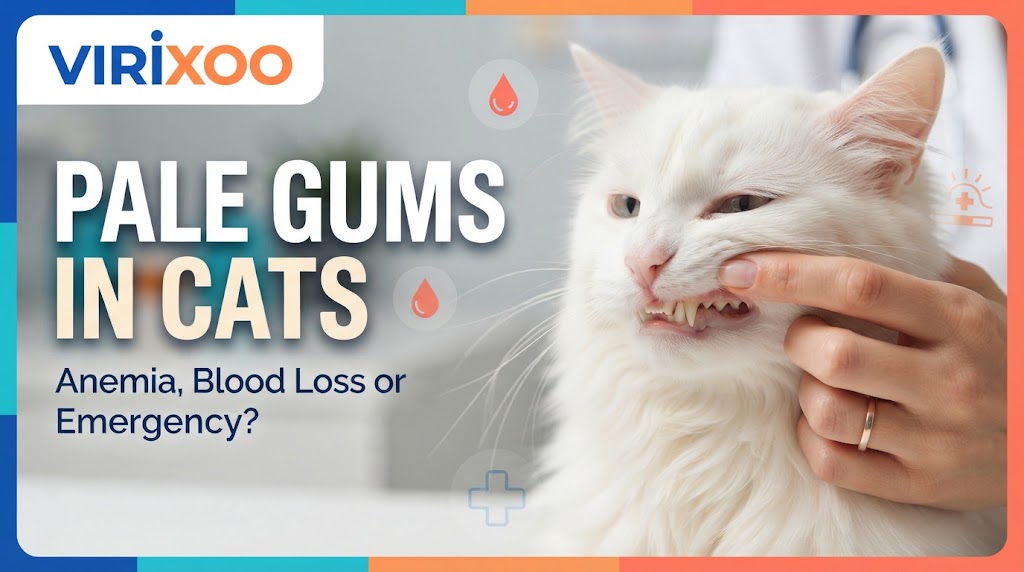
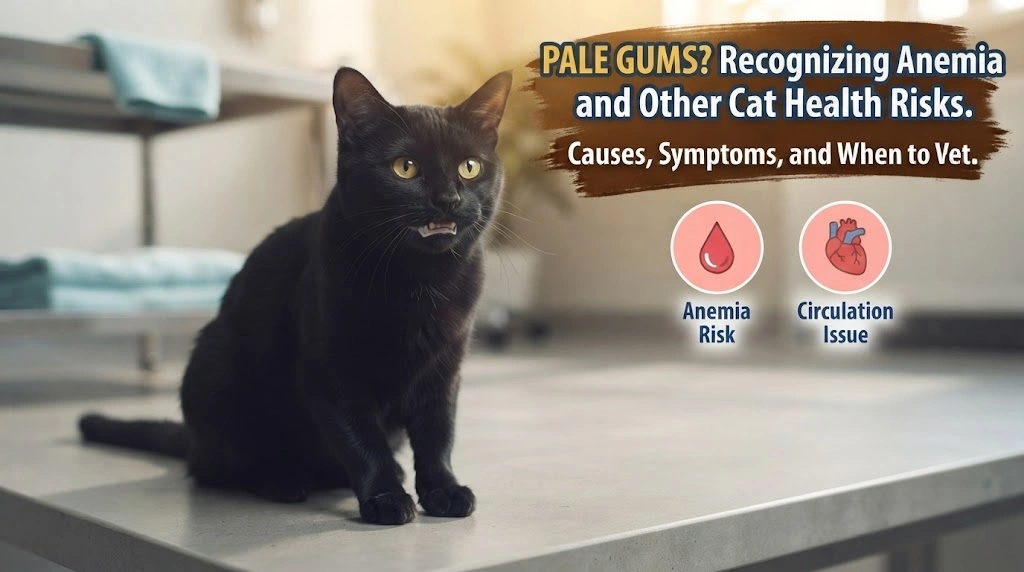
Gums that are clearly paler than your cat’s normal color can be a sign of anemia, blood loss, or impaired circulation. Pigmentation varies among cats, so compare with the cat’s usual appearance rather than expecting every healthy gum to be bright pink.
Why Gum Color Matters
Red blood cells carry oxygen. When their number falls substantially, normally pink tissues can look pale. Poor circulation can also reduce visible color. Gum appearance is only a screening clue; blood testing is needed to determine whether anemia is present and how severe it is.
Blood Loss Can Be Visible or Hidden
Trauma, gastrointestinal bleeding, parasites, bleeding disorders, and internal bleeding can reduce red-cell mass. Black tarry stool, bloody vomit, obvious wounds, abdominal enlargement after trauma, or unexplained bruising are important details to report.
Red-Cell Destruction and Reduced Production
Anemia can also occur when red cells are destroyed faster than they are replaced or when the bone marrow does not produce enough. Immune-mediated disease, infections, toxins, kidney disease, chronic inflammation, and bone-marrow disorders are among the broad categories veterinarians consider.
Signs That Make Pale Gums an Emergency
Seek emergency care for pale gums with collapse, severe weakness, rapid or difficult breathing, active bleeding, a swollen painful abdomen, extreme lethargy, or recent significant trauma. A cat can compensate for anemia until the problem becomes advanced, so dramatic weakness should be taken seriously.
How to Look Without Stressing the Cat
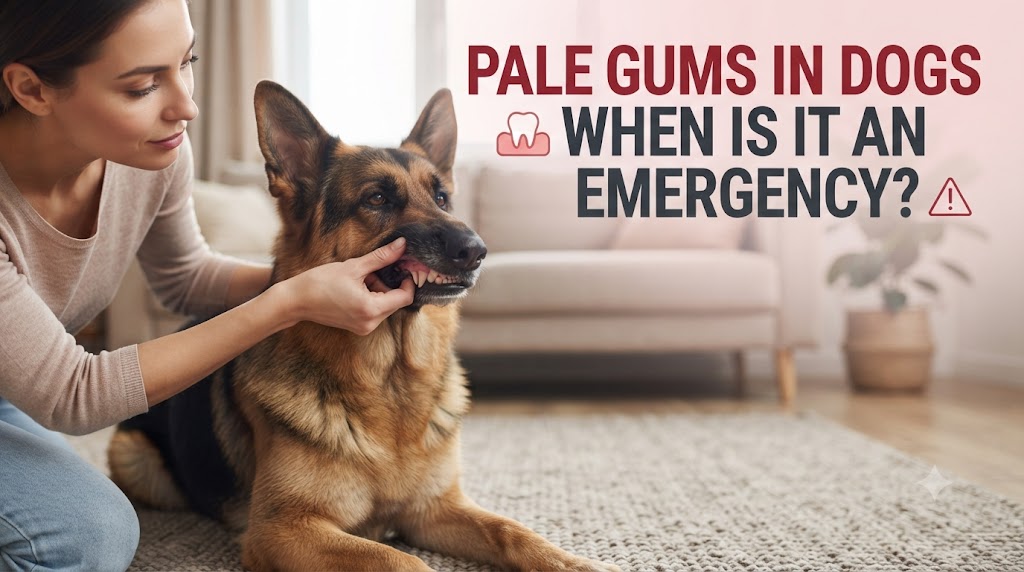
If your cat tolerates handling, briefly lift the lip in good natural light. Do not repeatedly press the gums or force open the mouth of a frightened or painful cat. Some cats have darkly pigmented gums, making the tongue or other nonpigmented areas more useful to a veterinarian.
What the Veterinarian May Test
A complete blood count can confirm anemia and show whether the bone marrow appears to be responding. Additional tests may include blood chemistry, urinalysis, parasite or infectious-disease testing, imaging, clotting tests, and evaluation for hidden bleeding depending on the history.
Why Treatment Depends on the Cause
There is no single home treatment for anemia. Severe cases may require transfusion and stabilization, while other cats need treatment for parasites, bleeding, kidney disease, immune destruction, or another underlying disorder. Iron should not be given unless a veterinarian identifies a reason for it.
How Fast the Change Developed Matters
A cat that becomes pale and weak over minutes to hours after trauma has a different risk profile from a cat whose gums have gradually become paler over weeks. Acute blood loss and circulatory collapse require immediate stabilization, while chronic anemia may allow the body to compensate until the red-cell count is surprisingly low.
Regenerative vs. Nonregenerative Anemia
Veterinarians often classify anemia by whether the bone marrow is responding. In regenerative anemia, the body is attempting to replace lost or destroyed red cells. In nonregenerative anemia, production is inadequate. Reticulocyte counts and the rest of the bloodwork help make this distinction and guide the next diagnostic steps.
Why Parasite Prevention Still Matters
Heavy flea burdens can contribute to anemia, especially in kittens or debilitated cats. Some blood-borne infections can also affect red cells. Prevention and exposure history are therefore relevant, but pale gums should not automatically be attributed to fleas without confirming the severity and cause of anemia.
Bottom Line
New pale or white gums are a meaningful physical sign, especially when paired with weakness or breathing changes. Compare with the cat’s baseline, avoid unapproved supplements, and seek veterinary assessment promptly when the change is clear or the cat is unwell.