Quick Answer
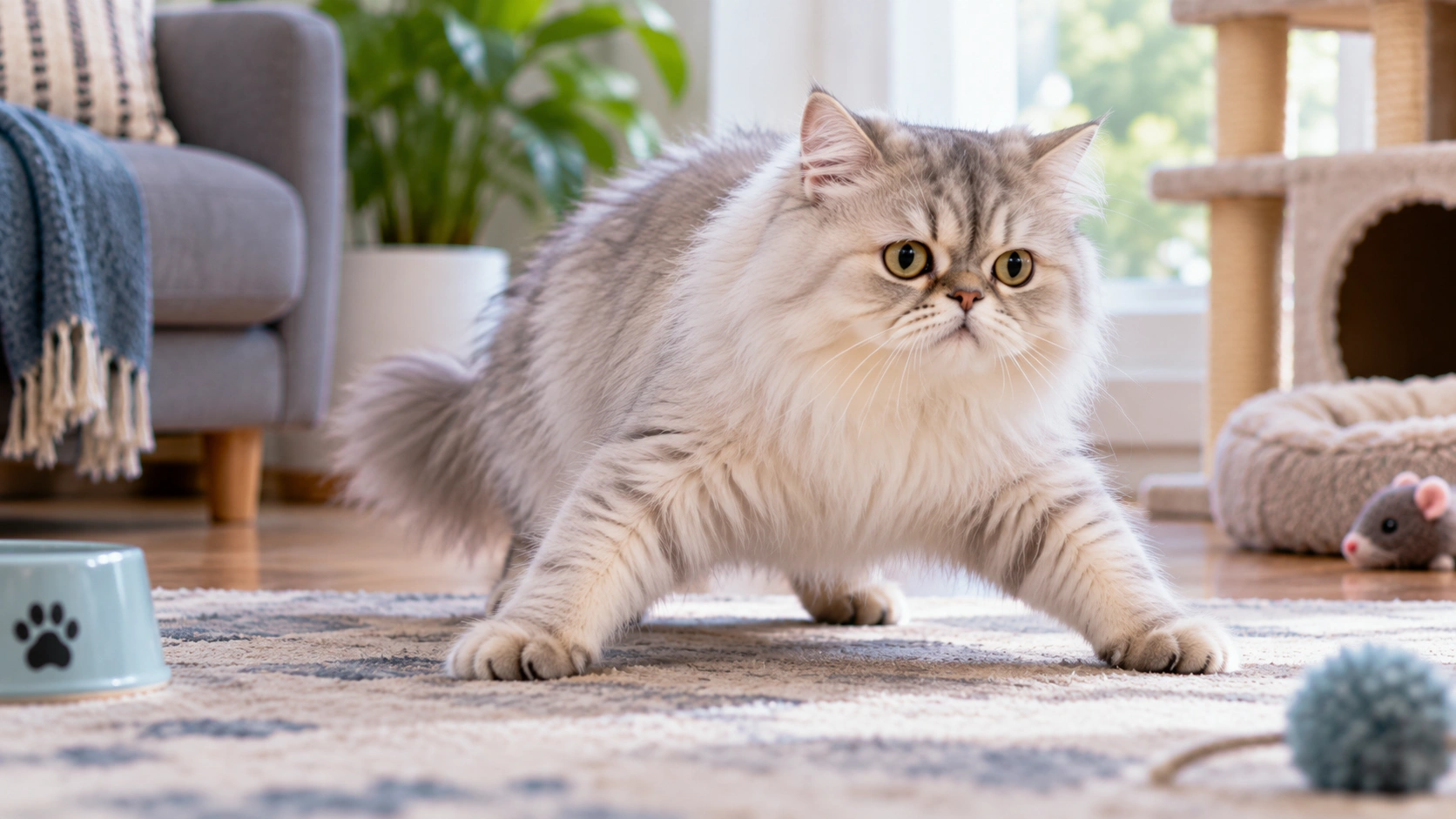
A cat may occasionally sit with the front legs wider for comfort, but a new rigid wide stance can be a way of trying to make breathing easier or reduce chest discomfort. The posture matters most when it appears with abnormal respiratory rate or effort.
Why Breathing Posture Changes
Cats in respiratory distress may sit upright, hold the elbows away from the chest, extend the head or neck, and resist lying down. These positions can help maximize chest movement. A cat struggling to breathe should not be forced into a carrier position that compresses the chest.
Count Breaths Only When the Cat Is Resting
If the cat is calm and not purring, count chest rises for 30 seconds and multiply by two. More important than one number is obvious effort: abdominal pushing, nostril flaring, open-mouth breathing, or inability to settle. Do not repeatedly handle a breathless cat to obtain perfect measurements.
Pain Can Also Alter Stance
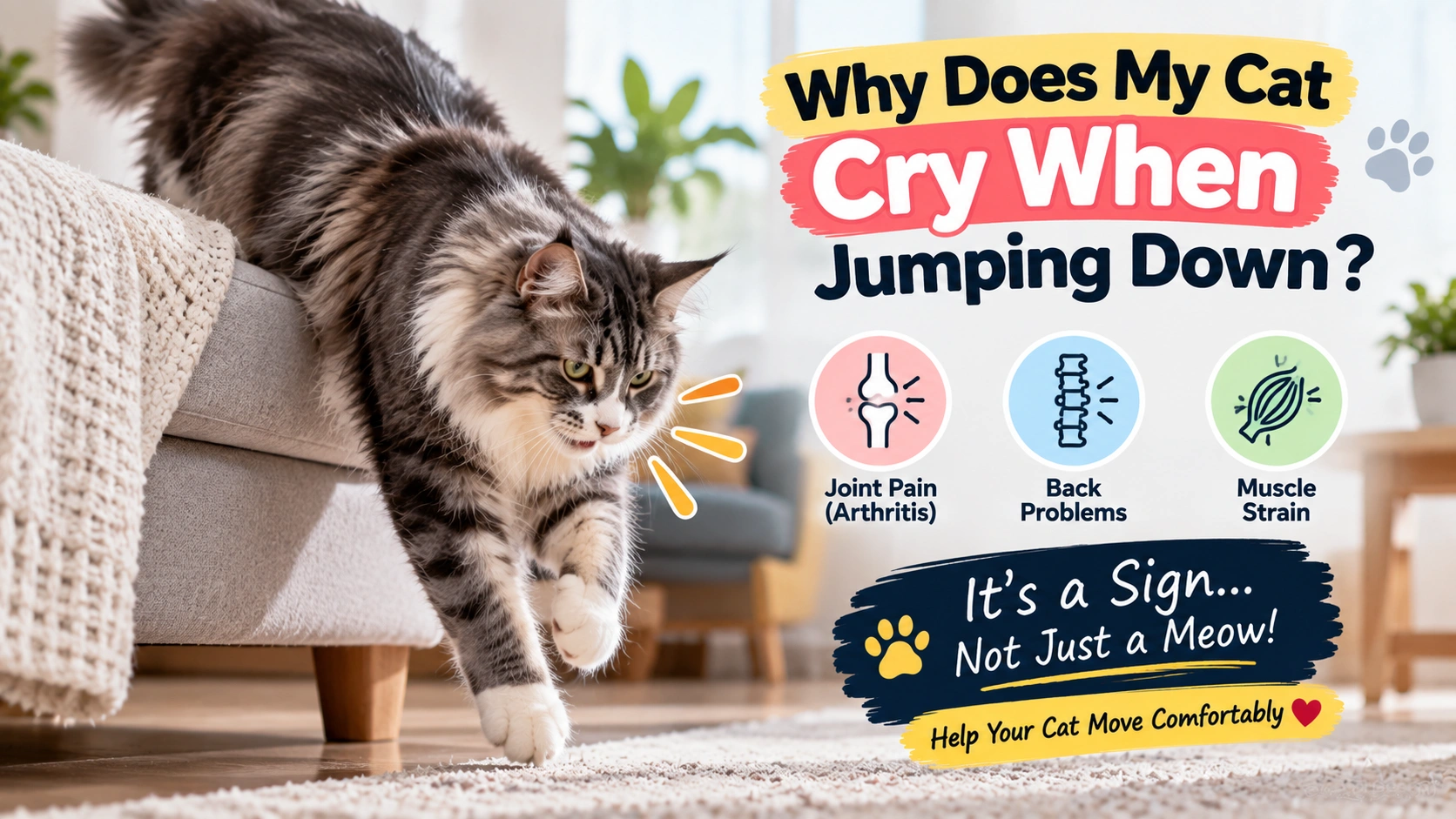
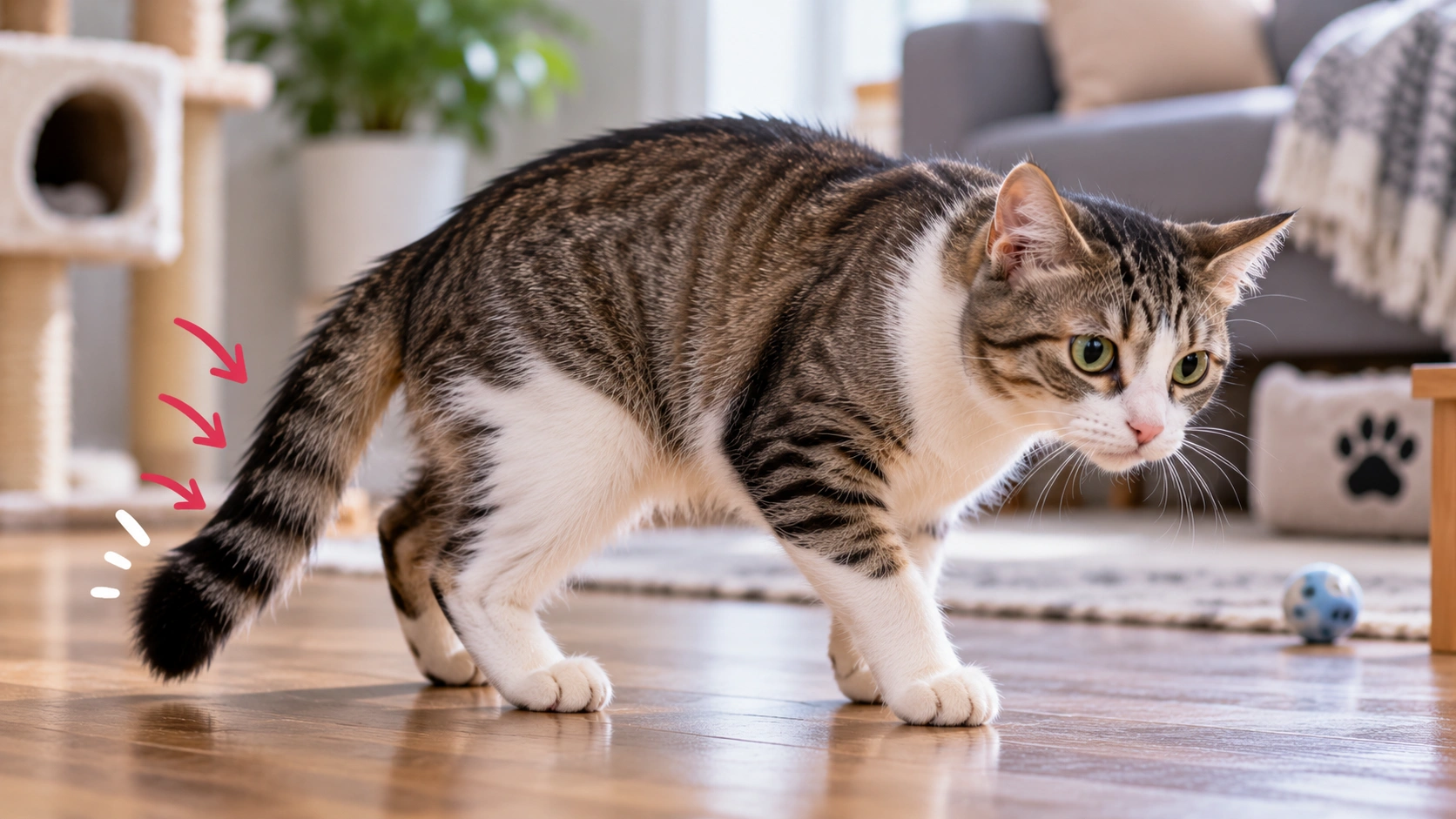
Chest, shoulder, neck, or abdominal pain can make a cat position the limbs differently. Trauma, arthritis, and other painful conditions may therefore mimic a respiratory posture. The presence of rapid or labored breathing shifts the priority toward urgent respiratory assessment.
Open-Mouth Breathing Is a Red Flag
Unlike dogs, cats do not routinely pant at rest. Open-mouth breathing, blue or gray tissues, collapse, or severe respiratory effort is an emergency. Keep the cat calm, minimize handling, and travel to veterinary care promptly.
What the Veterinarian May Evaluate
The veterinarian may first provide oxygen and stabilize the cat before extensive testing. Once safe, chest radiographs, ultrasound, blood tests, heart assessment, or fluid sampling may be considered depending on whether asthma, heart disease, pleural disease, trauma, or another cause is suspected.
Transport With Minimal Stress
Use a carrier that allows easy entry and good ventilation. Avoid chasing the cat around the house. If possible, remove the carrier top rather than forcing a distressed cat through a small door. Call the clinic ahead so staff can prepare for respiratory triage.
When the Posture Is Less Concerning
If the cat occasionally sits widely while relaxed, breathes normally, lies down comfortably, eats, plays, and shows no pain, the posture may simply be individual preference. A new persistent change still deserves observation for accompanying signs.
Resting Respiratory Rate Is a Useful Trend
For cats with known heart or respiratory disease, veterinarians may recommend tracking sleeping or resting respiratory rate at home. Measurements are most useful when the cat is truly asleep or quietly resting and not purring. A rising trend should be discussed with the treating veterinarian.
Why Stress Can Make Respiratory Disease Look Worse
Handling, chasing, car travel, and restraint increase oxygen demand. A cat with limited respiratory reserve can deteriorate under stress. This is why emergency clinics often prioritize oxygen and minimal handling before radiographs or extensive examination.
Do Not Give Cough or Asthma Medication Without a Diagnosis
Human inhalers, cough syrups, decongestants, and leftover pet medication can be inappropriate or dangerous. Feline asthma, heart failure, pleural fluid, pneumonia, and other chest diseases can produce overlapping signs but require very different treatment.
Bottom Line
A wide front-leg stance is most important as a possible breathing posture. If it appears with increased effort, open-mouth breathing, weakness, or inability to lie comfortably, treat the situation as urgent rather than waiting for the posture to resolve.