Quick Answer
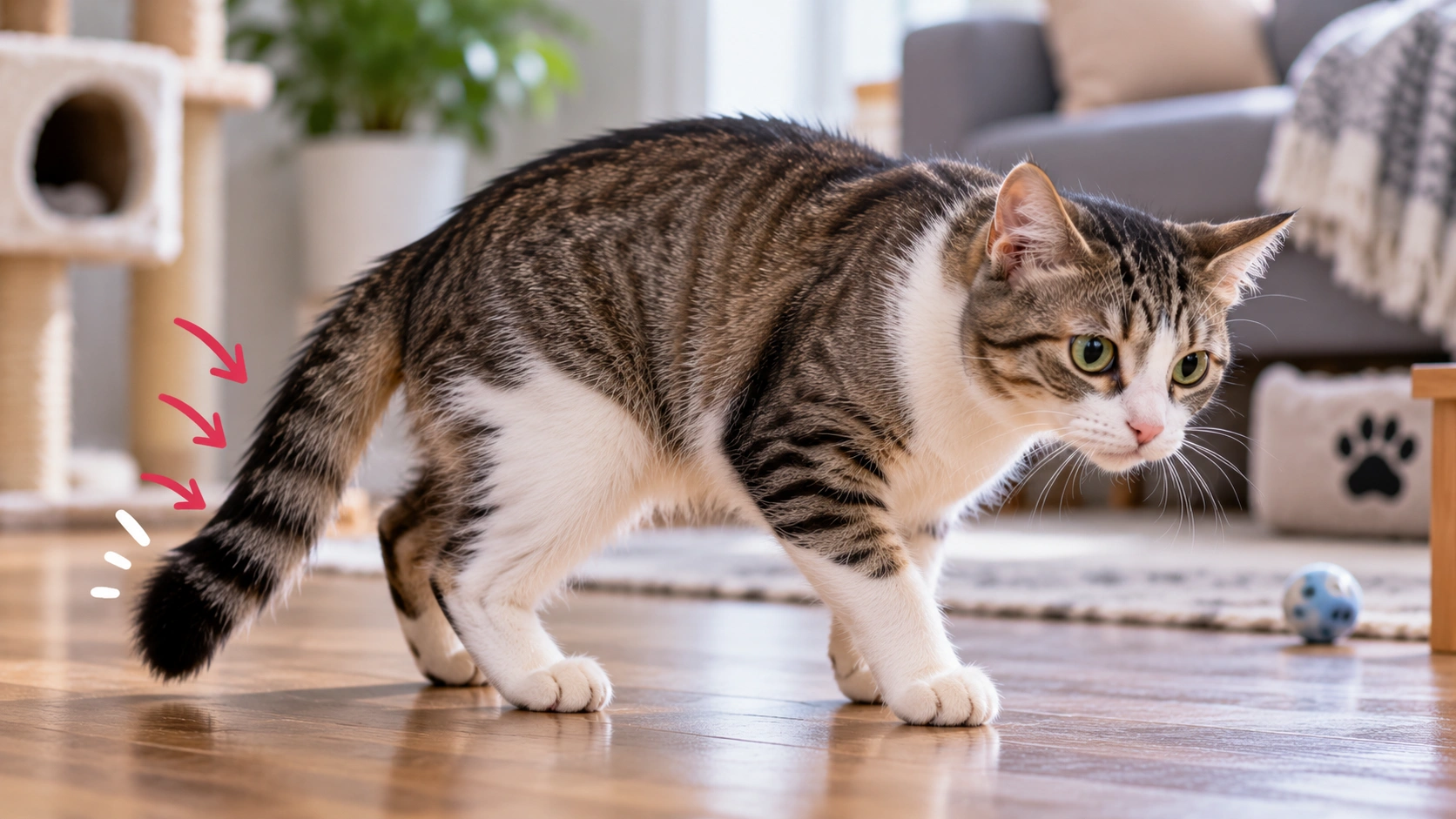
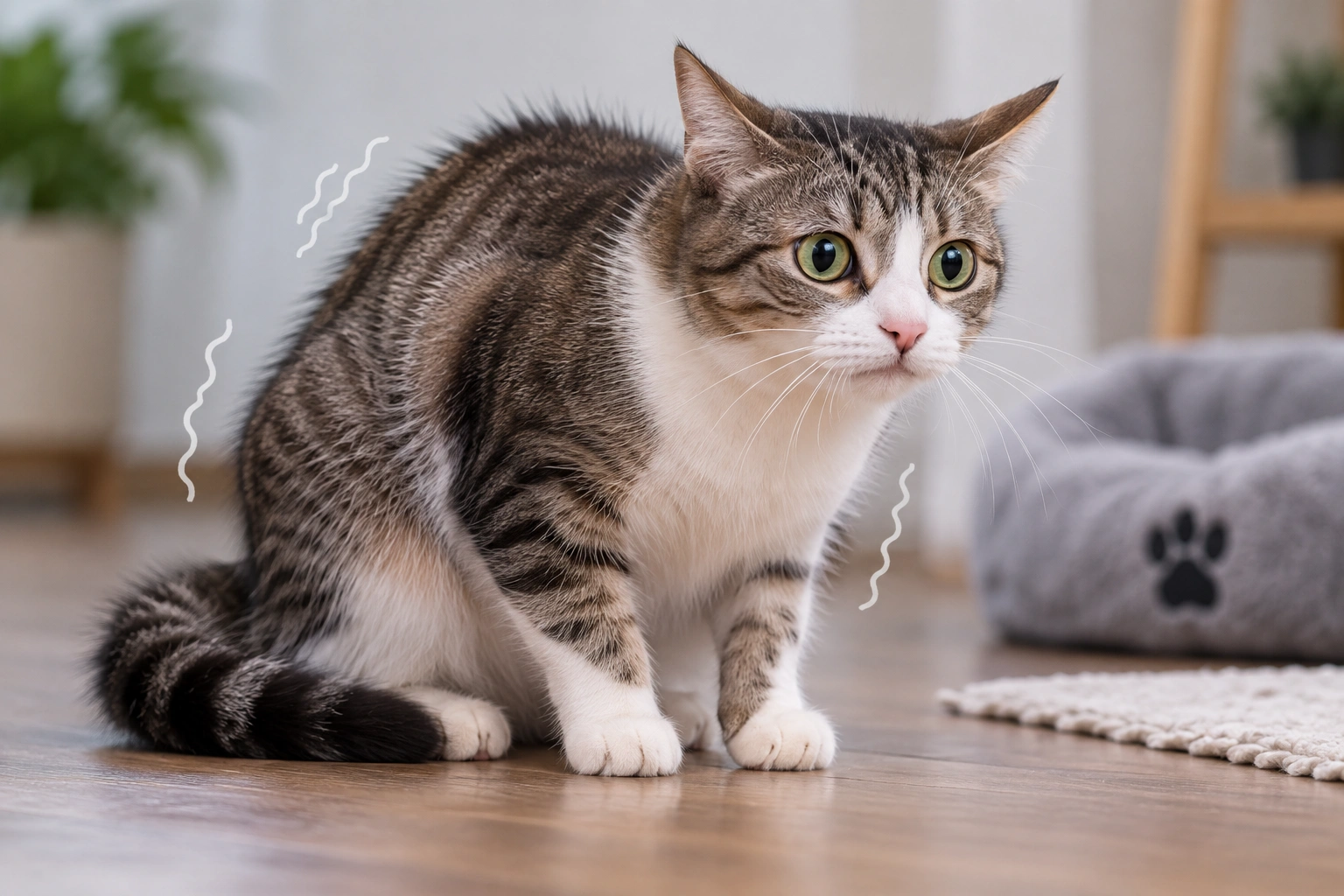
Trembling in an awake cat can be caused by something as simple as cold or fear, but persistent shaking can also reflect pain, fever, metabolic disease, toxins, or neurologic dysfunction. Context and accompanying signs determine urgency.
First Confirm It Is Trembling
Purring can create a subtle whole-body vibration, and cats may twitch during sleep. True awake trembling is a visible rhythmic or irregular movement that continues when the cat is alert. Record a short video rather than trying to hold the cat still.
Cold and Fear
A wet coat, cold environment, or intense fear can cause shivering. The movement should improve as the cat becomes warm and calm. Persistent trembling in a comfortable environment deserves another explanation.
Pain and Fever
Painful cats may tense, tremble, hide, resist handling, or adopt unusual postures. Fever and systemic illness can also cause shivering. Appetite loss, lethargy, vomiting, wounds, or tenderness increase the need for examination.
Low Blood Sugar
Hypoglycemia can cause weakness, trembling, disorientation, seizures, or collapse. Kittens, very small cats, cats receiving insulin, and cats with certain illnesses may be at greater risk. A diabetic cat showing neurologic signs after insulin requires urgent veterinary guidance.
Toxins
Permethrin exposure, some medications, and other toxins can produce tremors or seizures. If a cat was accidentally treated with a dog flea product or contacted a recently treated dog, seek veterinary help immediately and bring the product label.
Neurologic Tremors
Neurologic disease can cause tremors associated with abnormal gait, head movements, weakness, altered awareness, or seizures. A neurologic examination helps determine whether the movement originates from the nervous system.
Do Not Give Human Pain Medication
Acetaminophen, ibuprofen, naproxen, and other human drugs can be extremely dangerous to cats. Trembling from pain requires diagnosis and feline-safe pain control prescribed by a veterinarian.
When It Is Urgent
Emergency evaluation is appropriate for tremors with seizures, collapse, severe weakness, toxin exposure, breathing difficulty, marked disorientation, or suspected hypoglycemia.
Tremor vs. Seizure
During a tremor, a cat is often conscious and aware while part or all of the body shakes. A seizure may involve loss of awareness, paddling, jaw movements, salivation, urination, or a confused period afterward. The distinction is not always obvious, which makes video especially valuable.
Why Temperature Should Be Measured Professionally When the Cat Is Ill
Feeling the ears or nose does not reliably tell you whether a cat has fever or hypothermia. Rectal temperature measurement can also be stressful or unsafe in an uncooperative cat. If trembling occurs with lethargy or illness, let veterinary staff obtain an accurate temperature.
What Not to Do During Severe Tremors
Keep the cat away from edges and hard objects. Do not put fingers in the mouth, restrain forcefully, or give food or water to a cat that is not swallowing normally. If toxin exposure is possible, bring the package and seek veterinary advice immediately.
Bottom Line
Awake trembling is a sign with many possible causes. Warm and calm a mildly cold or frightened cat, but persistent unexplained shaking or any associated neurologic or systemic illness warrants veterinary assessment.