A small amount of clear tearing can occur after dust or mild irritation, but a persistently watery eye deserves a closer look. Cats can tear because of conjunctival inflammation, infection, eyelid or tear-duct problems, a scratch on the cornea, foreign material or upper respiratory disease. Eye problems can worsen quickly, and the amount of discharge does not reliably tell you how painful the eye is.
Quick Answer
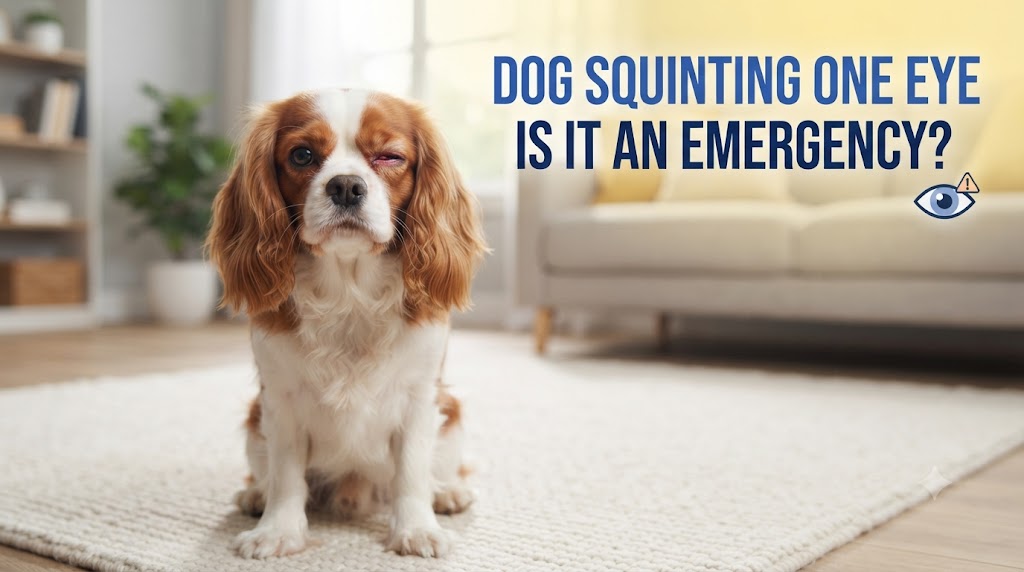
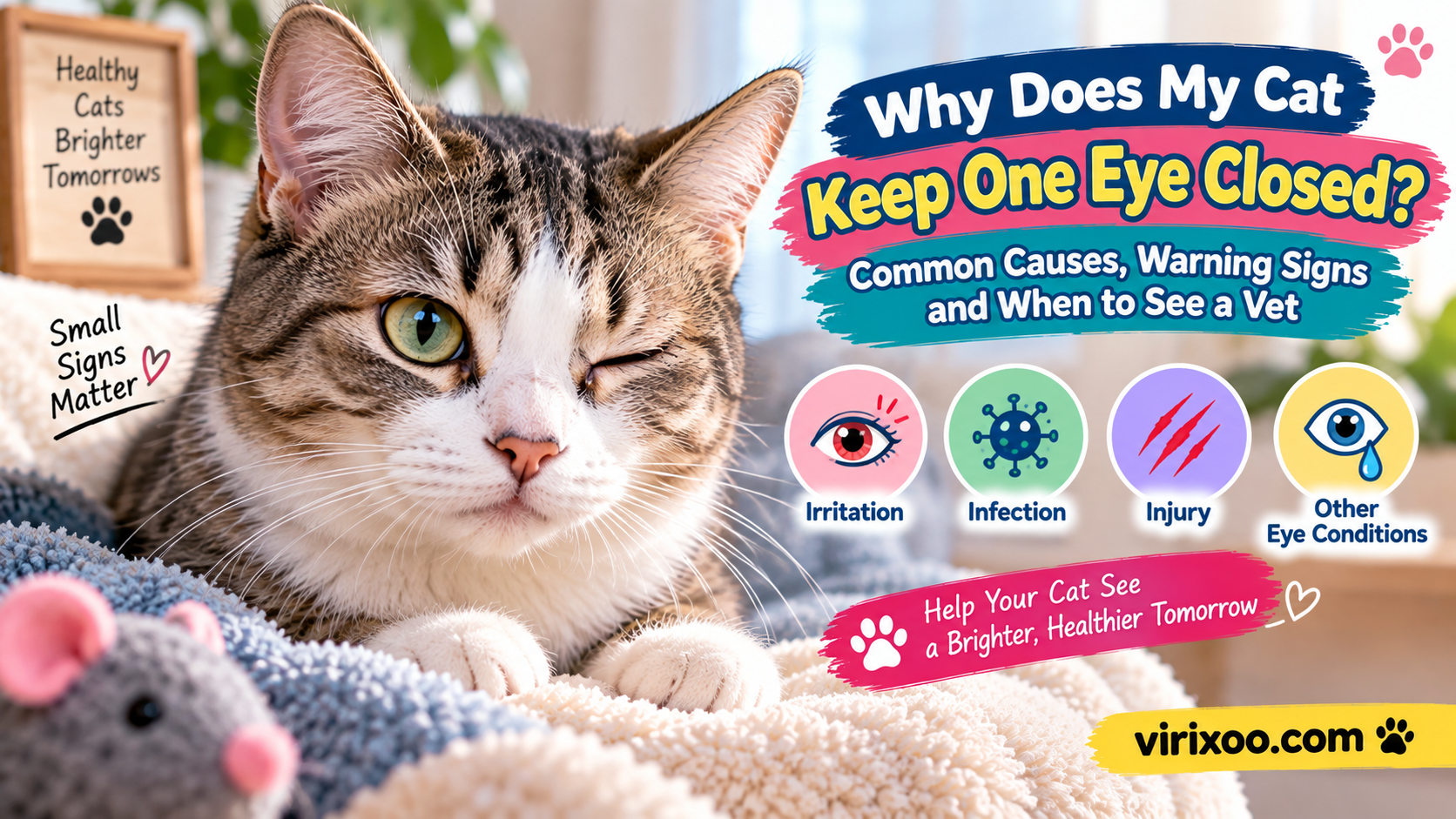
Check whether one or both eyes are affected and look for squinting, redness, cloudiness, swelling, yellow or green discharge, rubbing and light sensitivity. Gently wipe tears from the fur with a clean damp pad, using a separate pad for each eye. Do not use human eye drops. Squinting, a cloudy or blue-looking cornea, trauma, marked redness or an eye that will not open should be evaluated promptly.
Why a Cat's Eyes May Water
Mild irritation
Dust, loose hair or another irritant can trigger temporary tearing. A brief episode that clears and leaves the eye open and comfortable is less concerning than tearing that continues or repeatedly returns.
Conjunctival inflammation or infection
Inflammation of the tissues around the eye can produce tearing, redness and discharge. Respiratory infections may affect both the nose and eyes, especially when sneezing or nasal discharge occurs at the same time.
Corneal scratch or ulcer
The clear surface of the eye is sensitive. A scratch can cause intense squinting, tearing and pawing even when very little is visible from the outside. Corneal disease needs timely veterinary examination because the surface can deteriorate.
Tear drainage or eyelid problems
Tears normally drain through small ducts. Anatomy, inflammation, blocked drainage or eyelid position can cause overflow onto the face. Chronic staining may be less urgent than pain, but persistent overflow still deserves assessment.
Foreign material or trauma
Plant material, debris, a claw injury or another object can irritate the eye. Do not attempt to remove material that appears embedded or sits directly on the cornea.
Clear Tears, Colored Discharge and Pain
Color is useful, but comfort is even more important. A clear watery eye can still be painful if the cornea is injured.
| Eye Pattern | Concern Level | Action |
|---|---|---|
| Brief clear tears, eye fully open | Often mild irritation | Monitor closely |
| Persistent clear tearing from one eye | Local eye or drainage issue possible | Arrange examination if it continues |
| Yellow/green discharge with redness | Inflammation or infection possible | Veterinary assessment |
| Squinting or pawing | Pain likely | Prompt examination |
| Cloudy/blue eye, trauma or major swelling | Potentially serious eye disease | Urgent veterinary care |
Safe Eye Care While You Arrange Help
Keep the area clean without putting unprescribed medication into the eye.
- Use clean lukewarm water or veterinarian-recommended saline on a soft pad to wipe fur around the eye.
- Use a fresh pad for each eye to avoid transferring discharge.
- Prevent rubbing if your veterinarian advises an appropriate protective collar.
- Keep aerosols, smoke, dusty litter and strong cleaners away from the cat.
- Take a well-lit photo to document whether redness or cloudiness changes.
What to Track Before the Vet Visit
Eye problems are easier to assess when you can describe onset and progression clearly.
- One eye or both eyes affected.
- Clear, white, yellow, green or bloody discharge.
- Squinting, rubbing, redness, swelling or cloudiness.
- Sneezing, nasal discharge, appetite or energy change.
- Recent rough play, outdoor exposure, grooming or possible trauma.
What Not to Do
Do not use leftover antibiotic or steroid eye drops, human redness-relief drops, contact-lens products or herbal remedies unless a veterinarian has specifically approved the exact product. Steroid-containing drops can be dangerous in some corneal problems.
When to Contact a Veterinarian
Arrange veterinary care if tearing persists beyond a brief irritation, repeatedly returns, becomes colored, or occurs with redness, swelling or respiratory illness. Young kittens and cats with known eye disease may need an even lower threshold for assessment.
When It Is an Emergency
Seek prompt or emergency attention for severe squinting, an eye held closed, visible trauma, bleeding, a cloudy or blue cornea, a bulging eye, sudden vision problems or significant pain.
Related Virixoo Guides
If watery eyes occur with sneezing, see Why Is My Cat Sneezing?. For a cat that becomes quiet or stops eating during respiratory illness, read Why Is My Cat Not Eating?.
Why Eye Problems Deserve a Low Threshold for Care
The cornea has many nerve endings, so even a small scratch can be very painful. Cats also hide discomfort well, which means a cat that is still eating can have a significant eye problem. Veterinary testing may include fluorescein stain to look for corneal damage, measurement of tear production or eye pressure, and examination beneath the eyelids. These tests address different causes that can look almost identical at home. Waiting to see whether a painful eye “clears up” can allow some conditions to worsen and can make treatment more difficult.
Protect the Skin Around a Tearing Eye
Chronic tears can keep facial fur damp and irritate the skin. Gently blot moisture rather than rubbing, and keep long facial hair from repeatedly touching the eye if your veterinarian or groomer recommends trimming. Avoid stain-removing chemicals close to the eye. Persistent tear staining is a cosmetic issue only after painful, inflammatory and drainage problems have been ruled out.
Bottom Line
Watery eyes are not all equal. Mild short-lived tearing can resolve, but pain, squinting, cloudiness, colored discharge or trauma means the eye should be examined rather than treated with a home eye drop.