Quick Answer
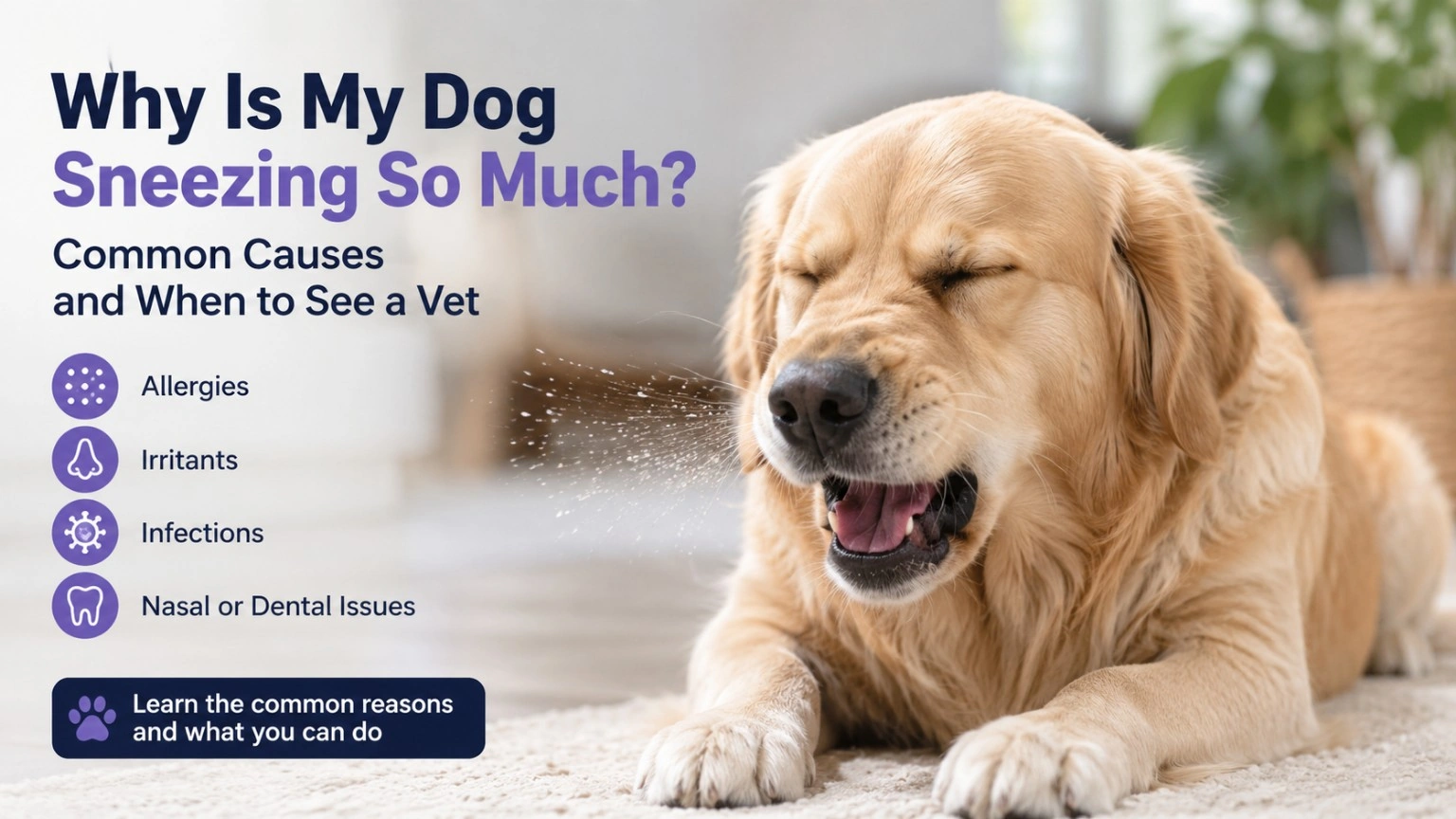
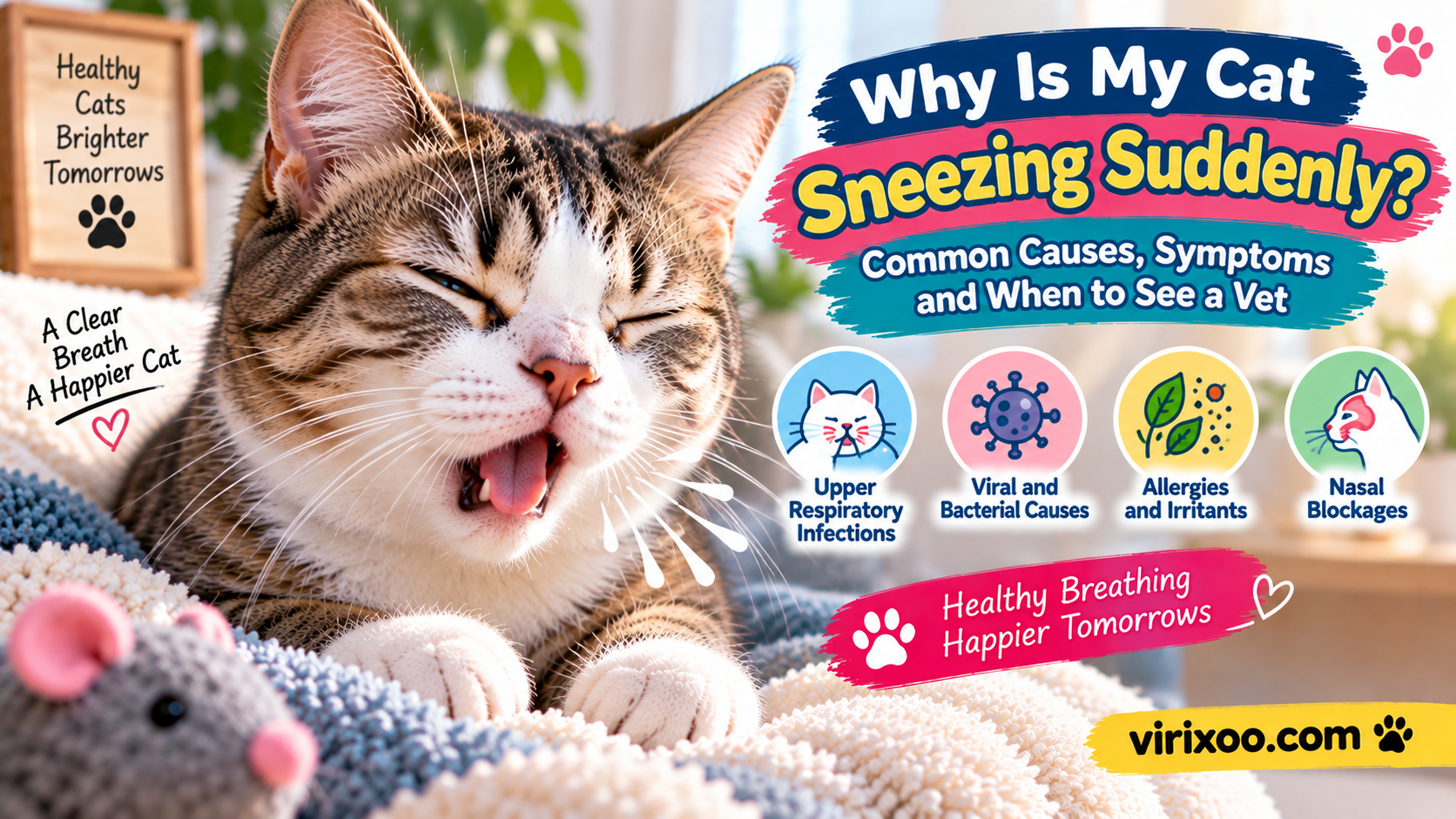
An occasional sneeze can be harmless, but repeated sneezing may result from upper respiratory infection, nasal irritation, dental disease, foreign material, inflammation, or less commonly other nasal disorders. Breathing difficulty, open-mouth breathing, marked lethargy, or refusal to eat requires prompt veterinary attention.
1. Upper Respiratory Infection
Viral and bacterial infections are common causes of sneezing, especially in kittens, newly adopted cats, shelter cats, or cats living in multi-cat environments. Signs may include eye discharge, nasal discharge, congestion, fever, and reduced appetite.
2. Irritants in the Environment
Dusty litter, smoke, aerosols, perfume, cleaning sprays, and renovation dust can irritate the nose. Remove obvious irritants and improve ventilation, but persistent sneezing should not automatically be blamed on the environment.
3. Dental Disease
Upper tooth-root disease can sometimes affect structures near the nasal cavity. Bad breath, difficulty chewing, drooling, facial swelling, or one-sided nasal discharge increases concern for oral or dental disease.
4. Foreign Material
Plant material, dust, or other small particles can enter the nasal passages. Sudden intense sneezing, pawing at the nose, or one-sided discharge may occur. Do not insert tweezers or other objects into the nostril.
5. Chronic Nasal Inflammation
Some cats develop persistent rhinitis after earlier respiratory disease or from ongoing inflammation. These cats may have recurrent congestion or discharge and require veterinary evaluation to rule out other causes.
6. Polyps, Masses, or Other Structural Problems
Persistent one-sided discharge, blood from the nose, facial asymmetry, noisy breathing, or symptoms that do not respond as expected may require imaging or more advanced examination.
What Nasal Discharge Can Tell You
Clear discharge can occur with mild irritation or early respiratory disease, while thicker yellow or green discharge can accompany inflammation or infection. Blood, foul odor, or persistent one-sided discharge warrants veterinary assessment.
Safe Home Support
Keep the cat warm and comfortable, gently wipe nasal discharge with a soft damp cloth, and offer palatable food. Humidified air may help some congested cats. Do not give human cold medicines, decongestants, or essential oils.
When It Is Urgent
Seek urgent care for open-mouth breathing, severe respiratory effort, blue or very pale gums, collapse, severe weakness, or inability to eat or drink because of breathing difficulty.
When to Schedule a Vet Visit
Arrange veterinary care when sneezing is frequent, lasts more than a few days, is accompanied by eye or nasal discharge, appetite loss, fever, weight loss, facial swelling, or recurrent episodes.
Bottom Line
One sneeze is usually not a crisis, but repeated sneezing is a symptom worth interpreting with the cat's breathing, appetite, discharge, energy level, and duration of illness.