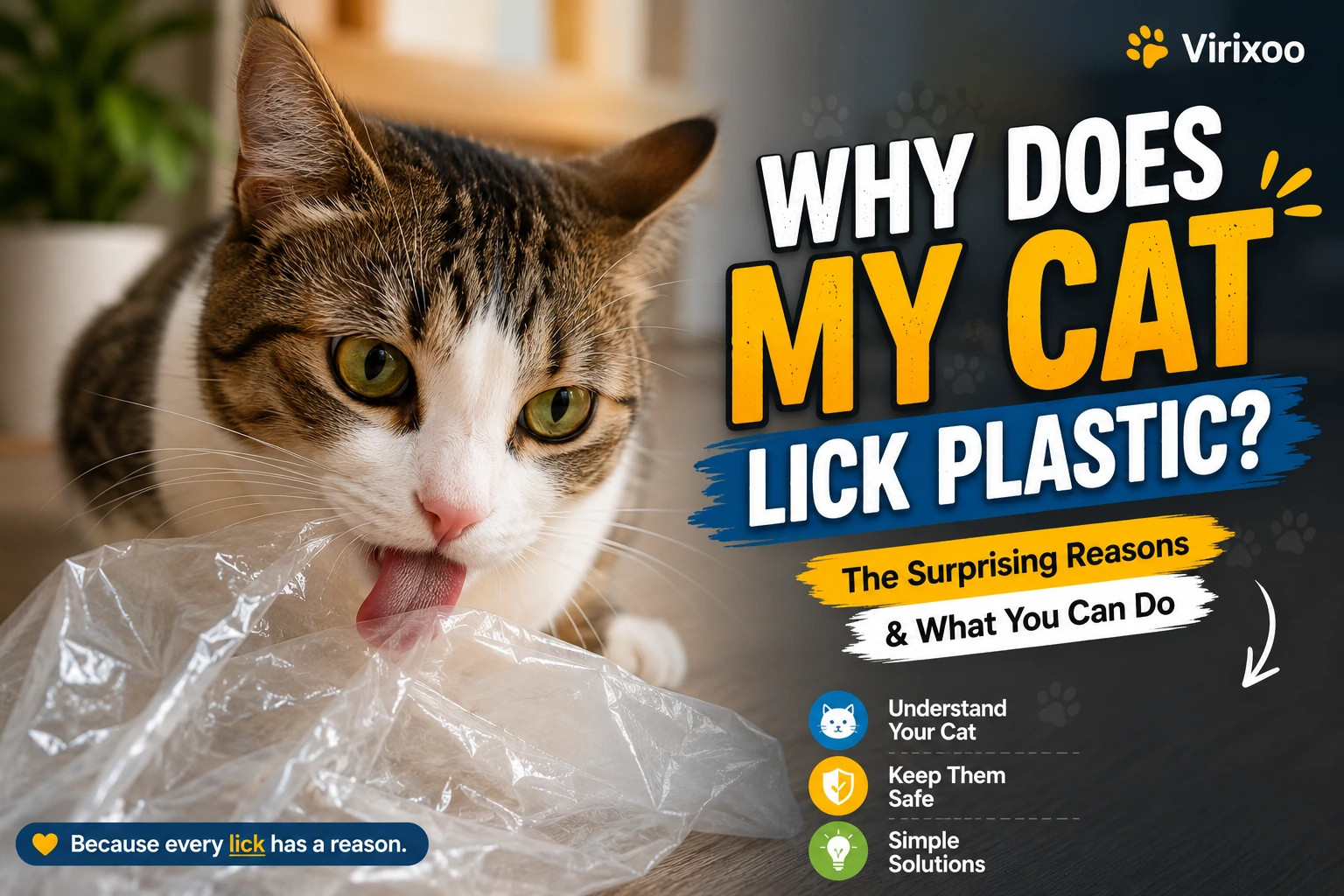
A cat licking a window may be interested in condensation, unfamiliar smells, tiny particles, or simply the smooth cool surface. Occasional investigation is usually harmless, but windows should be kept free from cleaning residues that could be unsafe to ingest.
Quick Answer
Window licking can result from moisture, scent, or curiosity. Clean the glass with pet-safe practices, prevent access to chemical residue, and provide fresh drinking water elsewhere. Persistent licking of many non-food surfaces deserves closer attention.
Why Cats May Lick Glass
Condensation
Water droplets can attract cats that enjoy licking moisture from surfaces.
Interesting Smells
Open windows, screens, hands, and outdoor air can leave scents on glass.
Texture and Temperature
Cool smooth surfaces can become part of sensory exploration.
Learned Habit
A behavior repeated often can become routine even after the original trigger changes.
Make the Area Safer
- Do not leave cleaner residue accessible.
- Keep screens and windows secure.
- Offer clean water in multiple locations.
- Redirect persistent licking to play or another activity.
Frequently Asked Questions
Why does my cat lick condensation?
The droplets provide accessible moving or fresh-feeling moisture, but a proper water source should always be available.
Is glass cleaner dangerous?
Household products vary. Keep cats away during cleaning and follow product safety directions.
What if my cat licks many unusual objects?
Repeated non-food licking or eating can justify veterinary evaluation.
When to Contact a Veterinarian
Seek advice if surface licking becomes persistent or compulsive, especially with vomiting, appetite changes, weight loss, or eating of non-food materials.
Related Virixoo Guides
Read lick Plastic. Read sniff Everything. Read sit in the Window.
Final Thoughts
Occasional window licking is often simple curiosity. Safe cleaning and access to fresh water are the most practical responses.