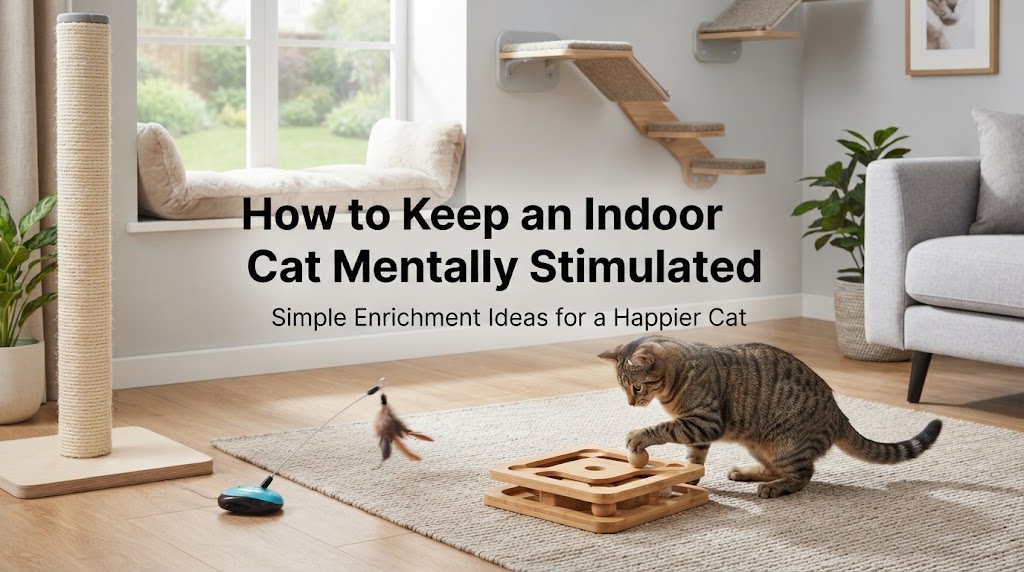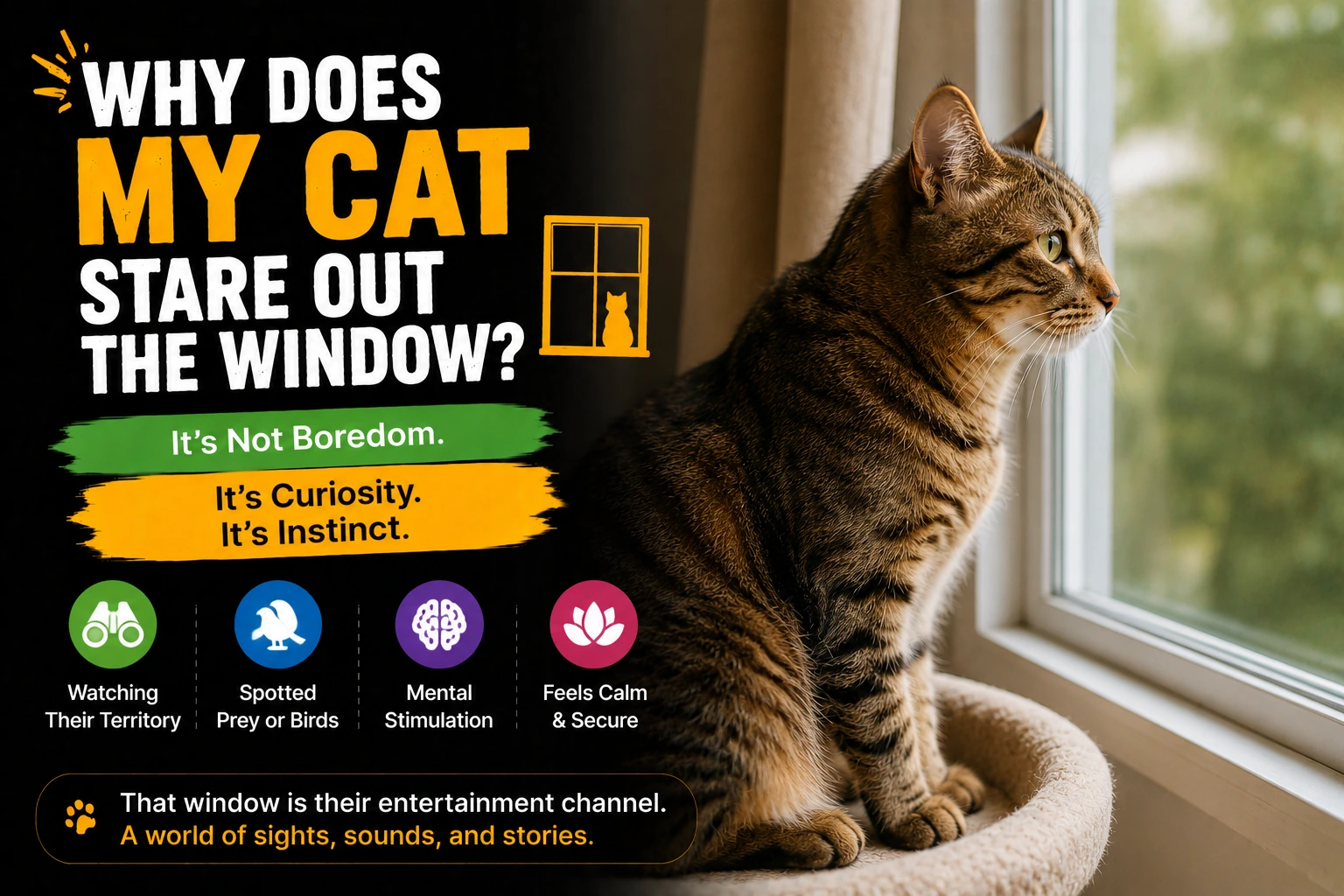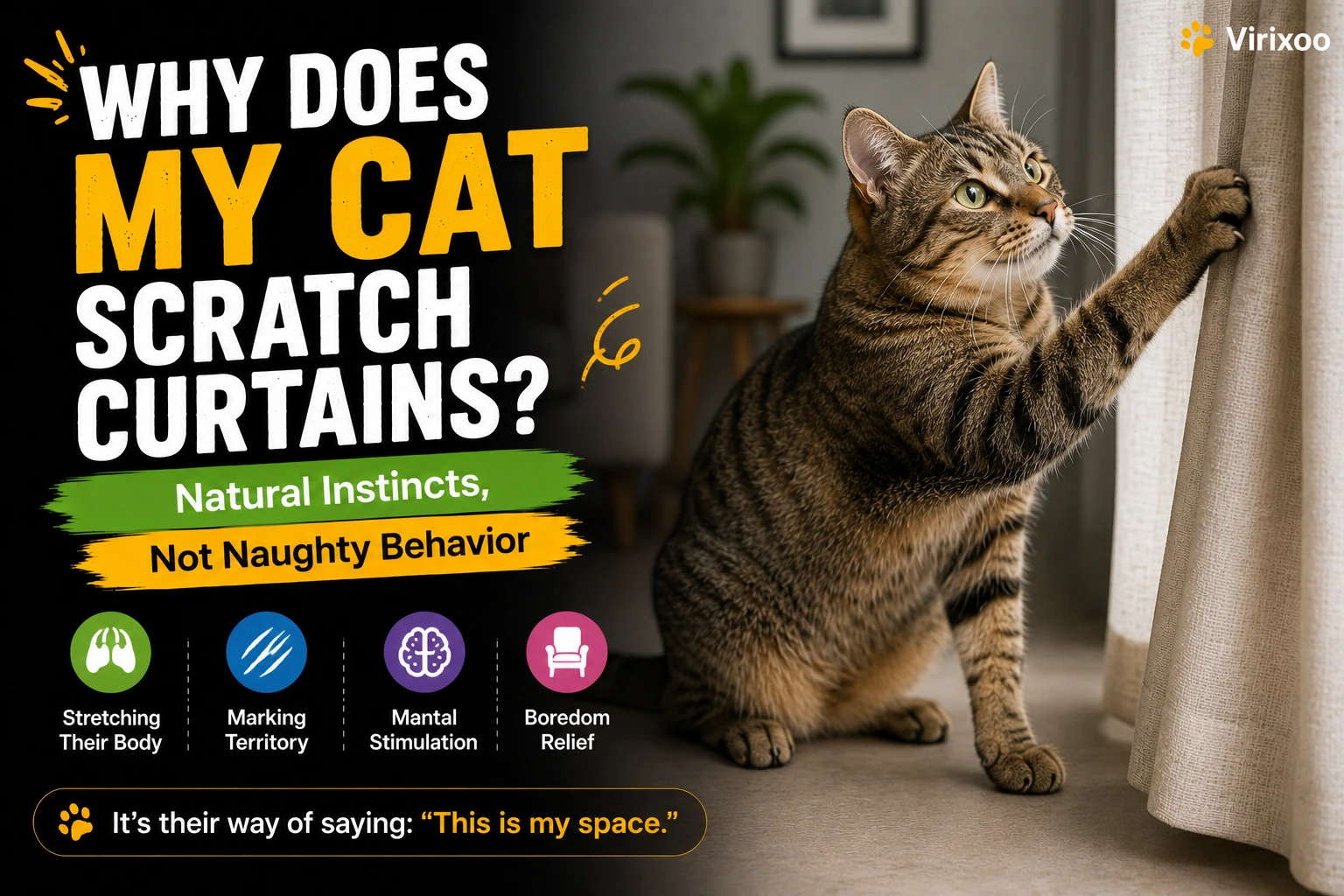

Put an empty cardboard box on the floor and many cats will investigate it within minutes. Boxes provide edges to rub against, a compact resting space, a place to hide, and an object that can be explored or played in. For indoor cats, a simple box can add useful variety to the environment.
Quick Answer
Cats often like boxes because enclosed spaces offer security, warmth, predictable boundaries, and opportunities for hiding and play. Clean cardboard boxes can be useful enrichment, but remove staples, tape loops, strings, sharp edges, and boxes contaminated with food, chemicals, or moisture.
Why Enclosed Spaces Feel Attractive
Security
A box limits the directions from which something can approach. A cat can rest while monitoring the opening.
Warmth
Cardboard can help create a cozy resting surface, especially when the box is placed away from drafts.
Play
The edge of a box makes a good place to hide before pouncing on a toy. It also changes familiar space without requiring expensive equipment.
Scratching and Scent
Cardboard has a texture some cats enjoy scratching and rubbing against.
How to Use Boxes as Enrichment
- Rotate boxes every few days.
- Cut smooth entry holes in larger boxes.
- Place one box near a window or quiet resting area.
- Create a short tunnel using multiple open boxes.
- Hide a familiar toy inside for supervised play.
Box Safety Checklist
| Check | What to Do |
|---|---|
| Staples | Remove them. |
| Tape and string | Remove loose pieces. |
| Moisture | Discard damp or moldy boxes. |
| Size | Make sure the cat can enter and leave safely. |
| Location | Keep away from unstable shelves or dangerous heat sources. |
When Hiding in Boxes Changes Suddenly
A cat that has always enjoyed boxes is different from a social cat that suddenly spends most of the day hiding. Sudden withdrawal can occur with stress or illness. Check appetite, litter box habits, movement, breathing, grooming, and interaction.
Frequently Asked Questions
Why does my cat choose a tiny box?
Some cats seem to prefer close contact with the sides. As long as the cat can enter and exit easily, the size preference is usually harmless.
Can I leave a cardboard box out all the time?
Yes if it stays clean and intact, but rotating it can make the environment more interesting.
Why does my cat chew the box?
Some cats mouth cardboard during play. Remove damaged pieces if the cat begins swallowing them and discuss persistent non-food eating with a veterinarian.
Why Boxes Work So Well as Feline Enrichment
Good enrichment gives a cat choice, control, and an opportunity to perform normal behaviors. A box can do all three. The cat can enter or leave voluntarily, observe the room from a partially enclosed space, rub against the edges, scratch the surface, hide a toy, or simply sleep. That makes a plain box surprisingly versatile.
Match the Box to the Cat
Different cats prefer different setups. A confident cat may enjoy a box in the middle of family activity, while a shy cat may choose one placed against a wall in a quiet room. Senior cats may prefer a low entry that does not require a high step. Kittens may turn a large box into a play area, but the structure should remain stable and free of loose pieces.
- Use a box large enough for easy entry and turning.
- Cut entry holes smoothly and remove sharp cardboard edges.
- Keep at least one clear exit.
- Do not stack boxes in a way that can collapse onto the cat.
- Discard boxes that become wet, moldy, heavily torn, or contaminated.
Boxes for Shy or Newly Arrived Cats
A hiding option can help a new cat control social exposure. The goal is not to pull the cat out to make it "socialize," but to create a safe base from which confidence can grow. Place food, water, litter, and resting areas so the cat can access them without being forced through a busy space.
If you recently adopted a cat, the broader setup matters more than the box alone. See how to introduce a new cat to your home for a gradual first-room plan. In multi-cat homes, the two-cat introduction guide explains why controlled distance is important.
Use Boxes for Play Without Creating Hazards
You can place a safe toy inside, cut a few large paw holes, or move a wand toy around the outside during supervised play. Avoid tying string to the box or leaving long ribbon, elastic, or tape where it can be swallowed. If your cat begins eating cardboard rather than simply shredding or mouthing it, remove damaged pieces and observe whether non-food chewing occurs elsewhere.
Cats attracted to household materials may also investigate plastic. Because plastic creates different risks, read why some cats lick plastic rather than assuming all chewing is harmless.
When Hiding Is More Important Than the Box
Enjoying enclosed spaces is normal, but a sudden change from social activity to prolonged hiding can be meaningful. Watch whether the cat still comes out to eat, drink, use the litter box, groom, and interact. A cat that hides because the room is noisy is different from a cat that remains hidden because movement is painful or it feels unwell.
Do not judge health by hiding alone. Use the change from your cat's normal behavior as the clue. Reduced appetite, weakness, abnormal breathing, vomiting, diarrhea, urinary changes, or sudden difficulty moving should lower the threshold for veterinary advice.
Rotate Enrichment Instead of Adding Clutter
More objects do not automatically create a better environment. A few well-placed resources that change periodically can be more engaging than a room full of items the cat ignores. Keep one or two favorite boxes, then rotate size, location, or play setup. Pair boxes with scratching surfaces, elevated resting areas, and short interactive play so the cat has choices rather than one repeated activity.
If a box stops being used, that is not a failure. Cats may return to it later or prefer a different location. Follow the cat's voluntary choices and keep safety more important than novelty.
Related Virixoo Guides
Read how to help a new cat settle at home. Read how to introduce two cats gradually. Read why some cats lick plastic. Read why cats knock objects over.
Final Thoughts
Boxes are inexpensive enrichment because they combine hiding, rest, scent, texture, and play. Keep them clean and safe, rotate them for novelty, and pay attention if hiding behavior changes dramatically.