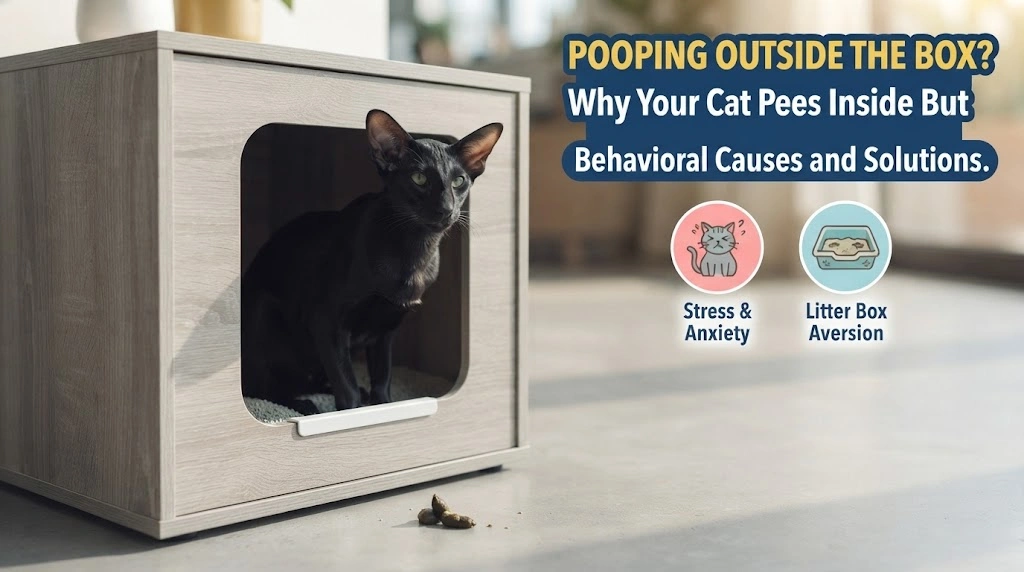

When a cat stops using the litter box, the first step is to look for a reason rather than treat the behavior as misbehavior. Litter box avoidance can be linked to the box itself, changes in the home, stress, or a medical problem that makes elimination uncomfortable.
A useful response is to check the litter box setup while also watching for changes in urination, bowel movements, appetite, activity, and behavior.
Quick Answer
If your cat is not using the litter box, keep the box clean and easy to access, review the litter and location, reduce household stress, and clean accidents thoroughly. Because sudden litter box changes can have a medical cause, contact a veterinarian if the behavior is new, persistent, or accompanied by pain, straining, blood, frequent attempts to urinate, or other concerning signs.
9 Common Causes
1. The Litter Box Is Too Dirty
Many cats are particular about cleanliness. Scoop waste regularly and wash the box as needed. If odor has built up, replacing old litter and cleaning the box may help.
2. The Box Is Hard to Reach
A box hidden behind a closed door, on a difficult floor, or far from the cat's usual living area may be inconvenient. Older or mobility-limited cats may also struggle with high sides or stairs.
3. Your Cat Dislikes the Litter
Strong scents, unusual textures, or a sudden change in litter can cause avoidance. If you recently changed products, consider returning to the previous litter or transitioning gradually.
4. There Are Too Few Boxes
A commonly used guideline is one box per cat plus one extra. Multiple boxes can be especially helpful in larger homes or households where cats need separate options.
5. The Location Feels Unsafe
Constant noise, heavy traffic, a washing machine, or another pet blocking access can make a box feel unsafe. Choose quiet locations with more than one easy route in and out when possible.
6. Household Stress Has Changed
Moving, visitors, construction, a new pet, schedule changes, or conflict between cats can affect litter box habits. Give your cat predictable routines and safe resting areas.
7. The Box Is Too Small or Covered
Your cat needs enough room to turn around, dig, and eliminate comfortably. Some cats also dislike covered boxes because they restrict visibility or trap odors.
8. A Negative Experience Changed the Association
If elimination was painful or frightening, a cat may begin avoiding the location associated with that experience. This is one reason sudden avoidance should not automatically be treated as a training issue.
9. A Medical Problem May Be Involved
Urinary discomfort, digestive problems, pain, and other health issues can change elimination behavior. A cat may associate the litter box with discomfort and begin choosing another location.
What to Do Today
- Check whether your cat is urinating and defecating normally.
- Scoop the box and make sure fresh water is available.
- Inspect the box location for noise, blocked access, or other stressors.
- Offer a clean, easy-to-enter box with familiar litter.
- Clean accident areas thoroughly with an appropriate pet-safe cleaner.
- Keep a simple record of accidents, urine or stool changes, appetite, and behavior.
How to Prevent Repeat Accidents
Keep litter boxes consistently clean and place them where your cat can reach them without being cornered. Avoid punishing accidents. Instead, improve access and remove lingering odors from previously soiled areas.
If hydration is also a concern, practical ideas are covered in these cat hydration tips.
When to Contact a Veterinarian
Contact a veterinarian promptly if your cat repeatedly strains to urinate, makes frequent attempts with little or no urine, cries while eliminating, has blood in the urine, becomes very lethargic, vomits, stops eating, or suddenly stops using the box. Inability to urinate can be an emergency, particularly in male cats.
Frequently Asked Questions
Why is my cat suddenly peeing outside the litter box?
A sudden change can have environmental, behavioral, or medical causes. Check the litter box setup and contact a veterinarian if the change is unexplained or accompanied by urinary symptoms.
Should I punish my cat for litter box accidents?
No. Punishment can increase fear and stress without teaching the desired behavior.
How many litter boxes should I have?
A commonly used starting point is one box per cat plus one extra, although individual homes may need a different arrangement.
Final Thoughts
Litter box avoidance is a signal worth investigating. Improve cleanliness and access, consider stress and litter preferences, and take sudden or persistent changes seriously because medical problems can sometimes look like behavior problems.