You enter a room and your cat rises, extends its front legs, arches gently, and then walks toward you. The stretch may simply follow a nap, but when it repeatedly happens during greetings it can also become part of a relaxed social routine.
A Stretch Is Usually a Transition, Not a Secret Message
Stretching when you appear is usually normal. Cats stretch after resting and may combine the movement with approaching, rubbing, or other greeting behaviors. Comfortable posture and normal movement are reassuring.
Why Cats Stretch Around People
Waking From Rest
If your arrival wakes the cat, stretching is a natural transition from resting to movement.
Relaxed Greeting
A loose full-body stretch can occur before a friendly approach.
Preparing to Move
Stretching extends muscles before walking, climbing, or playing.
Routine
Repeated greeting sequences can become predictable household habits.
Read the Rest of the Body
Soft eyes, neutral ears, fluid movement, and voluntary approach suggest a relaxed interaction. Stiffness, reluctance to move, limping, or pain during stretching deserves more attention.
Useful Distinctions About Greeting Stretches
Why does my cat stretch then rub against me?
The stretch may be the first step in a familiar greeting sequence.
Why does my cat stretch every time it gets up?
Stretching after rest is common in healthy cats.
Can too much stretching indicate pain?
Unusual postures or repeated stretching with discomfort, vomiting, or other symptoms should be evaluated.
When to Contact a Veterinarian
Seek advice for stiffness, limping, reluctance to jump, painful movement, repeated unusual postures, or a major change in mobility.
Watch how the cat moves after the stretch
The most useful clue comes after the stretch. A cat that rises smoothly, walks normally, rubs against you, or heads toward a familiar routine is probably combining waking up with a social greeting. A cat that stretches repeatedly but then hesitates, limps, avoids stairs, or takes longer to settle may be showing stiffness rather than enthusiasm.
This distinction matters more in older cats. Subtle mobility changes can appear as shorter jumps, reluctance to use high perches, less grooming over the back, or choosing easier routes through the home. Those changes deserve a veterinary conversation even when the cat still stretches and eats normally.
Do not turn the greeting into a test
You do not need to call the cat repeatedly or manipulate its legs to prove what the stretch means. Let the cat finish the movement and decide whether to approach. A relaxed greeting should stay voluntary. If you want to strengthen the routine, respond with the type of contact your cat already enjoys rather than forcing a belly rub, pick-up, or prolonged handling.
Related Virixoo Guides
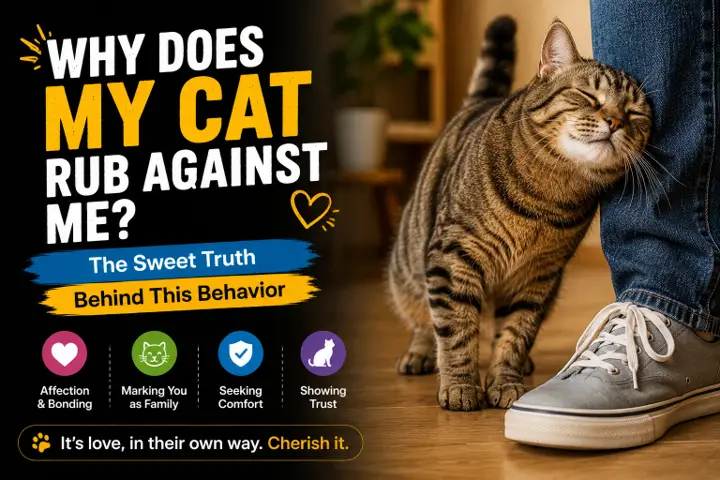
Read why cats roll onto their backs. Read why cats rub against their owner’s legs. Read why cats follow their owners everywhere.
What to Take From the Greeting
A relaxed stretch when you arrive is usually an ordinary combination of waking and social routine. Enjoy the greeting while watching for changes in comfort or movement.