Quick Answer
A persistent new odor on a cat usually has a source that can be localized to the mouth, ears, skin, rear end, urine, or a wound. Rather than covering the smell with fragrance, identify where it is strongest and look for pain, discharge, redness, moisture, or behavior changes.
Start by Locating the Source
Without restraining the cat excessively, notice whether the odor is strongest near the mouth, one ear, the coat, paws, tail base, or litter-contaminated fur. Localization immediately narrows the possibilities and gives the veterinarian more useful information than simply reporting that the cat smells bad.
Mouth Odor
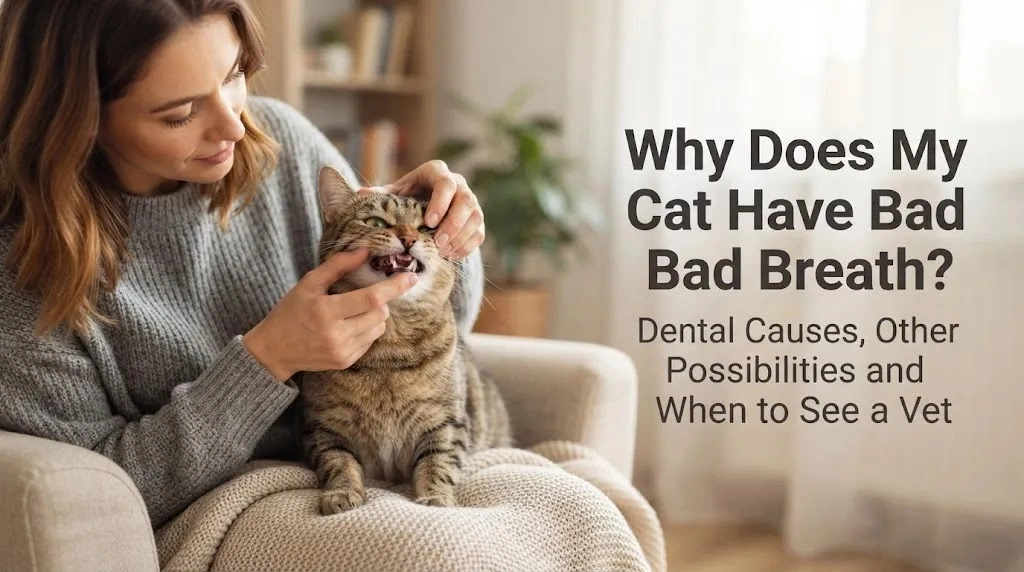
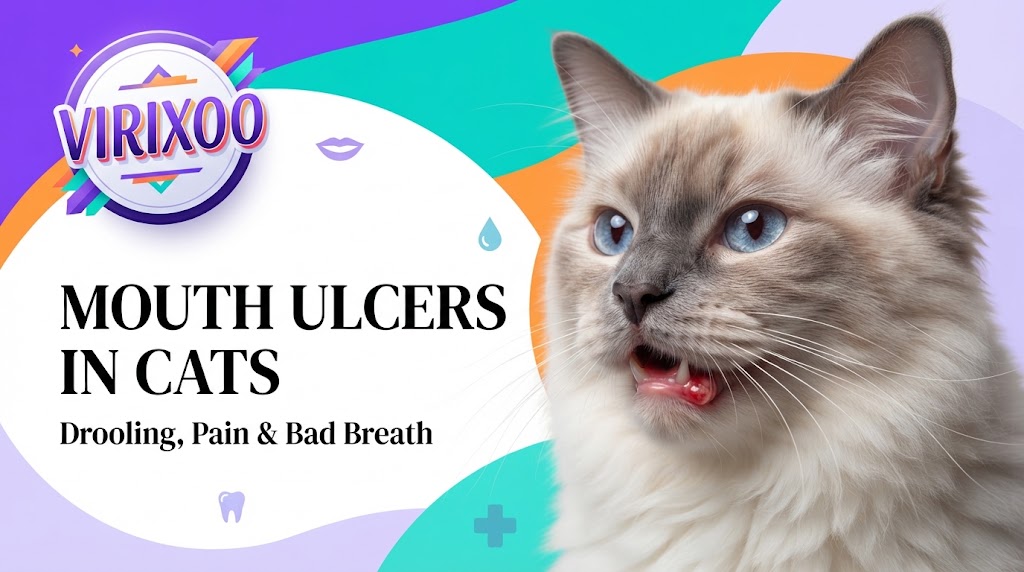
Dental disease, gingivitis, stomatitis, oral infection, and other mouth problems can cause strong breath odor. Drooling, difficulty chewing, food dropping, or pawing at the mouth increases concern for oral pain.
Ear Odor
Yeast, bacteria, mites, inflammation, or discharge can create a strong smell from an ear. Head shaking, scratching, redness, or one ear held differently are additional clues. Do not pour cleaners into a painful ear unless a veterinarian has confirmed the eardrum and recommended the product.
Skin and Wound Odor
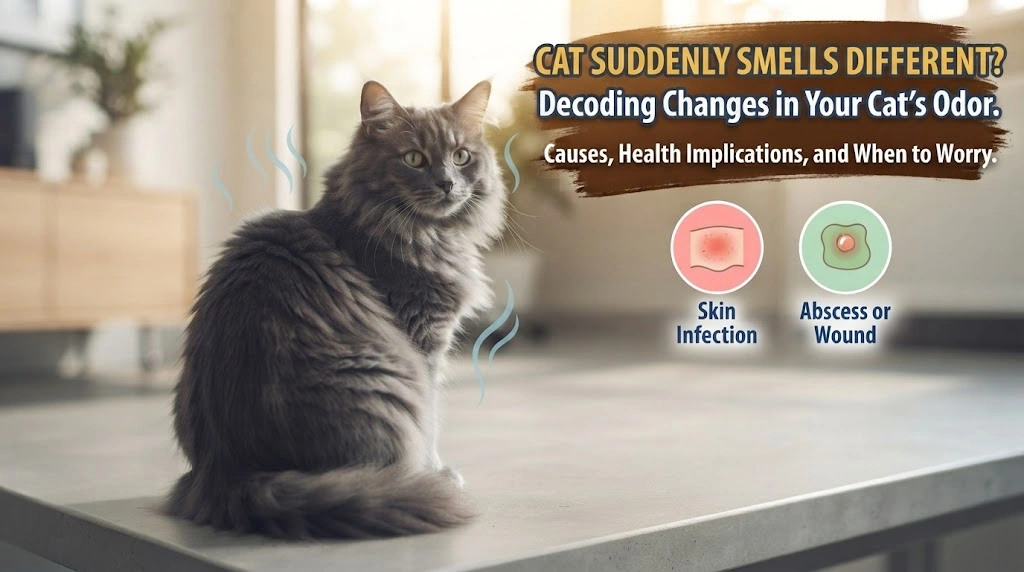
Moist dermatitis, abscesses, infected wounds, and skin-fold disease can smell unpleasant. Long-haired cats can hide draining wounds beneath the coat. If the cat is painful, feverish, lethargic, or has a swelling that begins to drain, veterinary care is appropriate.
Urine or Fecal Contamination
Older, obese, arthritic, or ill cats may stop grooming effectively and develop urine or fecal odor on the hindquarters. This can be a clue to mobility or systemic disease rather than a hygiene problem alone.
Metabolic Illness
Some systemic disorders can alter breath or body odor. A fruity breath odor in a sick diabetic cat, for example, can be associated with ketones. Odor cannot diagnose metabolic disease, but it can be a useful accompanying sign.
Avoid Perfumes and Essential Oils
Do not mask a medical odor with human perfume, scented sprays, or essential oils. Cats groom their coats and may ingest applied substances. Fragrance can also obscure the source and irritate skin or airways.
When to See a Vet
Arrange assessment when odor is new and persistent or occurs with pain, discharge, swelling, poor grooming, appetite loss, fever, vomiting, weight loss, urinary changes, or breathing abnormalities.
Anal-Area Odor Can Have Several Sources
Cats have anal sacs, and inflammation or infection around the anus can create a strong odor. Diarrhea can also soil fur, while wounds beneath the tail may drain. Scooting, licking, swelling, pain, or discharge makes a veterinary examination more useful than repeated bathing.
Why Senior Cats May Develop Odor
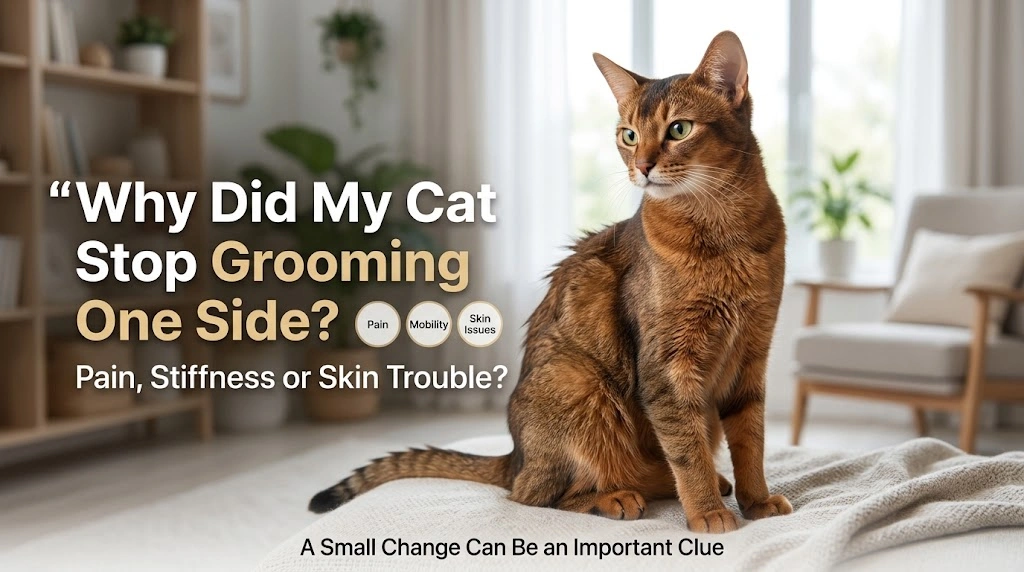
Arthritis, obesity, dental disease, cognitive changes, and systemic illness can reduce grooming efficiency. A senior cat that suddenly becomes greasy or odorous may be showing reduced mobility or wellness. The coat change should therefore be considered alongside weight, appetite, jumping, and litter-box behavior.
Safe Cleaning While Waiting
If the odor is simply from a small amount of urine or feces on the coat, gently clean with lukewarm water and a pet-safe unscented product if needed, then dry thoroughly. Avoid full bathing of a sick or stressed cat. Persistent odor from skin, ears, or wounds needs diagnosis rather than stronger cleaning.
Bottom Line
A new smell is often a localization problem: mouth, ear, skin, rear end, urine, or wound. Find the source without aggressive handling and address the cause rather than masking the odor.