Quick Answer
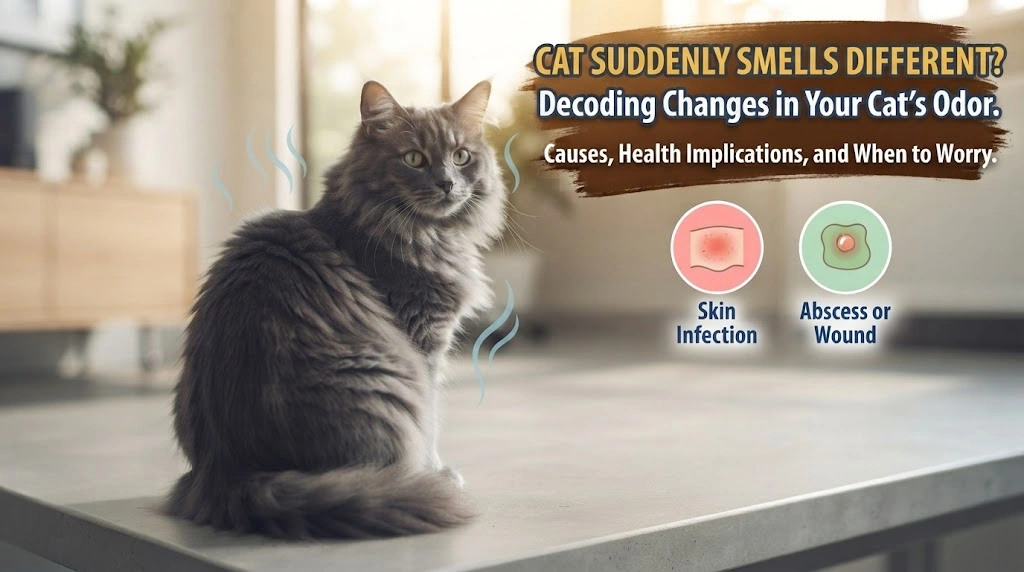
A newly sweet, fruity, or acetone-like odor on a cat’s breath can be associated with ketones and serious metabolic disease, particularly diabetic ketoacidosis. Odor alone cannot diagnose the cause, but a sick cat with this change should not be monitored casually at home.
Why Breath Odor Can Change
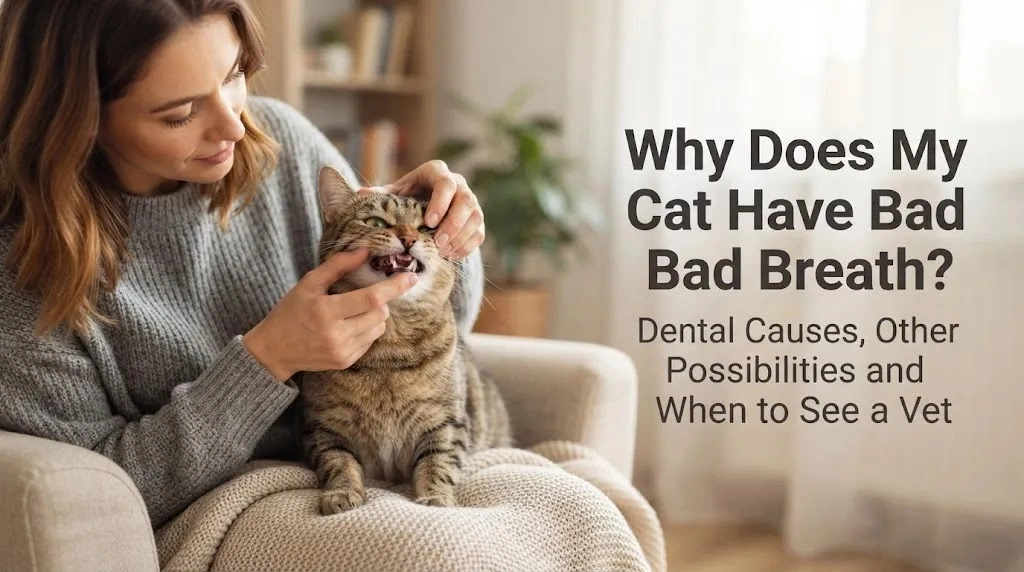
Breath reflects the mouth, respiratory tract, food, and substances circulating in the bloodstream. Dental disease commonly causes foul breath, while some metabolic disorders create a distinctly different odor. Owners are not expected to identify a disease by smell; the value is recognizing a new change from the cat’s baseline.
Why Diabetes Matters
Diabetes mellitus can cause increased thirst and urination, weight loss despite appetite, and weakness. When a diabetic cat becomes severely ill and produces excess ketones, diabetic ketoacidosis can develop. This is a medical emergency that often causes dehydration, vomiting, poor appetite, lethargy, and abnormal breathing in addition to an unusual breath odor.
Signs That Raise the Urgency
Seek urgent veterinary care if the odor occurs with repeated vomiting, refusal to eat, profound lethargy, dehydration, collapse, rapid or labored breathing, or known diabetes. A cat receiving insulin that suddenly becomes ill also needs prompt veterinary guidance rather than an unsupervised dose change.
Do Not Adjust Insulin on Your Own
If your cat is diabetic, do not double, skip, or substantially change insulin based only on breath odor. Illness can alter insulin needs, but incorrect dosing can cause dangerous hypoglycemia or allow severe hyperglycemia to continue. Contact the treating veterinarian or an emergency clinic for individualized instructions.
What the Veterinarian May Test
Testing may include blood glucose, blood or urine ketones, electrolytes, acid-base status, kidney values, urinalysis, and evaluation for an underlying trigger such as infection or pancreatitis. Treatment can require intravenous fluids, carefully managed insulin, electrolyte correction, and monitoring.
Could the Smell Come From the Mouth Instead?
Yes. Food residue, dental disease, oral infection, and other mouth problems can change breath. A veterinarian will examine the mouth as part of the assessment. The important distinction is that a fruity odor in a systemically ill cat should not be dismissed as ordinary bad breath.
What to Record Before Leaving
Note the cat’s appetite, water intake, urine output, vomiting, medications, insulin type and last dose if applicable, and any home glucose or ketone readings you already obtain as part of an established veterinary plan. Do not delay departure to collect extra measurements if the cat is clearly ill.
Why Ketones Appear
When the body cannot use glucose normally, it may break down fat rapidly for energy. This produces ketone compounds. Small amounts can occur before severe illness, but marked ketone production with dehydration and metabolic acidosis is dangerous. A veterinarian interprets ketones together with glucose, hydration, electrolytes, and the cat’s clinical condition rather than treating a home odor observation as a diagnosis.
Why an Underlying Trigger Is Often Present
Diabetic ketoacidosis may develop when diabetes is newly recognized or when an already diabetic cat develops another problem such as infection, inflammation, pancreatitis, or inadequate insulin effect. Finding and treating that trigger is part of recovery. This is why emergency treatment is broader than simply lowering the blood glucose.
What Recovery Requires
Hospitalized cats may need repeated electrolyte and glucose measurements while fluids and insulin are adjusted. Appetite, hydration, acid-base balance, and the underlying disease must improve together. After discharge, the long-term diabetes plan may need revision and follow-up testing.
Bottom Line
A sudden sweet or fruity breath odor can be an important metabolic warning sign. In a cat with diabetes or signs of systemic illness, treat it as urgent and seek veterinary care rather than trying to diagnose the odor at home.