
Dogs
2 min read
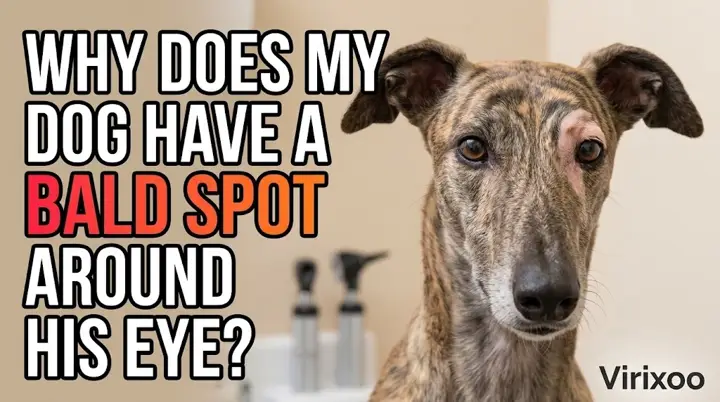
Why Does My Dog Have a Bald Spot Around One Eye?
Hair loss around one eye can result from rubbing, parasites, fungal disease, bacterial skin disease, allergies, or eye irritation that causes self...
Browse practical dog care guides covering health, behavior, training, nutrition, grooming and everyday questions.
Page 8 of 8 · 24 guides on this page
Hair loss around one eye can result from rubbing, parasites, fungal disease, bacterial skin disease, allergies, or eye irritation that causes self...

A nail may darken because of normal pigment, trauma, dried blood, infection, or nail-bed disease; a new change with pain or swelling deserves exami...

A swollen paw pad can follow trauma, burns, a foreign body, insect sting, infection, or inflammation and should be checked when painful or persistent.

Small red belly bumps can come from contact irritation, insect bites, superficial infection, allergies, or parasites; distribution and itchiness he...
Sudden doorway hesitation can reflect fear, poor vision, slippery flooring, pain, a startling past event, or a change in the environment.

Standing over a person can be a learned attention-seeking habit, a request for contact, uncertainty, guarding-related behavior, or simply a preferr...

Carrying food away before eating can reflect comfort, competition avoidance, surface preference, learned habit, or a desire to eat in a quieter loc...

Barking at a reflection often reflects novelty, arousal, uncertainty, or incomplete recognition of the visual image rather than aggression toward a...
A dog may avoid a metal bowl because of noise, reflections, movement, collar-tag contact, location, or pain that coincidentally makes eating uncomf...
Hiding treats can be normal caching behavior, especially when a dog is not hungry, values the item highly, or prefers to save it for later.

Looking back at an owner during meals can reflect social referencing, habit, uncertainty, resource concerns, or anticipation of interaction.

Avoiding tile can follow a slip, reduced traction, nail or paw pain, joint weakness, vision changes, or fear learned from a previous fall.

Carrying a favorite toy can be normal comfort, play, attention seeking, or self-soothing; concern rises when it becomes compulsive or accompanies d...

Freezing when the leash is attached can reflect fear, equipment discomfort, pain, negative associations, or uncertainty about what happens next.
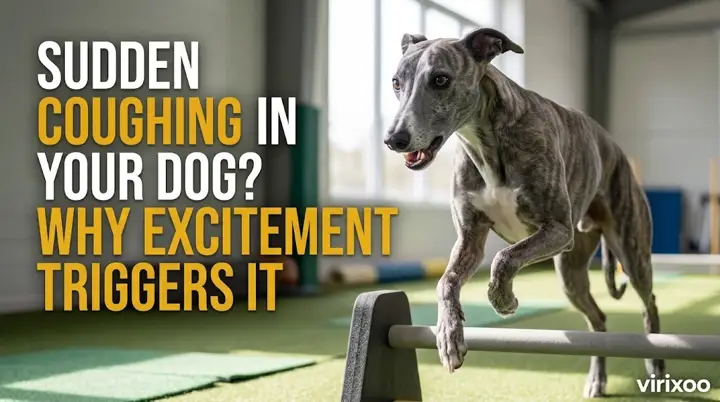
Coughing during excitement can be triggered by airway irritation or pressure, but recurrent coughing may also occur with tracheal, lung, or heart d...
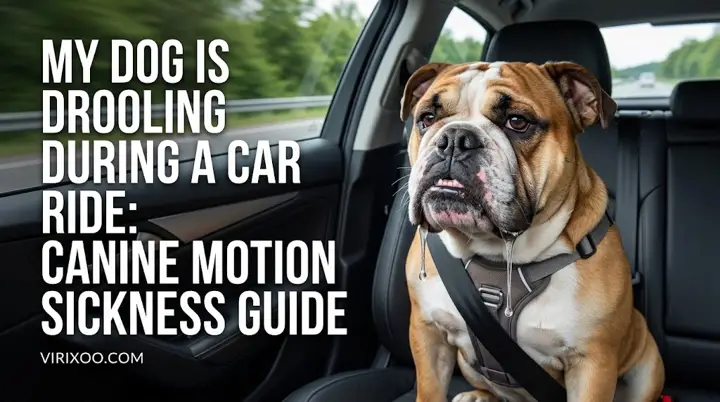
Car-only drooling commonly accompanies motion sickness, nausea, stress, or anticipation and is especially informative when it starts soon after tra...

A brief shake after drinking may be harmless, but repeated head shaking can point to water entering an irritated ear, ear disease, or discomfort ar...

Gagging after exercise can follow airway irritation, pulling against a collar, overheating, or respiratory disease and should not be dismissed when...

Nighttime panting can be caused by heat, anxiety, pain, medication effects, or medical disease; a new persistent pattern deserves assessment, espec...

Whining when lowering the head to a bowl can indicate neck, back, shoulder, mouth, or dental pain rather than simple pickiness.

Stumbling during tight turns can reveal balance, neurologic, orthopedic, vision, or weakness problems that may be less obvious during straight walk...

Avoiding one side can reflect joint, rib, abdominal, skin, ear, or other localized pain, particularly when the preference is new and consistent.

Nighttime crying can be related to pain, gastrointestinal or urinary needs, anxiety, cognitive changes, or another problem that interrupts sleep.

Stopping mid-walk and looking back can be communication or checking in, but a new repeated pattern may also signal pain, fatigue, fear, heat, or en...
Start with the guide that best matches your question. Virixoo helps you understand common causes, safe next steps and warning signs. For urgent, severe or persistent symptoms, seek veterinary care.