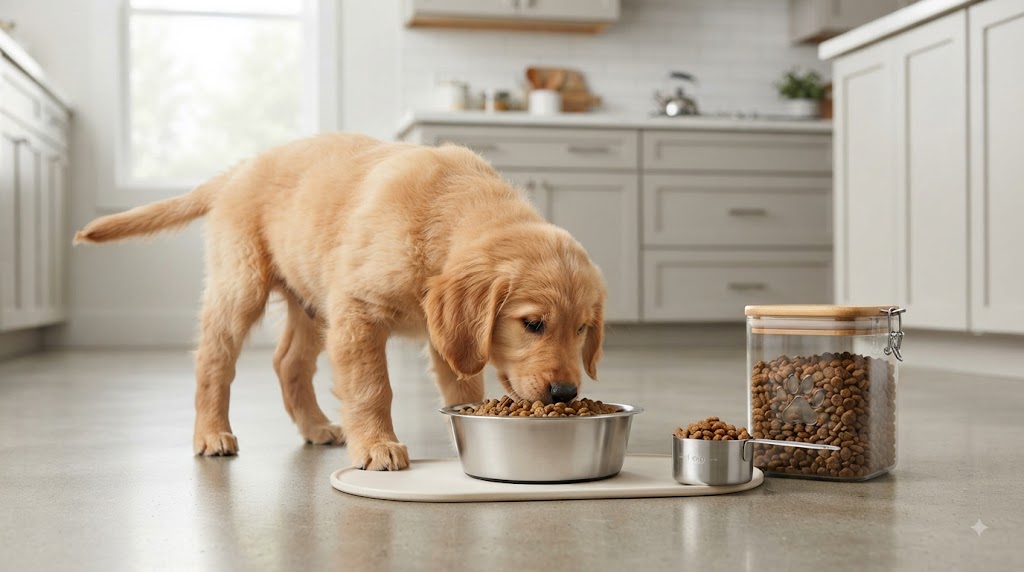
There is no single amount of food that is correct for every puppy. Feeding needs depend on age, expected adult size, activity, growth rate, the calorie density of the food, and individual health.
Quick Answer
Start with the feeding guidance on a complete puppy food that is appropriate for your puppy's growth stage and expected adult size, divide the daily amount into suitable meals, and monitor body condition and growth. Adjustments should be discussed with a veterinarian when growth or weight is not progressing as expected.
What Determines a Puppy’s Food Needs?
- Age and growth stage.
- Expected adult size.
- Current body condition and weight.
- Activity level.
- Food calorie density.
- Health and growth requirements.
Feeding by Age
Very Young Puppies
Young puppies often need frequent meals because their stomach capacity is limited. Exact feeding schedules should reflect the puppy's age, size, and veterinary guidance.
Growing Puppies
As puppies mature, meal frequency can usually be reduced while maintaining appropriate total daily nutrition. Follow the food label as a starting point and monitor the puppy's body condition.
Older Puppies Approaching Adulthood
Growth rate changes as puppies get older. Large-breed puppies in particular have specialized nutritional considerations, so use a food designed for their growth needs and discuss feeding with your veterinarian.
How to Measure Portions
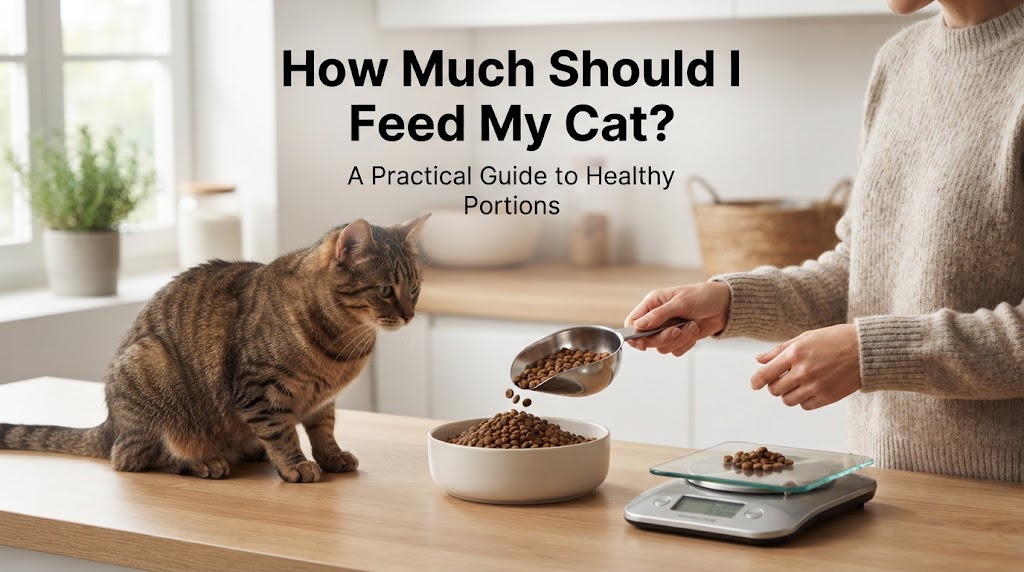
Use a consistent measuring method rather than guessing. Because foods vary in calories per cup or gram, compare the feeding guide and calorie information on the actual product you are using.
How to Tell If the Amount Is Right
Body condition and growth trends are more useful than one number on the scale. A puppy should grow steadily without becoming excessively thin or carrying excessive body fat. Regular veterinary growth checks are especially useful during rapid development.
Treats and Extras
Treats, chews, toppers, and table foods can add calories. Keep extras modest and account for them when assessing the overall diet. Avoid foods that are unsafe for dogs.
Common Feeding Mistakes
- Using one portion size for every puppy.
- Ignoring calorie differences between foods.
- Free-feeding without monitoring body condition.
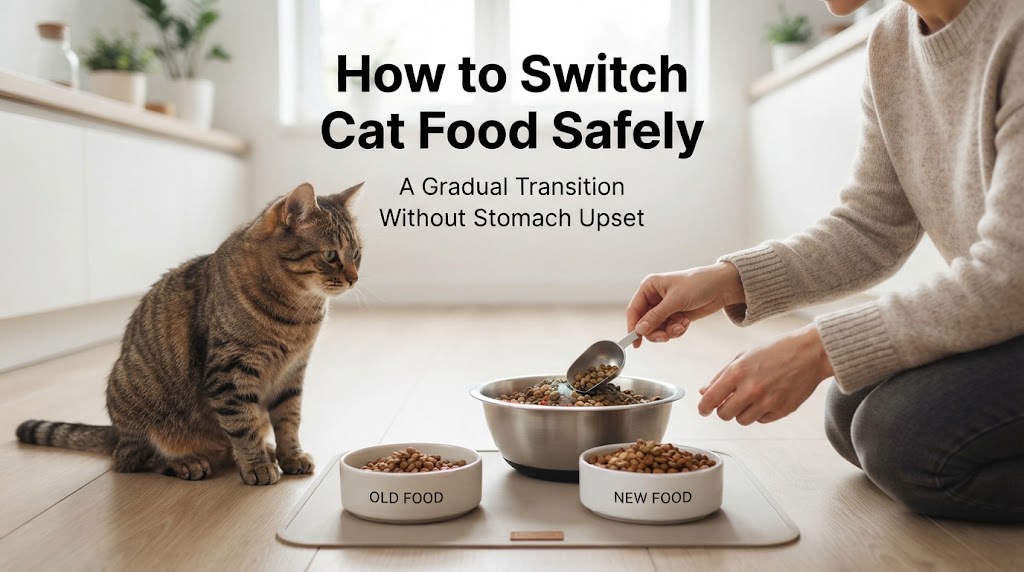
- Changing foods abruptly.
- Overusing treats during training.
When to Ask a Veterinarian
Ask your veterinarian if your puppy is losing weight, growing unusually slowly or rapidly, has persistent diarrhea or vomiting, shows poor appetite, or has a body condition that concerns you. Puppies can change quickly, so persistent feeding problems deserve attention.
Frequently Asked Questions
How many times a day should a puppy eat?
Meal frequency depends on age and size. Younger puppies generally need more frequent meals, while older puppies can often transition to fewer meals.
Should I feed my puppy based on weight alone?
No. Weight is only one factor. Food calorie density, age, expected adult size, activity, and body condition also matter.
Can I use adult dog food for a puppy?
Puppies generally need a complete diet formulated for growth. Choose food appropriate to the puppy's life stage and expected size.
Final Thoughts
The best answer to how much a puppy should eat is an individualized feeding routine based on a suitable growth diet, measured portions, body condition, and regular monitoring. Use label guidance as a starting point and seek veterinary advice when growth is not on track.