Car sickness in dogs can involve true motion-related nausea, fear of the vehicle, or both. Puppies are commonly affected, but any dog can develop travel problems. The most useful first step is to identify whether signs begin before the car moves, only during motion, or after longer trips.
Quick Answer
Start with very short positive sessions around a stationary car, then progress to brief drives. Secure your dog safely, keep the cabin cool and well ventilated, and avoid turning every ride into a long stressful journey. If your dog repeatedly vomits, drools heavily, or becomes distressed, ask your veterinarian about motion-sickness and anxiety management.
Common Signs of Car Sickness
- Excessive drooling.
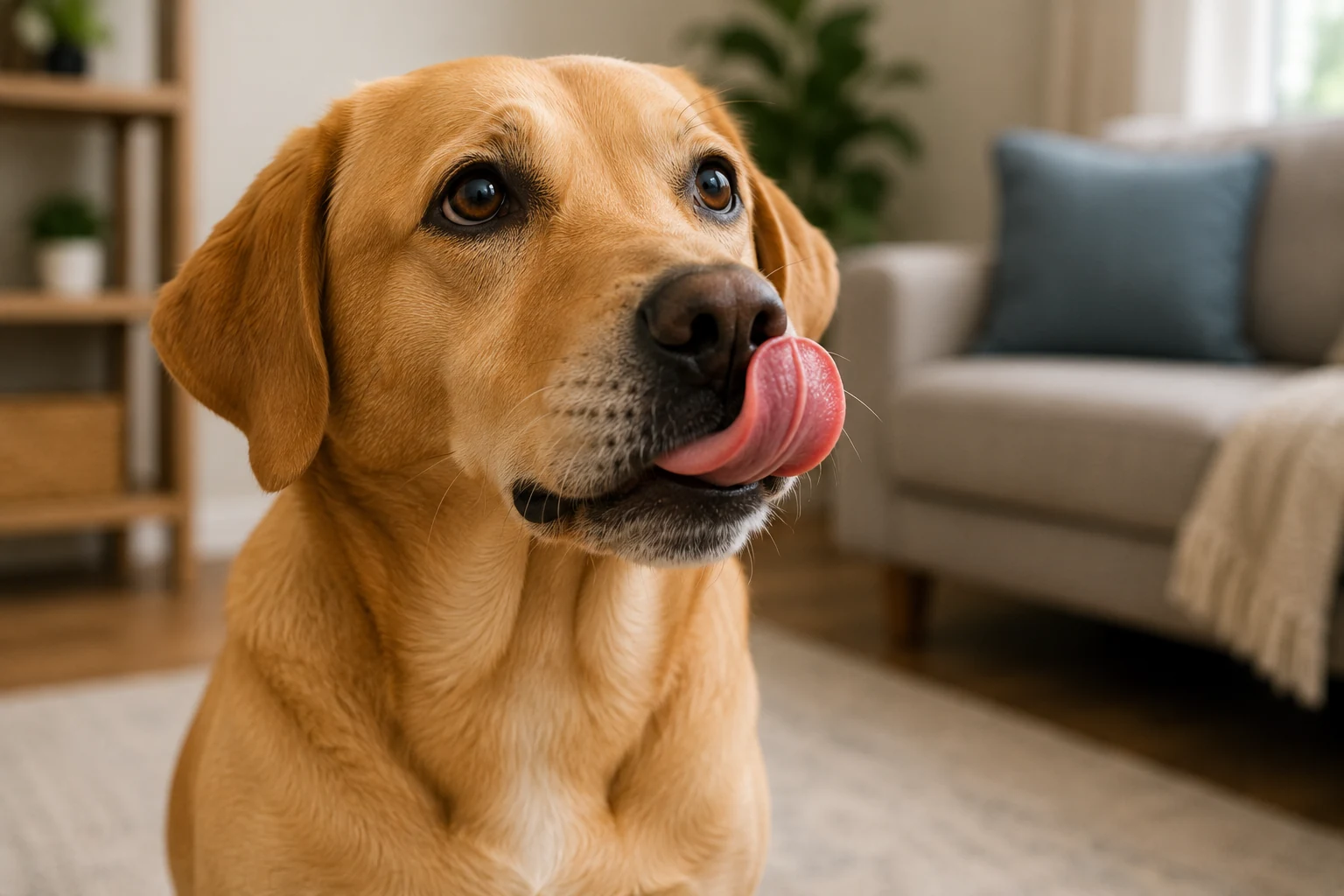
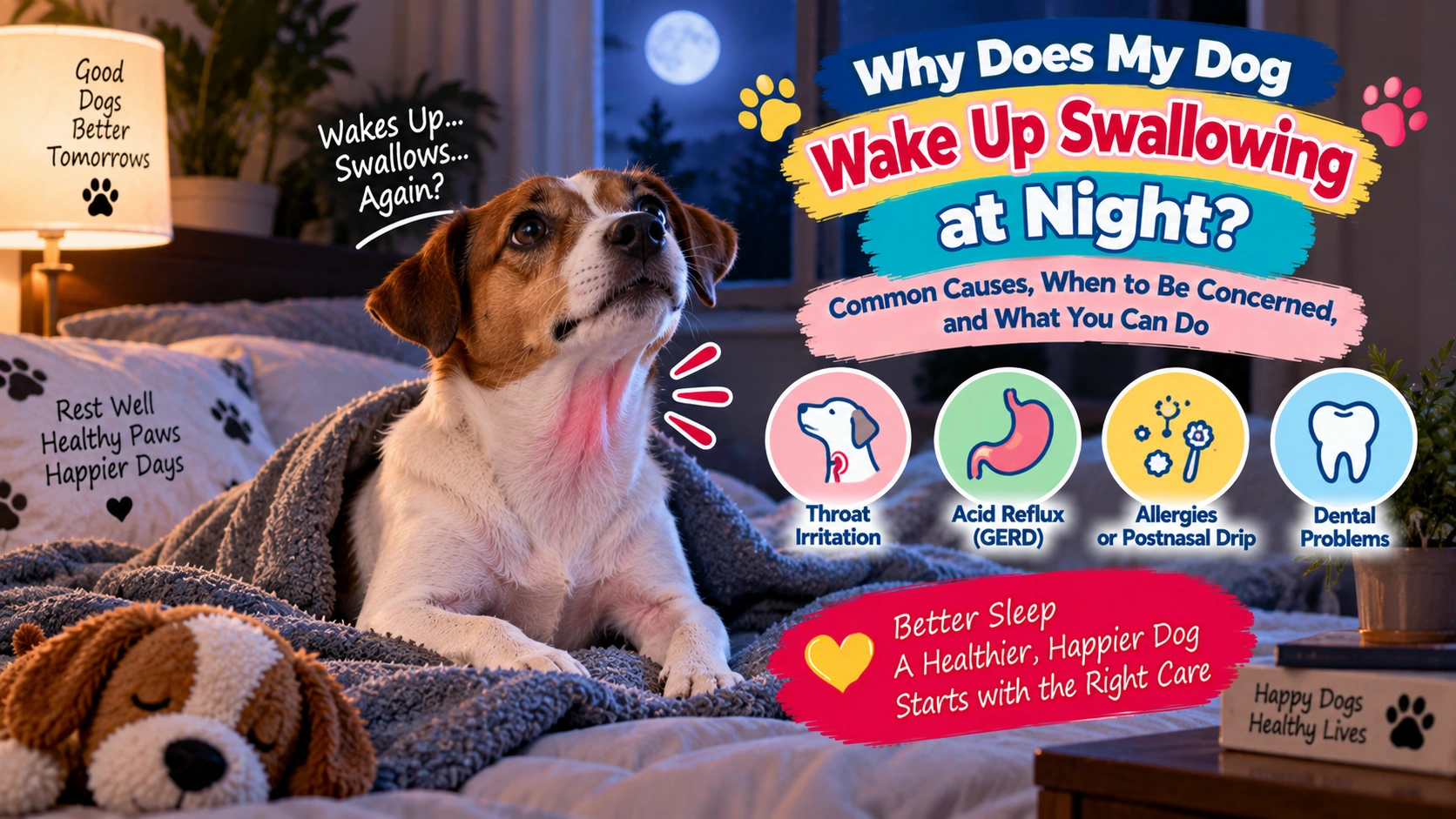
- Lip licking or repeated swallowing.
- Whining, pacing, or inability to settle.
- Yawning.
- Vomiting.
- Reluctance to approach the vehicle.
- Trembling before or during travel.
Motion Sickness vs. Car Anxiety
A dog that becomes nauseated only once the vehicle moves may have a stronger motion component. A dog that trembles, hides, or refuses to enter the car before the engine starts may have learned to fear the vehicle or what it predicts. Both can occur together.
Rebuild the Car in Small Steps
- Reward calm behavior near the parked car.
- Feed treats or a small part of a meal near the open door without forcing entry.
- Practice sitting in the stationary car for a few seconds.
- Start the engine briefly while remaining parked.
- Take a very short drive and return home.
- Gradually increase duration only while the dog remains comfortable.
Keep Travel Physically Comfortable
Use appropriate restraint or a secured crate so the dog is not sliding around the vehicle. Keep airflow comfortable and avoid overheating. Smooth driving, gentle turns, and gradual stops may also reduce nausea.
Food Before Travel
Feeding strategy should be individualized. Cornell University’s travel guidance notes that some dogs with motion sickness may benefit from avoiding a full meal for several hours before travel. Puppies, dogs with medical conditions, and dogs taking medication may have different needs, so ask your veterinarian before changing feeding around trips.
When Medication May Help
Veterinarians can prescribe anti-nausea or anxiety medication when appropriate. Do not give human travel-sickness medicine without veterinary guidance because product ingredients and dosing differ, and sedation does not necessarily treat nausea.
When Vomiting Needs More Than Travel Training
If vomiting also happens away from the car, becomes frequent, includes blood, prevents water from staying down, or occurs with weakness, abdominal pain, diarrhea, or appetite loss, investigate the broader medical picture. Read Why Is My Dog Vomiting?.
Related Virixoo Guides
For drooling outside travel, see Why Is My Dog Drooling So Much?. For trembling linked to fear or nausea, read Why Is My Dog Shaking or Trembling?. If travel fear resembles broader anxiety, see How to Help a Dog With Separation Anxiety.
Trusted Reference
Cornell University’s Riney Canine Health Center recommends gradual travel preparation and notes that dogs with drooling or vomiting during travel should be discussed with a veterinarian, who can advise on anti-nausea medication when needed.
FAQ
Do puppies grow out of car sickness?
Some improve with age and positive travel experience, but persistent vomiting or severe fear should not simply be waited out.
Should I let my dog ride with its head out the window?
That is not a safe strategy for motion sickness because debris, falls, sudden stops, and restraint problems can cause injury.
What if my dog only gets sick on long trips?
Build duration gradually and discuss the pattern with your veterinarian before an unavoidable long journey.
Bottom line: Treat car sickness as both a comfort and learning issue. Make trips short and predictable, secure the dog safely, and use veterinary support when nausea or fear remains significant.