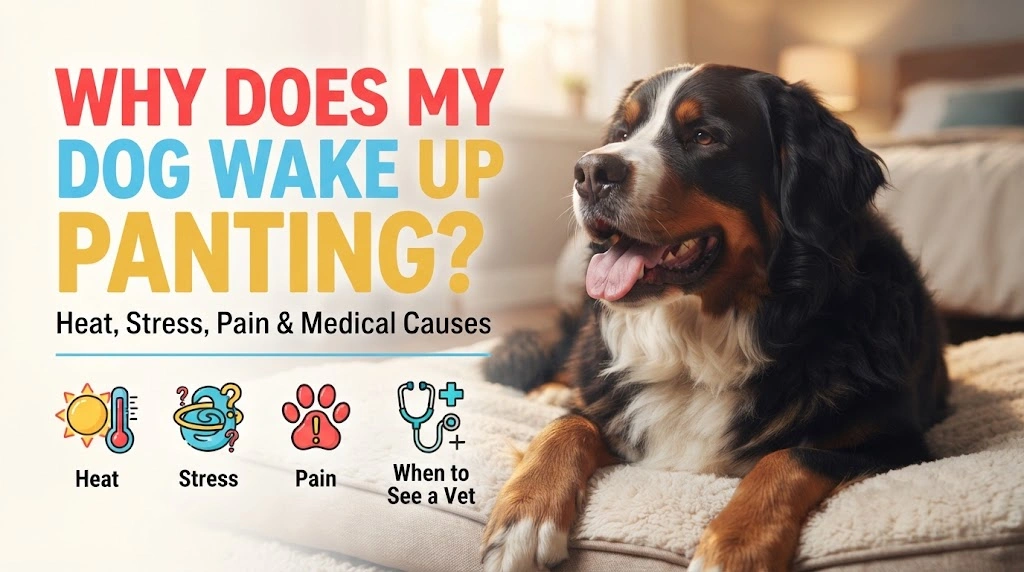
Dogs can overheat quickly because they rely heavily on panting to release heat, and hot weather becomes especially risky when humidity, exercise, poor ventilation, or underlying disease reduces cooling. Prevention is far safer than waiting for a dog to look dangerously overheated.
Quick Answer
Exercise during cooler parts of the day, provide constant access to fresh water and shade, avoid hot enclosed spaces, and shorten activity when conditions are uncomfortable. Never leave a dog in a parked vehicle. Stop activity immediately if your dog develops extreme panting, weakness, confusion, vomiting, collapse, or obvious breathing difficulty.
Plan Walks Around Heat, Not Your Usual Schedule
Morning and evening are often safer than the hottest part of the day. Humidity matters because panting becomes less efficient when evaporation is limited. A route that is comfortable in spring may be excessive during a heat wave.
Know Which Dogs Need Extra Caution
Brachycephalic dogs, seniors, puppies, dogs with obesity, heavy coats, heart disease, respiratory disease, or poor fitness may tolerate heat less well. Dogs taking certain medications or recovering from illness may also need a more conservative plan.
Water and Shade Are Basic, Not Optional
Fresh drinking water should be available, and outdoor dogs need reliable shade that remains shaded as the sun moves. Do not intentionally restrict water to reduce bathroom breaks. If your dog is drinking dramatically more than normal even in comfortable conditions, read Why Is My Dog Drinking So Much Water?.
Watch the Surface Under the Paws
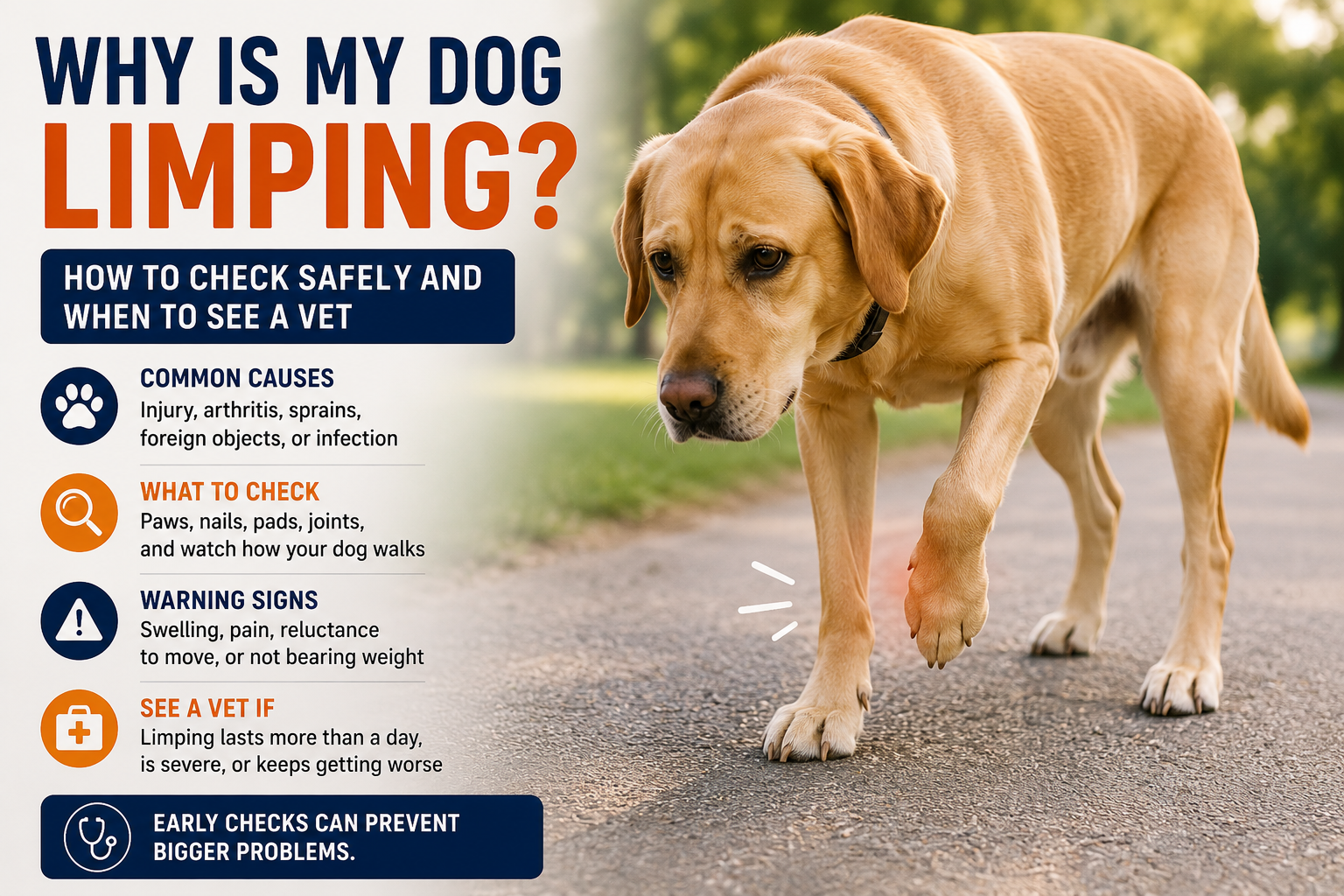
Pavement, metal, sand, and artificial surfaces can become much hotter than the surrounding air. Choose shaded or cooler walking surfaces where possible. Paw licking or limping after a hot walk may indicate irritation or injury; see Why Does My Dog Lick His Paws?.
Cooling After Activity
Move the dog to a cooler environment and stop exercise. Offer water without forcing drinking. Fans and cool—not ice-cold—water can help with initial cooling while veterinary help is arranged when heat illness is suspected. Severe overheating is a medical emergency, and aggressive home treatment should not delay professional care.
Heatstroke Warning Signs
- Extreme or worsening panting.
- Heavy drooling.
- Weakness or unsteady walking.
- Vomiting or diarrhea.
- Confusion or inability to settle.
- Collapse.
- Abnormal gum color or severe breathing effort.
Normal Panting vs. Dangerous Heat Stress
| Pattern | Response |
|---|---|
| Panting after mild exercise that settles with rest | Cool environment, water, observation |
| Panting that remains intense in a cool place | Stop activity and assess urgently |
| Weakness, vomiting, confusion, collapse | Emergency veterinary care |
| Blue/gray gums or severe breathing difficulty | Immediate emergency care |
Never Leave a Dog in a Parked Vehicle
Vehicle interiors can heat rapidly, even when the weather does not feel extreme. Cracked windows are not a reliable safety measure. Plan errands so your dog is not left unattended in a vehicle.
Related Virixoo Guides
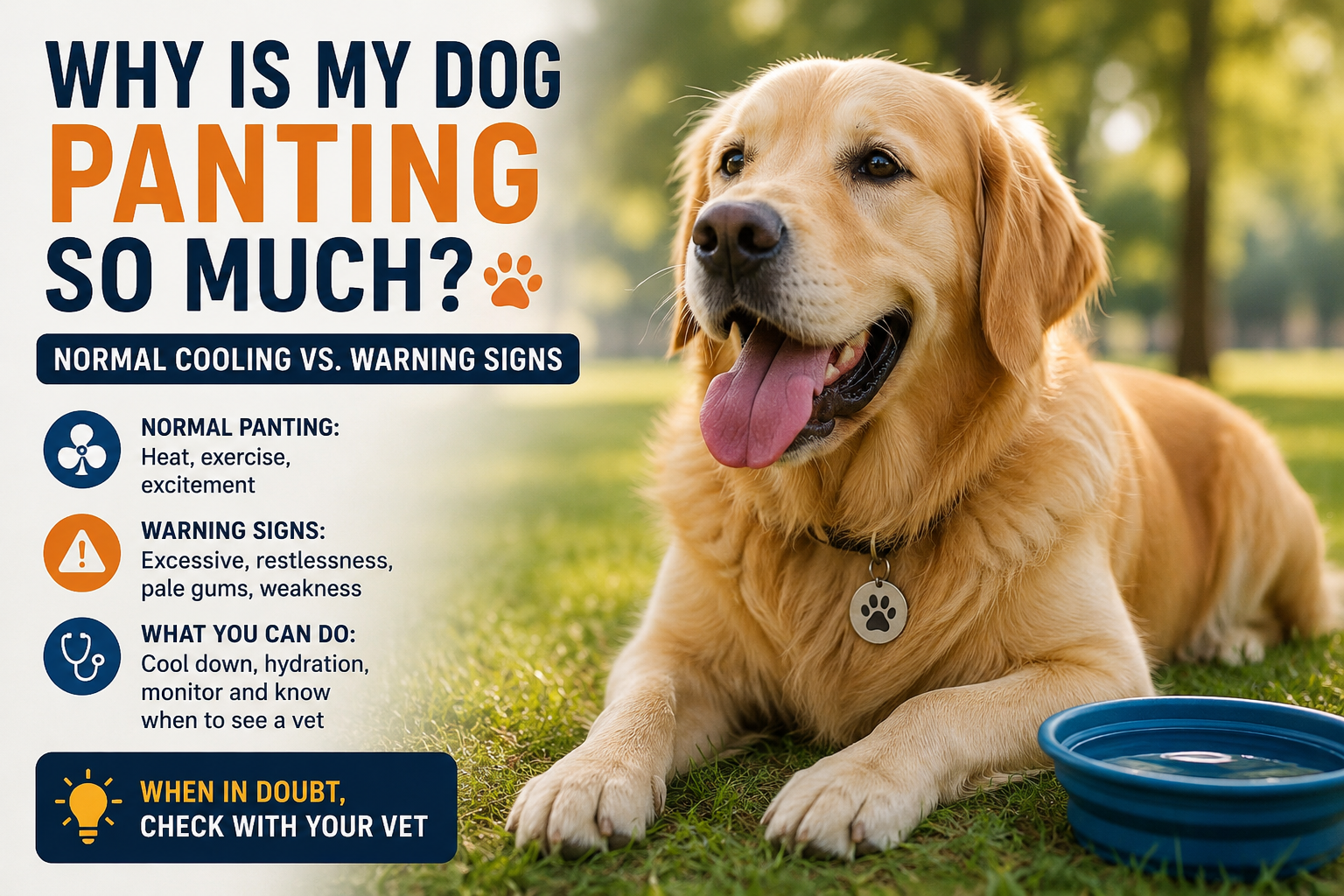
For excessive panting, read Why Is My Dog Panting So Much?. To adjust activity safely, see How Much Exercise Does a Dog Need?. If your dog begins limping after activity, see Why Is My Dog Limping?.
Trusted References
Cornell University’s Riney Canine Health Center provides dog heat-safety guidance and identifies heatstroke as a medical emergency when signs such as weakness, vomiting, severe panting, or collapse develop.
FAQ
Should I shave my dog in summer?
Coat type matters. Shaving is not appropriate for every dog and can affect skin protection or coat function. Ask your groomer or veterinarian what is suitable for your dog’s coat.
Can dogs exercise in hot weather if they drink plenty of water?
Water is important but does not eliminate heat risk. Temperature, humidity, intensity, breed, fitness, and health still matter.
Is heavy panting always heatstroke?
No, but heavy panting that does not settle, especially with weakness, vomiting, confusion, or collapse, should be treated seriously.
Bottom line: Heat safety is mostly prevention: cooler timing, less intensity, shade, water, ventilation, and early recognition of abnormal panting or weakness.