Home
›
Dogs Care Guides › Page 5
Refusing to go outside at night can reflect darkness, noises, wildlife, weather, a past scare, or physical discomfort. Learn how to identify the tr...
Door scratching may communicate a toilet need, desire for access, response to outside sounds, learned reinforcement, or separation distress.
Resting a head on you is usually a social or comfort behavior. Learn how context distinguishes affection, attention seeking, reassurance, and unusu...
Sleeping on top of you is commonly driven by warmth, closeness, habit, and a preference for a soft resting place. Learn when boundaries may help.
Waiting outside the bathroom is usually a routine or proximity behavior. Learn how attachment, curiosity, expectations, and separation distress dif...
Stretching in front of you is often a normal post-rest stretch, greeting ritual, or transition into activity. Repeated prayer-like posturing with i...
A bow when your dog sees you is commonly a play invitation or excited greeting. Body language and what happens next help distinguish a play bow fro...
Brief twitching or kicking during sleep is often associated with normal dreaming, but prolonged, violent, or unusual episodes—especially with abnor...
Some dogs appear to sleep with partly open eyes during light or REM sleep, but persistent inability to close an eye, redness, discharge, cloudiness...
A tongue peeking out during relaxed sleep can be harmless, especially in some short-muzzled dogs or dogs with missing teeth. A new persistent chang...
Face rubbing after eating may be simple muzzle cleaning, but repeated vigorous rubbing can point to dental pain, food trapped in the mouth, or irri...
Pawing repeatedly at the face often means something is uncomfortable around the eye, ear, mouth, or skin. The side involved and accompanying signs...
Gagging immediately after gulping water can follow very fast drinking or brief throat irritation, but recurrent episodes may reflect swallowing or...
Some dogs simply like to rest with the head raised, but a new insistence on an elevated sleeping position can matter when it appears with coughing...
Dogs may wake panting because they are warm, excited from a dream, anxious, painful, or affected by a medical problem. Repeated unexplained nightti...
Why dogs carry kibble or mouthfuls away from the bowl, how to distinguish a harmless preference from stress or mouth pain, and how to make meals ca...
Understand why dogs paw, splash, or dig in a water bowl, how play, heat, stress, and the bowl setup can contribute, and when a change in thirst nee...
A practical guide to reduced water intake in dogs, including safe hydration checks, common reasons a dog may drink less, warning signs of dehydrati...
Learn why dogs and puppies get hiccups, which everyday triggers are usually harmless, what owners can do safely, and which unusual symptoms need ve...
Understand why mucus may appear in dog stool, what stool color and accompanying symptoms can reveal, when monitoring may be reasonable, and when ve...
Learn what pale gums can mean in dogs, how to compare gum color safely with your dog's normal baseline, and which accompanying signs require urgent...
Learn why a dog may suddenly squint one eye, what you can check safely at home, why leftover eye drops can be risky, and which eye signs need urgen...
Use a safe step-by-step approach to a swollen dog paw, including what to inspect, common causes such as stings and nail injuries, and warning signs...
Learn why a dog's bark may become hoarse, weak, or disappear, how vocal strain differs from airway disease, and which breathing or swallowing signs...
Learn why a dog's nose may change from black or brown to lighter shades, how seasonal fading differs from inflamed skin disease, and which nose cha...
A practical way to tell whether a dog that suddenly stops on walks is reacting to pain, fear, heat, equipment, or something in the environment.
Learn why dogs grab or bite the leash during walks, which triggers commonly cause it, and how to teach a safer replacement behavior without turning...
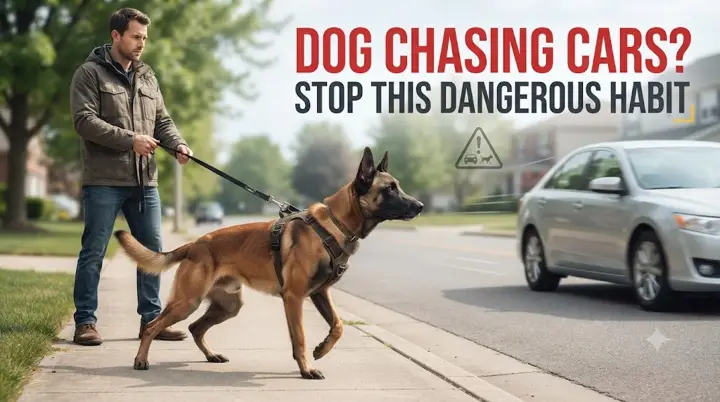
Why dogs chase moving vehicles and how to build a safer roadside management and training plan before the behavior turns into an accident.
How to tell whether a dog that avoids a harness is reacting to poor fit, painful handling, fear, or a learned association, and how to rebuild coope...
Learn when chasing shadows, laser-like reflections, or moving light is harmless curiosity and when repetitive fixation may need behavioral or veter...
No matching guides found on this page. Use site search to search the full Virixoo library.
How to use these guides
Start with the guide that best matches your question. Virixoo helps you
understand common causes, safe next steps and warning signs. For urgent,
severe or persistent symptoms, seek veterinary care.