
Lethargy means more than simply taking a long nap. A lethargic dog has noticeably less energy, interest, or responsiveness than usual and may move slowly, avoid normal activities, sleep excessively, or seem “not themselves.” Because lethargy can accompany many different illnesses, the most useful approach is to compare your dog with their normal behavior and look for additional signs.
Quick Answer
If your dog is unusually quiet but wakes easily, eats normally, drinks normally, walks comfortably, and has a clear reason to be tired—such as a busy day—short observation may be reasonable. Contact a veterinarian when low energy is unexplained, persists, repeatedly returns, or occurs with vomiting, diarrhea, appetite loss, pain, pale gums, coughing, breathing changes, abnormal thirst, weakness, shaking, or difficulty walking. Collapse, severe breathing difficulty, seizures, a swollen painful abdomen, or inability to stand requires urgent care.
Tired vs. Lethargic: What Is the Difference?
A tired dog usually has an explanation and remains normally responsive. After exercise, boarding, travel, training, or an unusually exciting day, a dog may sleep deeply but still perk up for food, a favorite person, or a walk. A lethargic dog often lacks enthusiasm even when something normally exciting happens. The dog may move slowly, hide, seem weak, or refuse usual activities.
Signs That Suggest True Lethargy
- Sleeping much more than normal without a clear reason.
- Not getting up for meals, walks, play, or greetings.
- Moving slowly or appearing weak.
- Hiding in an unusual place.
- Delayed response to familiar sounds or cues.
- Reduced interest in food, water, toys, or social contact.
- Low energy combined with another physical symptom.
Common Reasons a Dog May Become Lethargic
1. A Busy Day, Heat, or Physical Exertion
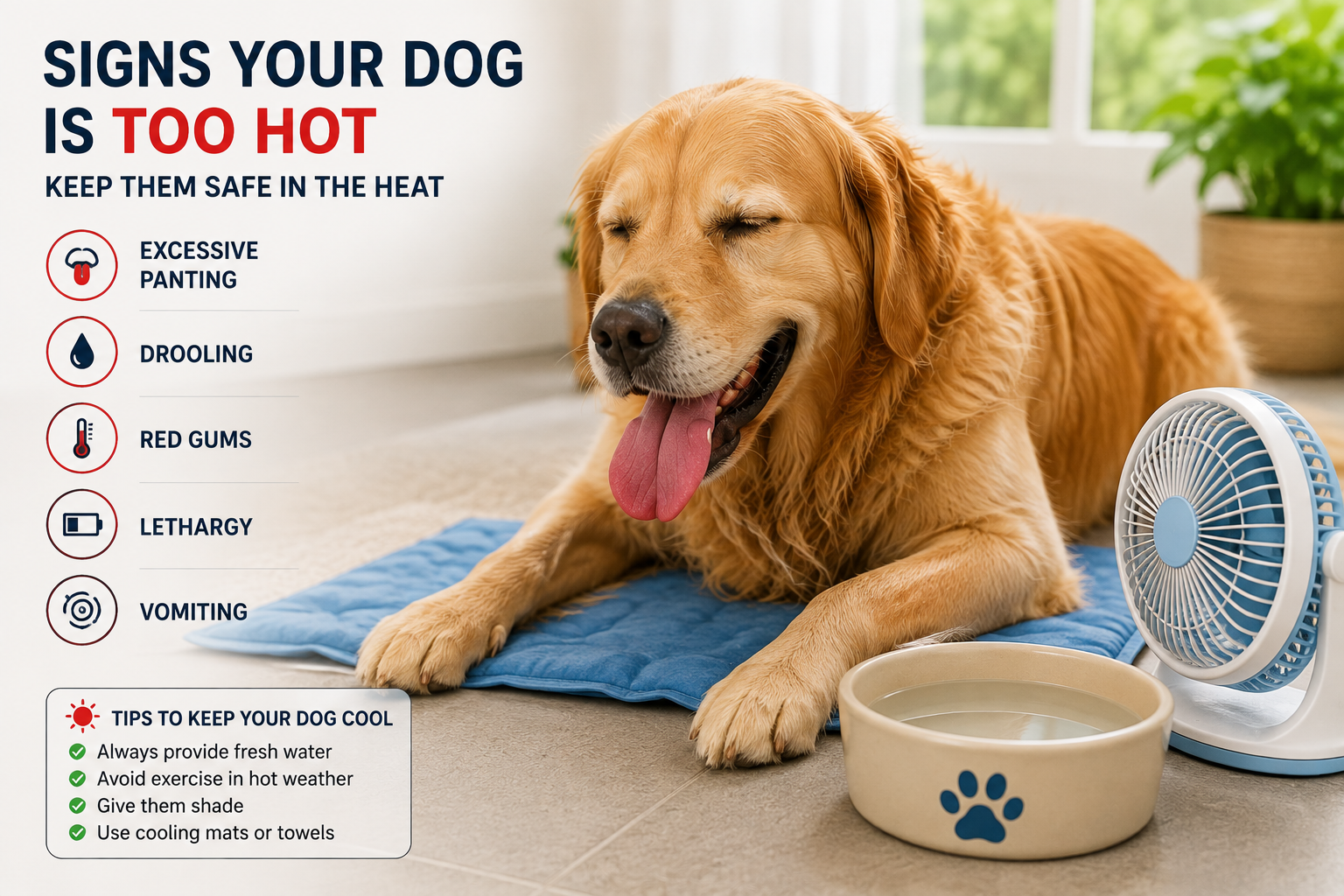
Normal fatigue is possible after unusual exercise, daycare, travel, or prolonged excitement. Heat can also leave dogs exhausted, but heat illness is different from simple tiredness. If low energy follows hot-weather activity and occurs with extreme panting, vomiting, confusion, weakness, or collapse, treat it as urgent. See How to Keep Your Dog Cool in Hot Weather.
2. Pain or Injury
Dogs do not always cry when they hurt. They may simply move less, hesitate on stairs, refuse play, change sleeping position, pant at rest, or seem withdrawn. Limping, stiffness, reluctance to jump, sensitivity to touch, or a sudden behavior change can point toward pain. For visible limping, read Why Is My Dog Limping?.
3. Gastrointestinal Illness
Vomiting, diarrhea, abdominal discomfort, dietary indiscretion, pancreatitis, intestinal obstruction, and other gastrointestinal problems can cause low energy. The combination of lethargy plus repeated vomiting, inability to keep water down, a painful swollen abdomen, or blood in stool increases urgency.
4. Infection or Fever
Viral, bacterial, fungal, or parasitic diseases can cause lethargy. Fever itself can reduce energy and appetite. Coughing, nasal discharge, diarrhea, wounds, urinary changes, or recent tick exposure may provide additional clues, but an examination is often needed to identify the cause.
5. Dehydration
Fluid loss from vomiting, diarrhea, heat, poor intake, or illness can make a dog weak and tired. Do not rely on one home “skin tent” test to rule dehydration in or out. Drinking pattern, urine output, gums, circulation, and the underlying cause matter.
6. Anemia or Blood Loss
Low red blood cell levels can reduce oxygen delivery and cause weakness, rapid breathing, exercise intolerance, or pale gums. Bleeding can be external or internal, and severe anemia is dangerous. Pale or white gums with weakness or collapse is an emergency sign.
7. Heart or Respiratory Disease
Dogs with reduced oxygen delivery or circulation may tire easily, cough, breathe faster, avoid exercise, or become weak. Visible breathing effort, blue or gray gums, collapse, or severe weakness requires urgent veterinary care.
8. Kidney, Liver, Hormonal, or Metabolic Disease
Many internal diseases can first appear as a vague change in energy. Increased thirst, increased urination, weight change, appetite change, vomiting, or recurring weakness are valuable details. Lethargy is not specific enough to diagnose the cause at home.
9. Medication Effects or Toxin Exposure
Some medications can cause sleepiness or behavior change. Never stop an important prescription suddenly unless the prescribing veterinarian tells you to. Unexpected lethargy after access to human medication, xylitol-containing products, rodenticide, cannabis, chemicals, or another possible toxin should be treated as a potential poisoning problem.
A Practical At-Home Check
- Call your dog’s name and note responsiveness.
- Offer normal food and observe interest rather than forcing eating.
- Check whether water intake is normal, increased, or decreased.
- Watch your dog stand and walk across a non-slip surface.
- Look at gum color in normal light; healthy gums are usually pink, though normal pigmentation varies.
- Observe breathing while your dog is resting calmly.
- Check for vomiting, diarrhea, abnormal stool, urination changes, coughing, sneezing, swelling, wounds, or pain.
- Think about recent exercise, heat, boarding, medication changes, tick exposure, diet changes, or possible toxins.
What Details Help Your Veterinarian?
| Detail | Why It Helps |
|---|---|
| Exact onset | Sudden and gradual lethargy can have different causes |
| Appetite and water intake | Shows whether more body systems may be affected |
| Vomiting or diarrhea | Changes dehydration and urgency concerns |
| Breathing and coughing | Can point toward respiratory or circulatory problems |
| Urination | Useful for kidney, urinary and metabolic assessment |
| Medication/toxin access | May immediately change the diagnostic plan |
What You Can Safely Do While Monitoring
Keep your dog in a quiet, comfortable area, avoid strenuous exercise, and maintain access to fresh water if your dog can drink normally. Do not force food, force exercise, or give human pain relievers or stimulants. If you suspect heat illness, poisoning, obstruction, severe pain, or another emergency, home monitoring should not delay veterinary care.
When to Call Your Regular Veterinarian
Call when lethargy is unexplained, persists into the next day, repeatedly returns, or is clearly different from your dog’s normal recovery after activity. Earlier assessment is appropriate for puppies, senior dogs, pregnant dogs, dogs with chronic disease, or dogs taking important medications.
Emergency Warning Signs
- Collapse or inability to stand.
- Blue, gray, very pale, or white gums.
- Severe breathing effort.
- Seizures or marked disorientation.
- Repeated vomiting with weakness.
- A swollen, painful abdomen or repeated unproductive retching.
- Major bleeding or black tarry stool.
- Known or suspected toxin exposure with symptoms.
Related Virixoo Guides
If lethargy occurs with appetite loss, read Why Is My Dog Not Eating?. For vomiting, use Why Is My Dog Vomiting?. For increased drinking, see Why Is My Dog Drinking So Much Water?. For fast breathing at rest, see Why Is My Dog Breathing Fast While Resting?.
Trusted References
PetMD’s veterinarian-reviewed guide to lethargy in dogs explains the distinction between normal tiredness and low energy associated with illness. The American Kennel Club also summarizes common considerations for canine lethargy.
FAQ
Why is my dog suddenly lethargic but still eating?
Normal appetite is reassuring but does not rule out pain, early illness, medication effects, or other problems. If the energy change is substantial, unexplained, or persistent, contact your veterinarian.
How long should I wait if my dog is tired?
There is no single safe waiting period for every dog. If there is a clear reason for normal fatigue and your dog is otherwise completely normal, short observation can be reasonable. Unexplained lethargy or lethargy with other symptoms deserves earlier veterinary advice.
Can stress make a dog lethargic?
Stress and disrupted sleep can affect energy, but medical causes should not be dismissed when the change is sudden, severe, persistent, or accompanied by physical signs.
Bottom line: Lethargy is a change from your dog’s normal energy and interest. The safest way to judge it is by responsiveness, appetite, water intake, movement, breathing, and accompanying symptoms—not by the number of hours your dog sleeps.