

Dogs
2 min read
Why Does My Dog Cry on the First Few Steps After Getting Up?
Crying during the first few steps after rising can point to joint, paw, muscle, or spinal pain that is most noticeable after rest.
Browse practical dog care guides covering health, behavior, training, nutrition, grooming and everyday questions.
Page 7 of 8 · 30 guides on this page
Crying during the first few steps after rising can point to joint, paw, muscle, or spinal pain that is most noticeable after rest.

Repeated stretching soon after meals can be normal, but it may also accompany gas, nausea, abdominal discomfort, or more serious digestive pain.

A dog that briefly avoids one paw after rest may have joint stiffness, a sore pad, nail injury, soft-tissue pain, or an orthopedic problem that eas...

Nighttime gulping and repeated swallowing may reflect nausea, reflux-like discomfort, excess saliva, oral pain, throat irritation, or a swallowing...
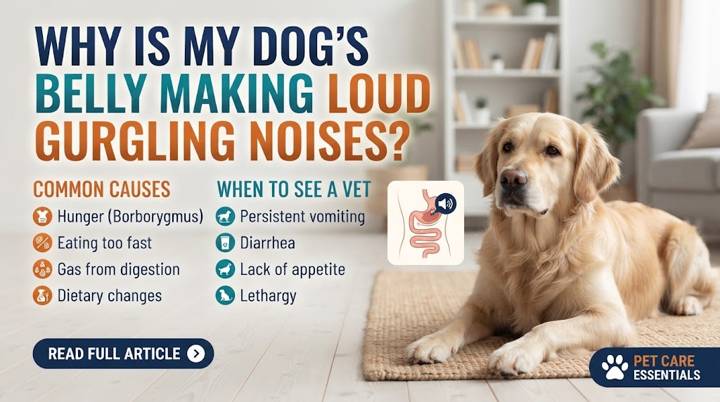
Digestive sounds can be normal, but persistent loud gurgling may accompany hunger, diet changes, gas, intestinal upset, or other gastrointestinal p...
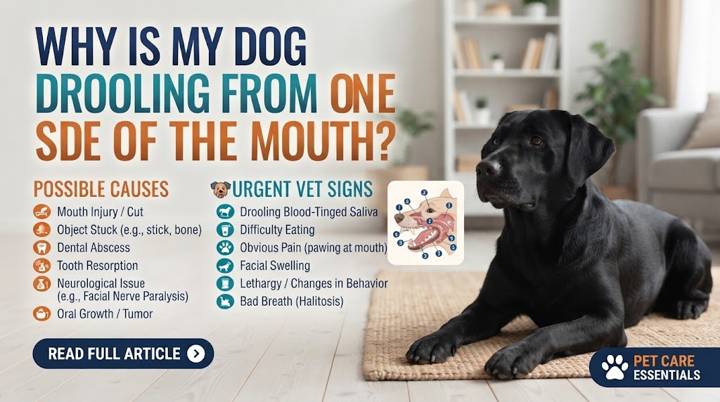
One-sided drooling can point to a local mouth problem, dental pain, a foreign object, oral injury, nausea, or a neurologic problem affecting the face.
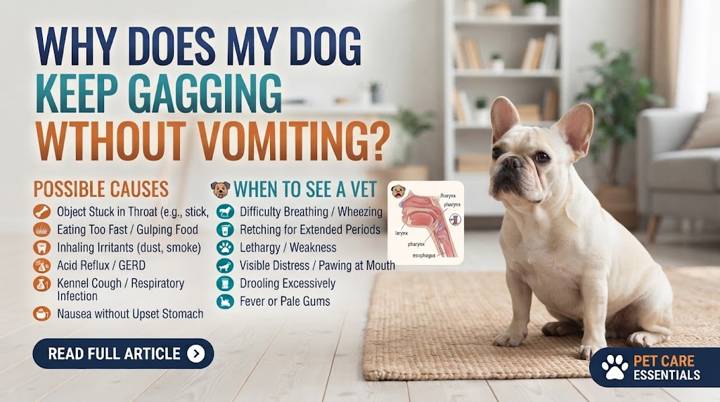
Repeated gagging without producing vomit can come from throat irritation, coughing, a foreign object, nausea, airway disease, or an emergency such...
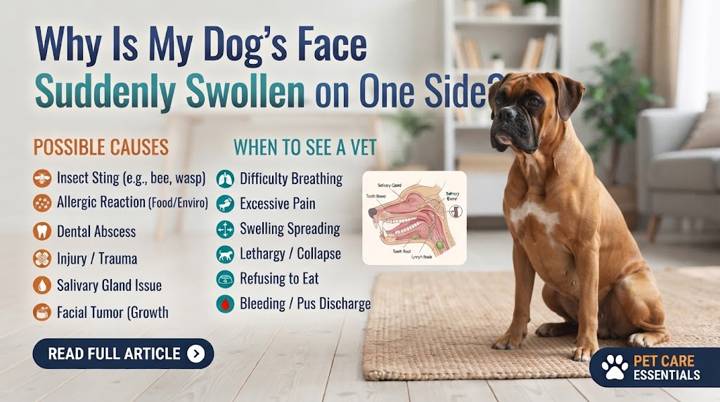
Sudden one-sided facial swelling may be caused by an insect sting, dental infection, trauma, salivary disease, or another localized inflammatory pr...

Pain when the back is touched can arise from muscle strain, spinal pain, rib or skin injury, or discomfort referred from nearby structures.
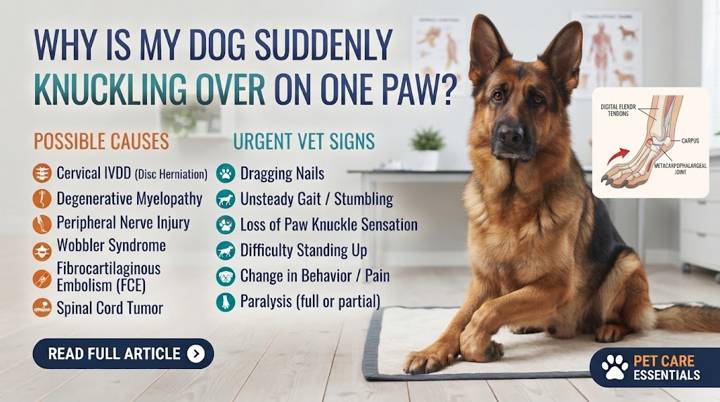
Knuckling—standing or stepping on the top of a paw—can indicate a neurologic, spinal, nerve, orthopedic, or severe weakness problem and deserves pr...
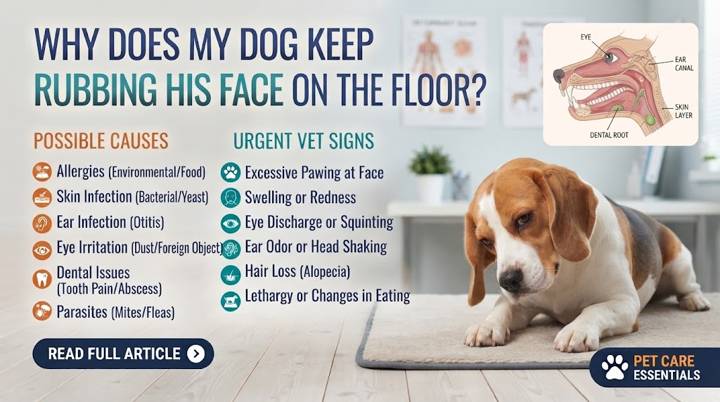
Repeated face rubbing can reflect eye irritation, ear discomfort, dental or mouth pain, allergies, skin irritation, or something stuck around the f...

A jaw that suddenly hangs open or cannot close normally may reflect trauma, jaw-joint problems, oral pain, nerve dysfunction, or another urgent con...

Inability to fully close one eye can expose the cornea to drying and injury and may be associated with facial nerve dysfunction, trauma, swelling...
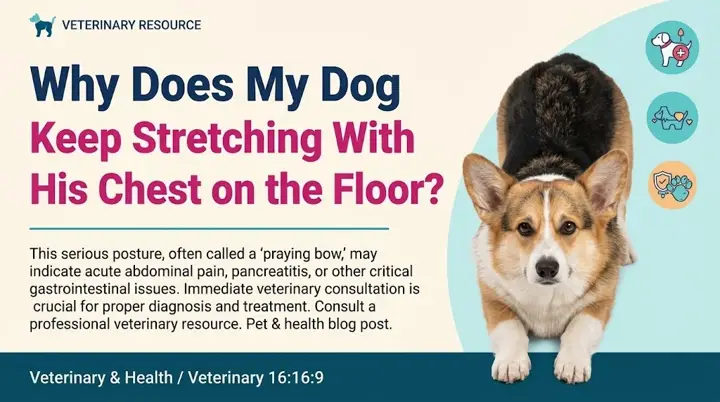
A repeated chest-down, rear-up stretch can be ordinary stretching, but when persistent it may accompany abdominal discomfort, nausea, back pain, or...
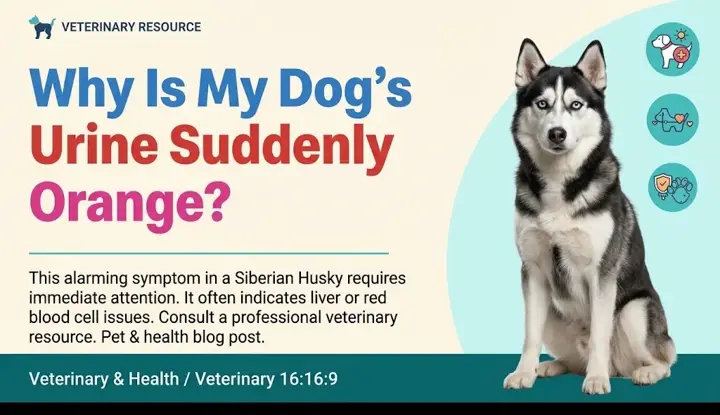
Orange urine may reflect concentrated urine, pigments from blood breakdown, liver or bile-related disease, medications, or other urinary changes th...

Stronger urine odor can occur with concentrated urine, diet changes, urinary infection, or contamination, but odor alone cannot diagnose the cause.

Urine leakage during sleep can occur with urinary incontinence, urinary tract disease, increased urine production, neurologic problems, or structur...
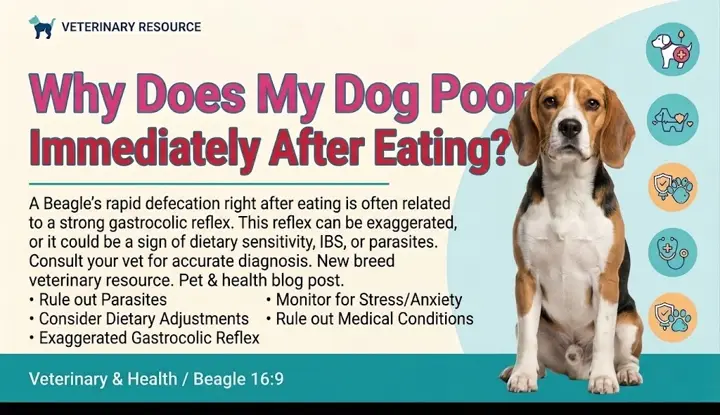
Defecating soon after a meal can reflect the normal gastrocolic response, a learned routine, diet effects, or gastrointestinal irritation when stoo...

A single narrow stool may be incidental, but repeatedly ribbon-like stool can occur with straining, colon or rectal disease, pain, or narrowing nea...

Visible food-like material in stool can follow rapid eating or certain foods, but persistent changes with weight loss or diarrhea may indicate abno...

Repeated straining after passing stool can occur with colitis, constipation, rectal irritation, anal-area discomfort, or other lower gastrointestin...
Vomiting after drinking may follow rapid water intake, nausea, stomach disease, heat or exercise, but repeated episodes can quickly lead to dehydra...

Passive return of food hours after a meal can suggest an esophageal problem and should be distinguished from active vomiting because the causes and...

Brief hiccups after eating are often harmless, especially in young dogs, but persistent or unusual episodes should be distinguished from coughing...
A red eyelid bump can arise from an inflamed gland, cyst, infection, irritation, or eyelid mass; rubbing and corneal irritation make examination mo...

A visible third eyelid can appear with eye pain, dehydration, illness, nerve problems, or a local gland disorder and is more concerning when new or...

Unequal pupils, called anisocoria, can be associated with eye disease, nerve dysfunction, trauma, or neurologic problems and should be assessed pro...

New light sensitivity can be a sign of painful eye inflammation, corneal injury, glaucoma, or other ocular disease and deserves prompt veterinary a...
Brown staining around the mouth often comes from saliva on light fur, but excessive licking, dental disease, skin-fold irritation, or chronic moist...

Loss of nose pigment can be seasonal or benign in some dogs, but inflammation, trauma, immune-mediated disease, or other skin disorders can also al...
Start with the guide that best matches your question. Virixoo helps you understand common causes, safe next steps and warning signs. For urgent, severe or persistent symptoms, seek veterinary care.