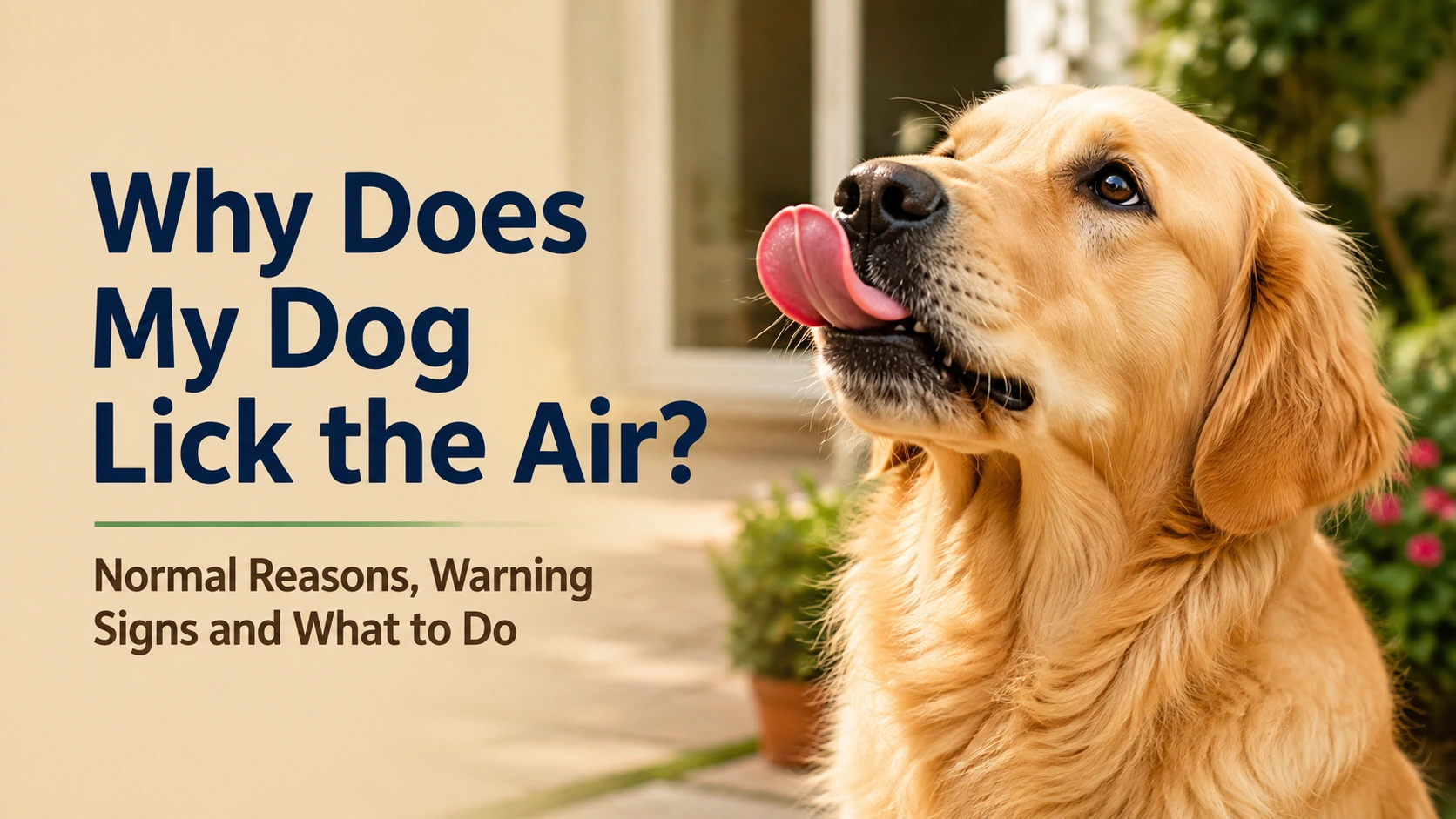

Face rubbing after eating may be simple muzzle cleaning, but repeated vigorous rubbing can point to dental pain, food trapped in the mouth, or irritation of the skin, eyes, or ears.
Quick Answer
A brief wipe of the muzzle on a paw, rug, or furniture after eating can be normal grooming. Repetition, intensity, or signs of pain make the behavior more significant.
Clues From Eating and Chewing
Look for a connection to one type of food, chewing on one side, dropping food, bad breath, drooling, pawing at the mouth, or reluctance to eat hard items. These clues can point toward oral discomfort.
Other Sources of Facial Irritation
Skin irritation around the muzzle, an itchy ear, or an uncomfortable eye can also trigger face rubbing. Redness, swelling, discharge, squinting, hair loss, or a sudden one-sided pattern helps localize the problem.
Avoid Risky Mouth Checks
Do not probe deep in the mouth or try to remove an object that is embedded, sharp, or difficult to reach. Avoid human dental products and pain medicines.
When Face Rubbing Needs an Exam
Book an examination for persistent rubbing, oral pain, foul breath with discomfort, swelling, bleeding, eye signs, or reduced appetite. Facial swelling with breathing difficulty or severe eye pain requires prompt care.