Home
›
Dogs Care Guides › Page 4
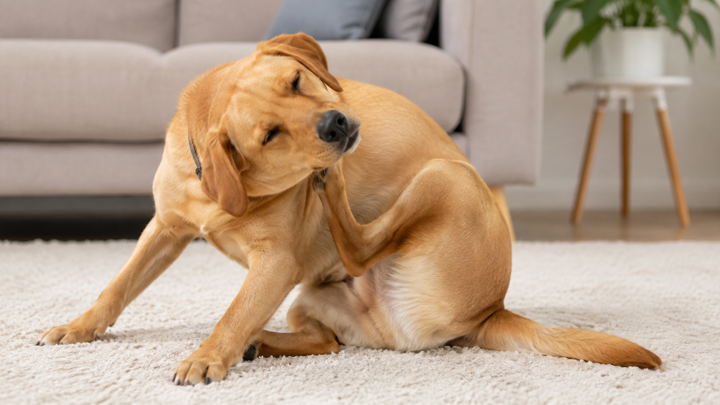
Learn why dogs scratch excessively, how fleas, allergies, infections and irritation differ, what to check safely at home, and when a vet visit is n...
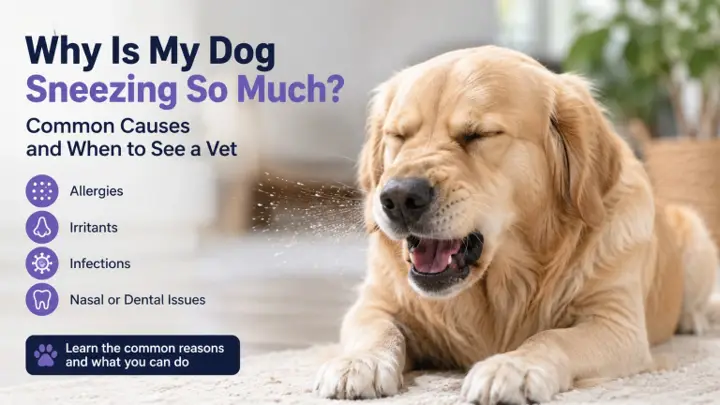
Learn why dogs sneeze repeatedly, how irritants, allergies, infection and nasal foreign material differ, and which signs need prompt veterinary care.
Learn how to recognize true lethargy in dogs, common causes, what symptoms to track, what you can do safely, and when low energy needs urgent veter...
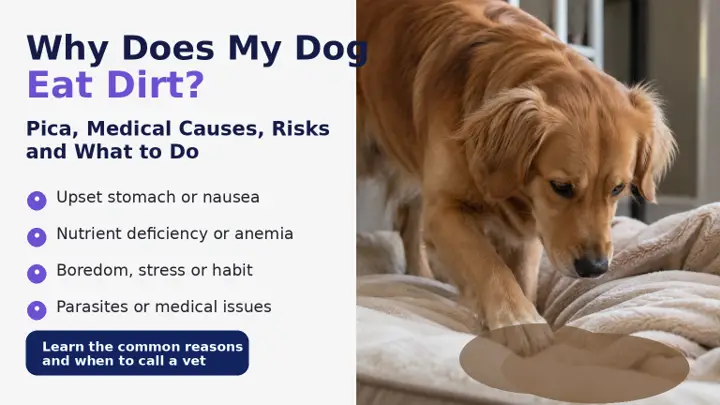
Learn why dogs eat dirt, when pica may signal a medical or behavioral problem, the risks of soil ingestion, and practical ways to stop the habit sa...
Learn what bright red blood or black tarry stool can mean in dogs, which accompanying symptoms change urgency, and when bloody stool needs emergenc...
Learn why dogs lick the air, how to tell a harmless scent or excitement response from nausea, dental pain, compulsive behavior or a problem that ne...
A dry dog nose is not automatically a sign of illness. Learn normal causes, what changes matter more than moisture alone, safe care steps, and when...
Learn why dogs snore, how sleeping position, anatomy, weight, congestion and airway problems can contribute, and which breathing signs deserve vete...
Understand why dogs hump people, other dogs or objects, how excitement, stress, play and habit contribute, and how to redirect the behavior without...
Dog zoomies are usually normal bursts of energy. Learn common triggers, why puppies get them, how to prevent injuries, and when frantic behavior ma...
Sniffing is a major way dogs explore the world. Learn why your dog stops to smell everything, how to balance sniffing with loose-leash walking, and...
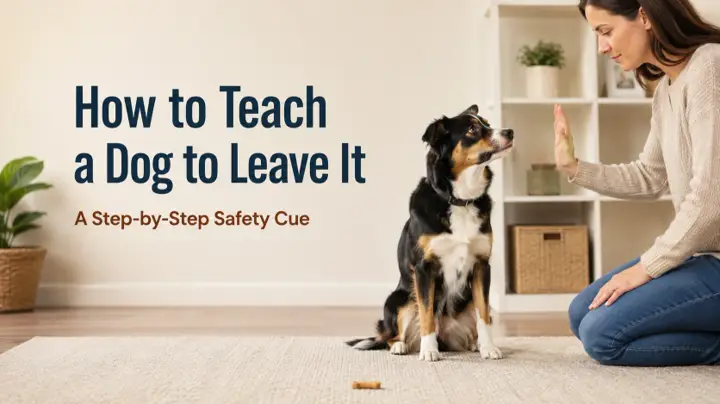
Teach your dog to ignore food, trash and other tempting items with a clear leave-it cue, reward-based practice and gradual real-world training.
Teach your dog to release toys and safe objects on cue using trades, clear timing and positive reinforcement—without chasing, prying the mouth open...
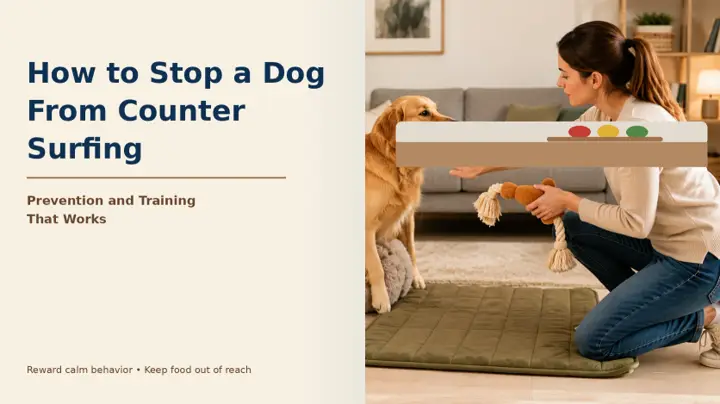
Stop counter surfing by removing accidental rewards, managing kitchen access and teaching a strong alternative behavior while food is being prepared.
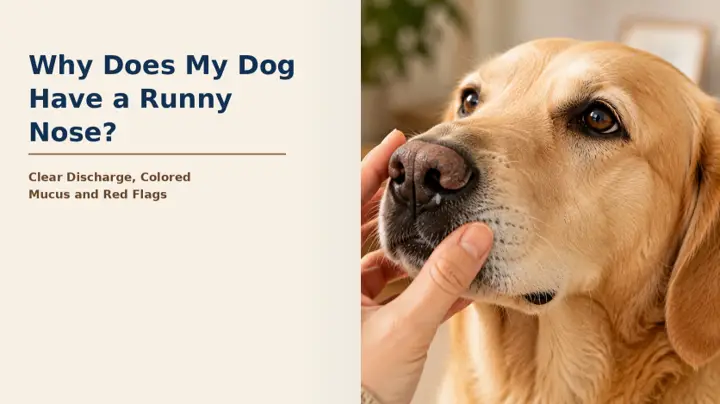
Learn what a runny nose in dogs can mean, why one-sided discharge matters, how color and other symptoms change urgency, and when veterinary care is...
Repeated coughing after water can involve fast drinking, throat irritation, swallowing difficulty, or an underlying airway problem.
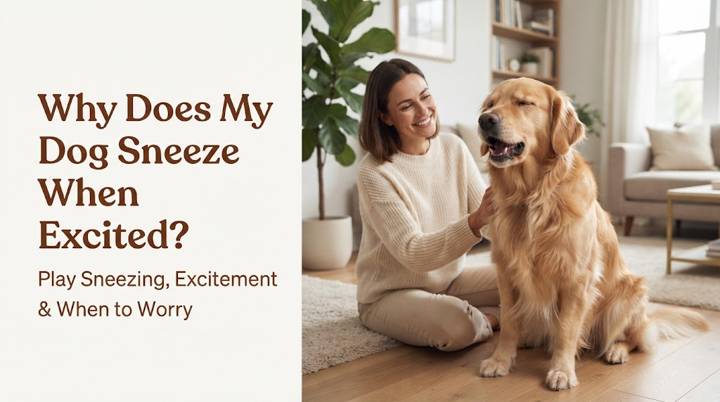
Brief sneezing during play or greetings can be normal social behavior, but sneezing outside those moments deserves a closer look.
A mild corn-chip odor can come from normal skin microbes, while strong odor with redness or licking may signal inflammation or infection.
Peeling paw pads can follow friction, heat, chemicals, dryness, injury, or skin disease and need care when painful or raw.
A naturally dark nail can be normal, but a new color change in one nail can follow bruising, trauma, infection, or nail-bed disease.
Cloudiness can arise from the cornea, lens, or deeper eye structures, and sudden cloudiness with pain or vision change needs prompt care.
The third eyelid may briefly show during sleep, but persistent visibility can accompany eye pain, dehydration, nerve problems, or illness.
Unequal pupil size can reflect eye or neurologic disease and is especially important when it appears suddenly.
A swollen ear flap may be an aural hematoma after vigorous shaking or scratching, but injury, allergy, and inflammation can also contribute.
Ear bleeding can come from a scratch, bite, torn edge, inflamed canal, or vigorous head shaking and should be assessed if persistent.
Repeated licking at the tail base often points to fleas, allergy, skin infection, or irritation around the rear end. Learn what to check and when v...
A suddenly limp tail can follow muscle strain or limber tail, but trauma, spinal pain, and neurologic problems can look similar. Learn the warning...
A tucked tail often communicates fear or uncertainty, but a new persistent change can also signal pain or illness. Learn how context and body langu...
Sudden fear of a floor can follow slipping, poor traction, pain, vision change, or a frightening event. Learn how to restore confidence without for...
Dogs may slip on hardwood because of low traction, nail or paw issues, pain, weakness, or neurologic disease. Learn practical ways to improve safety.
No matching guides found on this page. Use site search to search the full Virixoo library.
How to use these guides
Start with the guide that best matches your question. Virixoo helps you
understand common causes, safe next steps and warning signs. For urgent,
severe or persistent symptoms, seek veterinary care.