

Dogs
2 min read
Why Are My Dog’s Eyes Red? Common Causes and When It’s Urgent
Red eyes in dogs can come from irritation, conjunctivitis, dry eye, injury, glaucoma, uveitis, or other eye disease.
Browse practical dog care guides covering health, behavior, training, nutrition, grooming and everyday questions.
Page 3 of 8 · 30 guides on this page
Red eyes in dogs can come from irritation, conjunctivitis, dry eye, injury, glaucoma, uveitis, or other eye disease.
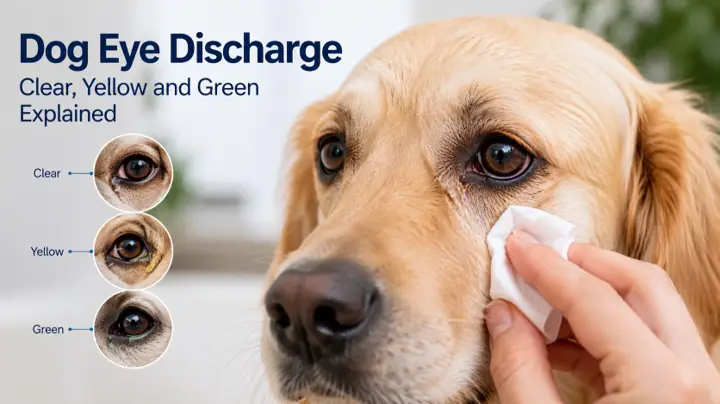
Dog eye discharge may be harmless tear debris or a sign of irritation, infection, dry eye, injury, eyelid problems, or other disease.

A strong ear odor can accompany yeast or bacterial overgrowth, inflammation, moisture, allergies, parasites, or foreign material.

Frequent ear scratching can signal infection, allergy, parasites, moisture, foreign material, or irritation.
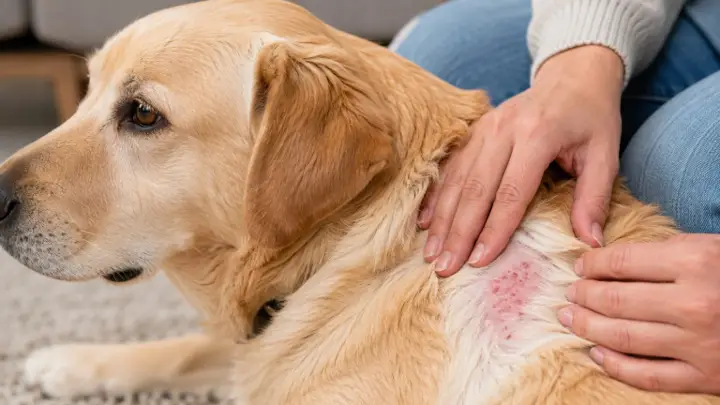
Dog rashes can be caused by allergies, parasites, infections, contact irritation, insect bites, moisture, or underlying disease.
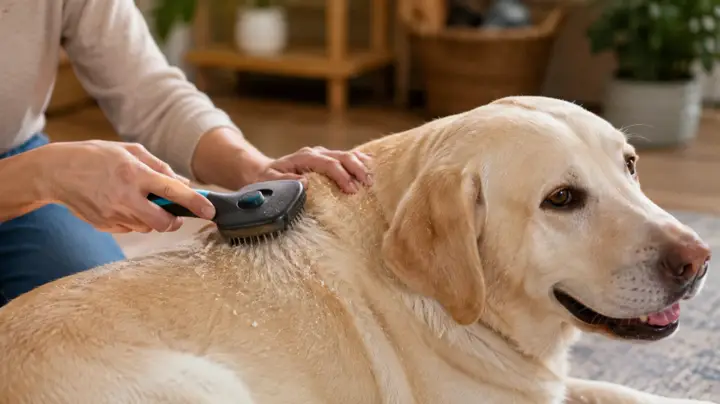
White flakes in a dog's coat can reflect dry skin, seborrhea, allergies, parasites, infection, grooming issues, or underlying disease.
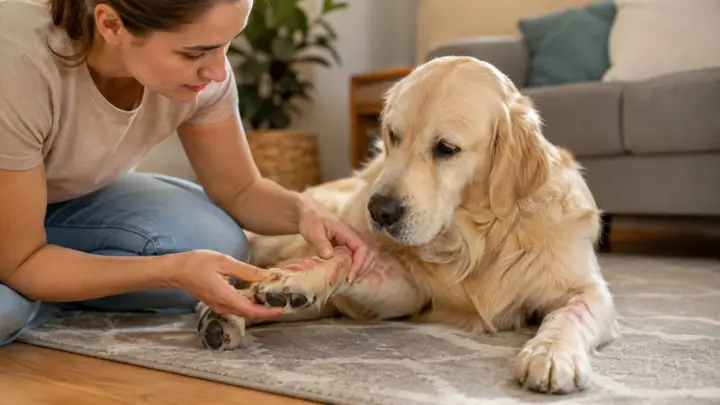
Dogs with allergies often develop itchy skin, paw licking, recurring ear trouble, inflamed skin, or sometimes digestive signs.
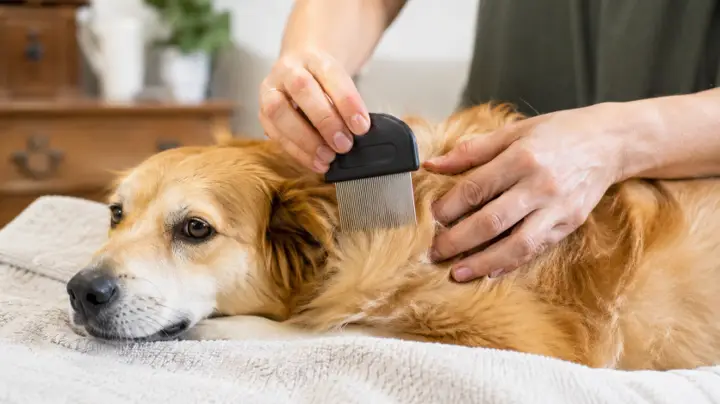
Learn how to look for fleas and flea dirt, where fleas often hide, and why persistent itching may need veterinary treatment.
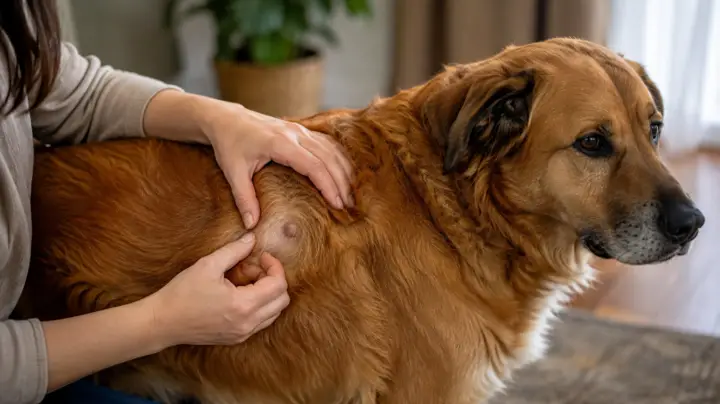
Lumps in dogs can be benign or serious, and appearance alone cannot reliably identify them. Learn what to record and why sampling is often needed.

Fast breathing at rest can occur with heat, stress or recent activity, but persistent rapid breathing may also reflect pain, fever, heart or lung d...

Repeated lip licking can be a normal response to food, but it may also accompany nausea, stress, dental pain, mouth irritation, or swallowing disco...

Frequent yawning can be normal around rest, but dogs may also yawn during stress, discomfort, medication effects, or illness.
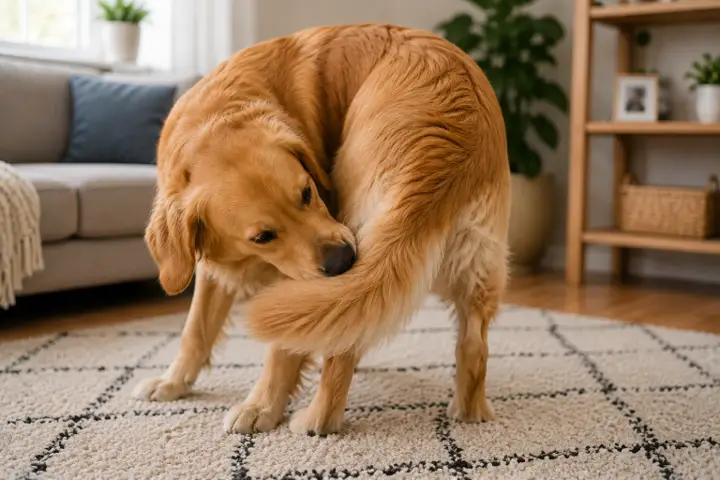
Circling before lying down is often normal nesting behavior, but repeated compulsive circling, imbalance, or confusion can signal pain or neurologi...

Sleeping under the bed can provide darkness, quiet and security, but a sudden new hiding habit can also reflect fear, pain, or illness.

Teeth chattering may occur with excitement or cold, but it can also accompany dental pain, nausea, scent investigation, or neurologic problems.

A dog may stare at a wall because of a sound or scent, but persistent staring with confusion, circling, head pressing, or behavior change deserves...
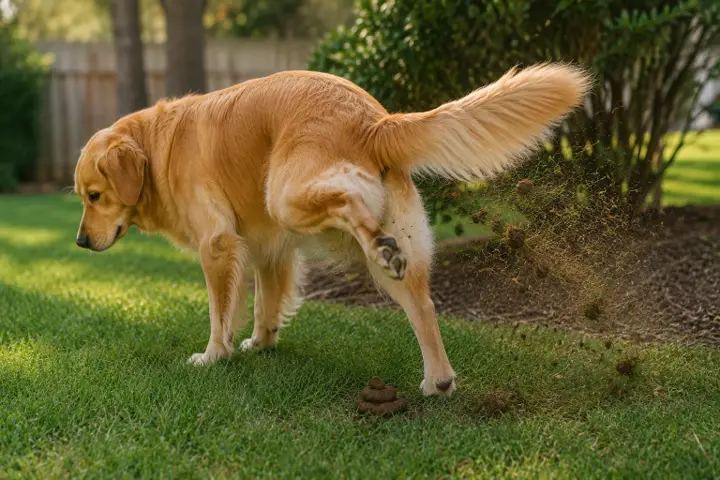
Kicking the ground after toileting is usually normal scent-marking behavior that spreads visual and scent signals from the paws.

Rolling onto the back can mean relaxation, play, a request for interaction, or an attempt to reduce social pressure. Body language determines the m...

Sitting on your feet is often about closeness, warmth, habit, or security rather than dominance.

Floor licking can begin with food smells or exploration, but persistent surface licking can also accompany nausea, stress, oral discomfort, or repe...

Bringing toys is often a social invitation, learned attention-seeking behavior, or a way for a dog to share an exciting object.

Leaning against a person can reflect closeness, comfort, attention seeking, or a desire for security, but sudden leaning with weakness or imbalance...
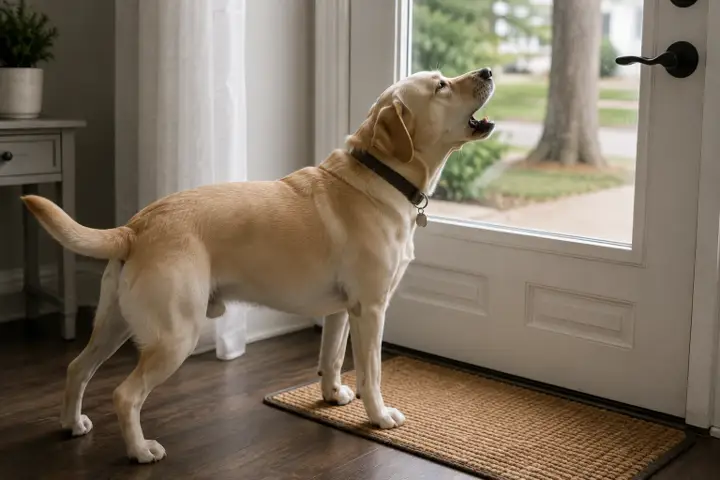
Pawing can be a learned way to ask for attention, food, play, access, or reassurance. Context and reinforcement shape how often it occurs.

Sighing is often a normal part of settling and relaxation, but repeated sighing with breathing effort, coughing, pain, or lethargy deserves attention.

Clothes carry familiar scent and softness, making laundry an appealing resting place for many dogs.

Scratching or digging at bedding before sleep is often a normal nesting routine, but destructive or frantic digging can reflect stress or discomfort.

Hiding or burying treats can be a normal food-caching behavior, especially when a dog is not ready to eat the item immediately.

A dog may briefly lift one lip while investigating a scent or communicating discomfort, but persistent one-sided lip lifting can also accompany den...

A full-body shake when dry can occur after stretching, waking, excitement, or a mildly stressful interaction and is often normal.

Rear-end sniffing is a normal canine greeting because scent carries information about identity, reproductive status, health, and recent activity.
Start with the guide that best matches your question. Virixoo helps you understand common causes, safe next steps and warning signs. For urgent, severe or persistent symptoms, seek veterinary care.