Veterinary visits combine unfamiliar smells, slippery surfaces, handling, restraint, other animals, car travel, and sometimes pain, so stress is understandable. Cooperative preparation cannot eliminate every difficult procedure, but it can make routine care more predictable and reduce fear over time.
Quick Answer
Practice gentle body handling at home, pair the car and clinic with good outcomes when possible, bring high-value rewards, and tell the clinic about your dog’s fears before the appointment. Ask whether waiting in the car or entering through a quieter route is possible. For dogs with severe fear or a bite history, discuss a veterinary behavior and medication plan in advance.
Practice Handling Before You Need It
Touch a paw for one second, reward, and release. Briefly lift a lip, look at an ear, or touch the shoulder, always staying below the point where the dog struggles. Cooperative care is built from many tiny successful repetitions.
Teach a Stationing Behavior
A simple chin rest on your hand or a mat behavior can give the dog a predictable position during handling. Reward the dog for voluntarily returning to that position. These behaviors do not guarantee that every procedure can be voluntary, but they improve communication and predictability.
Reduce Waiting-Room Pressure
Some dogs become overwhelmed by close encounters with unfamiliar animals. Ask the clinic whether you can wait outside or in the car until the examination room is ready. Keep distance from other pets rather than forcing greetings.
Bring the Right Rewards
Use food your dog values and can safely eat unless fasting is required for a test or procedure. Tell the veterinary team what your dog likes and dislikes. If the dog suddenly refuses normally irresistible food, that can be a useful sign that stress has become too high.
Car Travel May Be Part of the Problem
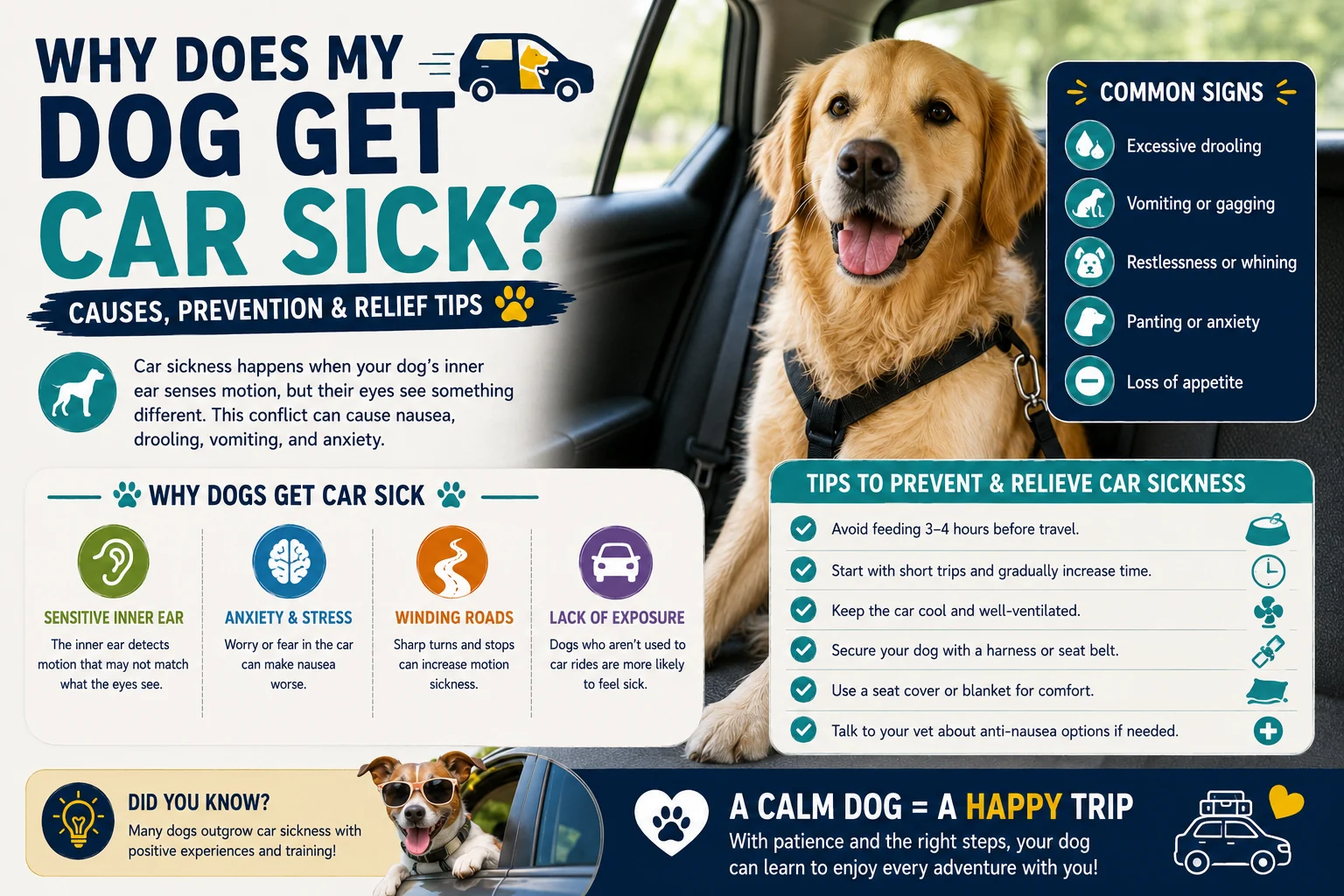
If anxiety starts before arrival, build positive car practice separately. For drooling or vomiting during travel, see Why Does My Dog Get Car Sick?.
Do Not Wait Until Restraint Becomes a Battle
Growling, freezing, snapping, frantic escape behavior, or escalating panic should be communicated to the clinic. Hiding the dog’s warning behavior makes the visit less safe. Veterinary teams can adjust handling, schedule, environment, and medication plans.
When Pre-Visit Medication May Help
Some dogs benefit from veterinarian-prescribed medication given before appointments. This is especially relevant when previous visits involved severe fear, panic, or unsafe handling. Medication should be selected and dosed by the veterinarian for the individual dog.
Related Virixoo Guides
For nail-handling practice, read How to Trim Dog Nails Safely. For safe puppy exposure to new places and people, see How to Socialize a Puppy Safely. For resource-related growling, see Why Does My Dog Guard Food or Toys?.
FAQ
Should I take my dog to the clinic just for treats?
Some clinics support brief “happy visits” when scheduling allows. Ask first so the experience can be calm and does not disrupt medical care.
Should I correct growling at the vet?
No. Growling is useful information that the dog is uncomfortable. The team needs that warning to adjust handling and protect safety.
Can a muzzle help?
A properly conditioned basket muzzle can improve safety for some dogs, but it should be trained positively before it is urgently needed whenever possible.
Bottom line: Better vet visits begin before the appointment. Practice cooperative handling, reduce unnecessary triggers, communicate honestly with the clinic, and use veterinary support for severe fear.