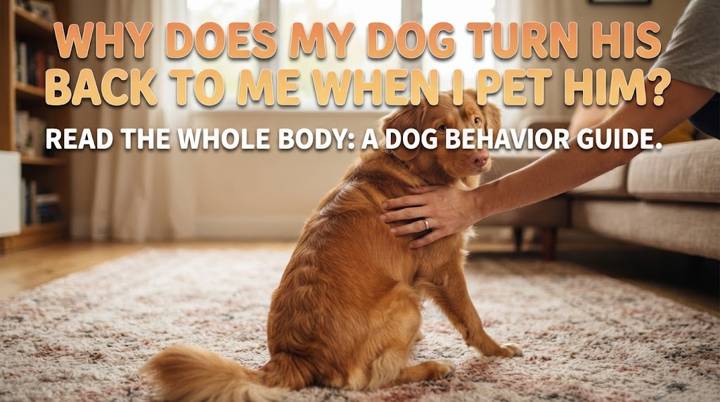

Rolling onto the back can mean relaxation, play, a request for interaction, or an attempt to reduce social pressure. Body language determines the meaning[cite: 18]. Dogs often perform behaviors that look unusual to people but make sense when you consider scent, comfort, communication, learning and health[cite: 18]. The useful question is whether the pattern is familiar and flexible or new, repetitive, painful or associated with other symptoms[cite: 18].
Quick Answer
Sniffing another dog’s rear is normal canine information gathering and greeting behavior[cite: 18]. Keep greetings brief and voluntary; intervene calmly if either dog becomes stiff, fearful, trapped, or aggressive rather than punishing normal sniffing[cite: 18].
Common Reasons
1. Relaxation and comfort
This explanation becomes more or less likely based on the trigger, duration, body language, and any signs that specifically fit it[cite: 18]. Use those details to distinguish a normal behavior from a pattern that needs closer attention[cite: 18].
2. Play solicitation
This explanation becomes more or less likely based on the trigger, duration, body language, and any signs that specifically fit it[cite: 18]. Use those details to distinguish a normal behavior from a pattern that needs closer attention[cite: 18].
3. Request for touch
This explanation becomes more or less likely based on the trigger, duration, body language, and any signs that specifically fit it[cite: 18]. Use those details to distinguish a normal behavior from a pattern that needs closer attention[cite: 18].
4. Appeasement or social stress
This explanation becomes more or less likely based on the trigger, duration, body language, and any signs that specifically fit it[cite: 18]. Use those details to distinguish a normal behavior from a pattern that needs closer attention[cite: 18].
FAQ
Should I stop the behavior immediately?
Not always[cite: 18]. First decide whether it is harmless communication or a possible sign of discomfort[cite: 18]. Calm redirection is preferable to punishment when the behavior itself is not dangerous[cite: 18].
Can stress cause unusual repetitive behavior?
Yes[cite: 18]. Stress can change licking, yawning, hiding, posture, pacing and other behaviors, but persistent changes should not automatically be blamed on stress without considering medical causes[cite: 18].
Will a video help my veterinarian?
Often yes[cite: 18]. A short video can show body posture, responsiveness, duration and movement patterns that may not occur during an appointment[cite: 18].
Bottom Line
Rolling onto the back can mean relaxation, play, a request for interaction, or an attempt to reduce social pressure. Body language determines the meaning[cite: 18]. Focus on whether the pattern is familiar and flexible or new, repetitive, distressing or associated with other symptoms[cite: 18].