
Cats
5 min read
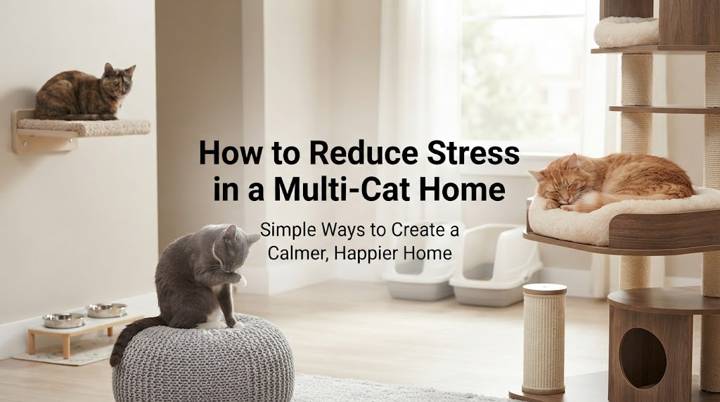
How to Reduce Stress in a Multi-Cat Home
Reduce hidden tension between cats by separating key resources, adding safe routes and reading subtle signs before conflict turns into fighting.
Browse 73 Virixoo cat behavior guides, organized to help you move between closely related questions.
Reduce hidden tension between cats by separating key resources, adding safe routes and reading subtle signs before conflict turns into fighting.

Learn why cats quickly take over warm chairs and sofas, how scent and routine influence favorite seats, and how to share space without conflict.

Learn why cats wait outside bedroom doors, how access, routine and social contact influence the behavior, and how to create consistent nighttime bo...

Understand why cats choose closets for sleep, how darkness, scent and quiet make them appealing, and how to keep closet hiding safe.

Learn why a cat may sit with its back toward you, how relaxation and environmental monitoring influence position, and why it is not necessarily a s...

Reduce fall and escape risks by securing windows, screens and balconies, checking climbing routes and planning safe alternatives for fresh air and...
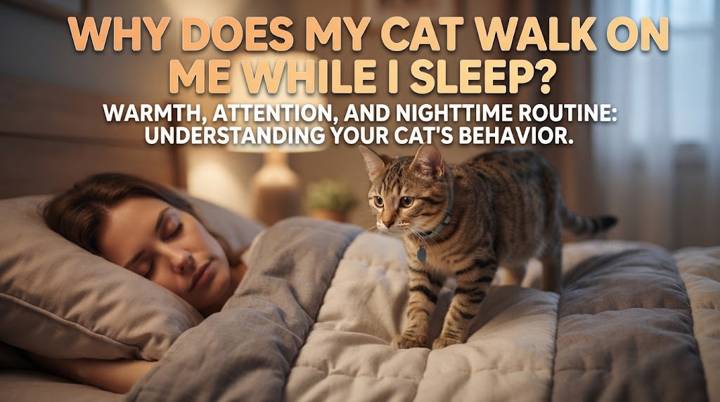
Walking over a sleeping person is usually normal feline behavior connected with access, warmth, social contact or a reinforced nighttime routine. T...

Learn why cats sit on laptops and keyboards, how warmth and attention influence the habit, and how to protect your work while giving your cat a bet...
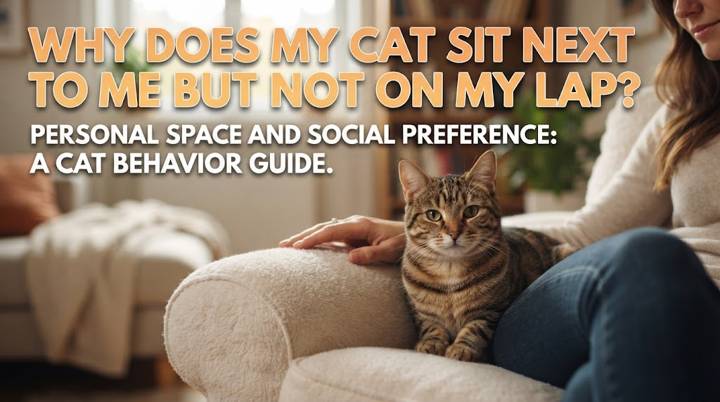
Sitting beside you is still social contact. Many cats prefer proximity without being held or confined, and feline welfare guidance emphasizes that...

Find out why cats follow people into bathrooms, how routine, closed doors and social interest contribute, and how to keep bathroom visits safe.

A practical look at why cats quickly occupy the exact place their owners leave, how residual warmth, scent and comfort explain the behavior, and ho...

Learn why cats roll onto their backs, how comfort, play and social signals differ from an invitation for belly touching, and how to read the whole...

Mirror pawing is often exploratory or playful. Some cats become tense around reflections, especially when the image appears unexpectedly. Body lang...

Build a richer indoor life with hunting-style play, vertical space, scent exploration, food puzzles and predictable choices that fit your cat.

Electrical-cord chewing is both a behavior problem and a safety hazard.

Learn why cats chase their tails, when the behavior is ordinary play, and which signs of skin irritation, pain or compulsive behavior deserve atten...

Watching a person eat is usually a learned, context-dependent behavior rather than a sign that the cat needs human food. The useful clues are wheth...

Learn why cats choose to sleep near their owner's feet, how warmth, security and easy escape routes may influence the habit, and when sleep changes...

Learn why cats watch people shower, how running water, enclosed spaces and routine attract attention, and how to keep bathroom exploration safe.

A practical look at why some cats watch television and screens, what types of movement attract them, and how to make screen-based enrichment safer.

Learn why some cats spend a long time digging in litter, how box size and litter preferences matter, and which straining or elimination changes req...
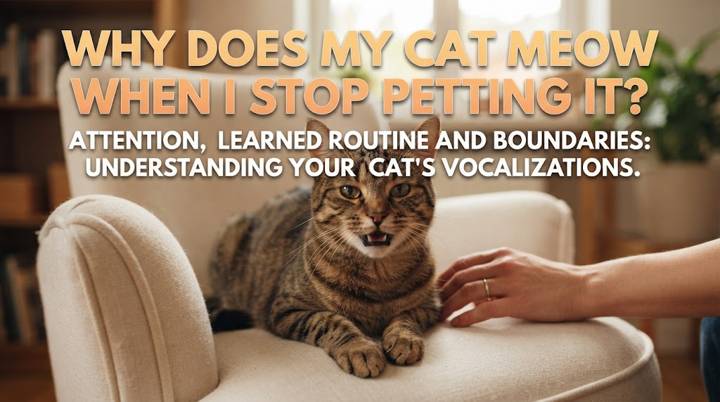
Meowing after petting stops often functions as communication rather than a sign that something is wrong. A relaxed cat that leans back in may be as...

Cat swatting can be play, a boundary signal or a response to fear and pain. Learn how claws, body language and context reveal what to do next.

Learn how to recognize cat separation anxiety and support a calmer routine with predictable departures, enrichment, safe spaces, and gradual indepe...