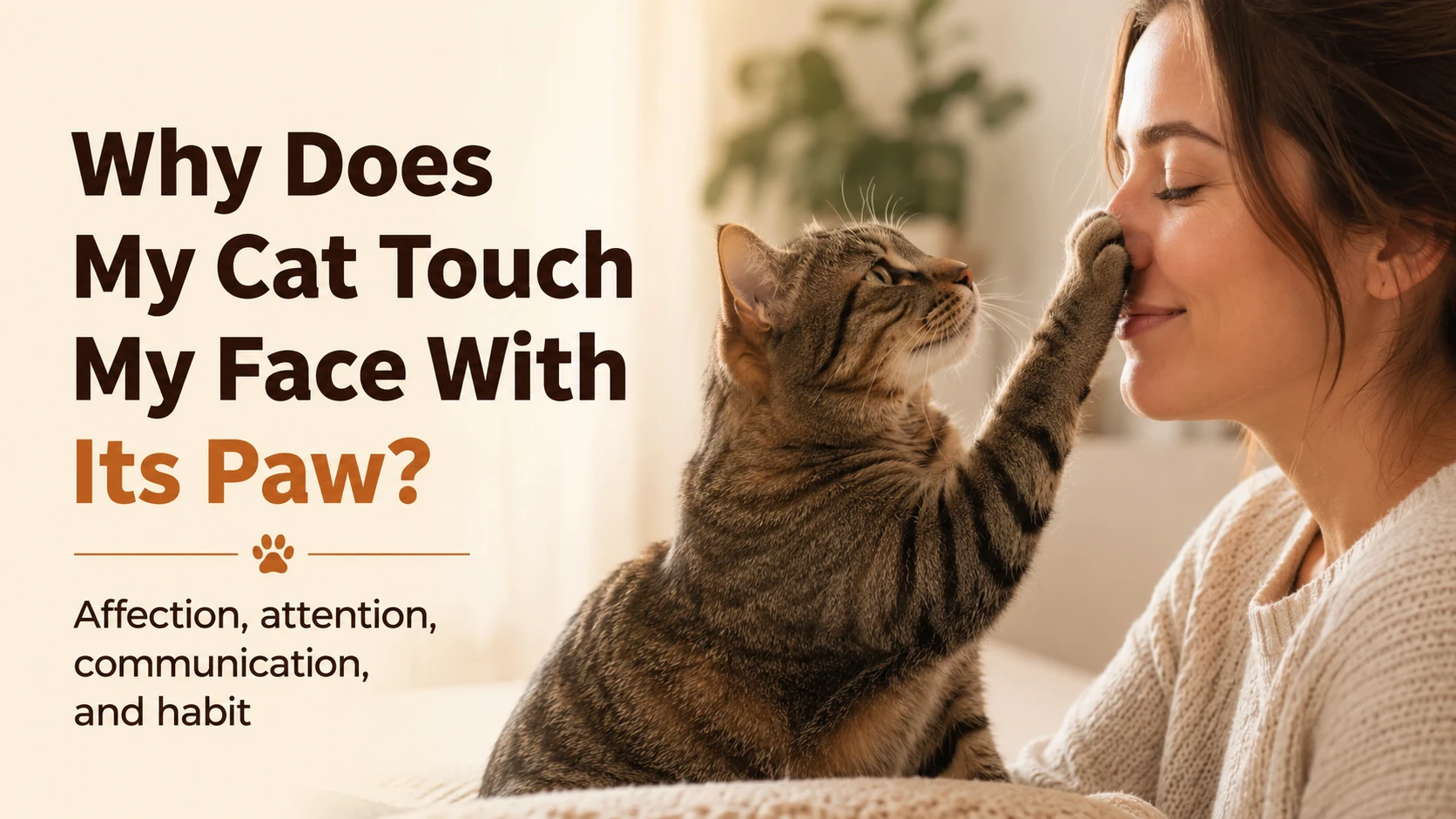

A raised paw does not have one meaning. Cats use their paws during play, investigation, social interaction and defense. A soft paw tap with a loose body is different from a fast strike delivered with flattened ears and claws. The best way to understand swatting is to examine what happened seconds before it and whether the cat was trying to continue an interaction or make it stop.
Quick Answer
Freeze the interaction for a moment instead of grabbing the paw. Look at ears, tail, pupils, body tension and whether claws are extended. If swatting follows petting, stop earlier next time and reward calm contact in shorter sessions. If it occurs during play, redirect to wand-style toys rather than hands. Sudden swatting when a body area is approached can indicate pain and deserves veterinary attention.
Why Cats Swat
Play and prey practice
Young or energetic cats may bat at moving hands, feet or clothing because motion triggers hunting-like play. Using hands as toys can strengthen this habit.
Petting overstimulation
Repeated touch can become irritating even when the cat initially sought contact. A swat may be the final signal after subtler cues such as tail twitching, skin rippling or turning the head toward your hand.
Fear or defensive distance
A frightened cat may swat when escape feels blocked. The strike is often aimed at increasing distance rather than starting a fight.
Frustration
A cat that sees prey or another cat through a window but cannot reach it may become highly aroused and redirect a paw strike toward someone nearby.
Pain
If a cat swats only when you touch the back, hip, mouth, abdomen or another specific area, physical discomfort becomes more important to rule out.
How to Respond Without Escalating
The response depends on whether the cat is playing or defending space, but calm interruption is useful in both cases.
- Stop moving the hand or body part the cat is targeting; fast withdrawal can sometimes trigger another playful chase.
- If the cat looks tense or fearful, increase distance and provide an exit.
- If the body is loose and the swat is playful, redirect to an appropriate wand or toss toy.
- Shorten future petting sessions and stop at the first early signs of overstimulation.
- Reward relaxed sitting, gentle paw contact and play directed toward toys.
- If one body area reliably triggers a defensive strike, stop testing it and arrange a health assessment.
Give the Paws Better Jobs
Appropriate hunting and climbing outlets reduce the need to turn people into moving targets.
- Schedule several short interactive play sessions rather than one exhausting session.
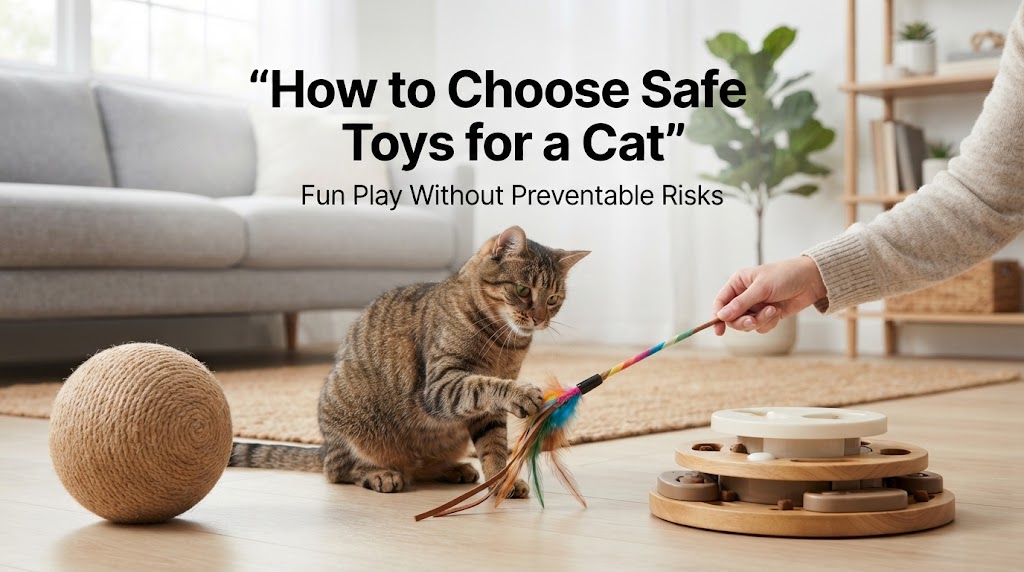
- Use toys that keep hands away from teeth and claws.
- Provide scratching surfaces in both vertical and horizontal orientations.
- Add elevated spaces for observation and retreat.
- Rotate toys so safe prey-like movement remains interesting.
Play Swat or Defensive Swat?
No single sign is perfect; read several signals together.
| Context | More Playful | More Defensive |
|---|---|---|
| Body | Loose, bouncy | Crouched, stiff |
| Ears | Forward/neutral | Sideways or flattened |
| Tail | Active but loose | Thrashing, tucked or puffed |
| Claws | Often retracted | May be extended |
| After swat | Returns to play | Retreats, hisses or escalates |
Common Mistakes to Avoid
Do not hit the paw, grab the cat, yell or encourage ambush play with bare hands. Avoid repeatedly petting through warning signs because “the cat came to me.” Seeking proximity does not always mean wanting continuous touch.
When to Get Professional Help
Veterinary assessment is important for sudden swatting, touch sensitivity, limping, appetite change or withdrawal. A qualified behavior professional can help if swatting causes injuries, happens unpredictably or is part of escalating fear between cats or people.
Related Virixoo Guides
For the defensive vocal warning that often comes before a strike, see Why Does My Cat Hiss at Me?. If biting accompanies petting, read Why Does My Cat Bite Me?.
Change the Game Before the Paw Comes Up
If swatting is playful, schedule interactive play at the times it usually happens and place a toy between the cat and your hands before arousal peaks. If swatting follows petting, count the number of strokes the cat comfortably accepts and stop one or two strokes earlier. If it happens when you walk past a particular chair or doorway, look for ambush opportunities and offer another hunting outlet. Prevention teaches more than reacting after the strike.
Protect Skin Without Punishing the Cat
Keep nails appropriately trimmed, use long toys that create distance during energetic play and avoid wrestling games. If a scratch breaks human skin, wash it promptly and seek medical advice when appropriate, particularly for deep punctures or signs of infection. Managing human safety and respecting feline warning signals can happen at the same time; neither requires frightening the cat.
Keep a One-Week Context Log
Record the time, location, activity and body language before each swat. Include whether the cat had recently been playing, watching an outdoor animal, sleeping, eating or being petted. Patterns often appear quickly. If every swat happens near bedtime, enrichment timing may need adjustment; if every swat happens when the right hip is touched, a health question becomes more urgent. A context log turns an apparently random behavior into something you can address precisely.
Reward the Pause
When your cat notices a moving hand or foot but chooses not to strike, that quiet moment is useful training. Redirect to a toy or reward calm orientation before arousal rises. Reinforcing the behavior you want is easier than trying to suppress a swat after the cat is already over threshold.
Bottom Line
Swatting is easiest to change when you respond to its function: redirect play, respect contact limits, create distance for fear and investigate possible pain.