

Cats
5 min read
Why Does My Cat Hide From Visitors? Fear, Caution and Confidence
A cat hiding from guests may be protecting a sense of safety. Learn how to reduce pressure, build confidence and avoid forcing social contact.
Browse 73 Virixoo cat behavior guides, organized to help you move between closely related questions.
A cat hiding from guests may be protecting a sense of safety. Learn how to reduce pressure, build confidence and avoid forcing social contact.

Learn why cats sit or sleep in sinks, how cool surfaces, curved shapes and water interest may contribute, and when bathroom behavior changes deserv...

Use clean cardboard boxes as optional hiding and play enrichment, reduce preventable hazards, and recognize when increased hiding may be part of il...

Choose cat toys that support hunting and problem-solving while avoiding loose strings, small swallowable parts, unstable structures and unsupervise...

Help your cat settle after a move by starting with a safe room, preserving familiar scents and expanding territory gradually at the cat's pace.

Interpret staring through body language, routine and context, understand what slow-blink research actually shows, and recognize changes that may ne...

Understand why cats hide under beds, how rest, fear and stress can influence hiding, and how to tell normal retreat from a concerning behavior change.

Learn why cats sit or sleep on their owner's clothes, how familiar scent, warmth and soft textures contribute, and how to protect clean laundry wit...

Distinguish ordinary social following from a new behavior change by looking at context, independence, appetite, weight, activity, and other signs.

Focus on stool quality, straining and litter-box behavior to tell a quirky post-poop sprint from a pattern that may reflect digestive or urinary di...

Prepare a secure base room, help a newly adopted cat settle without forced interaction, expand territory based on behavior rather than a rigid sche...

Learn why some cats prefer moving water, how fountains can help certain cats, and how to keep water stations clean and appealing without restrictin...

Discover why cats spend so much time at windows, how outdoor movement and sunlight provide enrichment, and how to create a safer viewing spot.

Learn why cats knead blankets, laps and beds, how comfort and settling routines may contribute, and how to manage claws without discouraging normal...

A practical look at why some cats vocalize before jumping, how attention and routine may contribute, and when hesitation or pain around jumping nee...

Learn why some cats scratch the floor after finishing a meal, how to separate a harmless post-meal routine from appetite or dental warning signs.
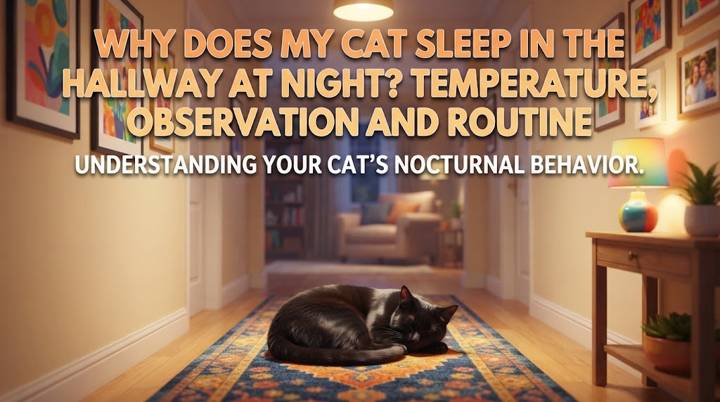
Sleeping in a hallway is often a normal location preference shaped by temperature, visibility, access and routine. It is different from repeatedly...
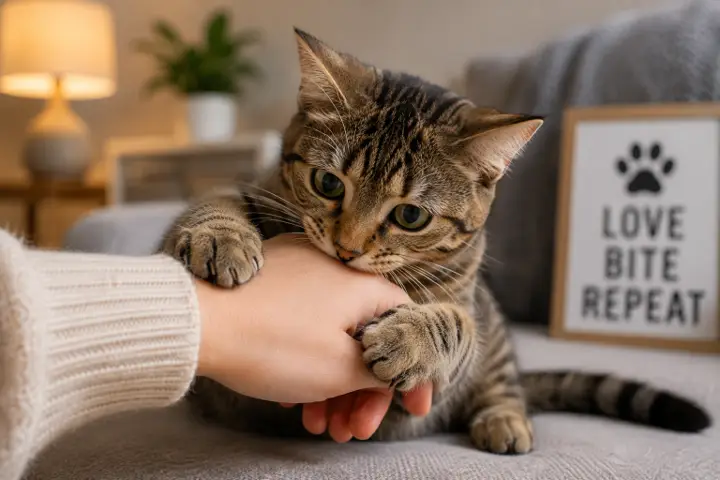
Understand what nighttime meowing may mean, what patterns to check first, which routine changes may help, and when new or intense vocalization need...

Discover why cats sit on paper, notebooks and documents, how texture, warmth and attention can make paper attractive, and how to protect important...
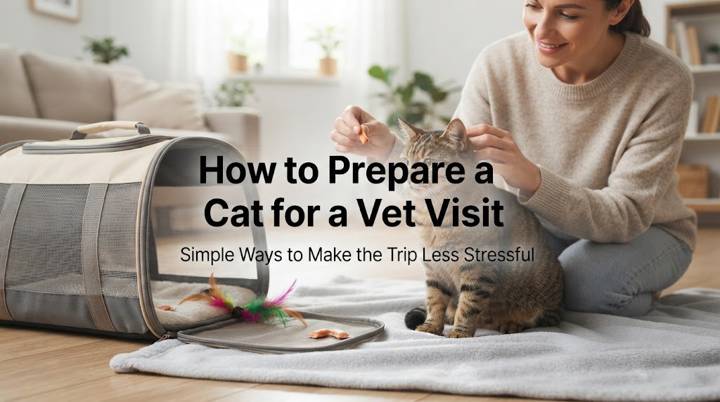
Make veterinary visits easier with carrier familiarity, calm transport, pre-visit planning and small steps that reduce stress before you leave home.

Learn why cats sniff faces and breath, how scent helps them investigate familiar people, and how to keep close interactions comfortable and safe.

Find out why cats paw at water bowls, how bowl depth, reflection and play may contribute, and how to reduce spills while keeping hydration easy.

Brief pillow licking can be an exploratory or comfort behavior, especially when the fabric carries familiar scent. Repetitive licking, sucking, che...

Learn why cats chew cardboard, how texture and play may encourage it, and when swallowing non-food material requires veterinary attention.