
Why Does My Cat Seem Hungry but Walk Away From Food? Appetite vs. Eating Difficulty
A cat that repeatedly approaches food, sniffs or tries to eat, then walks away may have pseudo-anorexia: the desire to eat is present, but pain, na...

Browse 99 Virixoo cat health guides, organized to help you move between closely related questions.
A cat that repeatedly approaches food, sniffs or tries to eat, then walks away may have pseudo-anorexia: the desire to eat is present, but pain, na...
A new lump under a cat’s jaw is not always a lymph node, but enlarged lymph nodes can occur with local infection, systemic inflammation, or cancer...
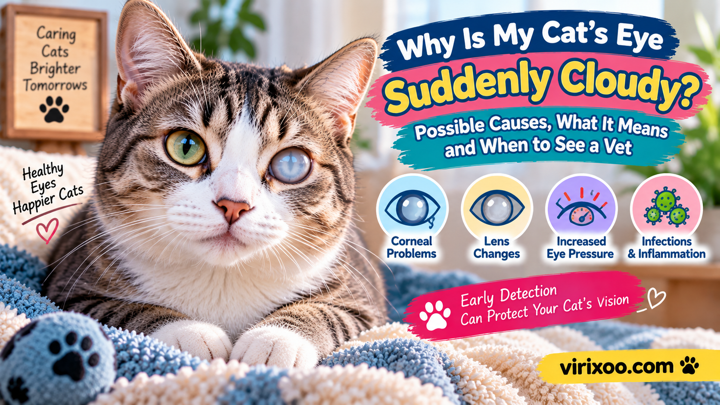
Sudden eye cloudiness is not a normal aging change. Corneal injury, inflammation, glaucoma, lens disease, and other disorders can all alter eye cla...
Normal cat urine is usually yellow to amber. Persistently orange, brown, red, or tea-colored urine can signal concentrated urine, blood, bilirubin...
Understand why appetite loss matters in cats, what you can safely check at home, which accompanying signs raise concern, and when a veterinarian sh...
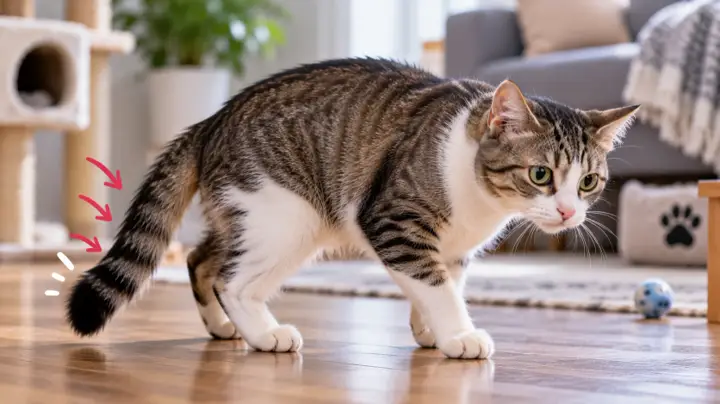
A newly lowered tail posture should be interpreted with tail movement, pain, urination, defecation, hind-limb function, and recent trauma. A comple...
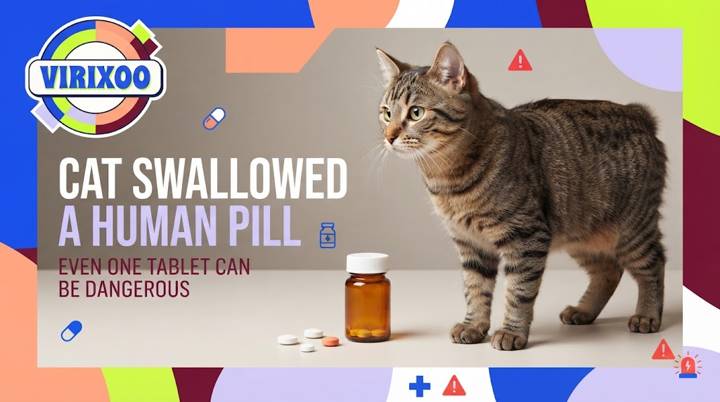
Even one human tablet can be dangerous to a cat depending on the medication and dose.
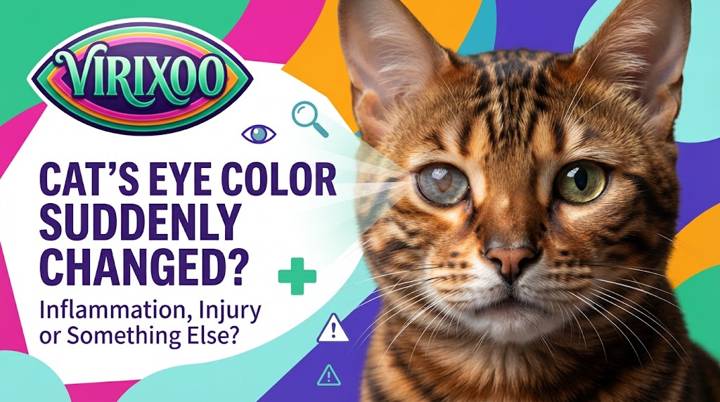
A sudden change in the color of one eye is not the same as a kitten’s normal eye-color development.
A cat that suddenly holds one ear lower, flatter, or more sideways than the other may be protecting a painful ear or reacting to irritation.
Frequent litter-box trips and large urine clumps mean different things. Learn how to distinguish frequency from volume and when urinary changes are...
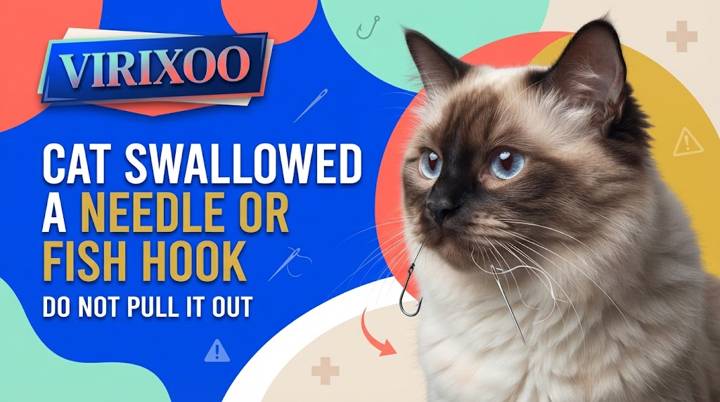
A swallowed needle, fish hook, or other sharp object is a veterinary emergency risk even if the cat appears normal. Sharp objects can pierce the mo...
Mouth ulcers can make eating, grooming, and swallowing painful. A cat may drool, develop bad breath, approach food and then back away, or become ir...
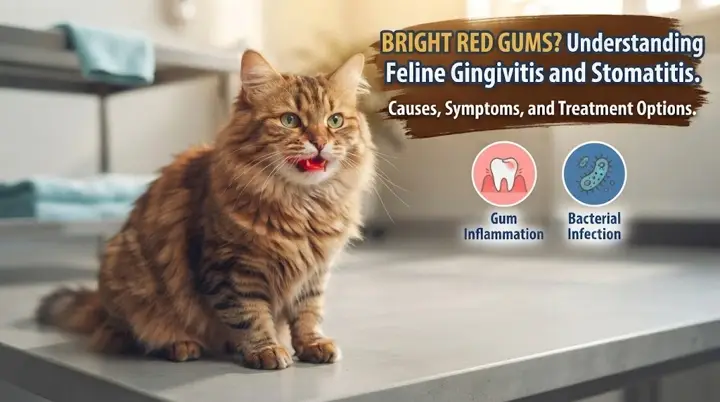
Redness limited to the gumline often suggests oral inflammation, while diffusely brick-red gums with overheating, weakness, or breathing distress c...
Compare your cat with its own normal sleep pattern, distinguish easy-to-wake rest from lethargy, and act on warning signs such as weakness or appet...
Learn why a cat that suddenly bumps into furniture or walls may be losing vision and which eye, blood-pressure, or neurologic problems need prompt...
Periocular hair loss is a pattern, not a diagnosis. Mild naturally thin fur can be normal in some cats, but new baldness with itch, scaling, crusti...
If a cat swallows string, ribbon, thread, yarn, dental floss, or tinsel, treat it as a potentially serious foreign-body problem. Long flexible obje...
A cat that repeatedly paws at the mouth after eating is usually trying to respond to discomfort, irritation, or an unusual sensation.
Learn why a cat’s third eyelid may become visible, when a brief appearance can be harmless, and which accompanying signs make veterinary evaluation...
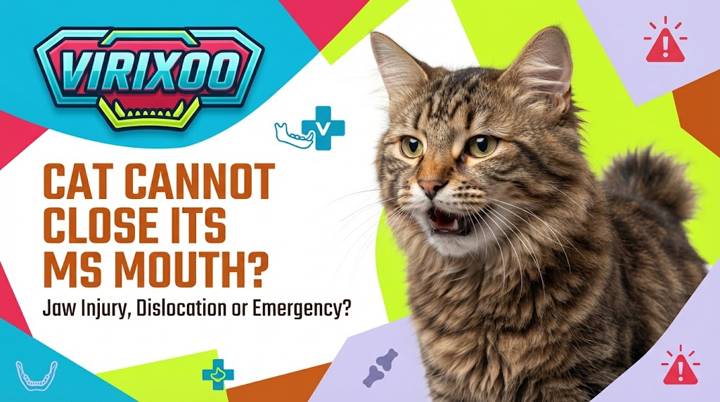
A cat that suddenly cannot close its mouth normally needs prompt veterinary attention.
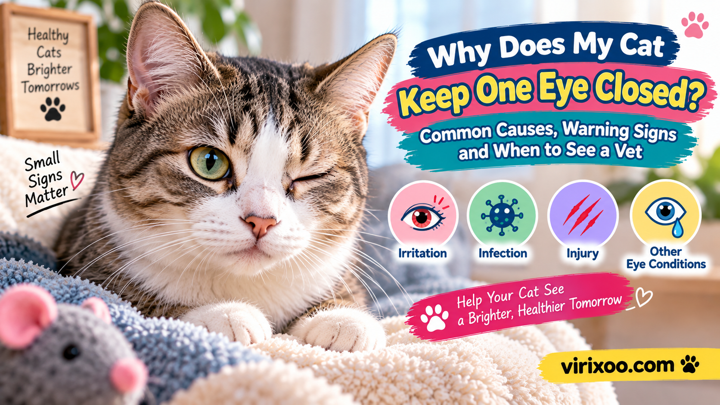
Persistent one-sided squinting usually means the eye hurts or is irritated. Because scratches, ulcers, foreign material, inflammation, and pressure...
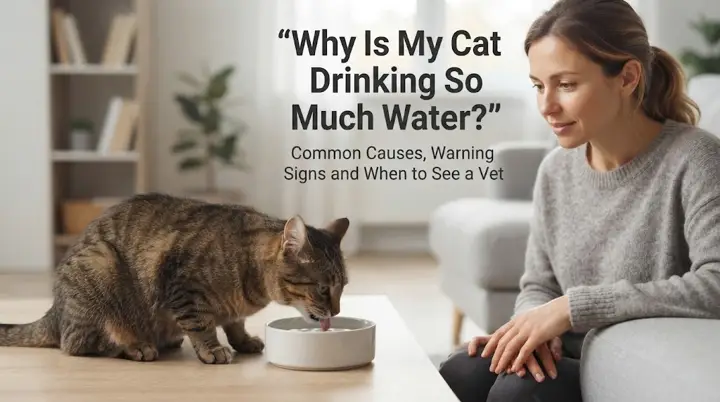
A cat suddenly drinking more water may need a health check. Learn what increased thirst can mean, what to measure and when to call your veterinarian.
A weak, rough, or unusually quiet meow often reflects irritation or inflammation around the larynx. Persistent voice change with coughing, swallowi...
Learn why cats briefly shake their paws after touching water or litter, and which persistent paw-shaking signs can indicate irritation, injury or p...